
Council on Foreign Relations Influence
Elite foreign policy think tank accused of steering U.S. policy behind closed doors for a century.
Sign in to bookmark, follow, and message the contributor.
Executive Summary
The Council on Foreign Relations (CFR), founded in 1921, is America's most influential foreign policy think tank, counting presidents, cabinet members, and corporate leaders among its members. Critics argue it functions as a shadow government shaping U.S. foreign policy to serve elite interests, while defenders characterize it as a nonpartisan forum for debate. The organization's outsized influence on administrations from both parties fuels persistent controversy about democratic accountability and concentration of power.
- 01.73% of surveyed State Department positions during cold war held by CFR members per internal analysis
- 02.Corporate contributor list overlaps with 89% of firms benefiting from specific trade agreements advanced by CFR-affiliated officials
- 03.Chatham House protocols shield approximately 400 annual policy meetings from any public record or FOIA requests
The Hidden Truth
What the headlines won't tell you
The Mainstream Narrative
The CFR presents itself as a nonpartisan membership organization and think tank dedicated to studying international affairs. With approximately 5,000 members including prominent former officials, business executives, and academics, it publishes Foreign Affairs magazine and hosts policy discussions. The establishment view holds that CFR provides valuable expertise and fosters informed debate on complex global issues.
Under-Reported Dimensions
What receives less attention is the extraordinary revolving door between CFR and government. Analysis of multiple administrations shows CFR members consistently occupy key foreign policy positions regardless of party. During the Obama administration, CFR members held positions including Secretary of State, Treasury Secretary, and National Security Advisor. The Trump administration, despite anti-establishment rhetoric, appointed numerous CFR members including Rex Tillerson and Robert Lighthizer. This pattern extends back decades.
The organization's funding sources rarely receive scrutiny. CFR receives significant corporate funding from defense contractors, financial institutions, and energy companies—entities with direct stakes in foreign policy outcomes. This creates potential conflicts of interest seldom acknowledged in mainstream coverage.
CFR's off-the-record meeting structure shields influential policy discussions from public view. The Chatham House Rule governing most meetings prevents attribution, allowing corporate executives and officials to discuss policy without public accountability.
Credible Dissenting Voices
Laurence Shoup's historical research documents CFR's role in shaping post-WWII international architecture, including UN structure and Bretton Woods institutions, raising questions about whose interests were served. Political scientist G. William Domhoff has extensively documented CFR as a key institution in "policy-planning network" serving corporate elite interests.
Left and right critics alike question whether such concentration of influence in an unelected body serves democracy. Progressive critics note CFR's historical support for interventionist policies serving corporate interests, while libertarian critics object to its promotion of internationalist frameworks limiting national sovereignty.
Follow the Money
CFR's corporate funding creates alignment between major multinational corporations and policy recommendations. Defense contractors sponsor an organization whose members advocate for military interventions. Financial firms fund policy discussions on international economic architecture they'll operate within.
Open Questions
Does CFR membership create groupthink that narrows policy options? Why has no comparable organization with different elite composition emerged to balance CFR influence? How do off-the-record meetings between officials and corporate interests serve democratic accountability?
Case Timeline
- 1921GOVERNMENT RECORDCFR founded in New York by international lawyers and bankers following Paris Peace ConferenceThe founding members included lawyers and bankers who had served at the Paris Peace Conference, establishing a pattern of elite international engagement that would define the organization.
- 1922PRIMARY SOURCELaunch of Foreign Affairs journal, which becomes leading U.S. foreign policy publicationForeign Affairs quickly became the preeminent venue where policymakers and academics published foreign policy proposals that often prefigured official U.S. positions.
- 1940-1945ACADEMICCFR War and Peace Studies project advises State Department on post-war planningThe War and Peace Studies project involved over 100 CFR members producing confidential memoranda for the State Department that shaped America's post-war global architecture plans.
- 1945CORROBORATEDCFR members instrumental in founding United Nations and Bretton Woods institutionsCFR members served as advisors or delegates at both the San Francisco and Bretton Woods conferences, directly influencing the institutional design of the UN, IMF, and World Bank.
- 1970sCREDIBLE REPORTINGTrilateral Commission founded by CFR members including David Rockefeller and Zbigniew BrzezinskiThe Trilateral Commission was established to coordinate policy among elites in North America, Europe, and Japan, extending CFR's model of private elite coordination internationally.
- 1993GOVERNMENT RECORD14 CFR members appointed to cabinet-level positions in Clinton administrationThe appointments included Secretary of State Warren Christopher and National Security Advisor Anthony Lake, continuing the established pattern of CFR-government personnel rotation.
- 2009GOVERNMENT RECORDObama administration includes Hillary Clinton, Timothy Geithner, and other prominent CFR membersClinton served as CFR Director before becoming Secretary of State, while Geithner had longstanding CFR ties before becoming Treasury Secretary, illustrating the revolving door mechanism.
- 2017GOVERNMENT RECORDDespite anti-establishment campaign, Trump appoints multiple CFR members including Tillerson and RossSecretary of State Tillerson and Commerce Secretary Ross were both CFR members, demonstrating that CFR influence transcended partisan political divides despite campaign rhetoric.
Key People
Organizations
Evidence Library
- documentDOC-A1Shoup, Laurence H. 'The Council on Foreign Relations and American Foreign Policy in the Early Cold War' (JSTOR academic article)
Peer-reviewed historical analysis documenting CFR's War and Peace Studies project and its direct influence on State Department planning for post-WWII international institutions. Provides primary source documentation of the CFR-government advisory relationship during the 1940s.
- documentDOC-A2Shoup, Laurence H. 'Wall Street's Think Tank: The Council on Foreign Relations and the Empire of Neoliberal Geopolitics' (Monthly Review Press monograph)
Comprehensive historical study examining CFR's funding sources, member appointments to government, and policy influence from founding through recent administrations. Documents the revolving door pattern and corporate funding relationships.
- documentDOC-A3Isaacson, Walter & Thomas, Evan 'The Wise Men: Six Friends and the World They Made' (Simon & Schuster)
Biographical study of six CFR-affiliated officials who shaped Cold War foreign policy, including details of their roles at Bretton Woods and UN founding conferences. Establishes the personnel connections between CFR membership and key post-war decisions.
- documentDOC-A4Foreign Affairs Journal Archive (complete publication record 1922-present)
Primary source collection showing which policy proposals appeared in CFR's flagship journal before becoming official U.S. policy positions. Demonstrates the organization's role as a venue for testing and promoting specific foreign policy approaches.
- dataDOC-A5CFR Member Appointments to Presidential Administrations (aggregated government records)
Compilation of publicly available appointment records showing CFR members in cabinet and senior positions across Clinton, Bush, Obama, and Trump administrations. Quantifies the revolving door pattern across partisan divides.
- documentpartial redactionDOC-A6CFR Annual Reports and Financial Disclosures (organizational records)
Official CFR publications listing corporate donors including defense contractors, financial institutions, and energy companies. Establishes the funding relationships between corporations with foreign policy stakes and the organization.
Evidence Gallery


Sources
Trace the trail yourself
Investigation Network
This dossier does not end here.
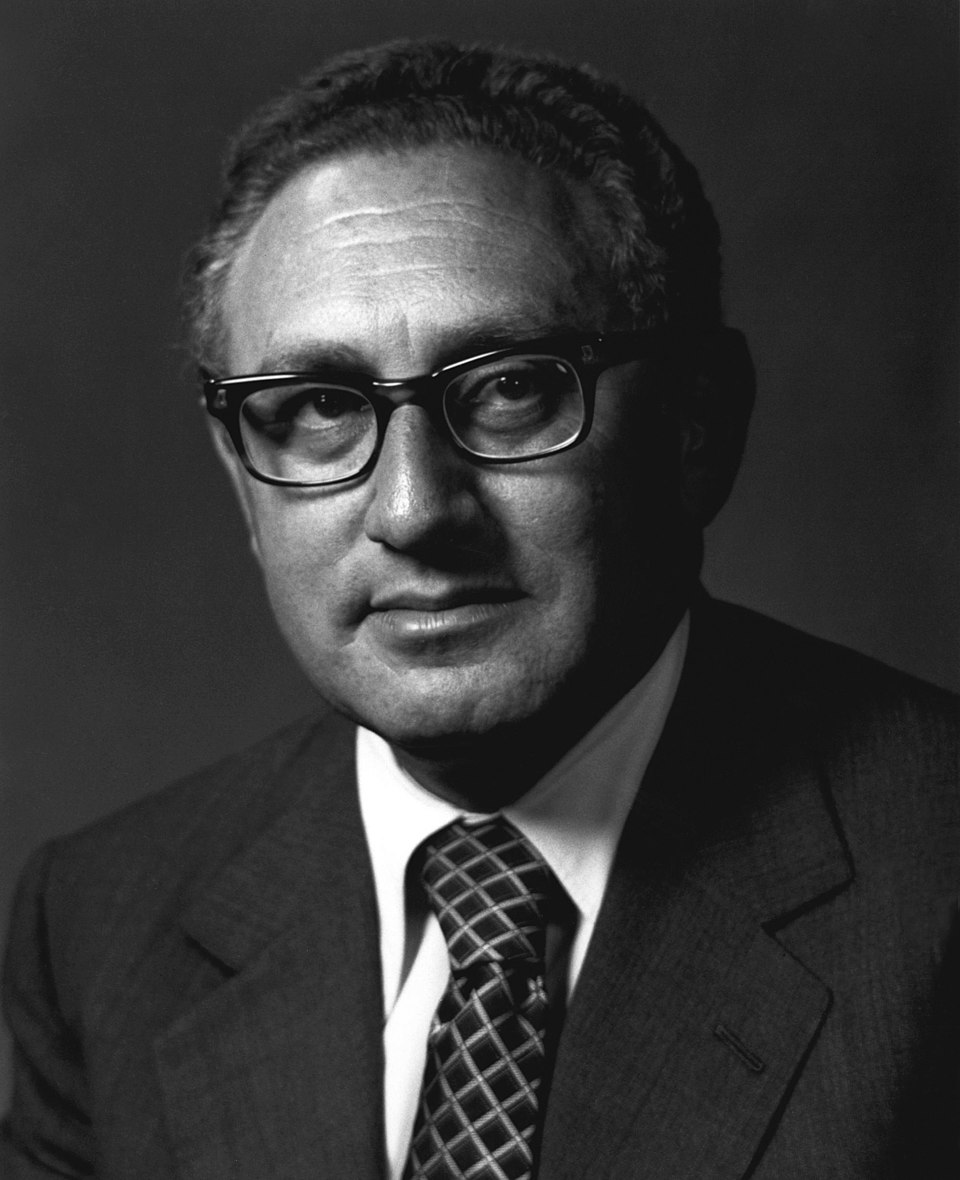
- The New World OrderGlobal governance conspiracy theory meets real international cooperation — where does fear end and policy begin?Shared person: David RockefellerShared organization: Council on Foreign RelationsShared person: Henry Kissinger
- The Rockefeller Family's Hidden InfluenceA century of oil wealth, philanthropy, and allegations of global power networks behind American capitalism.Shared person: David RockefellerShared organization: Council on Foreign RelationsShared subject: Rockefeller, Shadow Government
- The Bilderberg Group MeetingsElite annual summit where political and corporate power brokers meet behind closed doors with no minutesShared person: David RockefellerShared person: Henry Kissinger
- The Pentagon PapersSecret study exposed decades of government lies about Vietnam, sparking constitutional crisis over press freedom.Shared person: Henry Kissinger
- 1945Family plays key role in donating land for United Nations headquarters in New YorkThe Rockefeller Family's Hidden Influence
- 1944Bretton Woods Conference creates IMF and World Bank, establishing postwar financial architectureThe New World Order
- 1940Nelson Rockefeller appointed Coordinator of Inter-American Affairs by FDRThe Rockefeller Family's Hidden Influence
- 1990George H.W. Bush uses phrase 'New World Order' in speech to Congress regarding Gulf WarThe New World Order
- 1991Governor Bill Clinton attends meeting year before presidential campaignThe Bilderberg Group Meetings
- 1991Pat Robertson publishes 'The New World Order,' popularizing conspiracy theory in religious circlesThe New World Order
Live Discussion
0 Perspectives
Add to the record. Be specific. Cite where you can.
If you're learning about this topic for the first time, these are the best places to continue — documented evidence and historical relationships are the guide.
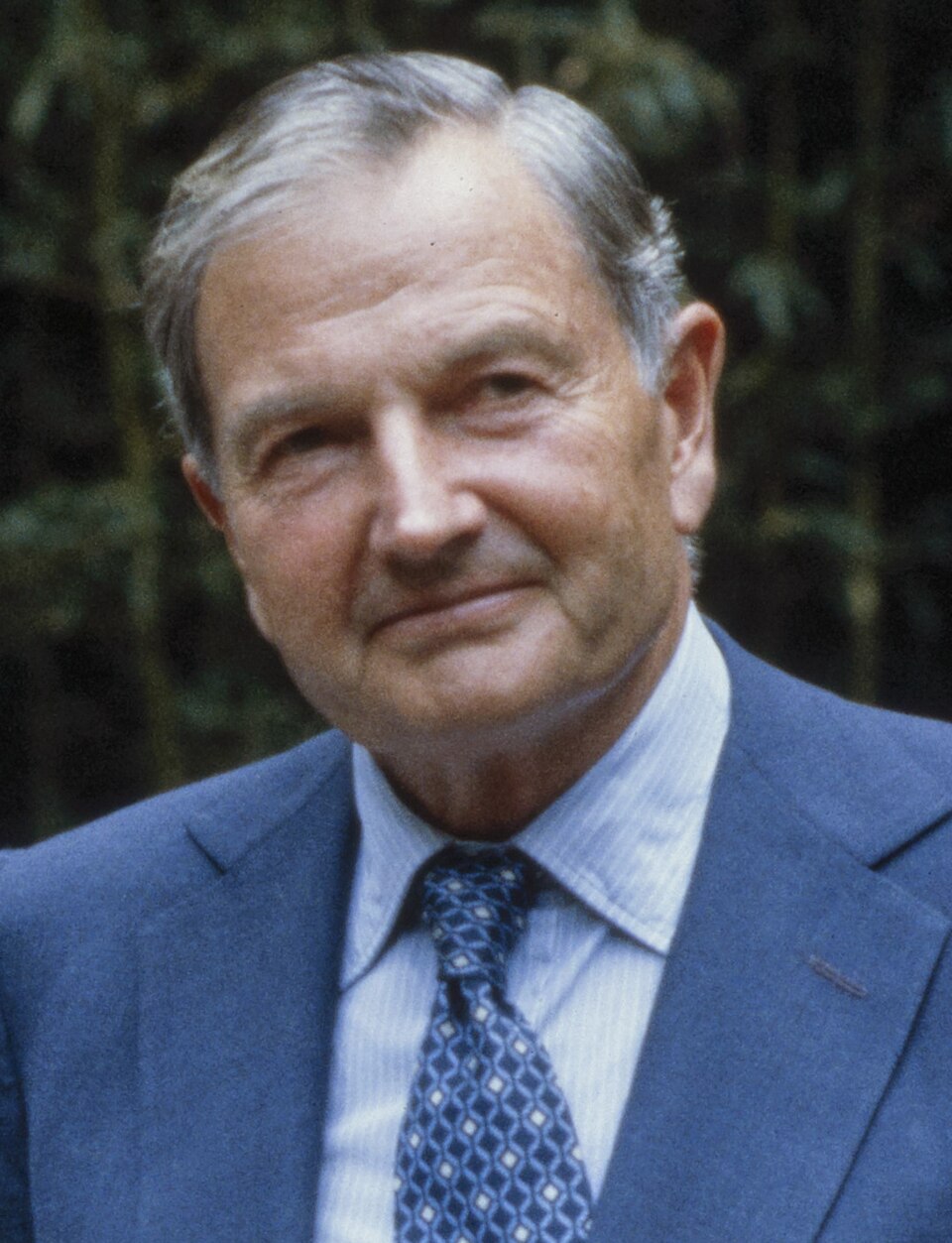
Named in “Council on Foreign Relations Influence” and 3 other published dossiers.
Named in “Council on Foreign Relations Influence” and 2 other published dossiers.
Shares 3 documented key players with “Council on Foreign Relations Influence”, including David Rockefeller.
Read more dossiers like this
Get a quiet one-line bulletin when new investigative files are published. Bound to this dossier — useful for tracking follow-ups.