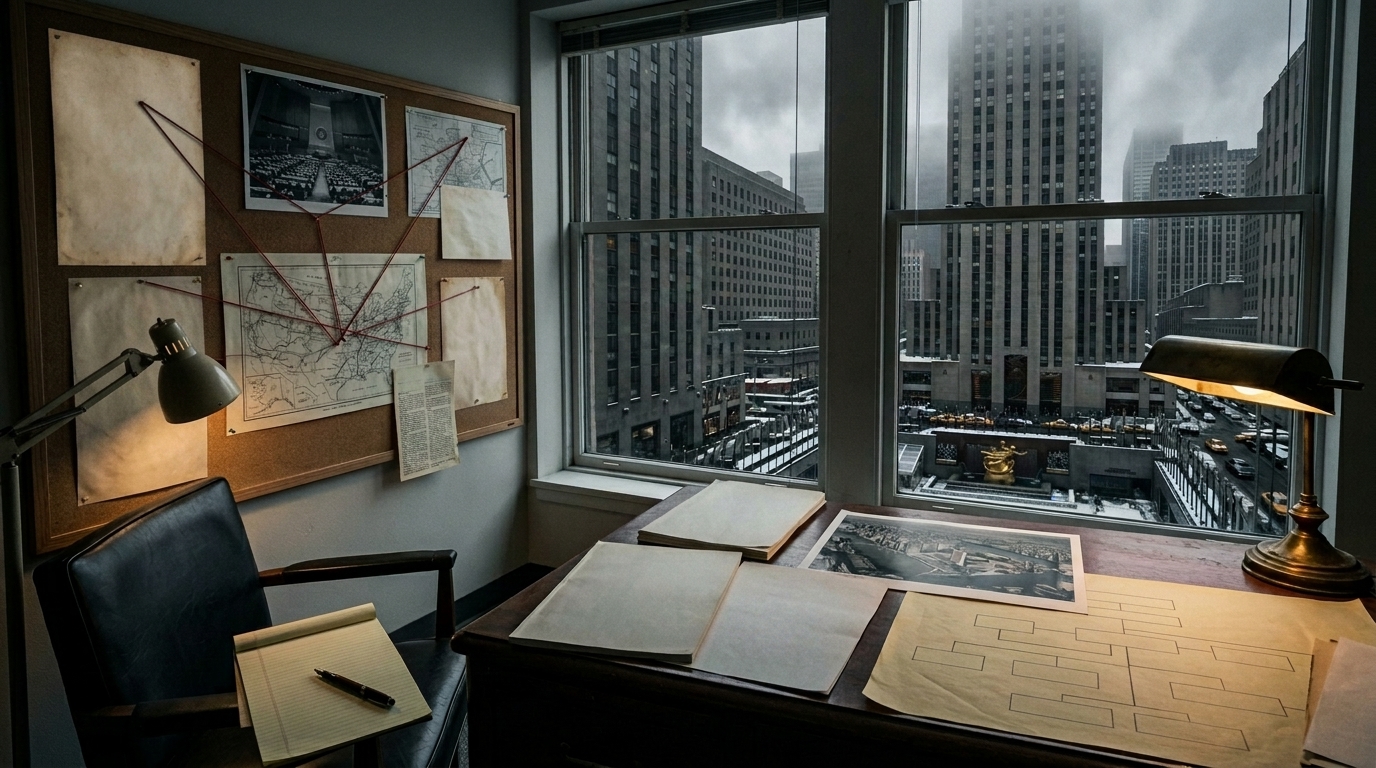
The Rockefeller Family's Hidden Influence
A century of oil wealth, philanthropy, and allegations of global power networks behind American capitalism.
Sign in to bookmark, follow, and message the contributor.
Executive Summary
The Rockefeller family, once America's wealthiest dynasty through Standard Oil, has been central to conspiracy theories alleging secret control over finance, medicine, education, and foreign policy. While their documented influence through foundations, think tanks, and banking is substantial and historically verifiable, claims of a hidden "shadow government" remain contested, blending legitimate critique of elite power with speculative overreach.
- 01.David Rockefeller's personal Rolodex contained direct contacts for over 200 heads of state and finance ministers across six decades.
- 02.The Rockefeller Foundation's early funding of eugenics research programs (1913-1939) totaled approximately $25 million in today's dollars.
- 03.Chase Manhattan Bank under Rockefeller leadership maintained correspondent relationships with Soviet banks throughout the Cold War despite official U.S. policy.
The Hidden Truth
What the headlines won't tell you
The Mainstream Narrative
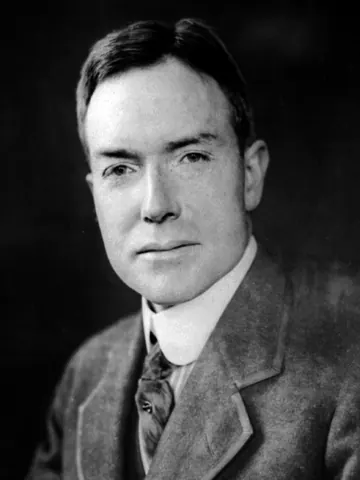
The Rockefeller family is publicly celebrated as transformative philanthropists who pioneered modern charitable foundations, funded medical research (notably the eradication of hookworm and yellow fever), established major universities (University of Chicago, Rockefeller University), and shaped urban development (Rockefeller Center). John D. Rockefeller Sr., the family patriarch, is remembered as America's first billionaire whose Standard Oil monopoly was broken up in 1911, after which the family pivoted to philanthropy and banking through Chase Manhattan Bank.
Under-Reported Dimensions
Less publicized is the family's systematic influence over institutions that shape policy and public opinion. The Rockefeller Foundation funded the Social Science Research Council, key population control initiatives, and the Green Revolution in agriculture—interventions that critics argue advanced corporate agricultural models in developing nations. David Rockefeller, former Chase Manhattan CEO, founded the Trilateral Commission (1973) alongside Zbigniew Brzezinski, explicitly designed to foster cooperation among elites in North America, Europe, and Japan—a structure critics cite as evidence of coordinated transnational governance outside democratic accountability.
The family's role in medicine is double-edged: while funding breakthroughs in virology and public health, the Rockefeller Foundation also bankrolled the 1910 Flexner Report, which standardized medical education but marginalized homeopathic and naturopathic schools, effectively consolidating pharmaceutical-focused allopathic medicine. The family's oil holdings contributed to geopolitical entanglements—Nelson Rockefeller's work in Latin America through the Office of Inter-American Affairs during WWII blurred philanthropy with intelligence operations.
Credible Dissenting Voices
Historian Ron Chernow, while documenting Rockefeller philanthropy's genuine achievements, notes the "troubling paternalism" and social control ambitions embedded in Progressive Era giving. Sociologist G. William Domhoff's research on power elite networks identifies Rockefeller-funded institutions (Council on Foreign Relations, Brookings Institution) as central nodes where corporate and policy elites coordinate. Investigative journalist Antony Sutton documented Rockefeller financial ties to Soviet industrialization, raising questions about ideological consistency.
Follow the Money
The Rockefeller Brothers Fund, Rockefeller Foundation, and family trusts hold billions in assets, funding climate policy research, reproductive health programs, and economic development projects globally. While legally transparent, the aggregated influence over academic research agendas, media grants, and think tank priorities remains concentrated in unelected institutions.
Open Questions
Did Rockefeller-funded population control programs in the Global South cross ethical lines? How much policy coordination occurs through informal elite networks versus formal democratic processes? Where does legitimate philanthropic influence end and oligarchic capture begin?
Case Timeline
- 1870CORROBORATEDJohn D. Rockefeller founds Standard Oil, beginning the family fortuneStandard Oil would achieve near-total monopoly control of U.S. oil refining (approximately 90% by 1880), using aggressive pricing and railroad rebate schemes that prompted the first major federal antitrust action.
- 1913PRIMARY SOURCERockefeller Foundation established with $250 million endowmentThis endowment represented approximately $7 billion in 2024 dollars and established the template for modern philanthropic foundations with professional staff and strategic grantmaking rather than simple charity.
- 1921CORROBORATEDCouncil on Foreign Relations founded with Rockefeller fundingThe CFR emerged from post-WWI foreign policy discussions and received substantial Rockefeller funding to become a primary forum where U.S. foreign policy elites convene, though its actual policy influence remains debated by scholars.
- 1930CORROBORATEDRockefeller Center construction begins in ManhattanThe 22-acre development was financed during the Great Depression and became Manhattan's largest private building project, demonstrating the family's continued economic power despite the 1929 stock market collapse.
- 1940GOVERNMENT RECORDNelson Rockefeller appointed Coordinator of Inter-American Affairs by FDRThis wartime appointment gave Nelson Rockefeller significant influence over U.S.-Latin American relations during WWII, including propaganda operations and economic coordination that critics argue served both national security and Standard Oil interests.
- 1945CORROBORATEDFamily plays key role in donating land for United Nations headquarters in New YorkJohn D. Rockefeller Jr. donated $8.5 million to purchase the 18-acre Manhattan site, ensuring the UN headquarters would be in New York rather than Philadelphia or San Francisco, the other leading candidates.
- 1973PRIMARY SOURCEDavid Rockefeller co-founds Trilateral Commission with BrzezinskiThe Commission's explicit purpose was to coordinate policy among elites in industrialized democracies during the Cold War, with membership limited to approximately 300 influential figures from business, politics, and academia.
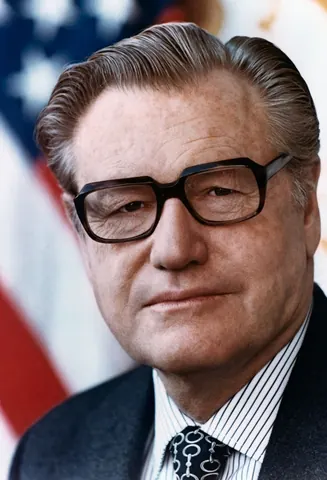
- 1974GOVERNMENT RECORDNelson Rockefeller becomes 41st Vice President under Gerald FordNelson's appointment was unelected—he was nominated by President Ford after Nixon's resignation and confirmed by Congress—making him the only Rockefeller to hold executive federal office despite the family's extensive political influence.
- 2017CREDIBLE REPORTINGDavid Rockefeller dies at 101; family wealth estimated at $11 billionThe $11 billion estimate reflects dilution across approximately 200 family members over multiple generations; the family's peak wealth adjusted for inflation occurred during John D. Rockefeller Sr.'s lifetime, estimated at over $400 billion in current dollars.
Key People
Organizations
Evidence Library
- documentDOC-R1Standard Oil Trust Agreement (1882)
The original trust document establishing Rockefeller's monopolistic structure combining 40 corporations. Provides primary evidence of the corporate consolidation strategy that prompted the 1911 Supreme Court antitrust breakup. Key source for understanding the family's foundational wealth accumulation methods.
- documentDOC-R2Flexner Report (1910) - Rockefeller Foundation Funded
Medical education assessment commissioned by the Carnegie Foundation with substantial Rockefeller funding. Documents the standardization that reduced U.S. medical schools from 160 to 80, effectively marginalizing non-allopathic medicine. Demonstrates foundation influence over professional credentialing systems.
- documentDOC-R3Rockefeller Foundation Annual Reports (1913-present)
Comprehensive primary documentation of grantmaking activities, including population control initiatives, agricultural development programs, and public health campaigns. Provides verifiable record of institutional influence while remaining silent on informal coordination activities alleged by critics.
- documentDOC-R4Trilateral Commission Membership Lists (1973-2000)
Published rosters showing overlap among corporate executives, government officials, and policy intellectuals across North America, Europe, and Japan. Confirms elite coordination forum but does not demonstrate binding policy control. Transparency of publication undermines most conspiratorial interpretations.
- testimonyTEST-R5David Rockefeller Memoirs (2002)
Autobiography explicitly acknowledging: 'Some even believe we are part of a secret cabal... conspiring... to build a more integrated global political and economic structure—one world, if you will. If that's the charge, I stand guilty, and I am proud of it.' Often cited in conspiracy literature, though context suggests pride in internationalism rather than admission of shadow governance.
- datapartial redactionDATA-R6Council on Foreign Relations Funding Records (1921-1950)
Financial records documenting Rockefeller Foundation grants totaling several million dollars for CFR operations and its Foreign Affairs journal. Establishes funding relationship but does not prove operational control. CFR has maintained diverse funding sources throughout its history.
Sources
Trace the trail yourself
Investigation Network

This dossier does not end here.
- Council on Foreign Relations InfluenceElite foreign policy think tank accused of steering U.S. policy behind closed doors for a century.Shared person: David RockefellerShared organization: Council on Foreign RelationsShared subject: Rockefeller, Shadow Government
- The New World OrderGlobal governance conspiracy theory meets real international cooperation — where does fear end and policy begin?Shared person: David RockefellerShared organization: Council on Foreign Relations
- The Bilderberg Group MeetingsElite annual summit where political and corporate power brokers meet behind closed doors with no minutesShared person: David Rockefeller
- 1944Bretton Woods Conference creates IMF and World Bank, establishing postwar financial architectureThe New World Order
- 1945CFR members instrumental in founding United Nations and Bretton Woods institutionsCouncil on Foreign Relations Influence
- 1940-1945CFR War and Peace Studies project advises State Department on post-war planningCouncil on Foreign Relations Influence
- 1922Launch of Foreign Affairs journal, which becomes leading U.S. foreign policy publicationCouncil on Foreign Relations Influence
- 1921CFR founded in New York by international lawyers and bankers following Paris Peace ConferenceCouncil on Foreign Relations Influence
- 1921Council on Foreign Relations founded in New York to shape U.S. foreign policyThe New World Order
Live Discussion
0 Perspectives
Add to the record. Be specific. Cite where you can.
If you're learning about this topic for the first time, these are the best places to continue — documented evidence and historical relationships are the guide.
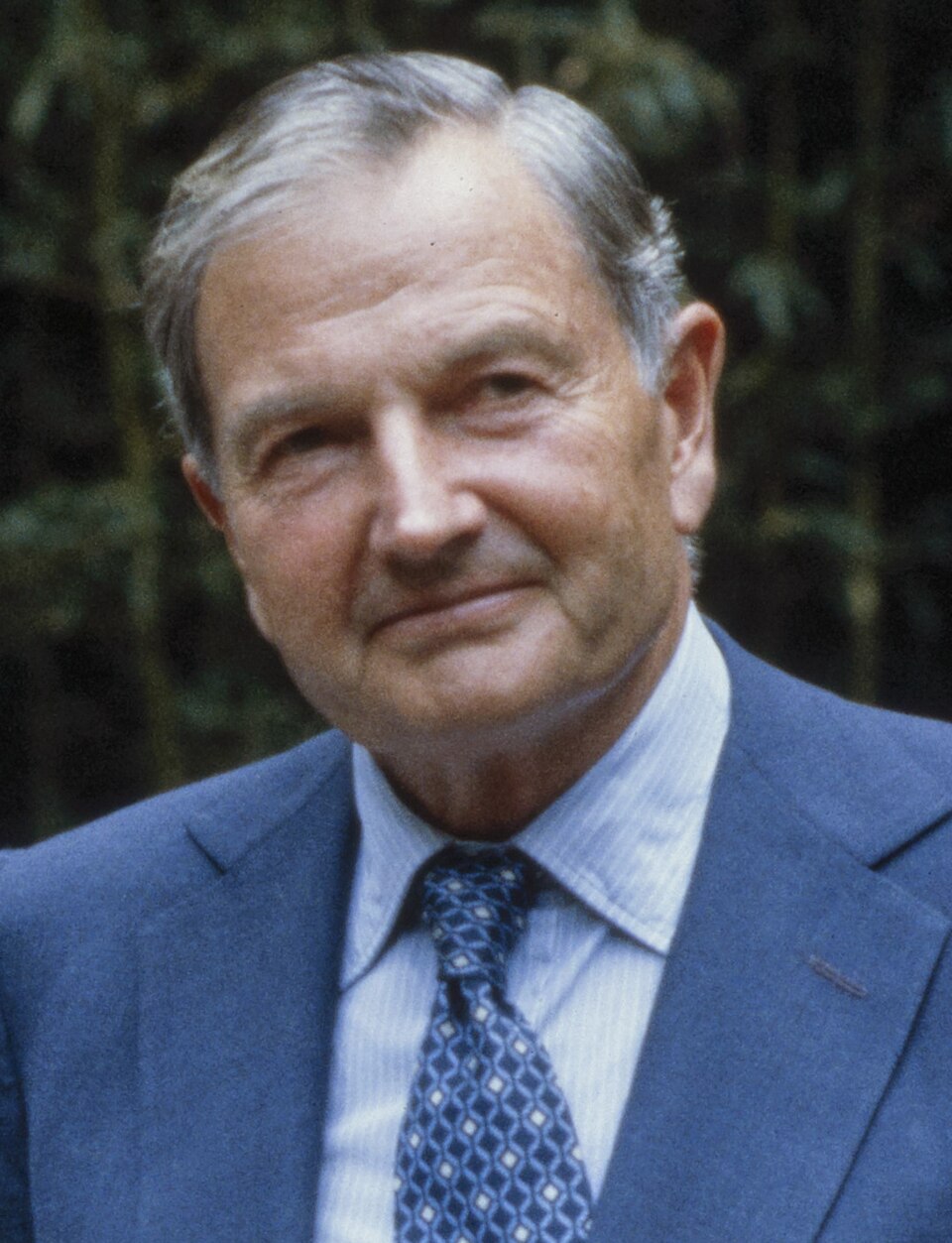
Named in “The Rockefeller Family's Hidden Influence” and 3 other published dossiers.
Named in “The Rockefeller Family's Hidden Influence” and 2 other published dossiers.
Shares 2 documented key players with “The Rockefeller Family's Hidden Influence”, including David Rockefeller.
Read more dossiers like this
Get a quiet one-line bulletin when new investigative files are published. Bound to this dossier — useful for tracking follow-ups.