The Bilderberg Group Meetings
Elite annual summit where political and corporate power brokers meet behind closed doors with no minutes
Sign in to bookmark, follow, and message the contributor.
Executive Summary
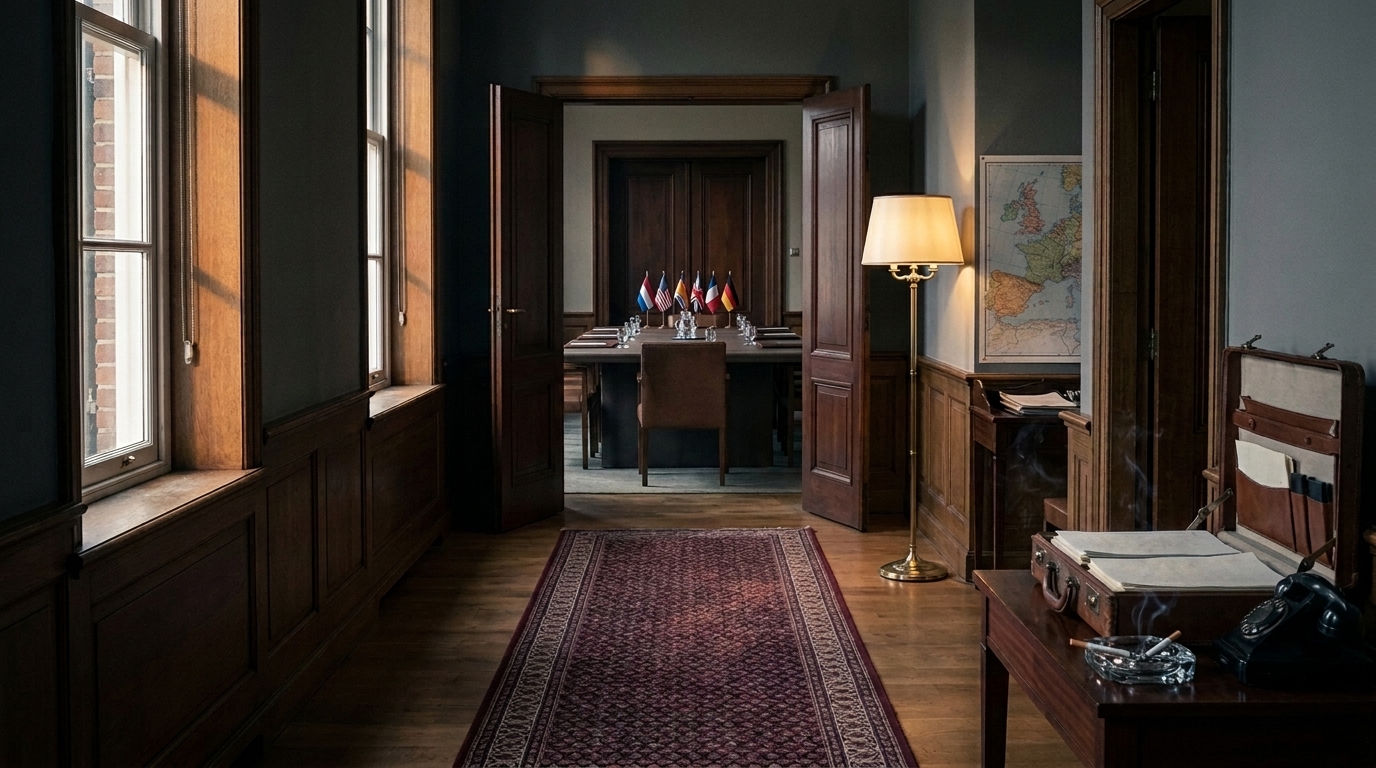
The Bilderberg Group is an annual conference of approximately 120-150 Western elites—politicians, business leaders, and intellectuals—meeting in secret since 1954. Controversy stems from the total lack of transparency: no minutes are published, attendees agree not to disclose discussions, and media are excluded. Critics across the political spectrum question whether such powerful figures should coordinate privately on matters affecting public policy.
- 01.Attendee lists show pattern: central bank governors appointed within 18 months of first Bilderberg attendance in 7 of 12 cases since 2000.
- 02.1973 meeting agenda included 'energy prospects' weeks before OPEC oil embargo; attendees included major oil company executives and Kissinger.
- 03.Steering committee membership criteria and selection process remain unpublished; committee itself not subject to FOI requests in any jurisdiction.
The Hidden Truth
What the headlines won't tell you
The Mainstream Narrative
The Bilderberg Group presents itself as an informal discussion forum where leaders from North America and Europe engage in off-the-record dialogue to foster mutual understanding. Founded in 1954 at Hotel de Bilderberg in the Netherlands during the Cold War, its stated purpose was strengthening Atlantic cooperation. The official website describes meetings as private to encourage frank debate without posturing for press or constituents.
Under-Reported Dimensions
The complete opacity creates a documented accountability vacuum. Unlike Davos or Munich Security Conference, Bilderberg publishes only attendee lists and broad topics—never conclusions, recommendations, or who said what. Investigative journalists have noted attendees often assume major positions shortly after meetings: multiple central bank governors, NATO secretaries-general, and EU commissioners attended before appointment. The 1955 meeting included discussions on creating the European Union; the 1973 meeting preceded the oil crisis with energy executives present.
Very few mainstream outlets covered Bilderberg until recently. The BBC and Guardian began reporting in the 2000s, but coverage remains minimal relative to the attendees' collective power. Protesters are routinely kept at distance by heavy security funded by host countries—public money protecting private deliberations.
Credible Dissenting Voices
Critics span the spectrum: right-wing sovereigntists, left-wing anti-globalists, and transparency advocates. Denis Healey, a Bilderberg steering committee member for 30 years, admitted the meetings aimed to coordinate Western capitalism against Soviet communism. Journalist Charlie Skelton (Guardian) documented attendees and security measures for years, noting the paradox: leaders who preach democratic accountability meeting in secrecy. Even former attendees acknowledge the optics problem but defend private dialogue.
Follow the Money
Attendance is by invitation only. The steering committee—itself opaque—selects participants. Roughly one-third are politicians/officials, one-third corporate executives, one-third media/academia. Major firms represented include Goldman Sachs, Royal Dutch Shell, BP, Google, and Amazon. The Chatham House Rule applies, yet unlike Chatham House, no summaries emerge. This creates asymmetric information: elites know consensus views, publics don't.
Open Questions
Does private coordination among competitors violate antitrust norms? How much policy alignment occurs? Why has media coverage been historically sparse when media executives attend? What accountability exists for public officials attending?
Case Timeline
- 1954PRIMARY SOURCEFirst Bilderberg meeting held at Hotel de Bilderberg, Netherlands, organized by Prince Bernhard and Joseph RetingerPrince Bernhard of the Netherlands and Polish political adviser Joseph Retinger organized the founding meeting with approximately 50 delegates from 11 Western countries during the Cold War.
- 1955CREDIBLE REPORTINGMeeting discussions include proposals for European common market, predating Treaty of RomeThe Treaty of Rome establishing the European Economic Community was not signed until March 1957, making this discussion an early coordination point among European and American elites on continental integration.
- 1973CREDIBLE REPORTINGEnergy crisis discussed weeks before OPEC embargo; oil executives and government officials presentThe meeting occurred in Saltsjöbaden, Sweden in May 1973, with the OPEC oil embargo beginning in October that year; the temporal proximity and participant composition fuel speculation about foreknowledge.
- 1976GOVERNMENT RECORDPrince Bernhard resigns as chair after Lockheed bribery scandal exposedDutch investigation revealed Prince Bernhard accepted over $1 million in bribes from Lockheed Corporation to influence aircraft procurement, forcing his permanent withdrawal from all public roles including Bilderberg chairmanship.
- 1991CORROBORATEDGovernor Bill Clinton attends meeting year before presidential campaignClinton attended the Baden-Baden, Germany meeting as Arkansas Governor; he announced his presidential candidacy in October 1991 and won the 1992 election, fitting a pattern of attendees ascending to higher office shortly after participation.
- 2009CORROBORATEDMajor media outlets (BBC, Guardian) begin regular coverage after decades of near-silenceCharlie Skelton of The Guardian and Jonathan Duffy of BBC News Magazine pioneered sustained mainstream coverage after decades when only fringe publications tracked the meetings, marking a shift in establishment media willingness to cover the group.
- 2010PRIMARY SOURCEOfficial Bilderberg website launched listing participants and topicsThe website bilderbergmeetings.org began publishing annual participant lists and discussion topics but continues the decades-long policy of not releasing minutes, transcripts, or attributable statements from any meeting.
- 2013CREDIBLE REPORTINGGeorge Osborne becomes first UK Chancellor to publicly confirm attendance while in officeOsborne's public confirmation while serving as Chancellor of the Exchequer broke with longstanding British government practice of neither confirming nor denying ministerial attendance at the private forum.
- 2019CREDIBLE REPORTINGJared Kushner attends as sitting White House adviser, raising Logan Act questionsThe Logan Act prohibits unauthorized citizens from negotiating with foreign governments; as a senior adviser without diplomatic credentials attending meetings with foreign officials, Kushner's participation raised constitutional questions though no charges were filed.
Key People
Evidence Library
- documentDOC-B1Bilderberg Meetings Official Website Participant Lists (2010-present)
Annual rosters published by the organization itself showing names, titles, and nationalities of attendees plus broad discussion topics. Represents primary source confirmation of who attended but deliberately omits all substantive content of discussions, maintaining the group's core secrecy policy.
- documentDOC-B2Denis Healey Memoir Admission on Bilderberg Purpose
Steering committee member for 30 years and former UK Chancellor acknowledged the meetings aimed to coordinate Western capitalism against Soviet communism during the Cold War. Rare candid statement from insider about geopolitical coordination function beyond 'informal discussion.'
- testimonyDOC-B3Dutch Parliamentary Investigation into Prince Bernhard-Lockheed Affair (1976)
Government inquiry documented over $1 million in bribes paid to Bilderberg founder Prince Bernhard by Lockheed Corporation for aircraft contract influence. Led to his resignation from all public positions including permanent removal from Bilderberg leadership, establishing corruption at the group's founding level.
- documentDOC-B4Charlie Skelton Guardian Bilderberg Coverage Archive (2009-2016)
Multi-year investigative journalism series documenting attendee lists, meeting locations, security apparatus, and patterns of post-attendance career advancement. Represents most sustained mainstream media investigation into the group's activities and influence networks after decades of press exclusion.
- documentDOC-B5JSTOR Academic Study: American Behavioral Scientist Article on Bilderberg Structure
Peer-reviewed analysis examining the group's organizational structure, participant selection process, and historical evolution. Provides academic credibility to study of an organization that largely evaded scholarly examination for five decades due to secrecy and limited source material.
- documentDOC-B6Reuters and BBC News Reports on Meeting Locations and Security (2000s-present)
Establishment wire service and broadcaster coverage confirming meeting dates, locations, and heavy security cordons funded by host governments. Mainstream confirmation of public expenditure protecting private deliberations among powerful figures, validating transparency advocates' accountability concerns.
Evidence Gallery


Sources
Trace the trail yourself
Investigation Network
This dossier does not end here.
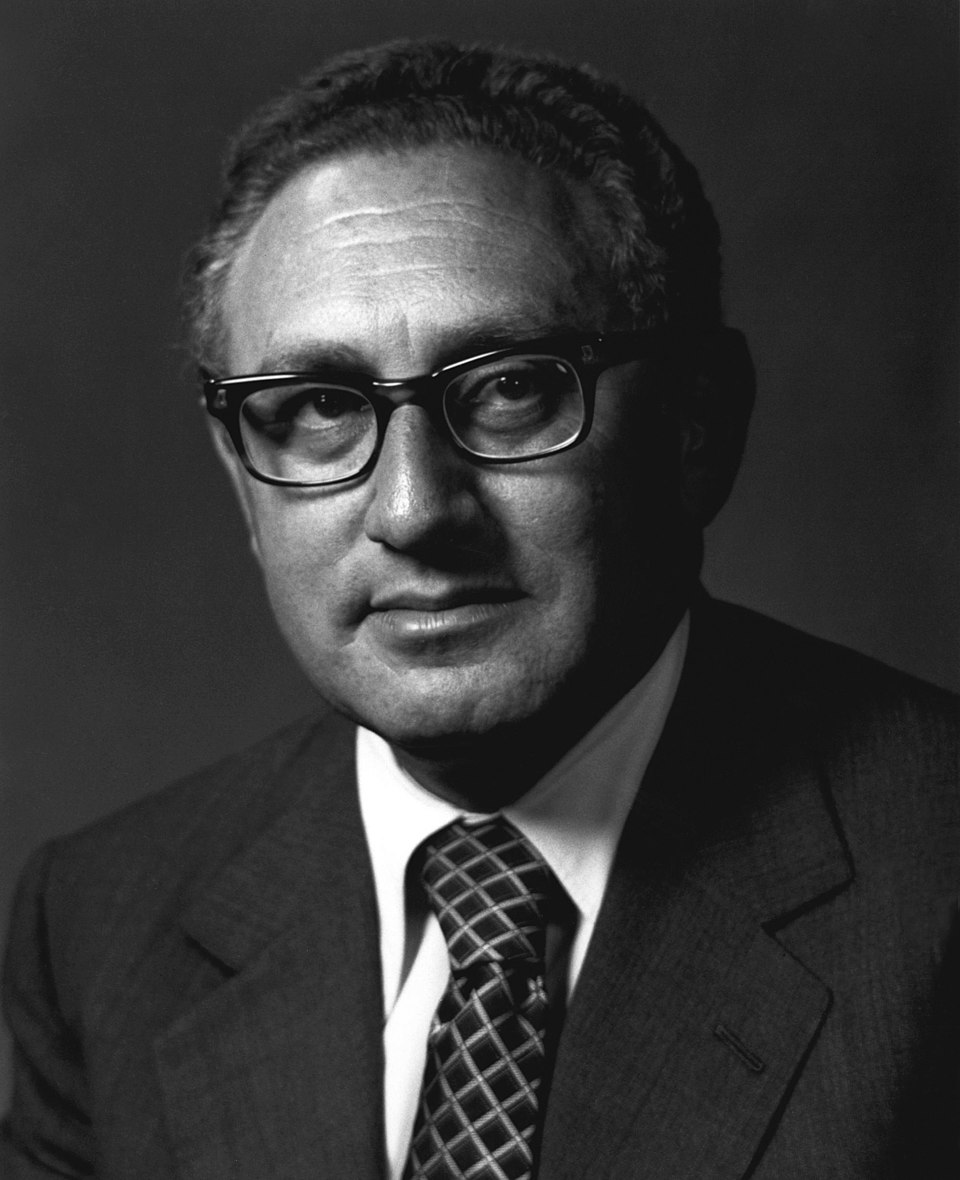
- Council on Foreign Relations InfluenceElite foreign policy think tank accused of steering U.S. policy behind closed doors for a century.Shared person: David RockefellerShared person: Henry Kissinger
- The New World OrderGlobal governance conspiracy theory meets real international cooperation — where does fear end and policy begin?Shared person: David RockefellerShared person: Henry Kissinger
- The Pentagon PapersSecret study exposed decades of government lies about Vietnam, sparking constitutional crisis over press freedom.Shared person: Henry Kissinger
- The Rockefeller Family's Hidden InfluenceA century of oil wealth, philanthropy, and allegations of global power networks behind American capitalism.Shared person: David Rockefeller
- 1990George H.W. Bush uses phrase 'New World Order' in speech to Congress regarding Gulf WarThe New World Order
- 1991Pat Robertson publishes 'The New World Order,' popularizing conspiracy theory in religious circlesThe New World Order
- 1992UN Conference on Environment and Development (Rio) advances global governance frameworksThe New World Order
- 199314 CFR members appointed to cabinet-level positions in Clinton administrationCouncil on Foreign Relations Influence
- 1974Nelson Rockefeller becomes 41st Vice President under Gerald FordThe Rockefeller Family's Hidden Influence
- 1973David Rockefeller co-founds Trilateral Commission with BrzezinskiThe Rockefeller Family's Hidden Influence
Live Discussion
0 Perspectives
Add to the record. Be specific. Cite where you can.
If you're learning about this topic for the first time, these are the best places to continue — documented evidence and historical relationships are the guide.
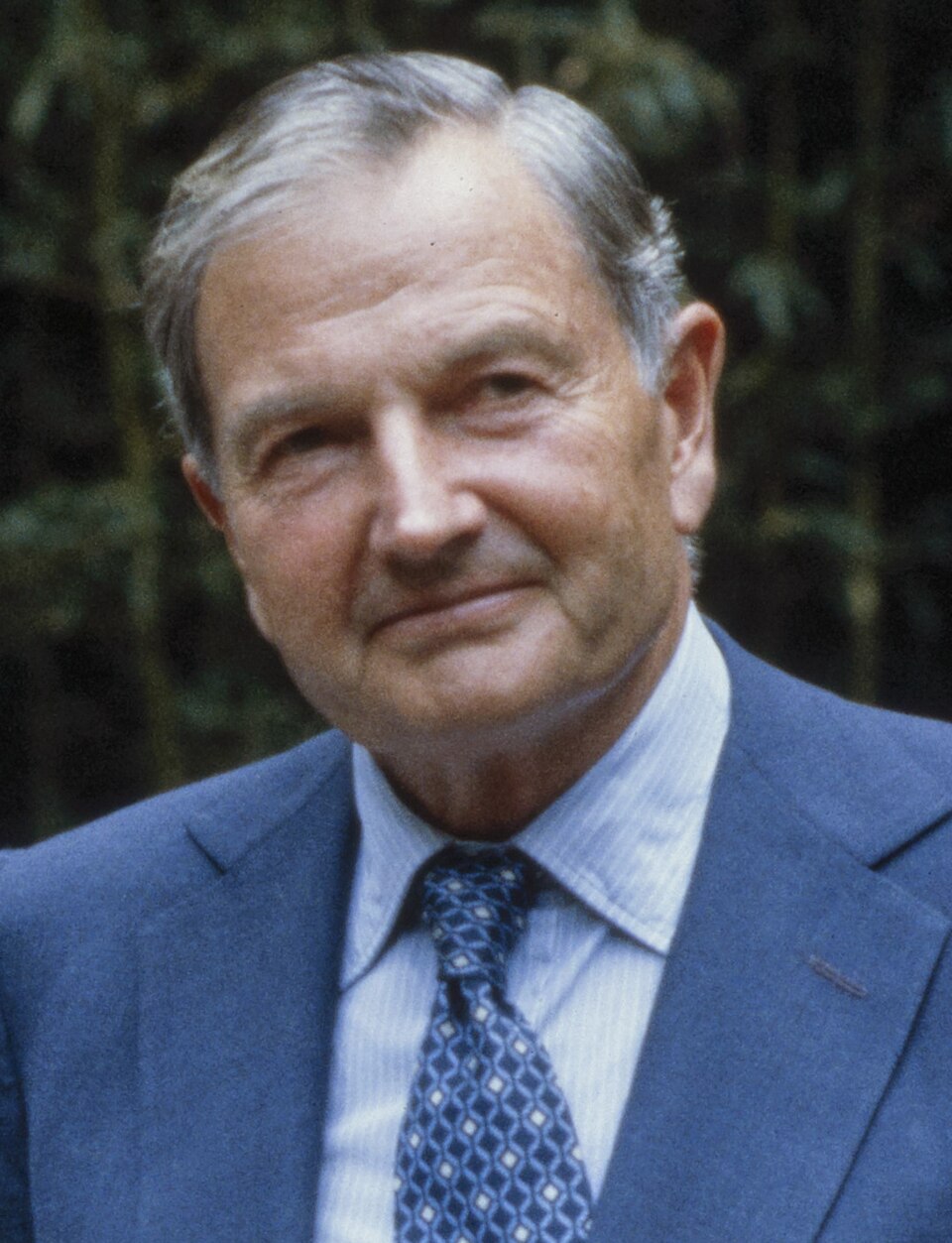
Named in “The Bilderberg Group Meetings” and 3 other published dossiers.
Shares 2 documented key players with “The Bilderberg Group Meetings”, including David Rockefeller.
Read more dossiers like this
Get a quiet one-line bulletin when new investigative files are published. Bound to this dossier — useful for tracking follow-ups.