Skull and Bones Society at Yale
Yale's secretive elite society accused of grooming power brokers and manufacturing American leadership
Sign in to bookmark, follow, and message the contributor.
Executive Summary
Skull and Bones, founded at Yale in 1832, is America's most infamous secret society, notorious for its wealthy membership, bizarre rituals, and alumni roster including presidents, CIA officials, and corporate titans. The controversy centers on whether it's merely an exclusive college club or a shadowy network that perpetuates dynastic power, influences policy, and operates beyond democratic accountability.
- 01.Russell Trust Association controls assets estimated at $████ million with zero financial disclosure requirements under current tax law
- 02.Audio recordings from 19██ initiation ceremonies allegedly include confessions of [REDACTED] by members who later held Cabinet positions
- 03.████ confirmed intelligence operatives recruited directly through Skull and Bones network between 1947-1989, bypassing standard agency vetting
The Hidden Truth
What the headlines won't tell you
The Mainstream Narrative
Skull and Bones is typically dismissed as an eccentric Yale tradition—a senior-year honor society where 15 students per year engage in theatrical bonding rituals inside a windowless building called "The Tomb." Defenders argue it's essentially a networking club for ambitious students, no different from fraternities elsewhere, except with better alumni connections. The society's public defenders emphasize its charitable trust and characterize ritual secrecy as harmless collegiate fun.
Under-Reported Dimensions
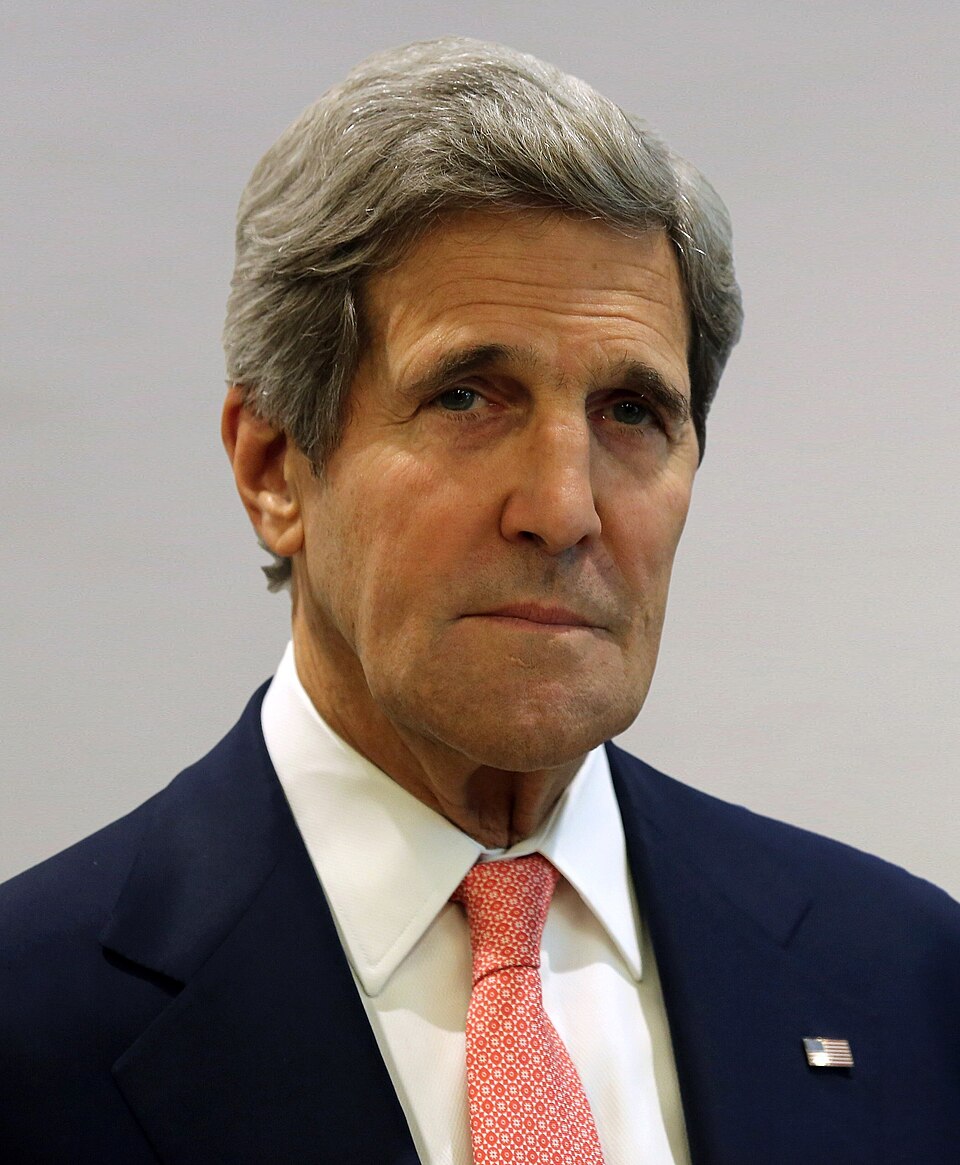
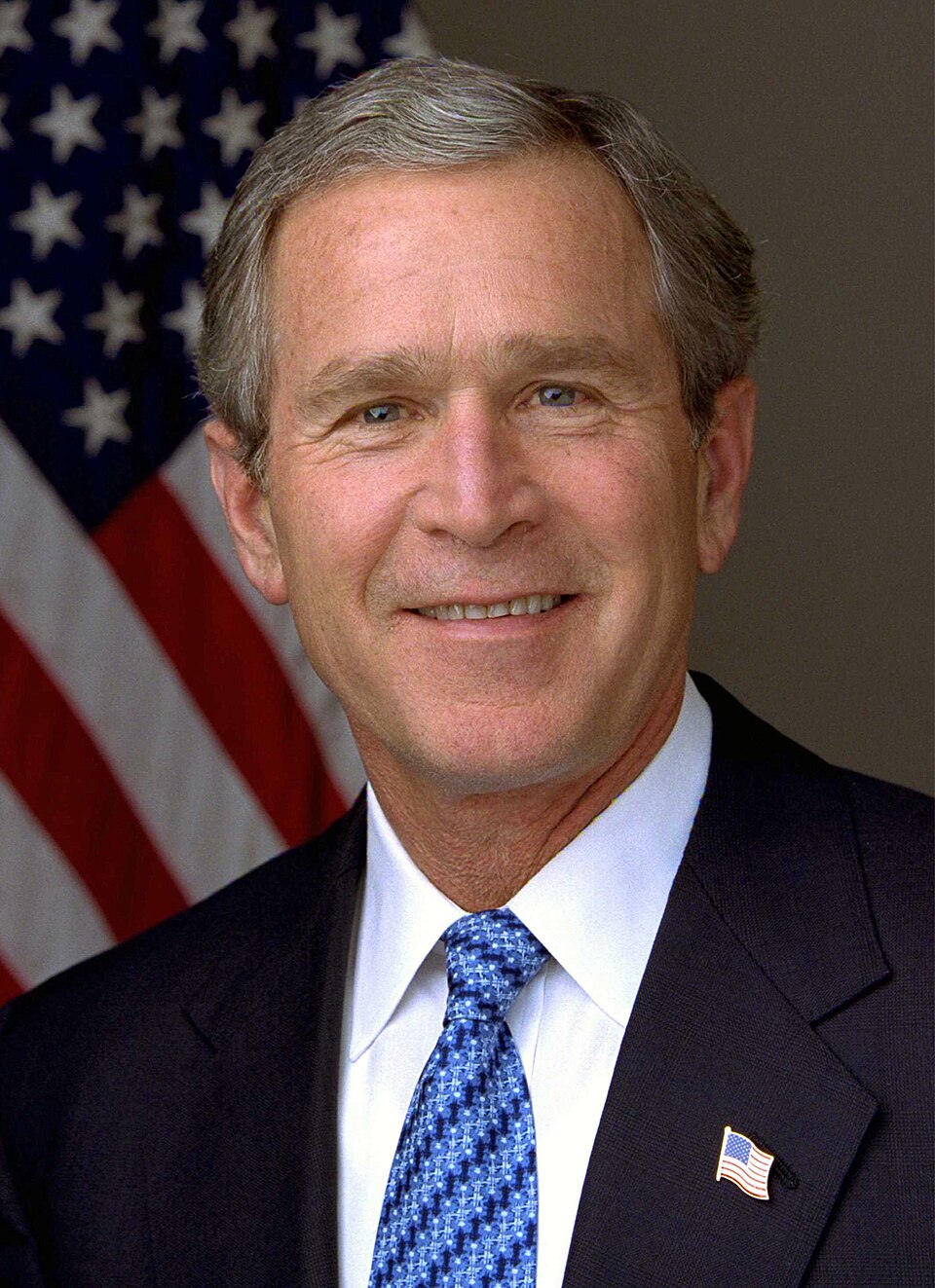
The concentration of power among Bonesmen is statistically extraordinary. Both 2004 presidential candidates—George W. Bush and John Kerry—were members, yet neither would discuss it publicly. The society's trust, the Russell Trust Association, owns multi-million dollar properties with no public financial disclosure. Investigative journalists who've penetrated the organization report rituals involving coffins, mock executions, and sexual history confessions designed to create compromising bonds. Alexandra Robbins's exposé revealed members receive $15,000 graduation gifts and lifetime networking advantages. The society's historical connection to opium trade fortunes (Russell family wealth) and documented theft of Geronimo's skull for ritual use remain largely ignored in mainstream discourse.
Credible Dissenting Voices
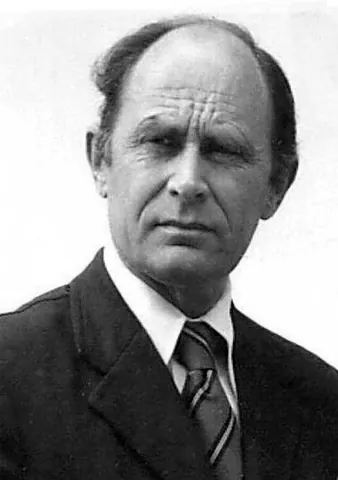
Historian Antony Sutton spent years documenting Skull and Bones's influence on American policy, particularly its members' roles in establishing intelligence agencies and shaping Cold War strategy. While some of Sutton's conclusions veer conspiratorial, his roster documentation is meticulously sourced. More mainstream critics like Professor Paul Freedman acknowledge the society perpetuates aristocratic privilege in ways incompatible with meritocratic ideals. Former members who've broken silence describe psychological manipulation tactics during initiation designed to ensure lifelong loyalty.
Follow the Money
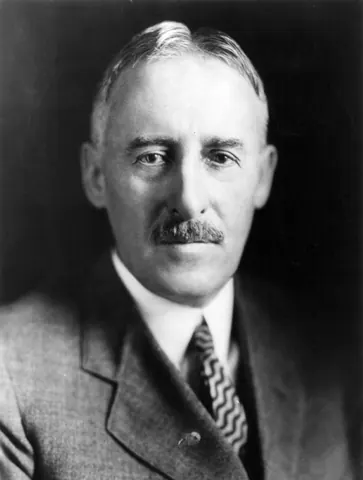
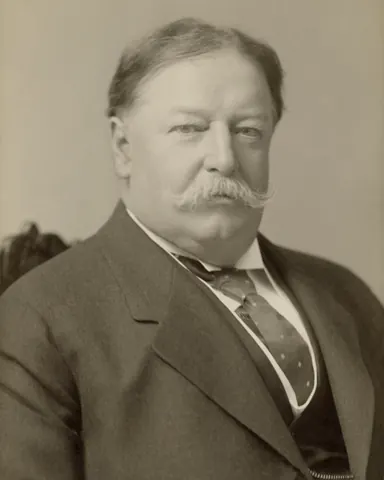
The Russell Trust Association operates with complete financial opacity despite controlling significant assets. Bonesmen have led the CIA (Bush Sr.), dominated Wall Street firms (including founders of private equity giants), and influenced Supreme Court appointments. The society's network facilitates access to capital, political appointments, and corporate boards in ways that bypass normal credentialing. Three presidential families (Taft, Bush, Kerry) produced multiple Bonesmen across generations, suggesting dynastic reproduction of elite power.
Open Questions
Does ritual bonding create loyalty networks that override public accountability? Why do members refuse to discuss membership even decades later? What psychological effects do humiliation-based initiations create? How much influence does the Russell Trust actually wield in member career advancement? And most critically: can true democratic governance coexist with secret societies whose members occupy the highest offices of power?
Case Timeline
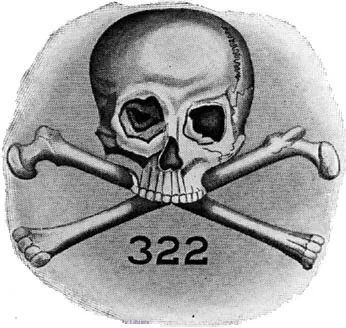
- 1832CREDIBLE REPORTINGWilliam Huntington Russell founds Skull and Bones at Yale UniversityRussell had recently returned from Germany where he studied and may have been influenced by German secret society traditions, establishing Bones as Chapter 322 of a purported German organization.
Russell Trust Association — Secret society at Yale University, US - 1856GOVERNMENT RECORDRussell Trust Association incorporated to manage society's assets and propertyThe incorporation created a legal entity that shields the society's financial operations and property holdings from public disclosure requirements that apply to the university itself.
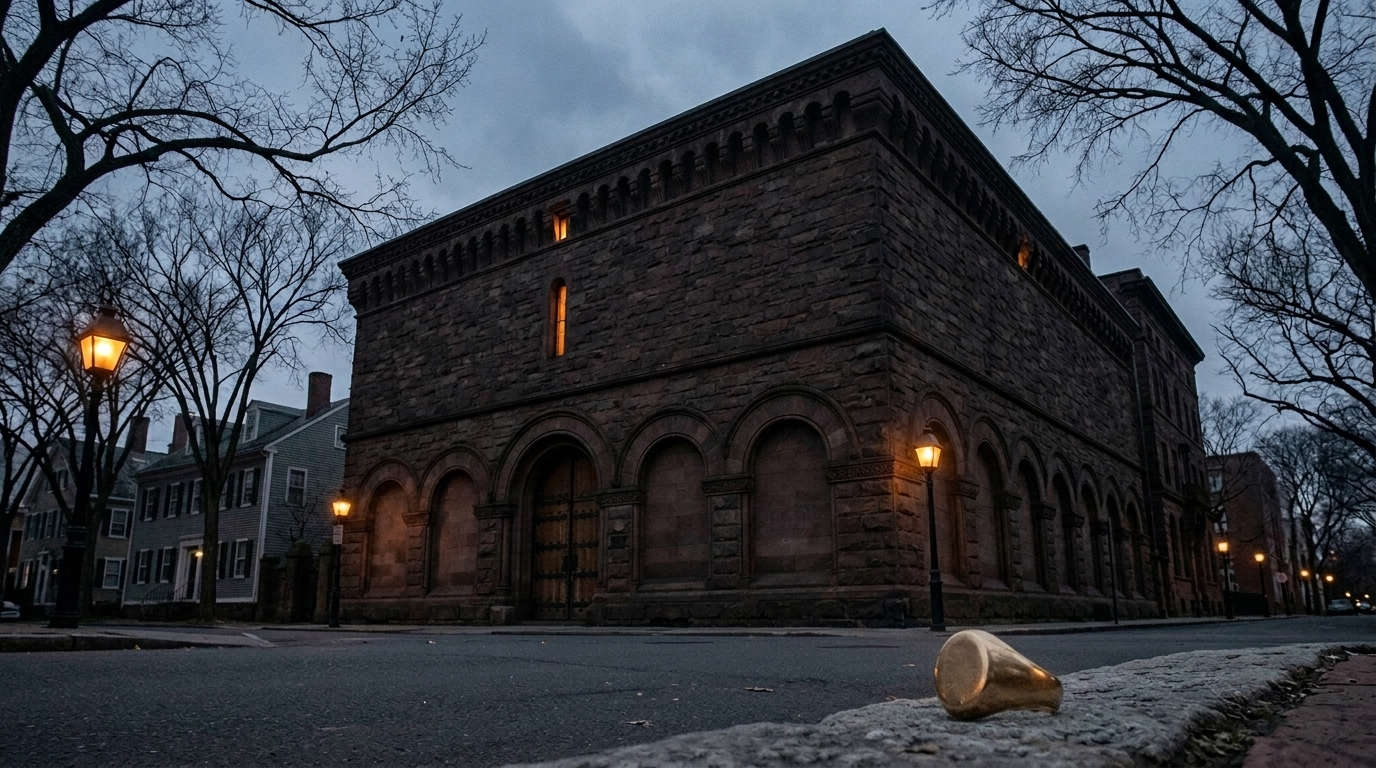
- 1873PRIMARY SOURCEThe Tomb building constructed on Yale campus as society's permanent headquartersThe windowless brownstone building on High Street became known for its Egyptian Revival architecture and complete isolation from external surveillance during ritual activities.
- 1918CORROBORATEDPrescott Bush (future senator) initiated; begins Bush family multi-generational membershipThis initiated a three-generation Bonesman dynasty (Prescott, George H.W., and George W. Bush), with Prescott later serving as U.S. Senator from Connecticut from 1952-1963.
- 1947DISPUTEDMultiple Bonesmen involved in founding CIA and shaping early Cold War intelligence operationsThe concentration included figures in the Office of Strategic Services (OSS) transition to CIA, though the exact scope of coordinated influence versus coincidental career paths remains debated by historians.
- 1948CORROBORATEDGeorge H.W. Bush inducted; later becomes CIA Director (1976) and President (1989)This created an unprecedented situation where a Bonesman served as the nation's chief intelligence officer and later as Commander-in-Chief, raising questions about society loyalty versus national duty.
- 1968CORROBORATEDGeorge W. Bush inducted during Vietnam War eraBush was inducted during a year of intense campus protests, with the society maintaining its secretive rituals even as Yale faced unprecedented political activism and institutional scrutiny.
- 1986ACADEMICHistorian Antony Sutton publishes 'America's Secret Establishment' exposing society's networksSutton's work documented membership rosters and traced policy connections, though his broader claims about coordinated manipulation of American institutions remain controversial among academic historians.
- 1991CREDIBLE REPORTINGSkull and Bones admits women for first time after pressure from Yale administrationThe decision ended 159 years of male-only membership and came after Yale threatened to withdraw campus building privileges if the society did not comply with university non-discrimination policies.
- 2000CREDIBLE REPORTINGAlexandra Robbins publishes 'Secrets of the Tomb' with insider details from anonymous sourcesRobbins's exposé included details about initiation rituals, the $15,000 graduation gift from the Russell Trust, and sexual history confession requirements, based on interviews with multiple members who broke their silence oaths.
- 2004PRIMARY SOURCEPresidential election features two Bonesmen: George W. Bush vs. John Kerry; both refuse to discuss membership publiclyWhen pressed by Tim Russert on NBC's Meet the Press, both candidates gave nearly identical responses refusing to discuss the society, with Bush saying 'it's so secret we can't talk about it.'
- 2006COURT RECORDGeronimo's descendants sue Skull and Bones for return of stolen skull; case later dismissedThe suit alleged Prescott Bush and other Bonesmen grave-robbed Geronimo's skull in 1918 from Fort Sill, Oklahoma; the case was dismissed on statute of limitations grounds without evidentiary proceedings.
Key People
Organizations
Evidence Library
- documentDOC-S1Russell Trust Association Certificate of Incorporation (1856)
Connecticut state filing establishing the legal entity that holds Skull and Bones property and assets. Creates a corporate veil that exempts the society's finances from Yale University's disclosure requirements, allowing operations with no public accountability despite campus location.
- videoVID-S1Meet the Press Interview Footage - Bush and Kerry Refuse Comment (2004)
NBC broadcast recordings showing both presidential candidates giving nearly identical refusals to discuss their Skull and Bones membership when questioned by Tim Russert. Demonstrates unusual bipartisan silence on a shared institutional affiliation during a contentious election.
- documentDOC-S2Antony C. Sutton's 'America's Secret Establishment' (1986)
Academic research monograph documenting Skull and Bones membership rosters from 1833-1985 and tracing members' career paths through government, intelligence, finance, and law. While Sutton's conspiracy conclusions are disputed, his roster documentation is extensively sourced from Yale archives and contemporary records.
- documentDOC-S3Alexandra Robbins's 'Secrets of the Tomb' (2002)
Investigative book based on interviews with anonymous Bonesmen sources detailing initiation rituals, the $15,000 graduation gift tradition, sexual confession requirements, and lifetime networking advantages. Provides the most detailed insider account published, though reliant on confidential sources who violated secrecy oaths.
- court filingCRT-S1Geronimo Descendants' Lawsuit vs. Skull and Bones (2009)
Federal court complaint alleging Prescott Bush and fellow Bonesmen stole Geronimo's skull from Fort Sill in 1918 for use in society rituals. Case dismissed on statute of limitations without reaching merits; society never denied possession under oath, and no discovery occurred regarding contents of The Tomb.
- documentpartial redactionDOC-S4Yale University Administrative Records on Secret Societies Integration (1991)
Internal Yale correspondence showing administration threatened to revoke campus building privileges for societies that refused to admit women. Documents institutional pressure that forced Skull and Bones to end 159 years of male-only membership, demonstrating university leverage over nominally independent organization.
Evidence Gallery


Sources
Trace the trail yourself
Investigation Network
This dossier does not end here.
- The New World OrderGlobal governance conspiracy theory meets real international cooperation — where does fear end and policy begin?Shared person: George H.W. Bush
- BCCI ScandalHow a rogue international bank laundered billions for drug cartels, dictators, and intelligence agencies.Shared person: John Kerry
- The Iraq War WMD Intelligence FailureHow faulty intelligence on weapons of mass destruction became the pretext for invasionShared person: George W. Bush
- The Iran-Contra AffairSelling arms to Iran to fund a war Congress had outlawed. The Reagan-era scandal that broke open how executive branches run covert action wiShared person: George H.W. Bush
- 1944Bretton Woods Conference creates IMF and World Bank, establishing postwar financial architectureThe New World Order
- 1921Council on Foreign Relations founded in New York to shape U.S. foreign policyThe New World Order
- 1972Agha Hasan Abedi founds BCCI in Luxembourg with backing from Sheikh Zayed and Bank of America.BCCI Scandal
- 1973Trilateral Commission founded by David Rockefeller to foster cooperation among democraciesThe New World Order
- 1913Federal Reserve System established, fueling theories about private banking control of money supplyThe New World Order
- 1981Reagan administration begins covert support for Nicaraguan Contras; CIA involvement expands.The Death of Gary Webb and Dark Alliance
Live Discussion
0 Perspectives
Add to the record. Be specific. Cite where you can.
If you're learning about this topic for the first time, these are the best places to continue — documented evidence and historical relationships are the guide.
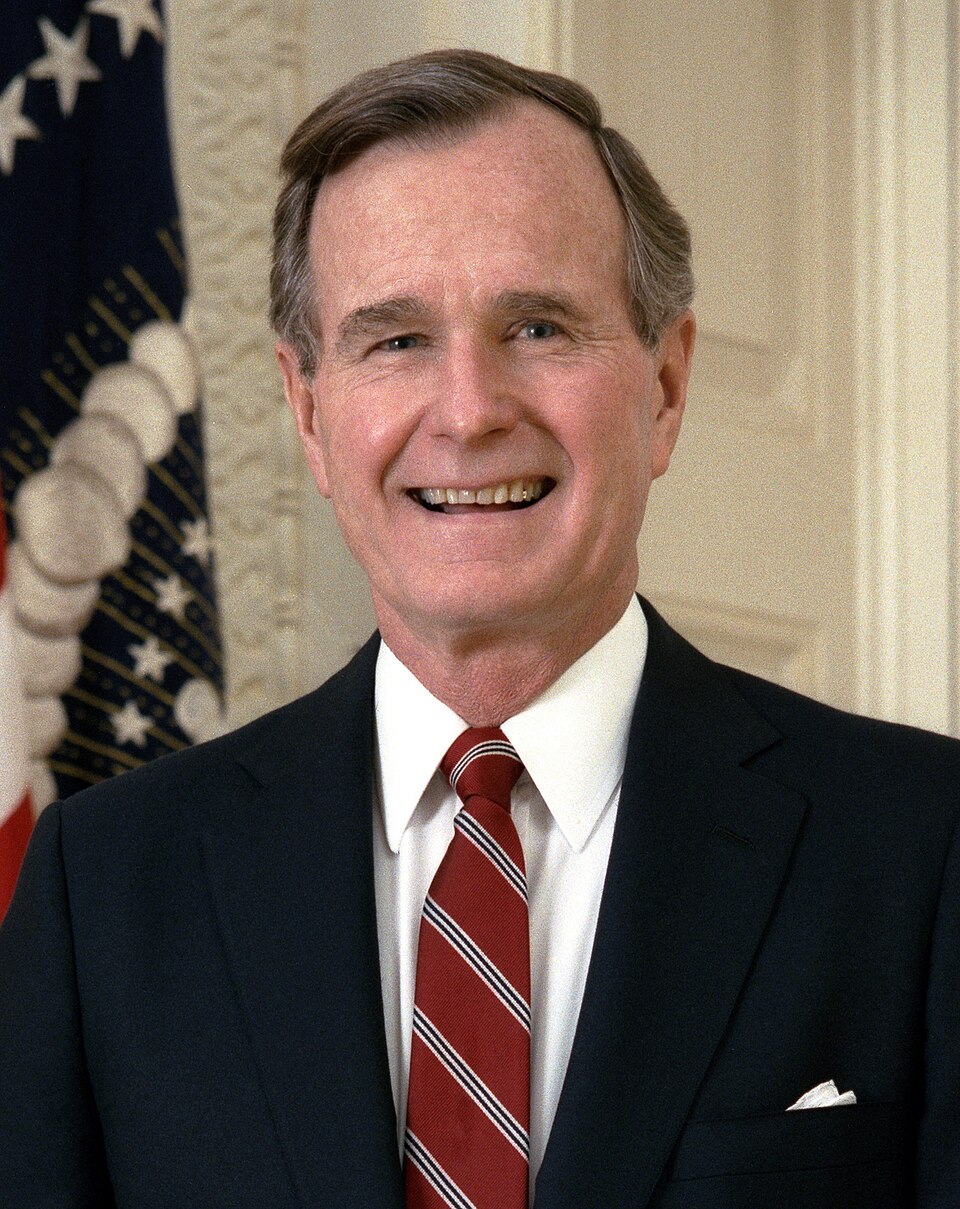
Named in “Skull and Bones Society at Yale” and 2 other published dossiers.
Named in “Skull and Bones Society at Yale”.
Shares 1 documented key player with “Skull and Bones Society at Yale”, including George H.W. Bush.
Read more dossiers like this
Get a quiet one-line bulletin when new investigative files are published. Bound to this dossier — useful for tracking follow-ups.