The Pentagon Papers
Secret study exposed decades of government lies about Vietnam, sparking constitutional crisis over press freedom.
Sign in to bookmark, follow, and message the contributor.
Executive Summary
The Pentagon Papers were a classified Department of Defense study leaked in 1971 revealing systematic deception by multiple administrations about U.S. involvement in Vietnam. The leak by Daniel Ellsberg triggered a landmark Supreme Court case on prior restraint and ignited debate over government secrecy versus the public's right to know. The controversy centers on whether the leak was heroic whistleblowing or a dangerous breach of national security.
- 01.Four successive administrations systematically lied to Congress and the public about the scope and success of operations in Southeast Asia.
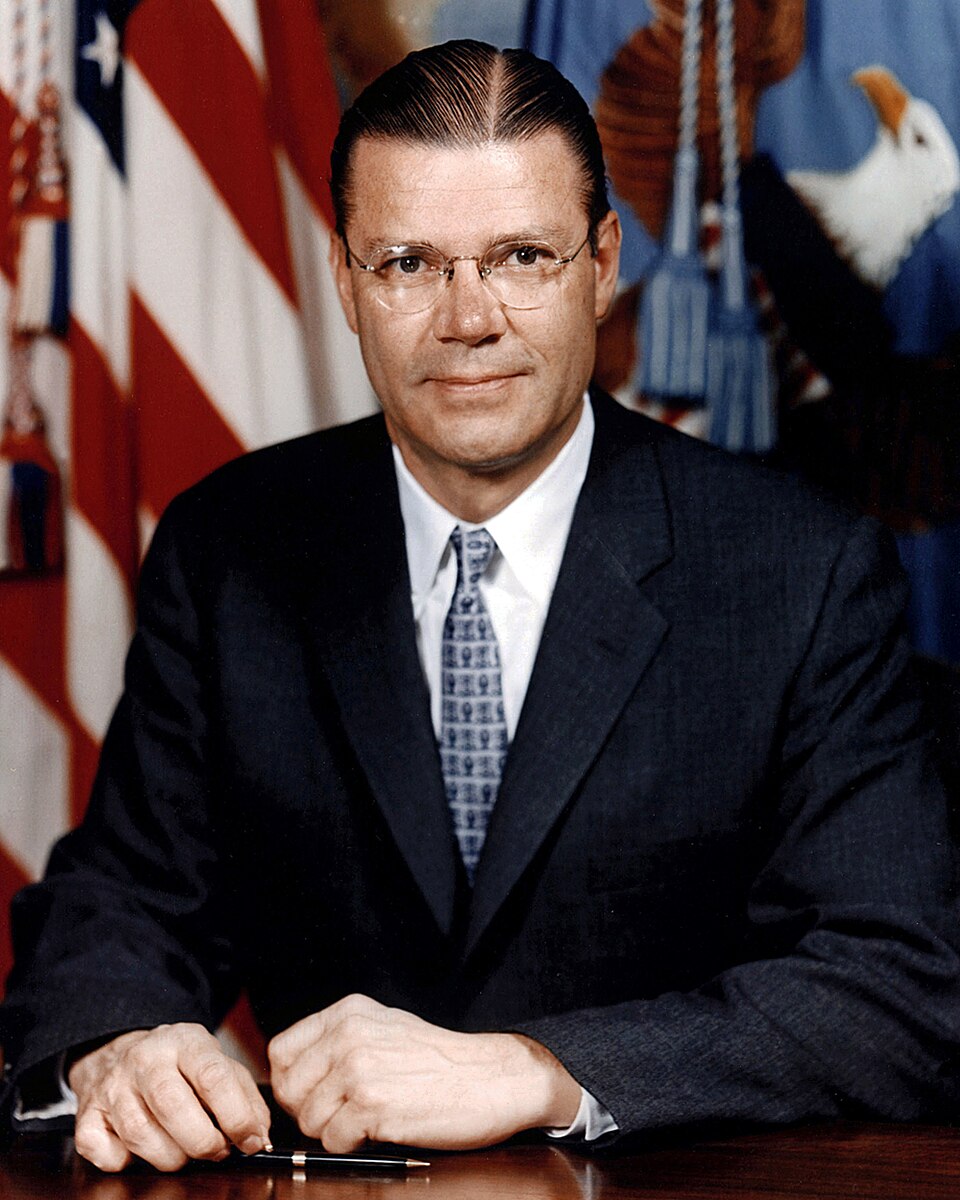
- 02.McNamara commissioned the study believing Kennedy and Johnson's Vietnam policy (which he helped architect) was fundamentally flawed and needed documentation before memory faded.
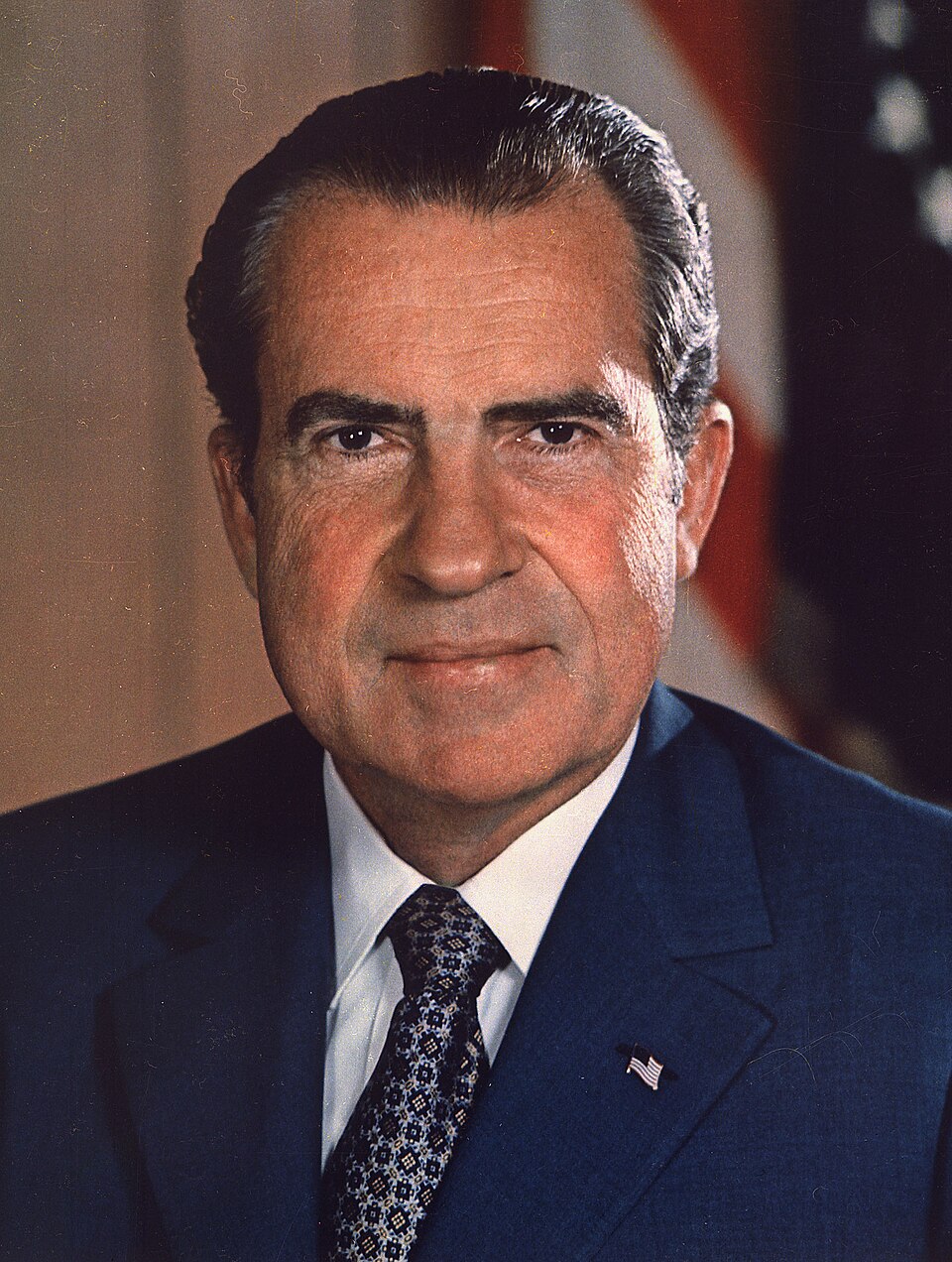
- 03.Nixon's primary concern was not the Vietnam content but preventing leaks of his secret bombing campaigns in Cambodia and ongoing negotiations with China.
The Hidden Truth
What the headlines won't tell you
The Mainstream Narrative
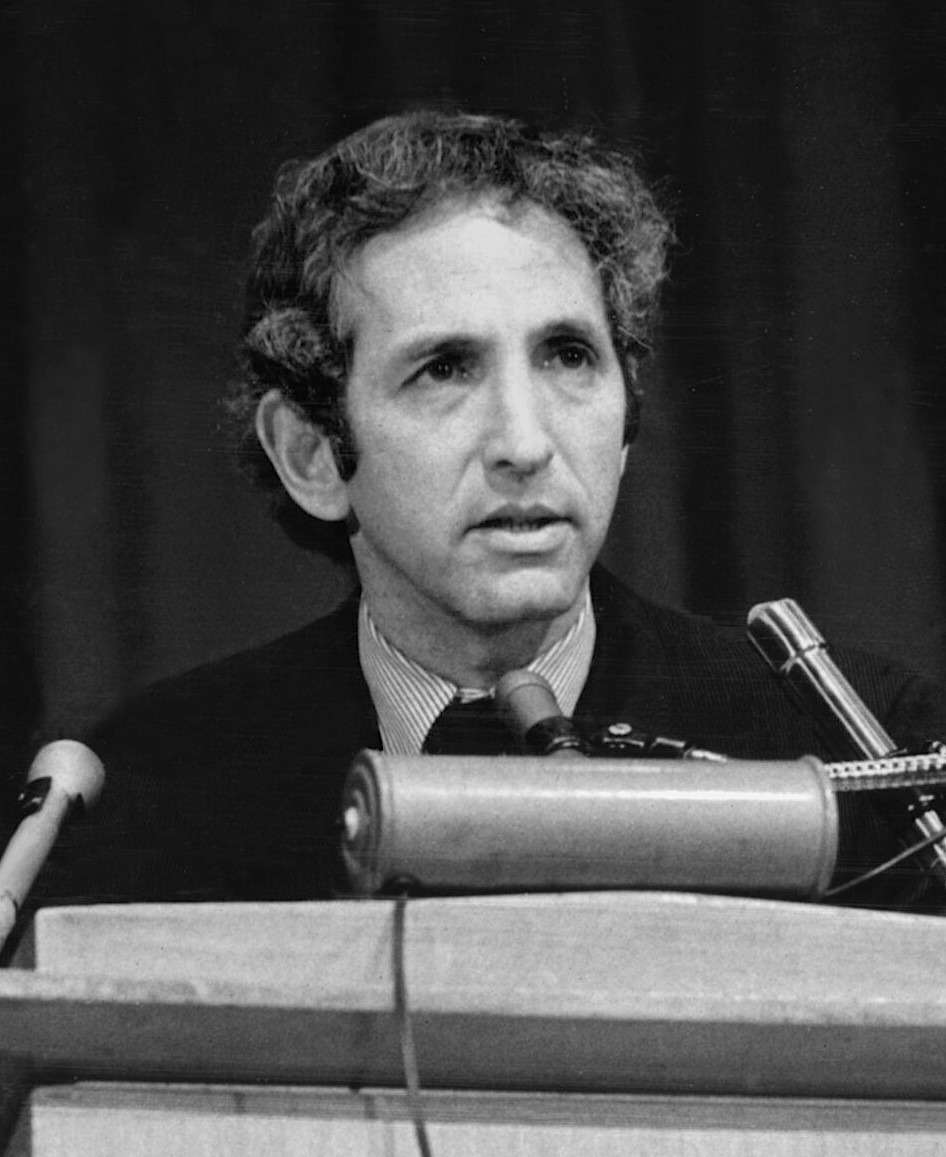
The standard story presents the Pentagon Papers as a clear-cut case of heroic whistleblowing: Daniel Ellsberg, a RAND Corporation analyst and former Marine, leaked the 7,000-page classified study to The New York Times and Washington Post in 1971, exposing decades of lies about Vietnam. The Nixon administration's attempt to suppress publication failed in a Supreme Court decision affirming press freedom, and Ellsberg became an icon of conscience over complicity.
Under-Reported Dimensions
What receives less attention is the internal complexity of Ellsberg's decision and the government's actual security concerns. The study itself was commissioned by Defense Secretary Robert McNamara in 1967 as an internal reckoning—a rare moment of institutional self-examination that would have eventually been declassified. Ellsberg initially leaked only the study covering 1945-1968, deliberately withholding volumes on peace negotiations to avoid jeopardizing active diplomacy. The Nixon administration's most sensitive concern wasn't the historical material but the precedent: if this leak went unpunished, what would prevent leaks of genuinely operational intelligence?
The prosecution's collapse after revelation of the "White House Plumbers" burglary of Ellsberg's psychiatrist's office has overshadowed legitimate questions about unauthorized disclosure. Ellsberg himself has acknowledged in later interviews that he struggled with the decision and consulted extensively before acting. Several co-workers with equal access chose not to leak, viewing the material as properly classified during wartime.
Credible Dissenting Voices
Some national security professionals argue the Papers case established a dangerous precedent that individuals can unilaterally declassify based on personal judgment. Former NSA and CIA Director Michael Hayden has noted that while the Papers revealed no active operations, the normalization of "conscience-based leaking" has been invoked by subsequent leakers whose disclosures did compromise sources and methods. Legal scholars like Geoffrey Stone acknowledge the Papers were historically important but note the Court's decision was narrow—it rejected prior restraint, not all prosecution of leakers.
Follow the Money
The Papers fundamentally embarrassed the national security establishment and empowered investigative journalism. The classification system itself became suspect: if documents could remain classified purely to hide political embarrassment rather than protect genuine secrets, the entire apparatus lost credibility. This arguably contributed to both the Church Committee investigations of intelligence abuses and the subsequent over-classification epidemic as agencies became more defensive.
Open Questions
Would the content have mattered without Nixon's overreaction? The Papers covered decisions already years past; their impact came partly from the attempted suppression. How should democracies balance operational security with accountability for past deceptions? The debate continues with each new leaker—Manning, Snowden, Winner—who claims the Ellsberg precedent.
Case Timeline
- 1967GOVERNMENT RECORDDefense Secretary McNamara orders comprehensive study of U.S. political-military involvement in Vietnam 1945-1967McNamara later stated he commissioned the study as an act of institutional self-examination while still serving, intending it as a historical record rather than immediate policy guidance.
- 1969PRIMARY SOURCE47-volume, 7,000-page study completed by team of 36 analysts; immediately classified Top Secret-SensitiveThe study revealed systematic deception across four administrations (Truman, Eisenhower, Kennedy, Johnson) but excluded the Nixon administration's ongoing Vietnam policy.
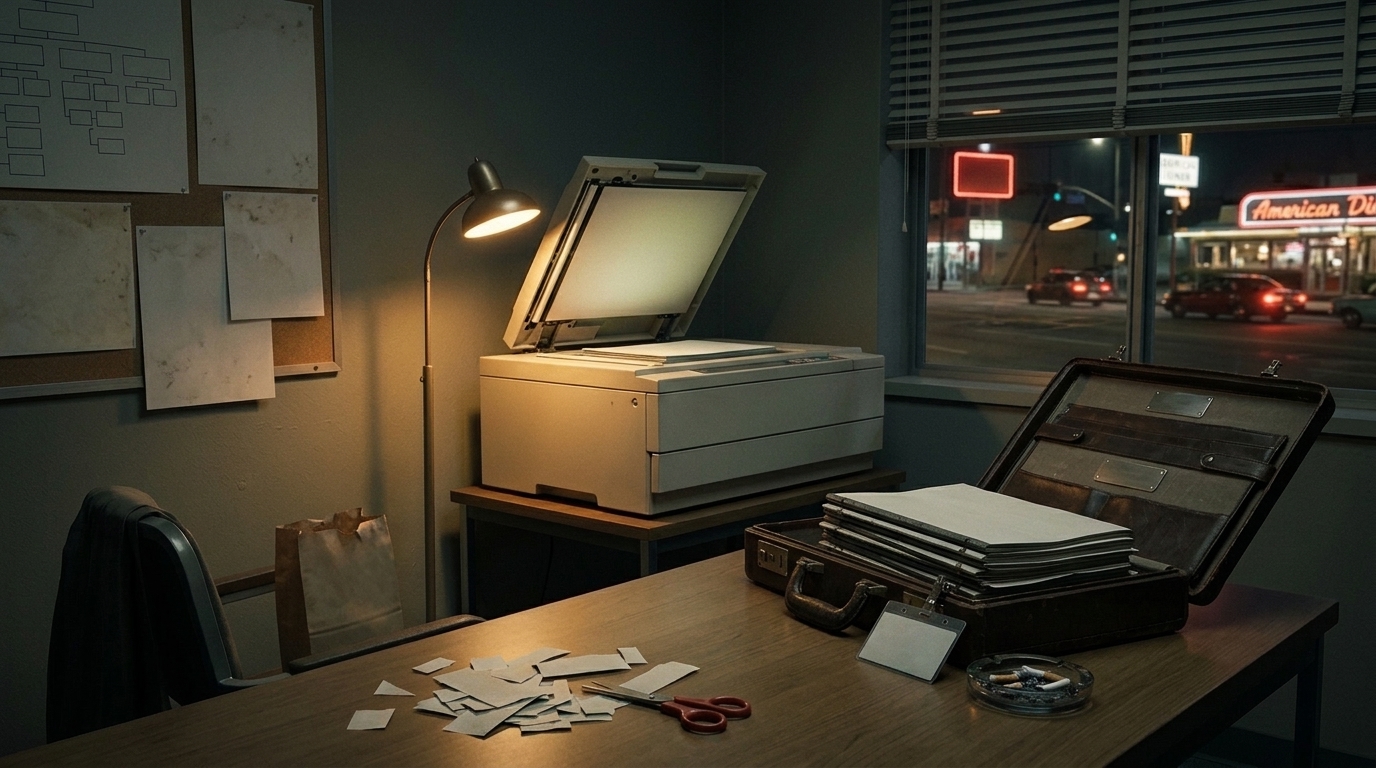
- 1969CORROBORATEDDaniel Ellsberg, RAND Corporation analyst with access, begins secretly photocopying the studyEllsberg worked with Anthony Russo to photocopy the documents over several months, initially considering multiple disclosure pathways before settling on press release.
- 1971-03CORROBORATEDEllsberg approaches U.S. senators to release Papers through Congress; they declineEllsberg approached Senators William Fulbright and George McGovern among others, hoping Congressional immunity would provide legal protection for disclosure that press publication would not.
- 1971-06-13COURT RECORDNew York Times begins publishing excerpts; Nixon administration obtains restraining order after three articlesThe Nixon administration sought the restraining order despite the Papers covering only previous administrations, fearing precedent for leaks of current diplomatic initiatives including active peace negotiations.
- 1971-06-18CORROBORATEDWashington Post begins publishing; also restrained, creating constitutional crisisThe Post obtained copies separately after Times restraint; ultimately 17 newspapers would publish portions, making suppression practically impossible.
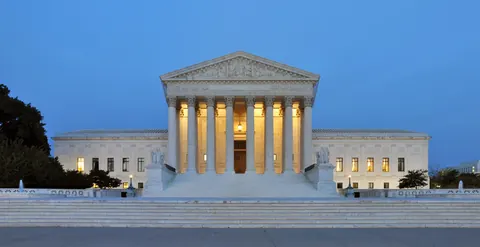
- 1971-06-30COURT RECORDSupreme Court rules 6-3 in New York Times Co. v. United States that prior restraint violated First AmendmentThe per curiam decision was brief and unsigned, with six separate concurring opinions and three dissents reflecting deep divisions on national security versus press freedom.
- 1971-09GOVERNMENT RECORDWhite House 'Plumbers' unit burglarizes office of Ellsberg's psychiatrist seeking damaging informationThe break-in at Dr. Lewis Fielding's office sought psychiatric records to discredit Ellsberg publicly, part of broader Nixon administration efforts to stop leaks through extra-legal means.
- 1973COURT RECORDCharges against Ellsberg dismissed due to government misconduct including illegal wiretapping and burglaryJudge William Matthew Byrne Jr. dismissed all charges with prejudice after prosecutors revealed government misconduct, including offers to Byrne himself of the FBI directorship during trial.
- 2011GOVERNMENT RECORDComplete Pentagon Papers officially declassified and released by National ArchivesThe declassification came 40 years after leak and included all 47 volumes totaling approximately 7,000 pages, confirming the accuracy of previously leaked portions.
Key People
Organizations
Evidence Library
- documentDOC-PP1United States-Vietnam Relations, 1945-1967: A Study Prepared by the Department of Defense (The Pentagon Papers)
The complete 47-volume classified study revealing systematic governmental deception about Vietnam War escalation, prospects for success, and casualty projections across four administrations. Declassified version confirms the leaked excerpts' accuracy and remains the primary source documenting decision-making processes.
- court filingDOC-PP2New York Times Co. v. United States, 403 U.S. 713 (1971)
Supreme Court per curiam decision with nine separate opinions rejecting prior restraint of publication. The 6-3 ruling established that government bears heavy burden of proof to justify prepublication censorship, becoming landmark First Amendment precedent despite justices' disagreement on rationale.
- court filingDOC-PP3United States v. Russo and Ellsberg Case Dismissal Order (1973)
Judge Byrne's dismissal with prejudice citing "improper government conduct shielded so long from public view" including warrantless wiretapping, the Fielding break-in, and ex parte contact with the judge. The dismissal prevented retrial and ended prosecution despite defendants' admissions of copying classified material.
- documentpartial redactionDOC-PP4White House Plumbers Internal Memoranda and Activity Logs
Records of the Special Investigations Unit created after Pentagon Papers leak, documenting the September 1971 Fielding break-in and other operations. These documents proved government misconduct that led to Ellsberg trial dismissal and contributed to Watergate investigation.
- testimonyDOC-PP5Daniel Ellsberg Congressional Testimony and Memoir Accounts
Ellsberg's sworn testimony and published memoir 'Secrets' (2002) detail his decision-making process, consultation with colleagues, deliberate withholding of volumes on active peace negotiations, and acknowledgment of the legal and ethical complexities. Provides first-person account of motivations and methods.
- dataDOC-PP6Vietnam War U.S. Military Fatal Casualty Statistics (National Archives)
Official Defense Department records showing 58,220 American military deaths in Vietnam, with casualty rates during 1968-1971 period when Papers were leaked. Provides context for public opposition and urgency Ellsberg cited for disclosure during ongoing conflict.
Evidence Gallery


Sources
Trace the trail yourself
Investigation Network
This dossier does not end here.
- The Bilderberg Group MeetingsElite annual summit where political and corporate power brokers meet behind closed doors with no minutesShared person: Henry Kissinger
- The Bohemian Grove GatheringsElite men's retreat in California redwoods sparks decades of speculation about power and secrecy.Shared person: Richard Nixon
- Council on Foreign Relations InfluenceElite foreign policy think tank accused of steering U.S. policy behind closed doors for a century.Shared person: Henry Kissinger
- The Gulf of Tonkin IncidentThe August 4, 1964 attack that escalated U.S. involvement in Vietnam never happened — declassified NSA cables prove it. What's still debatedShared person: Daniel Ellsberg
- 1976Prince Bernhard resigns as chair after Lockheed bribery scandal exposedThe Bilderberg Group Meetings
- 1973Energy crisis discussed weeks before OPEC embargo; oil executives and government officials presentThe Bilderberg Group Meetings
- 1973Trilateral Commission founded by David Rockefeller to foster cooperation among democraciesThe New World Order
- June 1971Daniel Ellsberg leaks the Pentagon Papers to the New York Times; documents show pre-planned escalation posture.The Gulf of Tonkin Incident
- Jan 1971Congress repeals the Gulf of Tonkin Resolution as part of the Foreign Military Sales Act.The Gulf of Tonkin Incident
- 1967Nixon and Reagan reportedly discuss political future and 1968 presidential arrangements at encampment.The Bohemian Grove Gatherings
Live Discussion
0 Perspectives
Add to the record. Be specific. Cite where you can.
If you're learning about this topic for the first time, these are the best places to continue — documented evidence and historical relationships are the guide.
Named in “The Pentagon Papers” and 3 other published dossiers.
Named in “The Pentagon Papers”.
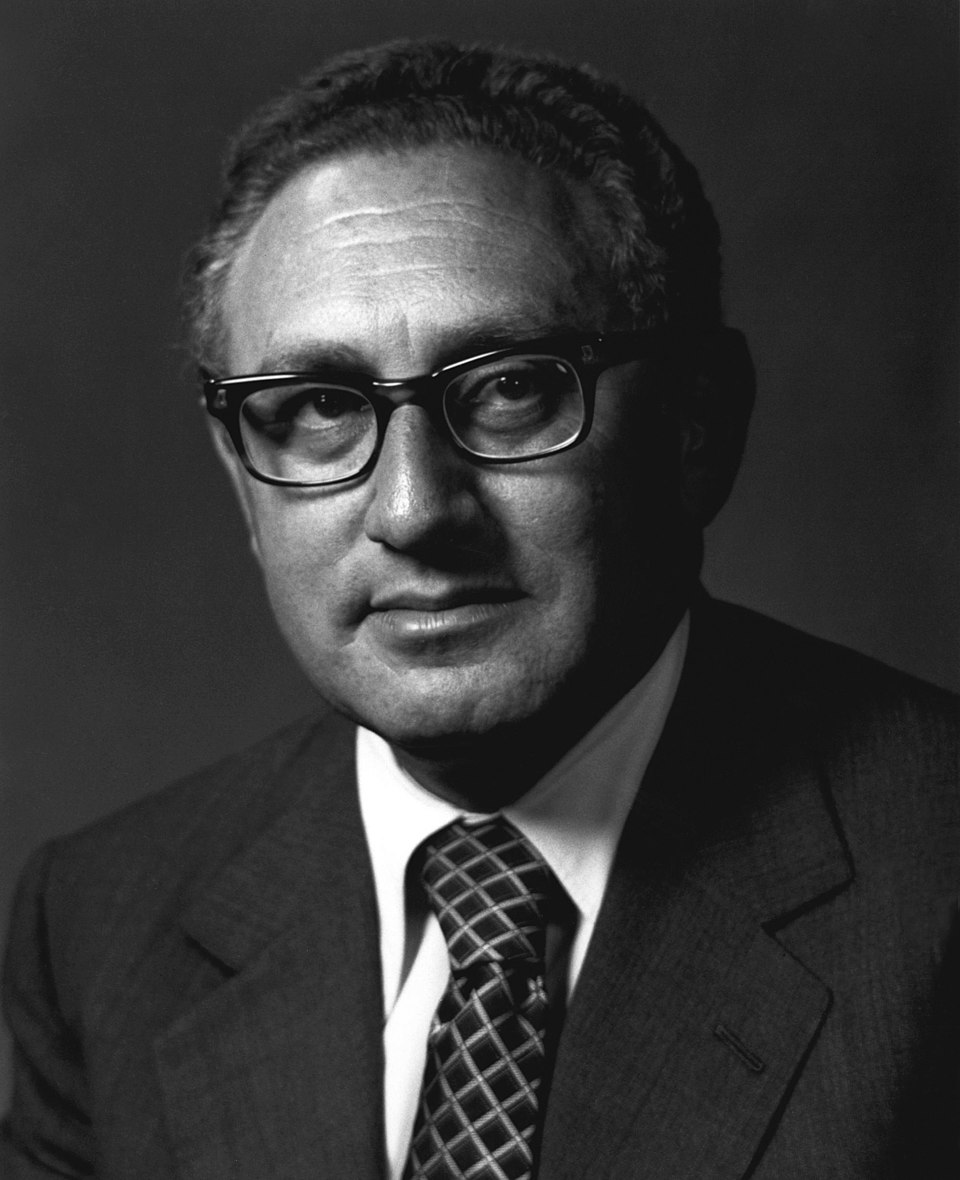
Shares 1 documented key player with “The Pentagon Papers”, including Henry Kissinger.
Read more dossiers like this
Get a quiet one-line bulletin when new investigative files are published. Bound to this dossier — useful for tracking follow-ups.