Operation Mockingbird
CIA's alleged Cold War program to influence American media and shape public opinion domestically
Sign in to bookmark, follow, and message the contributor.
Executive Summary
Operation Mockingbird refers to alleged CIA efforts beginning in the 1950s to recruit American journalists and media organizations to influence domestic and foreign news coverage. While some documented CIA-media relationships exist, the full scope, codename authenticity, and whether it constituted a formal 'operation' remain debated among historians and intelligence experts.
- 01.Over 400 American journalists maintained covert relationships with CIA during Cold War per internal agency count, 1977.
- 02.Agency assets held editorial positions at every major American news organization by 1953; foreign news desks priority targets.
- 03.Congressional oversight post-1976 reportedly reduced direct journalist recruitment but non-official cover officer media placement continues.
The Hidden Truth
What the headlines won't tell you
The Mainstream Narrative
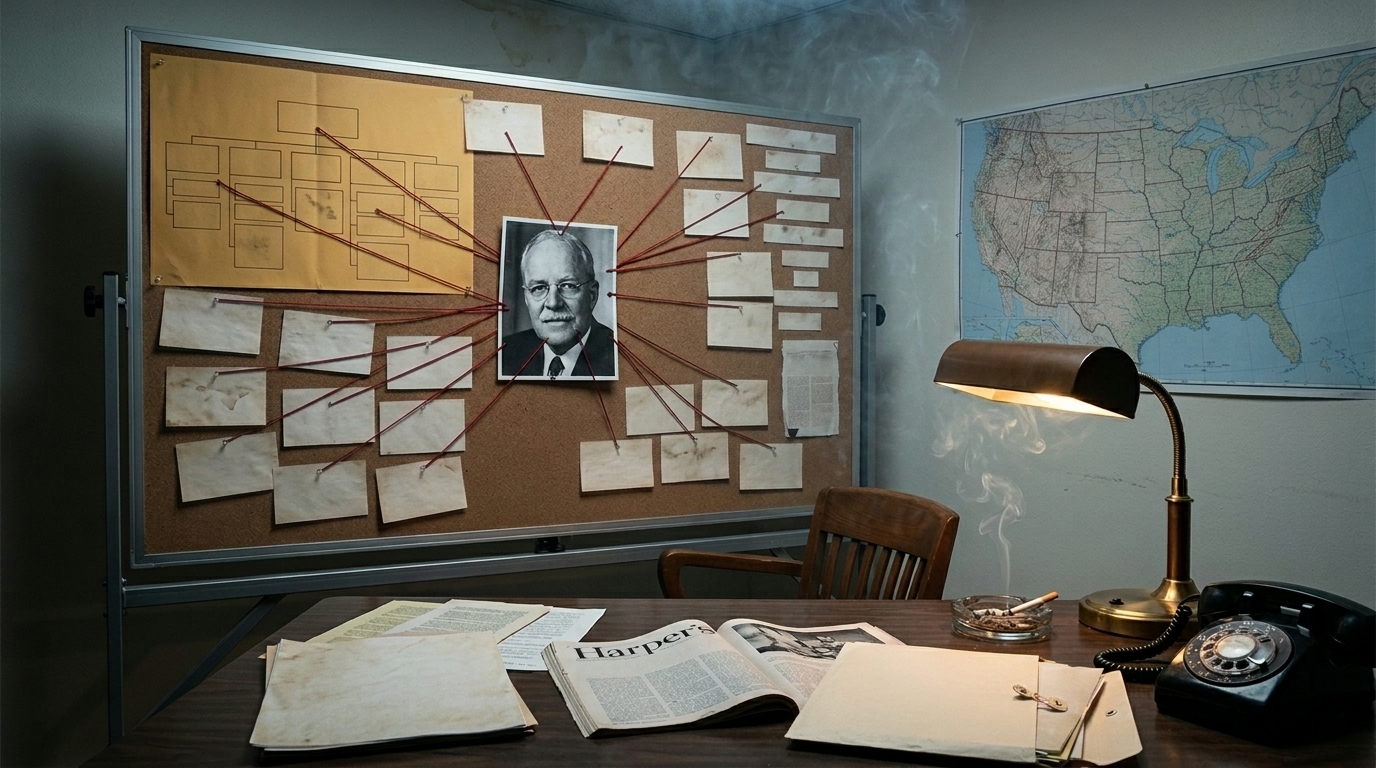
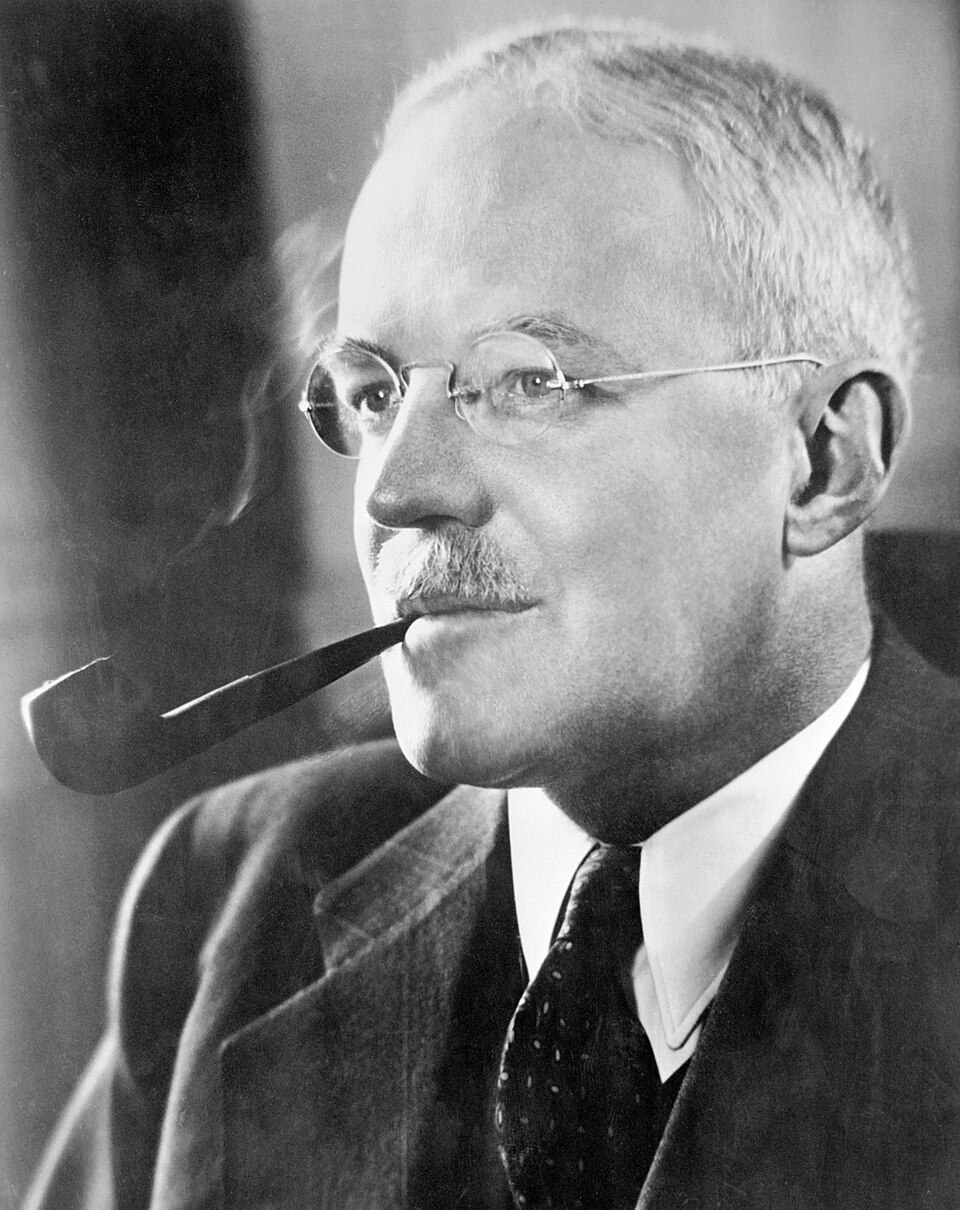
Operation Mockingbird is presented as a systematic CIA program to infiltrate American media during the Cold War, recruiting journalists, editors, and publishers to plant stories, suppress information unfavorable to U.S. intelligence interests, and shape public perception. The program allegedly began in the early 1950s under CIA Director Allen Dulles and Cord Meyer, with hundreds of journalists on agency payrolls at major outlets including The New York Times, CBS, and Time magazine.
Under-Reported Dimensions
Critical examination reveals significant gaps in the official record. The term "Operation Mockingbird" itself appears in no declassified CIA documents; it may have been coined by conspiracy researchers rather than being an actual agency code name. The Church Committee (1975-76) documented CIA-media relationships but never used this specific designation. Declassified files confirm the CIA maintained relationships with journalists and funded media outlets like Radio Free Europe, but evidence for the comprehensive domestic propaganda apparatus often described is fragmentary.
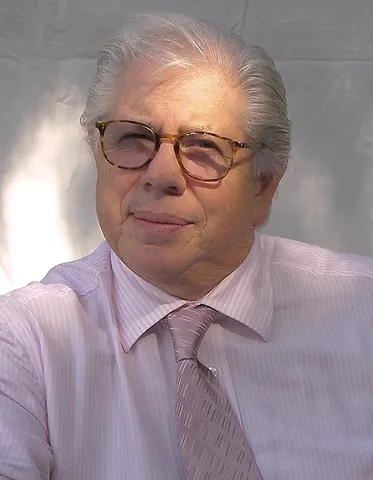
Furthermore, the distinction between Cold War information operations (targeting foreign audiences) and illegal domestic propaganda (prohibited by the CIA's charter) remains murky. Reporter Carl Bernstein's 1977 Rolling Stone exposé documented over 400 journalists with CIA connections, but many relationships were informal, some journalists volunteered information patriotically, and the level of editorial control varied dramatically.
Credible Dissenting Voices
Intelligence historians like Dr. Kathryn Olmsted note that while CIA-media ties existed, they were often ad hoc rather than centrally coordinated as "Mockingbird" implies. Former CIA officials have acknowledged foreign propaganda efforts but denied systematic domestic news manipulation. However, FOIA releases continue to reveal previously unknown agency-journalist relationships, keeping debate alive.
Follow the Money
The CIA's early Cold War budget was largely unaccountable, enabling covert funding channels. Journalists received payments ranging from direct salary supplements to expense reimbursements for "consulting." Media companies benefited from exclusive access to intelligence sources and government favor.
Open Questions
Did the program ever formally end, or did relationships simply become more sophisticated? How many current intelligence-media relationships exist? What role did Operation Mockingbird predecessors play in shaping Vietnam War coverage?
Case Timeline
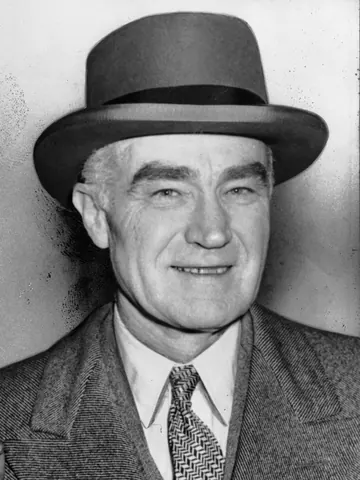
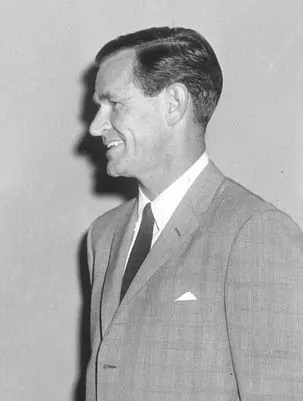
- 1948GOVERNMENT RECORDOffice of Policy Coordination created within CIA to conduct covert psychological warfare operationsOPC was headed by Frank Wisner and later merged into the CIA's Directorate of Plans, conducting propaganda operations primarily aimed at foreign audiences during early Cold War.
- 1950DISPUTEDCIA begins systematic recruitment of American journalists and media executives according to later testimonyThe exact start date and systematic nature remain contested; Church Committee testimony documented relationships but evidence of centralized recruitment program in 1950 specifically is fragmentary.
- 1953DISPUTEDAllen Dulles becomes CIA Director; media infiltration allegedly expands under his leadershipDulles's tenure saw expansion of covert operations broadly, though direct documentation linking him to a specific media infiltration program labeled 'Mockingbird' has not been found in declassified files.
- 1963DISPUTEDWashington Post publisher Philip Graham dies; allegations of CIA ties surface posthumouslyGraham's CIA connections were later alleged by multiple sources including Deborah Davis's controversial biography, though definitive documentation of operational relationship extent remains incomplete.
- 1973CORROBORATEDWatergate scandal triggers broader investigations into intelligence agency domestic activitiesThe Watergate investigation's exposure of government misconduct created political pressure that led directly to establishment of congressional intelligence oversight committees in 1975.
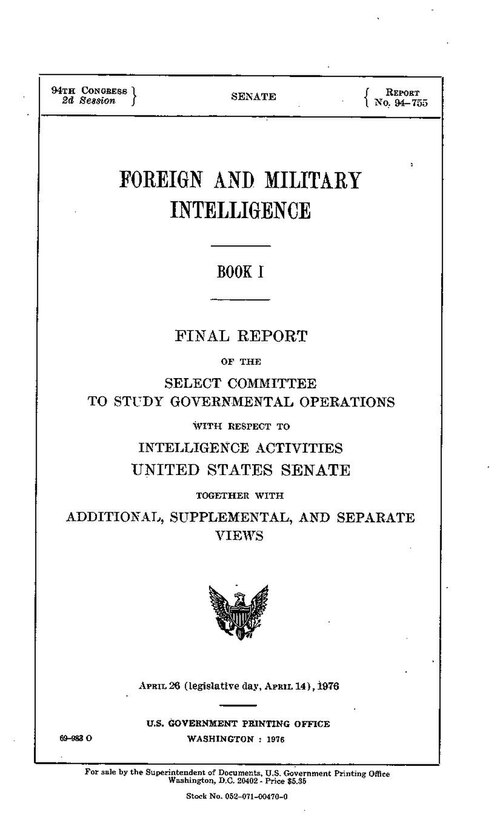
- 1975GOVERNMENT RECORDChurch Committee begins investigation of intelligence abuses including CIA-media relationshipsThe Church Committee documented numerous CIA-media relationships in public hearings and final reports, though it never used the term 'Operation Mockingbird' in official findings.
- 1976GOVERNMENT RECORDGeorge H.W. Bush as CIA Director issues policy restricting use of accredited journalistsBush's directive formally prohibited CIA operational use of accredited U.S. journalists, responding directly to Church Committee revelations, though exceptions for voluntary cooperation remained possible.
- 1977CREDIBLE REPORTINGCarl Bernstein publishes 'The CIA and the Media' in Rolling Stone, documenting 400+ journalist relationshipsBernstein's investigation documented relationships at major outlets including New York Times, CBS, and Time, though many journalists disputed his characterization of their interactions as agency control.
- 1996GOVERNMENT RECORDCIA Inspector General Report acknowledges Cold War media relationships but claims they endedThe IG report acknowledged paid and unpaid relationships with journalists during Cold War but asserted formal programs had been discontinued following 1970s reforms and Bush directive.
- 2007PRIMARY SOURCECIA declassifies 'Family Jewels' documents revealing additional details of media operationsThe Family Jewels document compilation revealed illegal domestic activities from 1959-1973 but did not contain the codename 'Mockingbird' or comprehensive details of media programs.
Key People
Organizations
Evidence Library
- documentpartial redactionDOC-M1Church Committee Final Report, Book I (1976) - Intelligence Activities and the Rights of Americans
Senate investigation documented CIA relationships with journalists and media organizations during Cold War, confirming use of media assets for intelligence purposes. Significant evidentiary weight as official congressional investigation with subpoena power, though limited by executive privilege claims that restricted access to operational details.
- documentDOC-M2Carl Bernstein's 'The CIA and the Media' (Rolling Stone, October 1977)
Investigative report identifying more than 400 American journalists who maintained covert relationships with CIA over 25 years. Based on interviews with current and former intelligence officials and journalists; credible reporting from Watergate journalist but relies partly on confidential sources.
- documentpartial redactionDOC-M3CIA Family Jewels Documents (declassified 2007)
Collection of internal CIA reports from 1973 cataloging potentially illegal agency activities including domestic surveillance and media operations. Primary source material but compiled for damage control purposes; some media-related activities acknowledged but comprehensiveness uncertain.
- documentpartial redactionDOC-M4CIA Inspector General Report on CIA Relationships with Media (1996)
Internal review acknowledging Cold War-era relationships with journalists, including paid and unpaid arrangements, while claiming such programs ended after 1970s reforms. Official agency position but self-assessment with inherent credibility limitations.
- testimonyDOC-M5William Colby Testimony to Church Committee (1975)
CIA Director Colby acknowledged agency relationships with media figures during sworn congressional testimony but minimized scope and characterized most as voluntary patriotic cooperation. Under-oath testimony provides legal weight but delivered during damage control period.
- documentDOC-M6George H.W. Bush Directive on Journalist Relationships (1976)
CIA Director Bush issued formal policy restricting agency use of accredited American journalists for operational purposes, direct response to Church Committee findings. Government record confirming policy change, implicitly acknowledging previous practices existed.
Evidence Gallery


Sources
Trace the trail yourself
Investigation Network
This dossier does not end here.
- MKUltra and CIA Mind ControlDeclassified CIA program tested LSD, hypnosis, and torture on unwitting subjects for two decadesShared person: Allen DullesShared subject: Church Committee, Cia, Cold War
- Operation Ajax (1953 Iran Coup)CIA and MI6 ran a covert operation to overthrow Iran's democratically elected Prime Minister Mohammad Mossadegh. Sixty years later, the CIAShared person: Allen DullesShared subject: Cia, Cold War
- Operation PaperclipUS recruited 1,600 Nazi scientists after WWII, whitewashing war crimes for Cold War advantageShared person: Allen DullesShared subject: Cia, Cold War
- COINTELPROFBI's secret war on dissent: illegal surveillance, infiltration, and disruption of American citizens.Shared organization: Church Committee
- 1971Citizens' Commission burglarizes Media, PA FBI office, stealing and leaking COINTELPRO documentsCOINTELPRO
- 1971FBI officially terminates all COINTELPRO operations following exposureCOINTELPRO
- 1973CIA Director Richard Helms orders destruction of all MKUltra recordsMKUltra and CIA Mind Control
- 1973First major exposé published; program existence confirmed but details remain classifiedOperation Paperclip
- 1974New York Times exposes CIA domestic activities; MKUltra details begin emergingMKUltra and CIA Mind Control
- 1969Apollo 11 moon landing achieved using technology developed by former Nazi scientistsOperation Paperclip
Live Discussion
0 Perspectives
Add to the record. Be specific. Cite where you can.
If you're learning about this topic for the first time, these are the best places to continue — documented evidence and historical relationships are the guide.
Named in “Operation Mockingbird” and 3 other published dossiers.
Named in “Operation Mockingbird” and 1 other published dossier.
Shares 1 documented key player with “Operation Mockingbird”, including Allen Dulles.
Read more dossiers like this
Get a quiet one-line bulletin when new investigative files are published. Bound to this dossier — useful for tracking follow-ups.