
The Iraq War WMD Intelligence Failure
How faulty intelligence on weapons of mass destruction became the pretext for invasion
Sign in to bookmark, follow, and message the contributor.
Executive Summary
The 2003 invasion of Iraq was justified by claims that Saddam Hussein possessed weapons of mass destruction and posed an imminent threat. When no WMDs were found, it sparked one of the most significant intelligence failures in modern history, raising questions about politicized intelligence, dissenting voices that were ignored, and whether decision-makers deliberately manipulated evidence to support a predetermined conclusion.
- 01.POTUS briefed daily that aluminum tubes assessment disputed by Department of Energy nuclear experts; dissent withheld from public intelligence estimate.
- 02.Curveball source flagged by German BND as fabricator and alcoholic in November 2002; warnings never reached Secretary Powell before UN presentation.
- 03.Office of Special Plans established direct intelligence pipeline from Iraqi exiles to OSD leadership, bypassing standard CIA verification protocols.
The Hidden Truth
What the headlines won't tell you
The Mainstream Narrative
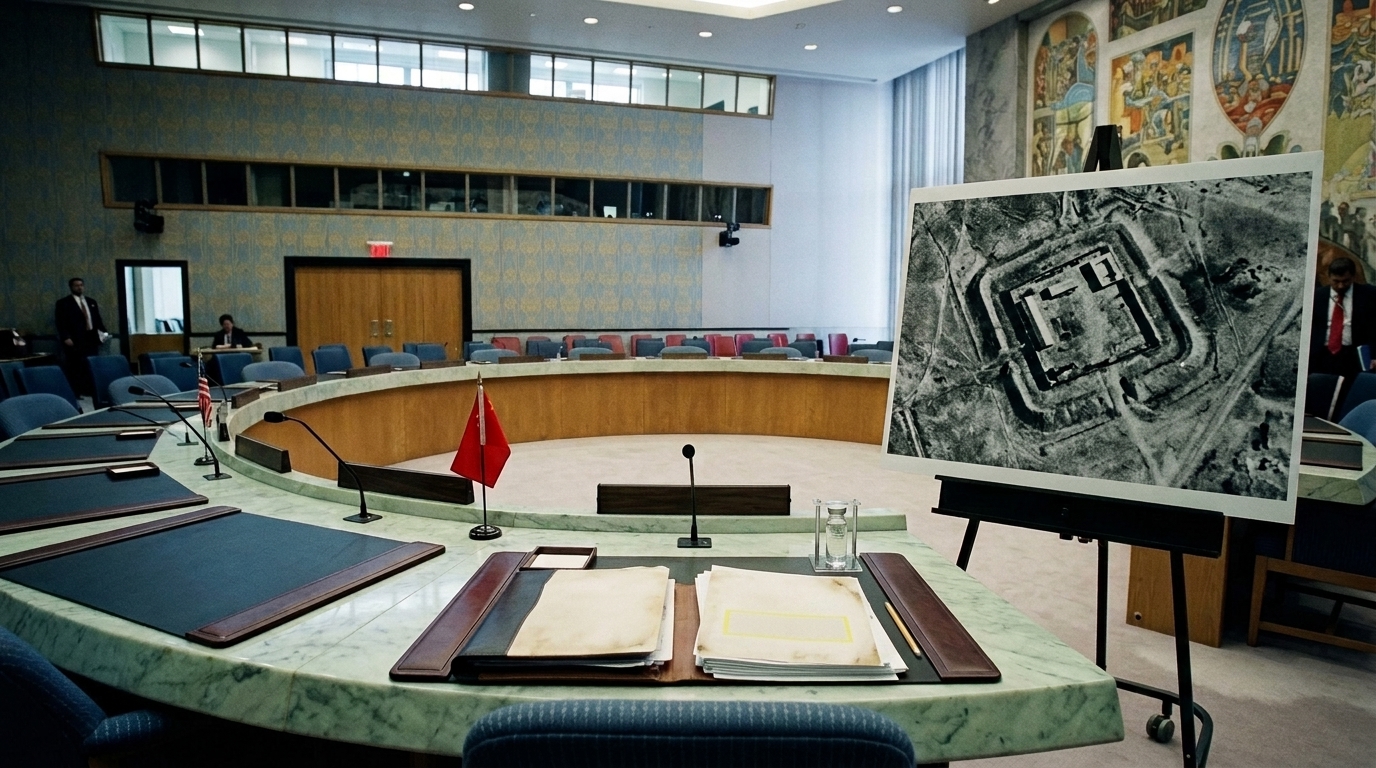
The official story holds that the Iraq War was launched based on good-faith intelligence assessments that proved tragically wrong. The intelligence community, particularly the CIA, believed Iraq retained chemical and biological weapons programs and was reconstituting its nuclear program. Secretary of State Colin Powell's February 2003 UN presentation was the public face of this consensus, featuring satellite imagery, intercepted communications, and defector testimony.
Under-Reported Dimensions
What remains less discussed is how extensively doubts were expressed before the invasion. The Defense Intelligence Agency concluded in September 2002 that "there is no reliable information on whether Iraq is producing and stockpiling chemical weapons." Senior State Department intelligence analysts, particularly in the Bureau of Intelligence and Research (INR), dissented from key CIA conclusions about aluminum tubes and uranium from Niger. The Air Force's National Air and Space Intelligence Center disputed claims about Iraqi drones. These dissents were systematically excluded from public presentations and often relegated to footnotes in classified assessments.
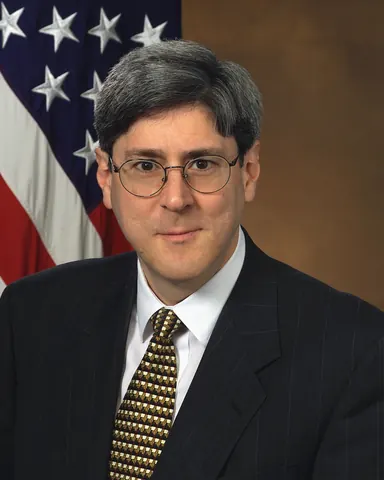
The Office of Special Plans, a Pentagon unit created by Douglas Feith, established alternative intelligence channels that bypassed traditional vetting processes. This office cultivated intelligence from Iraqi exiles, particularly Ahmed Chalabi's Iraqi National Congress, despite CIA warnings about their credibility. The infamous "Curveball" source—whose fabricated claims about mobile bioweapons labs featured prominently in Powell's UN speech—had been flagged as unreliable by German intelligence, yet his information was presented as credible.
Follow the Money
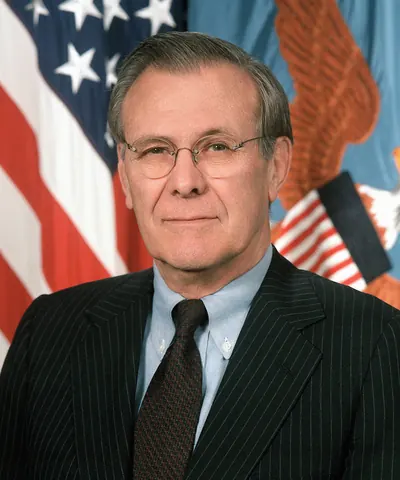
The Project for the New American Century, a neoconservative think tank whose members included Dick Cheney, Donald Rumsfeld, and Paul Wolfowitz, had advocated for regime change in Iraq since 1998. After 9/11, these officials occupied key positions and pushed Iraq as a priority despite unclear connections to Al-Qaeda. Vice President Cheney made unprecedented visits to CIA headquarters, creating pressure to support predetermined conclusions.
Open Questions
Did policymakers genuinely believe the intelligence, or was it selectively used to justify a decided course? Why were skeptical analysts systematically sidelined? Why has no senior official faced accountability for the failure? The Iraq Inquiry (Chilcot Report) in the UK found that peaceful options had not been exhausted and intelligence was presented with "unwarranted certainty," yet similar comprehensive accountability has never occurred in the United States.
Credible Dissenting Voices
Editorial pass pending.
Case Timeline
- 1998PRIMARY SOURCEProject for the New American Century publishes letter urging Clinton to remove Saddam Hussein from powerLetter signed by 18 neoconservative intellectuals including Donald Rumsfeld and Paul Wolfowitz, establishing regime change as a policy goal five years before 9/11.
- 2001CREDIBLE REPORTINGSeptember 11 attacks; Bush administration immediately explores Iraq connection despite lack of evidenceRichard Clarke documented that Bush asked counterterrorism officials to find Iraq links to 9/11 within 24 hours despite CIA assessment that Al-Qaeda was responsible.
- 2002GOVERNMENT RECORDOffice of Special Plans created in Pentagon to analyze intelligence on Iraq-terrorism connectionsCreated by Undersecretary Douglas Feith, the unit bypassed traditional intelligence vetting and reported directly to senior policymakers including Cheney's office.
- 2002GOVERNMENT RECORDSeptember: DIA memo states no reliable information on Iraqi chemical weapons productionThe Defense Intelligence Agency assessment directly contradicted claims being made publicly by administration officials during the same period.
- 2002GOVERNMENT RECORDOctober: National Intelligence Estimate on Iraqi WMDs published with dissents buried in footnotesState Department's Bureau of Intelligence and Research dissented on aluminum tubes and uranium claims, but these objections were relegated to annexes rather than executive summary.
- 2002GOVERNMENT RECORDOctober: Congress authorizes use of military force against Iraq based on WMD claimsAuthorization passed 77-23 in Senate and 296-133 in House after administration claims that Iraq could deploy WMDs within 45 minutes and had unmanned aerial vehicles.
- 2003PRIMARY SOURCEFebruary: Colin Powell presents WMD evidence to UN Security Council, including Curveball's fabricated claimsGerman intelligence had warned that Curveball was unreliable and possibly fabricating information, but these warnings were not conveyed to Powell before his presentation.
- 2003GOVERNMENT RECORDMarch 19: US invasion of Iraq beginsOperation Iraqi Freedom launched with 'shock and awe' bombing campaign, beginning a conflict that would last over eight years.
- 2004GOVERNMENT RECORDJanuary: David Kay, head of Iraq Survey Group, testifies that WMD stockpiles did not existKay, who led the 1,400-person Iraq Survey Group search mission, told Congress 'we were almost all wrong' about Iraqi WMD programs.
- 2004GOVERNMENT RECORDSenate Intelligence Committee Report concludes intelligence community assessments were overstated and unsupportedReport found that intelligence community relied on circumstantial evidence, outdated information from the 1990s, and assumptions rather than hard evidence of active WMD programs.
- 2005GOVERNMENT RECORDPresidential Commission on WMD finds intelligence failure but no evidence of political pressureCommission chaired by Laurence Silberman and Charles Robb concluded intelligence was 'dead wrong' but found analysts were not pressured to reach specific conclusions by policymakers.
- 2016GOVERNMENT RECORDChilcot Inquiry in UK concludes intelligence was presented with unwarranted certainty and peaceful options not exhaustedSeven-year British inquiry found that Prime Minister Tony Blair presented intelligence with certainty that was not justified and committed UK to war before peaceful options exhausted.
Key People
Organizations
Evidence Library
- documentDOC-A1Project for the New American Century Letter to President Clinton (January 1998)
Open letter signed by future Bush administration officials advocating removal of Saddam Hussein. Demonstrates that regime change was a policy goal among key decision-makers years before 9/11 or WMD concerns. Shows preexisting agenda among neoconservative intellectuals who later held senior positions.
- documentpartial redactionDOC-A2Defense Intelligence Agency Assessment 'Iraq's Reemerging Chemical Weapons Capabilities' (September 2002)
Classified DIA memo stating 'there is no reliable information on whether Iraq is producing and stockpiling chemical weapons.' Directly contradicted public statements by administration officials during the same period and was not disclosed in public presentations.
- documentpartial redactionDOC-A3National Intelligence Estimate 'Iraq's Continuing Programs for Weapons of Mass Destruction' (October 2002)
Rushed 90-page assessment that concluded Iraq had chemical and biological weapons and was reconstituting nuclear program. State Department INR and other agencies filed dissents on key judgments that were relegated to footnotes and annexes rather than executive summary presented to policymakers.
- testimonyDOC-A4Colin Powell UN Security Council Presentation (February 5, 2003)
Secretary of State presented intelligence case for Iraqi WMDs including satellite imagery, intercepted communications, and claims from source 'Curveball' about mobile bioweapons labs. German intelligence had warned Curveball was unreliable, but Powell was not informed. Powell later called it a permanent 'blot' on his record.
- testimonyDOC-A5David Kay Testimony to Senate Armed Services Committee (January 28, 2004)
Head of 1,400-person Iraq Survey Group testified that 'we were almost all wrong' about Iraqi WMD stockpiles and active programs. Kay stated that Iraq had not possessed WMDs since the 1990s, contradicting the central justification for invasion.
- documentDOC-A6Senate Select Committee on Intelligence Report on Prewar Intelligence (July 2004)
Bipartisan report concluded that intelligence community assessments on Iraqi WMDs were overstated, unsupported by underlying intelligence, and relied on assumptions rather than evidence. Found that analysts made numerous errors in evaluating sources and did not adequately explain uncertainties.
- documentDOC-A7Commission on Intelligence Capabilities Report (March 2005)
Presidential commission found intelligence was 'dead wrong' about Iraqi WMDs but concluded analysts were not subjected to political pressure. Report has been criticized for narrow scope that excluded examination of how policymakers used intelligence.
- documentDOC-A8Chilcot Inquiry Report (July 2016)
UK's seven-year inquiry into Iraq War concluded that intelligence about WMDs was presented with unwarranted certainty, peaceful options were not exhausted, and legal basis for war was unsatisfactory. Found Tony Blair committed UK to supporting US military action before Cabinet discussions and without adequate planning.
Sources
Trace the trail yourself
Investigation Network



This dossier does not end here.
- 2004Presidential election features two Bonesmen: George W. Bush vs. John Kerry; both refuse to discuss membership publiclySkull and Bones Society at Yale
- 2006Geronimo's descendants sue Skull and Bones for return of stolen skull; case later dismissedSkull and Bones Society at Yale
- 2000Alexandra Robbins publishes 'Secrets of the Tomb' with insider details from anonymous sourcesSkull and Bones Society at Yale
Live Discussion
0 Perspectives
Add to the record. Be specific. Cite where you can.
If you're learning about this topic for the first time, these are the best places to continue — documented evidence and historical relationships are the guide.
Named in “The Iraq War WMD Intelligence Failure” and 1 other published dossier.
Named in “The Iraq War WMD Intelligence Failure”.
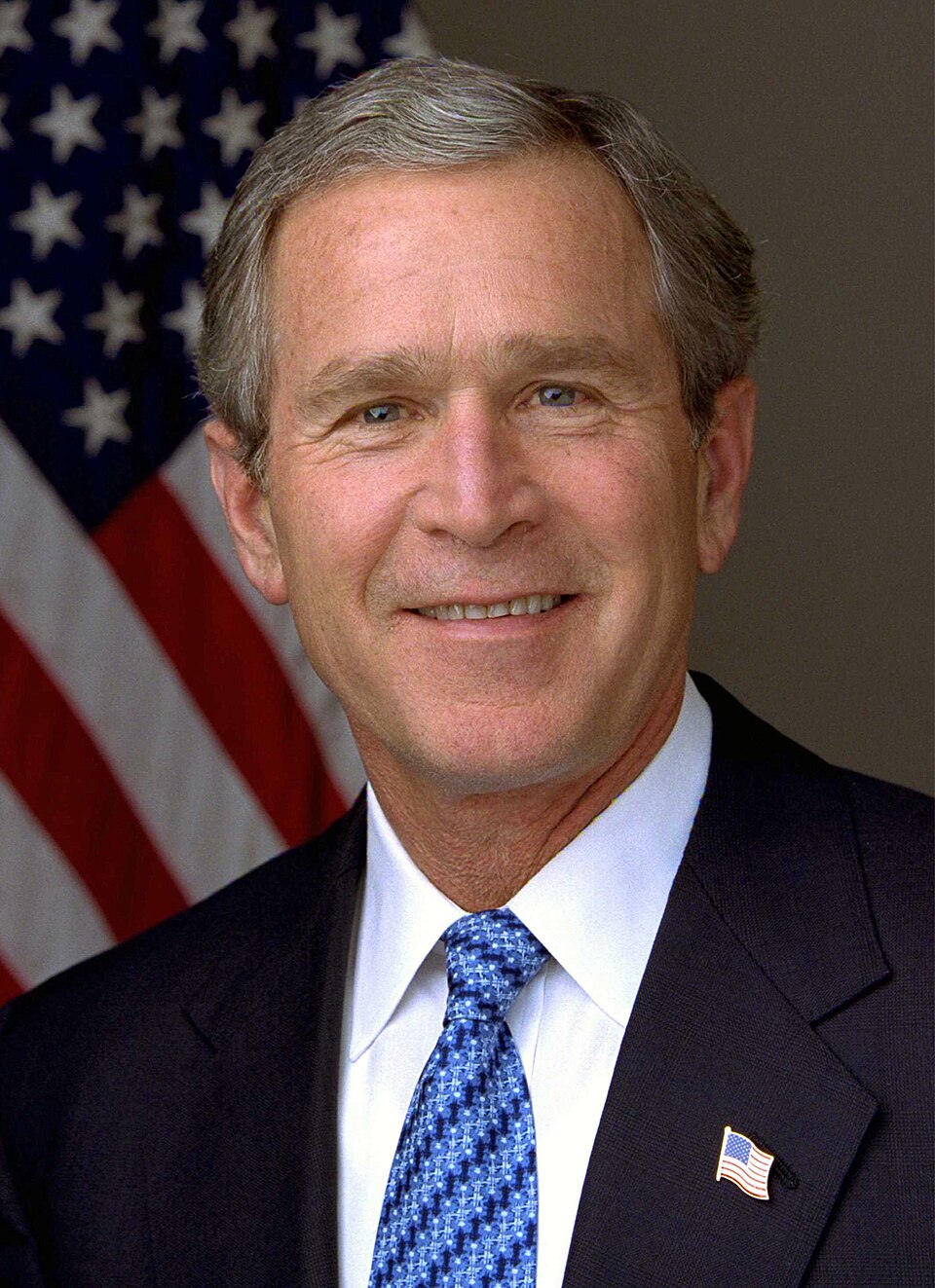
Shares 1 documented key player with “The Iraq War WMD Intelligence Failure”, including George W. Bush.
Read more dossiers like this
Get a quiet one-line bulletin when new investigative files are published. Bound to this dossier — useful for tracking follow-ups.