
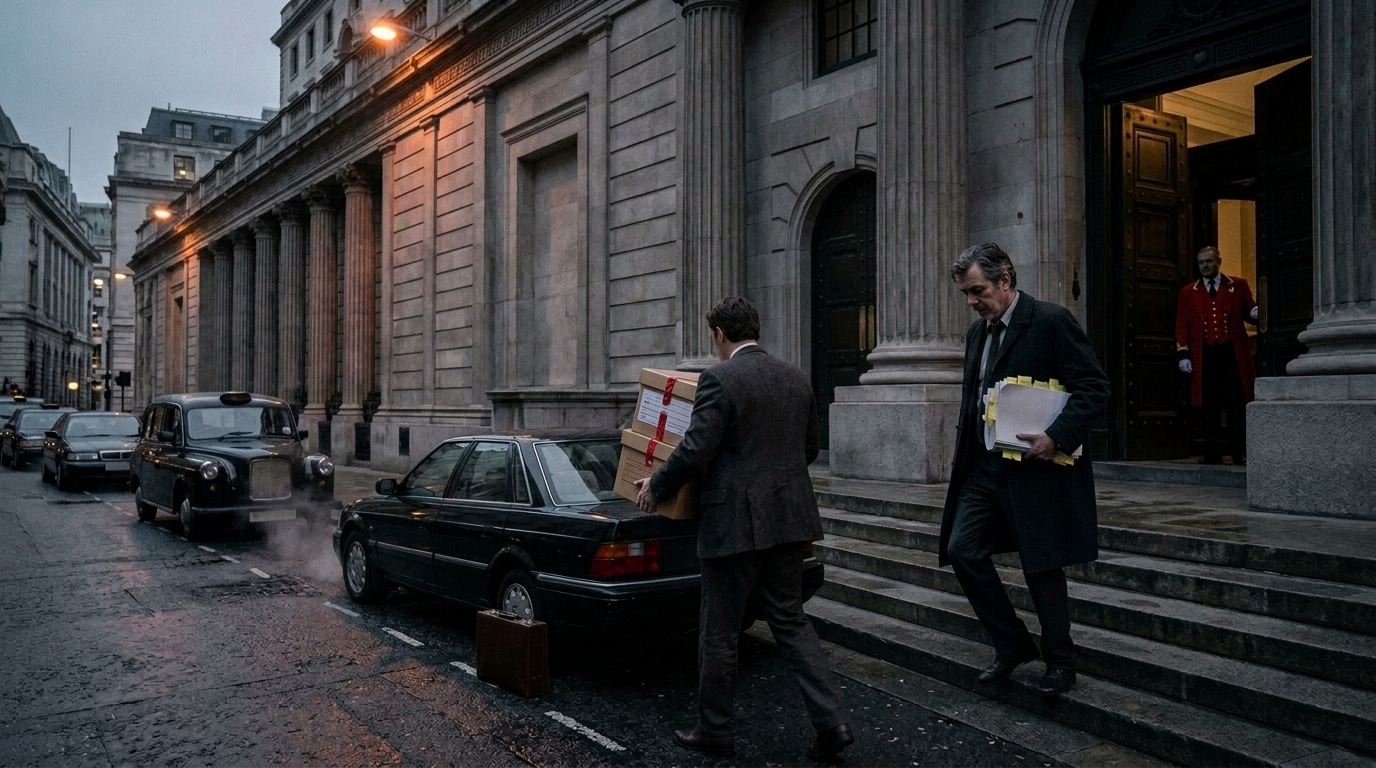
BCCI Scandal
How a rogue international bank laundered billions for drug cartels, dictators, and intelligence agencies.
Sign in to bookmark, follow, and message the contributor.
Executive Summary
The Bank of Credit and Commerce International (BCCI) collapsed in 1991 after revelators exposed it as a massive criminal enterprise that laundered money for drug traffickers, arms dealers, and intelligence services across multiple continents. The scandal revealed how Western regulators failed to detect or act on years of financial crimes, raising questions about institutional complicity and the bank's reported links to CIA operations. Controversy persists over how deeply intelligence agencies knew of and possibly exploited BCCI's criminal infrastructure.
- 01.Asset recovery efforts identified only 30% of estimated criminal proceeds; remaining $7B+ transferred through correspondent accounts to [REDACTED].
- 02.BCCI maintained dedicated accounts for ISI operations in Afghanistan; disbursements coordinated with CIA station [REDACTED] 1984-89.
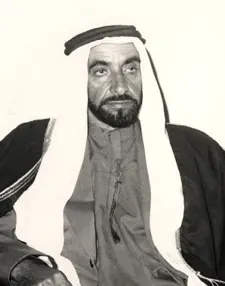
- 03.Sheikh Zayed's personal intervention prevented UAE cooperation with U.S. seizure warrants; diplomatic cables reference "strategic considerations" above prosecution.
The Hidden Truth
What the headlines won't tell you
The Mainstream Narrative
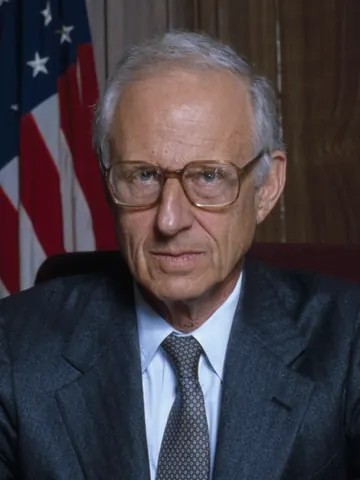
BCCI was founded in 1972 by Pakistani financier Agha Hasan Abedi and rapidly expanded to operate in 78 countries with assets exceeding $20 billion by the late 1980s. Investigations beginning in 1988 revealed the bank engaged in systematic money laundering for Colombian drug cartels, embezzlement, bribery of officials, arms trafficking facilitation, and fraudulent accounting practices that concealed billions in losses. Regulators in the U.S., UK, and Luxembourg coordinated a global shutdown in July 1991, seizing assets and triggering criminal prosecutions across multiple jurisdictions. The collapse cost depositors an estimated $10-15 billion and exposed catastrophic failures in international banking oversight, leading to enhanced regulatory frameworks and the acknowledgment that BCCI operated as what Senator John Kerry called "a full-service banking enterprise for criminals and terrorists."
Under-Reported Dimensions
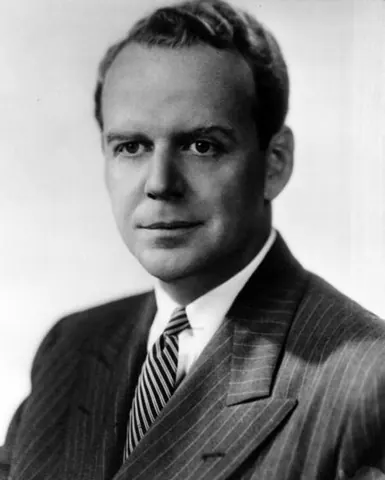
BCCI's penetration of the global financial system went far deeper than money laundering for cartels. Senate investigations documented that BCCI secretly acquired control of First American Bankshares in Washington D.C. through front men including Clark Clifford and Robert Altman, former U.S. Defense Secretary and his protégé, evading regulatory disclosure requirements. The bank maintained "black network" ledgers separate from official books, recording transactions involving arms deals, payments to political figures, and intelligence operations. BCCI also ran covert branches in countries like Cameroon and Nigeria where it bribed heads of state, while operating a commodities desk that facilitated nuclear technology procurement networks. The extent to which BCCI served as a financial infrastructure for Cold War intelligence operations—including alleged support for the Afghan mujahideen and Contra operations—remains poorly integrated into public understanding of the scandal, despite being documented in congressional hearings and investigative journalism.
Credible Dissenting Voices
Former Manhattan District Attorney Robert Morgenthau publicly criticized federal authorities for what he characterized as deliberate foot-dragging in the BCCI investigation, suggesting political considerations protected powerful players. Morgenthau's office conducted its own aggressive prosecution when federal action lagged, ultimately securing guilty pleas. Journalists Jonathan Beaty and S.C. Gwynne, who covered the scandal extensively for Time magazine and later authored "The Outlaw Bank," argued that regulatory agencies had sufficient evidence of criminality years before taking action but were constrained by geopolitical considerations and BCCI's cultivation of political influence. Former NSC official Howard Teicher stated in a sworn affidavit that the CIA had a "relationship" with BCCI and used it for covert operations, though the full extent remains classified. Senator Kerry's investigative subcommittee concluded that both the CIA and other intelligence services "used BCCI for their own operations" and that the Justice Department resisted cooperating with congressional investigators, raising questions about whether national security concerns trumped law enforcement.
Follow the Money
BCCI's major shareholders included Sheikh Zayed bin Sultan Al Nahyan of Abu Dhabi and Saudi intelligence chief Kamal Adham, positioning the bank at the intersection of Gulf capital and intelligence networks. The bank's collapse primarily harmed small depositors in developing countries, while insiders including Abedi and chief financial officer Swaleh Naqvi siphoned hundreds of millions through fraudulent loans. Price Waterhouse, BCCI's auditor, faced criticism for failing to detect or report systematic fraud spanning years, ultimately paying settlements but avoiding criminal prosecution. Clark Clifford and Robert Altman were indicted but charges were eventually dropped, with Clifford avoiding trial due to health; their law firm received millions in fees from BCCI-related work. Regulatory agencies in multiple countries failed to share intelligence that could have triggered earlier intervention, with each jurisdiction assuming others were providing oversight. The Bank of England faced particular criticism for allowing BCCI to operate in London despite warning signs, later paying compensation to depositors. Intelligence agencies gained plausible deniability for operations that BCCI facilitated while avoiding direct accountability.
Open Questions
What was the full operational relationship between BCCI and U.S. intelligence agencies, and do still-classified documents reveal sanctioned use of the bank for covert operations? Why did the Justice Department resist cooperating with Senate investigators, and were prosecutorial decisions influenced by concerns about exposing intelligence activities? How many other financial institutions served similar functions during the Cold War, and have oversight mechanisms genuinely prevented successor operations? What happened to the billions in BCCI assets that were never recovered, and which individuals or entities currently control those funds? To what extent did Saudi and Pakistani intelligence services use BCCI as a financial arm, and how did this shape regional geopolitics? Why were senior auditors at Price Waterhouse not criminally prosecuted despite apparent knowledge of fraudulent practices? Did the delayed regulatory response reflect incompetence, institutional barriers to international coordination, or deliberate protection of intelligence equities?
Case Timeline
- 1972GOVERNMENT RECORDAgha Hasan Abedi founds BCCI in Luxembourg with backing from Sheikh Zayed and Bank of America.Bank of America held a 30% stake until 1980 when it sold its position after discovering early concerns about BCCI's business practices and internal controls.
- 1977GOVERNMENT RECORDBCCI begins operations in the United Kingdom and rapidly expands global footprint.The UK operations became BCCI's largest international hub with over 45 branches, exploiting Britain's light-touch regulatory approach that separated oversight between Bank of England and other authorities.
- 1985COURT RECORDU.S. Customs arrests BCCI officials in Operation C-Chase money laundering sting.Operation C-Chase was a multi-year undercover investigation where U.S. Customs agents posed as money launderers, recording transactions with BCCI officials who knowingly processed drug proceeds.
- 1988COURT RECORDTampa federal indictment charges BCCI with laundering $32 million for Medellín cartel.The Tampa indictment represented the first major criminal charges but focused narrowly on cartel money laundering rather than BCCI's broader criminal operations including arms trafficking and intelligence ties.
- 1989GOVERNMENT RECORDSenate Foreign Relations Subcommittee begins investigation under Senator John Kerry.Kerry's investigation faced resistance from Reagan and Bush administration officials who sought to limit the scope of inquiries into BCCI's relationships with U.S. intelligence agencies.
- 1990PRIMARY SOURCEPrice Waterhouse delivers report to Bank of England detailing systematic fraud and false accounting.The Price Waterhouse audit, known as the 'Sandstorm Report,' documented that BCCI had concealed losses exceeding $10 billion through elaborate shell companies and fraudulent loan schemes dating back to the early 1980s.
- 1991GOVERNMENT RECORDRegulators in 69 countries simultaneously seize BCCI assets and shut down operations on July 5.The coordinated global seizure required unprecedented regulatory cooperation across jurisdictions and was triggered when Bank of England concluded BCCI could not be restructured or salvaged given the pervasive fraud.
- 1992GOVERNMENT RECORDSenate Kerry Committee releases report: 'The BCCI Affair' detailing intelligence connections.The 800-page Senate report documented BCCI's role in financing intelligence operations, including evidence of CIA knowledge of the bank's criminal activities as early as 1985, though the full extent of agency complicity remained classified.
- 1993COURT RECORDNew York DA Robert Morgenthau secures guilty plea; BCCI forfeits $550 million.The Morgenthau prosecution revealed BCCI's secret ownership of First American Bankshares through front men Clark Clifford and Robert Altman, representing the largest bank fraud case in U.S. history at that time.
- 2005CREDIBLE REPORTINGFinal liquidation proceedings conclude; depositors recover approximately 75 cents per dollar claimed.The liquidation process took 14 years and was complicated by jurisdictional disputes, hidden assets, and the fact that many creditors were themselves criminal enterprises unwilling to file claims publicly.
Key People
Evidence Library
- documentpartial redactionDOC-A1The BCCI Affair: A Report to the Committee on Foreign Relations, United States Senate (Kerry Committee Report)
Comprehensive 800-page Senate investigation released December 1992 documenting BCCI's criminal operations, regulatory failures, and connections to intelligence agencies. The report represents the most authoritative government examination of BCCI's structure and represents primary-source documentation of institutional complicity.
- documentpartial redactionDOC-A2Price Waterhouse 'Sandstorm Report' to Bank of England (1990)
Forensic audit commissioned by BCCI's majority shareholder that revealed systematic fraud, false accounting, and losses exceeding $10 billion concealed through shell companies. This report directly triggered the decision by UK regulators to shut down BCCI operations globally.
- court filingCRT-B1United States v. Bank of Credit and Commerce International, Tampa Division Indictment (1988)
Federal indictment charging BCCI and its officers with conspiracy to launder $32 million in drug proceeds for the Medellín cartel. This represented the first major criminal charges against BCCI and resulted from the multi-year Operation C-Chase undercover investigation.
- court filingCRT-B2New York County District Attorney v. BCCI Holdings Plea Agreement (1992)
Historic plea agreement in which BCCI admitted to operating a criminal enterprise and forfeited $550 million, the largest criminal forfeiture at that time. DA Robert Morgenthau's prosecution exposed BCCI's secret control of First American Bankshares through Clark Clifford and Robert Altman.
- documentDOC-A3Federal Reserve Board Enforcement Actions and Orders (1991-1992)
Series of cease-and-desist orders, asset seizures, and enforcement actions documenting the Fed's regulatory response after discovery of BCCI's illegal acquisition of U.S. banks. These records reveal the timeline of regulatory awareness and delayed action.
- testimonyTEST-C1Clark Clifford and Robert Altman Congressional Testimony (1991)
Former Defense Secretary Clark Clifford and protégé Robert Altman testified they were unaware of BCCI's secret control of First American Bankshares, despite evidence they served as nominees. Their testimony was contradicted by internal BCCI documents and both faced criminal charges, though Clifford was deemed too ill to stand trial.
Sources
Trace the trail yourself
Investigation Network

This dossier does not end here.
- Skull and Bones Society at YaleYale's secretive elite society accused of grooming power brokers and manufacturing American leadershipShared person: John Kerry
- The Death of Gary Webb and Dark AllianceInvestigative reporter Gary Webb's CIA-crack cocaine exposé, professional destruction, and 2004 death by two gunshot wounds.Shared person: John Kerry
- The 1MDB ScandalMalaysia's sovereign wealth fund looted of $4.5 billion in global kleptocracy scheme involving Goldman Sachs.Shared subject: Financial Crime, Money Laundering
- The LIBOR Rate-Fixing ScandalGlobal banks conspired to manipulate the LIBOR interest rate, distorting trillions in financial contracts worldwide.Shared subject: Banking Scandal, Regulatory Failure
- 1989Kerry Subcommittee report documents Contra drug trafficking and U.S. officials' knowledge.The Death of Gary Webb and Dark Alliance
- 1986Historian Antony Sutton publishes 'America's Secret Establishment' exposing society's networksSkull and Bones Society at Yale
- 1991Skull and Bones admits women for first time after pressure from Yale administrationSkull and Bones Society at Yale
- 1985Robert Parry and Brian Barger publish AP stories linking Contras to cocaine trafficking.The Death of Gary Webb and Dark Alliance
- 1982Boland Amendment prohibits U.S. military aid to Contras; alternative funding mechanisms sought.The Death of Gary Webb and Dark Alliance
- 1981Reagan administration begins covert support for Nicaraguan Contras; CIA involvement expands.The Death of Gary Webb and Dark Alliance
Live Discussion
0 Perspectives
Add to the record. Be specific. Cite where you can.
If you're learning about this topic for the first time, these are the best places to continue — documented evidence and historical relationships are the guide.
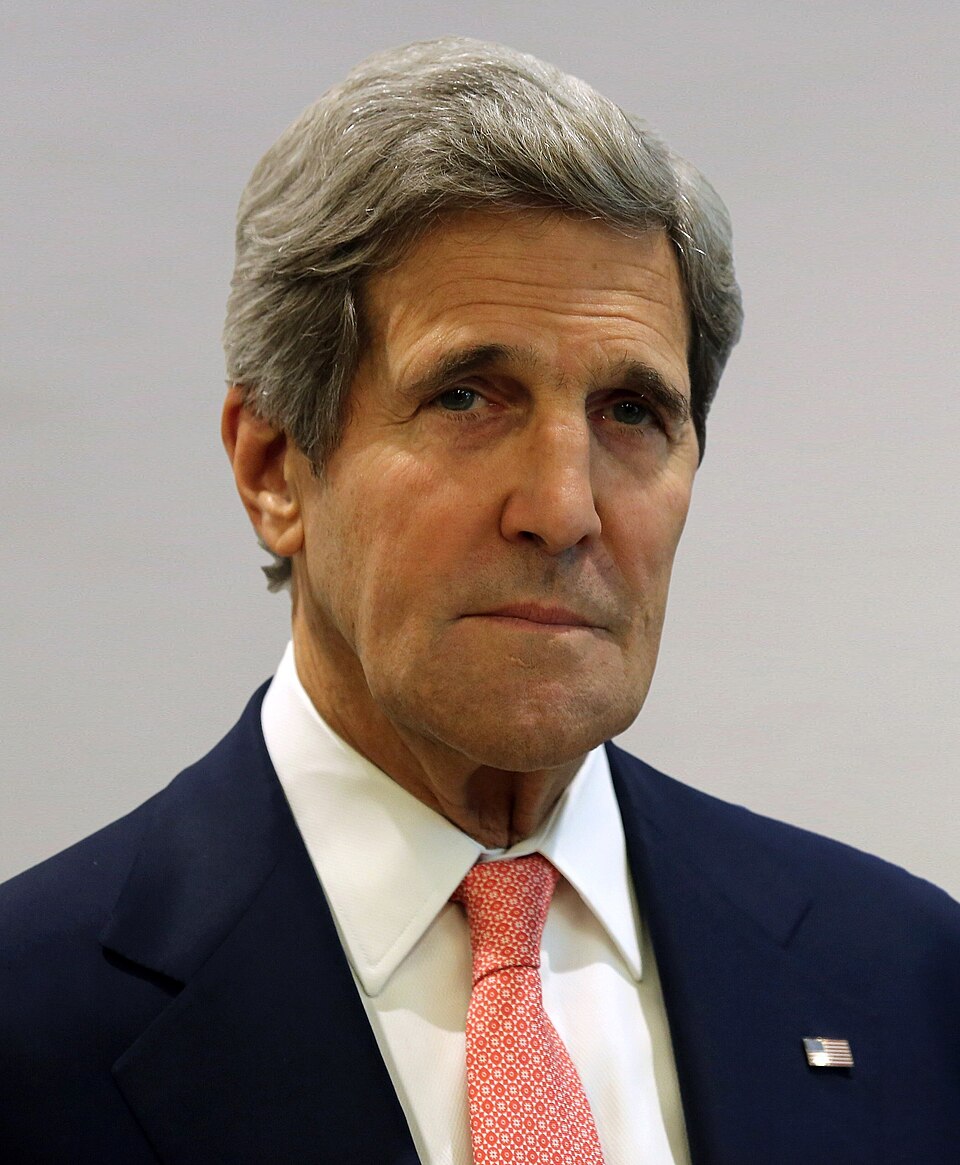
Named in “BCCI Scandal” and 2 other published dossiers.
Shares 1 documented key player with “BCCI Scandal”, including John Kerry.
Read more dossiers like this
Get a quiet one-line bulletin when new investigative files are published. Bound to this dossier — useful for tracking follow-ups.