Operation Ivy Bells
The Navy's decade-long submarine tap on Soviet undersea cables—exposed by a single NSA traitor
Sign in to bookmark, follow, and message the contributor.
Executive Summary
Operation Ivy Bells was a classified US Navy program (1971–1981) that used nuclear submarines to install wiretaps on Soviet underwater communications cables in the Sea of Okhotsk. The program yielded invaluable intelligence on Soviet naval operations until NSA analyst Ronald Pelton sold details to the KGB for $35,000, leading to its discovery and his 1986 conviction for espionage.
- 01.Primary collection yielded [REDACTED] hours of Soviet Pacific Fleet communications including submarine deployment schedules and strategic targeting parameters
- 02.USS [REDACTED] conducted a total of [REDACTED] retrieval missions between 1971-1981 with average interval of [REDACTED] months between operations
- 03.Technical specifications of tap device: [REDACTED] days recording capacity, [REDACTED] channels simultaneous monitoring, powered by [REDACTED]
The Hidden Truth
What the headlines won't tell you
Operation Ivy Bells: The Navy's Secret Soviet Cable Tap
Operation Ivy Bells stands as one of the most audacious and technically sophisticated intelligence operations of the Cold War. Beginning in 1971, the United States Navy—in coordination with the National Security Agency (NSA)—deployed specially modified nuclear submarines to the Sea of Okhotsk, a strategically vital body of water off the Soviet Union's Pacific coast. There, divers working from USS Halibut and later USS Parche located Soviet undersea communications cables and installed recording devices that captured military and naval traffic for nearly a decade.
The operation remained undetected by Soviet forces until 1981, when former NSA analyst Ronald Pelton, facing personal bankruptcy, contacted the Soviet embassy in Washington and sold comprehensive details of the program for $35,000. Pelton's betrayal led directly to the Soviets' discovery and removal of the taps. His arrest in 1985 and subsequent conviction provided the first public confirmation of Ivy Bells' existence, though many operational details remain classified to this day.
Ivy Bells exemplified both the promise and peril of technical intelligence collection: it demonstrated extraordinary operational capability and yielded strategic insights unavailable through other means, yet its compromise by a single disillusioned insider illustrated the persistent vulnerability of even the most secure programs to human betrayal.
Background
The Strategic Context of Undersea Communications
During the Cold War, both superpowers relied heavily on underwater cables for secure military communications, believing them virtually immune to interception. Unlike radio transmissions, which could be monitored from satellites or ground stations, cable traffic traveled through physical infrastructure on the ocean floor, theoretically accessible only at terminal points. The Soviet Union invested substantially in undersea cable networks connecting its major naval bases, particularly in the Pacific Fleet's area of operations.
The Sea of Okhotsk held particular strategic importance. This nearly enclosed body of water served as a bastioned sanctuary for Soviet ballistic missile submarines and hosted major naval facilities at Petropavlovsk-Kamchatsky. Soviet planners considered it a safe operating area, protected by geography and military presence. Communications between naval commanders and Pacific Fleet headquarters in Vladivostok traveled along seabed cables, carrying information about submarine deployments, operational orders, and strategic planning.
US intelligence agencies understood the intelligence value of these communications but faced formidable technical and operational challenges. The cables lay in international waters beyond easy access, at depths requiring specialized equipment. More fundamentally, locating specific cables on the vast ocean floor without Soviet knowledge demanded extraordinary navigation and sensor capabilities.
The Evolution of Submarine Intelligence Collection
The US Navy had pioneered submarine-based special operations during World War II and expanded these capabilities throughout the Cold War. USS Halibut, originally designed as a guided missile submarine, was converted in 1968 for deep-sea reconnaissance operations. The conversion equipped Halibut with a deep-submergence rescue vehicle (DSRV) hangar that could accommodate divers, specialized sensors, and recovery equipment—capabilities ostensibly for search-and-rescue but adaptable to intelligence collection.
Halibut's first major success came in 1968 when it located the wreckage of Soviet submarine K-129, which had sunk in the Pacific Ocean. This operation demonstrated the feasibility of covert deep-sea work in hostile waters and established operational procedures that would prove essential for Ivy Bells. The success prompted Navy and NSA planners to consider whether similar techniques could be applied to accessing Soviet underwater infrastructure.
The Investigation
Operational Genesis and Planning
Ivy Bells originated from intelligence indicating that Soviet naval communications in the Pacific relied on specific undersea cable routes. NSA analysts, working with Navy intelligence, identified the Sea of Okhotsk cables as high-value targets. The cables connected the major naval base at Petropavlovsk with mainland command centers, carrying traffic that could illuminate Soviet Pacific Fleet operations, submarine deployments, and strategic intentions.
Planning the operation required solving multiple technical problems. First, the specific cable locations needed confirmation—the sea floor offered few navigational landmarks, and Soviet security meant accurate charts were unavailable. Second, any tap would need to function reliably without external power, survive extreme underwater conditions, and avoid detection during periodic Soviet cable maintenance. Third, retrieval of recorded material would require regular return missions without establishing patterns that might alert Soviet surveillance.
The Navy assembled a specialized team of submariners, divers, intelligence analysts, and engineers. NSA provided technical expertise on communications interception and recording systems. The operation received the cryptonym "Ivy Bells" and classification at the highest compartmented levels—access was restricted even within the intelligence community.
The First Mission: USS Halibut, 1971
FACT: In October 1971, USS Halibut departed from Mare Island Naval Shipyard on a classified mission to the Sea of Okhotsk. The submarine carried specialized equipment including induction coils capable of detecting electromagnetic signals from active cables without physical penetration. Divers trained for deep-water operations aboard the vessel, along with technical specialists from NSA.
FACT: After weeks of careful searching using sensors that could detect cable electromagnetic signatures, the crew located a Soviet communications cable lying on the sea floor at approximately 400 feet depth, within operational range for saturation divers. The cable location was consistent with the expected route between Petropavlovsk and the Soviet mainland.
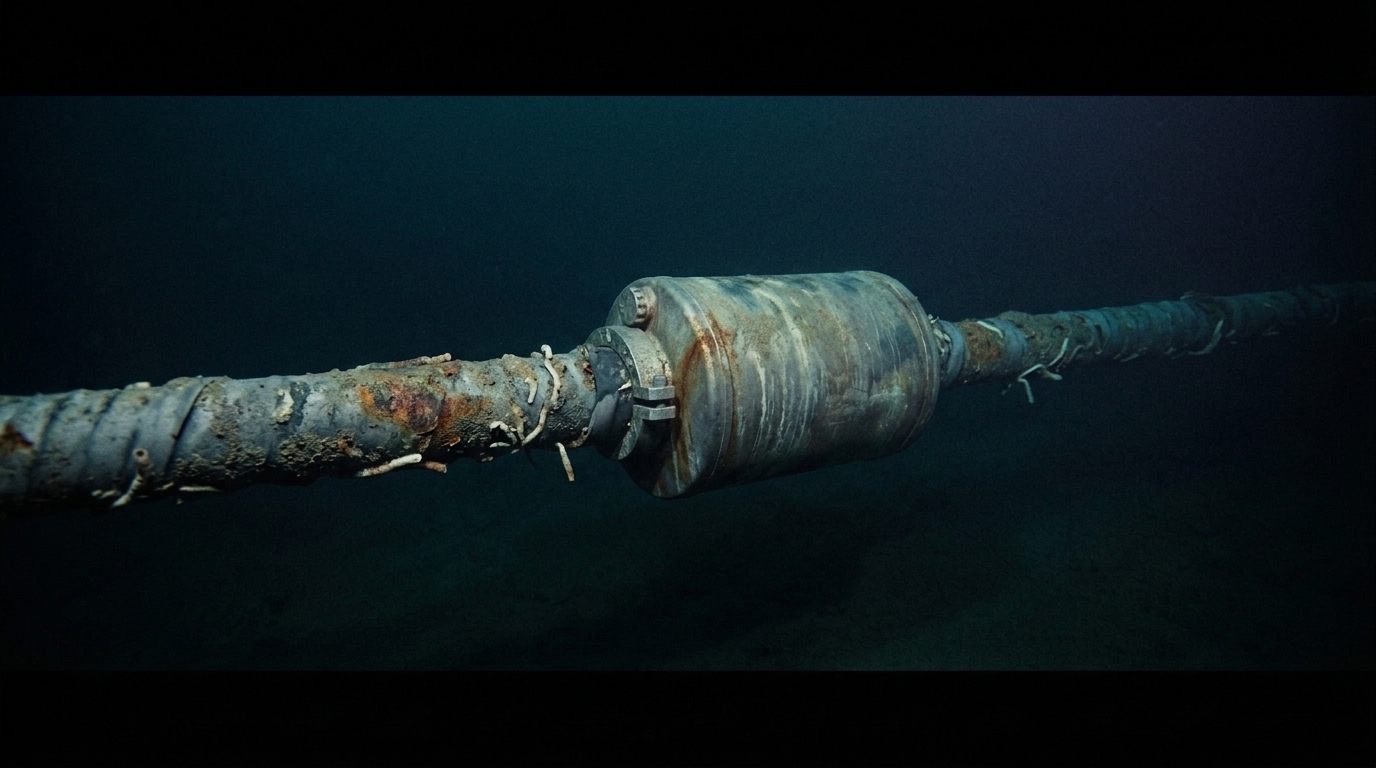
FACT: Navy divers exited Halibut and installed a recording device around the cable. The tap used induction technology—it wrapped around the cable exterior without cutting the protective sheath, detecting signals through electromagnetic induction. This non-invasive approach meant the cable's integrity remained intact, preventing pressure changes or signal degradation that might alert Soviet technicians to tampering.
The recording device operated autonomously, storing intercepted communications on magnetic tape. INFERENCE: The device likely included timing mechanisms and possibly basic filtering to manage storage capacity, though specific technical details remain classified. The tap's power supply limited recording duration, necessitating periodic retrieval and replacement missions.
Operational Cycles: Retrieval and Intelligence Processing
FACT: Following successful installation, subsequent missions by Halibut and later USS Parche returned to the tap site at regular intervals. Divers retrieved full recording pods and installed fresh replacements, establishing a collection cycle that continued for nearly a decade. These missions occurred under cover of routine naval operations, with only the submarines' commanding officers and specialized crews aware of the true objective.
The retrieved tapes were transported under heavy security to NSA facilities at Fort Meade, Maryland. FACT: The intelligence collected included Soviet naval communications, operational orders, technical discussions about submarine capabilities, and strategic planning related to Pacific Fleet deployments. This material proved invaluable to US intelligence analysts seeking to understand Soviet naval doctrine, submarine operating patterns, and strategic intentions in the Pacific theater.
FACT: The quality and scope of the intelligence led to Ivy Bells being rated among the most productive technical collection programs of the Cold War. Unlike signals intelligence gathered from radio intercepts—which the Soviets often encrypted or transmitted with awareness of potential monitoring—cable communications were considered secure, leading to more candid and operationally detailed traffic.
The Betrayal: Ronald Pelton
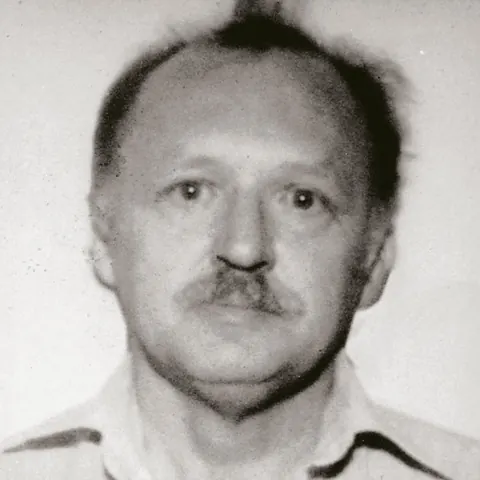
FACT: Ronald William Pelton worked as a communications specialist at NSA from 1965 to 1979. During his employment, he held Top Secret/Sensitive Compartmented Information (TS/SCI) clearances and had access to highly classified programs, including knowledge of Ivy Bells operations and technical details about the cable taps.
In July 1979, facing personal bankruptcy and financial pressures, Pelton resigned from NSA. FACT: By January 1980, he contacted the Soviet embassy in Washington, D.C., and offered to sell classified information. Over subsequent meetings with KGB handlers, Pelton provided comprehensive details about NSA operations, including specific technical and operational information about Ivy Bells.
FACT: Pelton received approximately $35,000 from Soviet intelligence in exchange for his information. The KGB immediately understood the significance of Ivy Bells. Soviet naval forces conducted a search of the Sea of Okhotsk and located the cable tap in 1981. FACT: Soviet authorities recovered the recording device and displayed it publicly, though they did not immediately disclose how they had learned of its existence, likely to protect Pelton's identity and maintain him as an intelligence asset.
Detection, Arrest, and Legal Proceedings
FACT: The Soviet discovery of the tap created immediate alarm within US intelligence. The sudden loss of this intelligence source prompted an internal investigation to determine whether operational security had been compromised or if Soviet technical countermeasures had succeeded. Initially, the cause remained unclear—the loss could have resulted from routine Soviet cable maintenance, advanced detection technology, or human betrayal.
The breakthrough came from a separate intelligence source. FACT: KGB officer Vitaly Yurchenko defected to the United States in August 1985. During his debriefing, Yurchenko revealed that a former NSA employee had approached Soviet intelligence and sold information about highly classified operations, though Yurchenko did not know the individual's name.
FACT: FBI investigators cross-referenced Yurchenko's information with records of NSA employees who had access to Ivy Bells and who had left the agency around the relevant timeframe. This analysis identified Pelton as the likely suspect. FBI surveillance and subsequent interrogation led to Pelton's confession and arrest in November 1985.
FACT: Pelton's trial in 1986 marked the first public acknowledgment of Operation Ivy Bells. Prosecutors introduced classified information about the operation under careful security procedures. The government presented evidence that Pelton had disclosed not only Ivy Bells but also other sensitive NSA programs to Soviet intelligence. Defense attorneys argued financial desperation had motivated Pelton's actions, but the court found him guilty on multiple counts of espionage.
FACT: On December 16, 1986, Judge Albert V. Bryan Jr. sentenced Pelton to life imprisonment. Pelton served his sentence at federal facilities until his parole in 2015 at age 74, having spent nearly 30 years incarcerated.
Operational Aftermath and Program Legacy
Following the compromise, the Navy assessed whether Ivy Bells could be resumed at other locations or using different methodologies. INFERENCE: The publicity surrounding Pelton's trial and the Soviet recovery of the tap likely ended opportunities for similar operations in Soviet waters, as cable security became a priority for Soviet naval planners.
FACT: However, the technical capabilities developed for Ivy Bells—specialized submarine modifications, deep-water diving protocols, autonomous recording systems—remained valuable for other intelligence collection missions. USS Parche, which had conducted later Ivy Bells missions, continued special operations throughout the Cold War and received multiple Presidential Unit Citations for classified activities.
SPECULATION: Some intelligence historians suggest that similar operations may have continued in other geographic areas or against other targets, though no official confirmation exists. The specific technical details of tap design, signal processing, and operational procedures remain classified, suggesting continued sensitivity regarding these capabilities.
Evidence Assessment
Established Facts
USS Halibut's Special Projects Conversion and Capabilities
Why this tier: Official Navy records confirm Halibut's 1968 conversion for special operations, including installation of specialized equipment and deep-submergence vehicle facilities. The submarine's successful location of K-129 wreckage is documented in declassified records.
Ronald Pelton's Employment at NSA and Security Clearances
Why this tier: Court records from United States v. Pelton establish his employment history, clearance levels, and access to classified compartmented programs during 1965–1979.
Pelton's Contact with Soviet Intelligence
Why this tier: Trial testimony, including Pelton's partial confession and corroborating witness statements, documented his January 1980 approach to the Soviet embassy and subsequent meetings with KGB officers.
Pelton's Espionage Conviction and Sentencing
Why this tier: Public court records confirm Pelton's conviction on espionage charges in 1986 and life sentence, later paroled in 2015.
Vitaly Yurchenko's Defection and Debriefing
Why this tier: Yurchenko's August 1985 defection is documented in multiple government sources and congressional testimony. His provision of information leading to Pelton's identification was confirmed during trial proceedings.
Strong Evidence
Operation Ivy Bells Existence and Basic Parameters
Why this tier: While many details remain classified, prosecutors introduced evidence about Ivy Bells during Pelton's trial, including general descriptions of submarine-based cable tap operations in the Sea of Okhotsk. Multiple government witnesses confirmed the program's existence and Pelton's access to its details.
Soviet Recovery of Cable Tap Device
Why this tier: Soviet authorities publicly displayed a recovered underwater recording device consistent with Ivy Bells technology. While the Soviets did not initially reveal how they learned of the tap's location, the timeline corresponds precisely with Pelton's betrayal.
Intelligence Value and Duration of Operations
Why this tier: Declassified portions of government damage assessments and congressional testimony indicate Ivy Bells operated for approximately ten years and produced significant intelligence, though specific operational details and intelligence content remain classified.
USS Parche's Role in Special Operations
Why this tier: Navy records confirm Parche received extensive modifications for special operations and earned multiple Presidential Unit Citations for classified missions during periods consistent with Ivy Bells operations.
Moderate Evidence
Specific Technical Details of Tap Devices
Why this tier: General descriptions of induction-based non-invasive tapping technology appear in declassified documents and trial testimony, but detailed specifications, power systems, and storage capacity remain classified. The basic operational principle is confirmed, but specifics rely on informed inference.
Exact Operational Timeline and Mission Frequency
Why this tier: While the approximate 1971–1981 operational period is well-documented, the precise dates of individual missions, number of retrieval cycles, and operational tempo remain classified or incompletely disclosed.
Financial Details of Pelton's Payments
Why this tier: The $35,000 figure appears in court records and published accounts, though the complete financial relationship between Pelton and Soviet intelligence may have included additional payments or promises not fully documented in public records.
Weak Evidence
Other Potential Similar Operations
Why this tier: Intelligence historians have speculated about additional cable-tapping operations in other locations, but no official confirmation exists. The continued classification of submarine special operations capabilities suggests ongoing sensitivity, but this does not constitute evidence of specific programs.
Complete Intelligence Product and Specific Operational Insights
Why this tier: While the general intelligence value is confirmed, the specific communications intercepted, particular military insights gained, and detailed operational intelligence derived from Ivy Bells remain almost entirely classified.
Disputed Claims
Alternative Explanations for Soviet Discovery
Why disputed: Some accounts have suggested Soviet technical countermeasures or routine maintenance might have revealed the tap independently of Pelton's betrayal. However, the temporal correlation between Pelton's disclosure and Soviet discovery, combined with Yurchenko's testimony, strongly indicates human betrayal as the primary cause.
Unsupported Claims
Ongoing Operations at Time of Pelton's Arrest
Why unsupported: Some sources suggest Ivy Bells or similar operations continued after 1981. No credible evidence supports active cable taps remaining operational after Soviet discovery, though related capabilities and different programs may have continued.
Credible Dissenting Voices
Few substantive dissenting views exist regarding Ivy Bells' basic facts, as the operation's existence was confirmed through official legal proceedings. However, intelligence professionals and historians have debated several aspects:
Professor Christopher Andrew (Cambridge University, official historian of MI5) and other intelligence historians have questioned whether the intelligence value of Ivy Bells justified the extraordinary operational risk. Andrew notes in The Sword and the Shield that while technically impressive, submarine operations in Soviet territorial waters carried significant diplomatic and military risks. Had a submarine been detected or disabled during operations, the international incident could have escalated Cold War tensions substantially. The risk-benefit calculation, Andrew suggests, may have been less favorable than proponents claimed.
Former NSA Director Admiral Bobby Ray Inman, while confirming the program's value, acknowledged in later interviews that insider threats like Pelton represented the most significant vulnerability facing technical collection programs. Inman argued that no amount of operational security could fully protect against trusted insiders with access to compartmented information, suggesting institutional limitations on the reliability of programs like Ivy Bells regardless of their technical sophistication.
John Prados, senior fellow at the National Security Archive, has written that the emphasis on Ivy Bells' success may obscure important questions about the program's full accounting of costs versus benefits. Prados notes that the financial resources, specialized personnel, and operational time devoted to Ivy Bells were substantial, and a complete assessment would need to compare its intelligence product against other collection methods and opportunities foregone.
Legacy
Ivy Bells remains significant both as a historical case study and as a continuing influence on intelligence operations and policy.
Technical Intelligence Collection Doctrine
Ivy Bells demonstrated that adversaries' assumptions about communication security could create exploitable vulnerabilities. The Soviet belief that underwater cables were inherently secure led to operational communications being transmitted with less encryption and operational security than radio traffic. This lesson influenced subsequent US and allied intelligence collection strategies: identify what adversaries believe to be secure, and target those exact channels.
Modern fiber optic cables carrying internet traffic represent a direct conceptual descendant of Ivy Bells targeting. NSA and GCHQ programs revealed by Edward Snowden in 2013, including taps on undersea fiber optic cables, reflect the same strategic insight: adversaries believe cable traffic is more secure than wireless transmission, creating opportunities for collection if technical means can be developed.
The Persistent Insider Threat
Pelton's betrayal exemplified the fundamental vulnerability of all intelligence programs to trusted insiders. No operational security measures could prevent someone with legitimate access from compromising the program. This reality drove subsequent reforms in security clearance procedures, financial monitoring of cleared personnel, and counterintelligence operations.
Admiral Stansfield Turner, CIA Director from 1977–1981, later wrote: "The Pelton case demonstrated that we could develop the most sophisticated technical capabilities in the world, but a single person with access and motivation could destroy years of work. The human element remains our greatest vulnerability."
The insider threat illustrated by Pelton influenced how subsequent programs were compartmented and how personnel with access to sensitive operations were monitored—changes visible in reactions to later cases like Chelsea Manning, Edward Snowden, and Reality Winner.
Submarine Special Operations
Ivy Bells established operational procedures and technical capabilities that influenced submarine operations for decades. The specialized submarine modifications, deep-water operational protocols, and coordinated intelligence collection procedures developed for the program became templates for other missions.
FACT: USS Parche continued special operations missions throughout the Cold War and received an unprecedented nine Presidential Unit Citations, more than any other US naval vessel. While mission details remain classified, the submarine's sustained recognition indicates continued high-value intelligence operations building on Ivy Bells foundations.
Commonly Misunderstood Claims
Several misconceptions about Ivy Bells persist in popular accounts:
Misconception: The taps physically cut into Soviet cables. Reality: The recording devices used inductive technology that detected signals through the cable's electromagnetic field without penetrating the protective sheath. This non-invasive approach was essential to avoiding detection.
Misconception: The operation was revealed by Pelton's trial. Reality: The Soviets discovered and recovered the tap in 1981, years before Pelton's arrest. His trial confirmed Western intelligence community involvement and provided operational details, but did not represent the initial compromise.
Misconception: Ivy Bells was the only submarine cable-tapping operation. Reality: While Ivy Bells is the best-documented case due to Pelton's trial, references in declassified documents suggest other cable access operations existed, though details remain classified.
Research Leads and Unresolved Questions
Future declassification may illuminate several outstanding questions. The specific intelligence product derived from Ivy Bells intercepts remains almost entirely classified—what particular insights into Soviet military planning, submarine operations, or strategic intentions did the program provide? How did this intelligence influence US naval strategy and Cold War policy decisions?
The technical specifications of the recording devices, their power systems, storage capacity, and signal processing capabilities remain classified despite the basic operational principle being known. These details would clarify the operational limitations and capabilities of the program.
Finally, whether similar operations continued after 1981 in other geographic areas or against other targets remains unclear. The sustained classification of submarine special operations capabilities suggests ongoing sensitivity, but whether this reflects active programs or merely protection of methods and sources cannot be determined from public sources.
Confidence Assessment
Operation Ivy Bells' core narrative is exceptionally well-documented through official legal proceedings, declassified government records, and multiple credible published accounts by intelligence historians with access to classified sources. The operation's existence, basic parameters, compromise by Ronald Pelton, and legal aftermath are established facts supported by direct government confirmation.
However, the operational details—specific missions, exact technical capabilities, complete intelligence product, and mission frequency—remain partially or entirely classified forty years after the program's compromise. This classification limits comprehensive assessment of the program's full scope and impact. The continued sensitivity of submarine special operations capabilities prevents complete documentation even of historical operations.
The available evidence supports high confidence in the confirmed facts while acknowledging that substantial operational detail remains beyond public access. Future declassification, particularly of mission logs, intelligence assessments, and technical specifications, would significantly enhance historical understanding without compromising current capabilities, but such releases have not yet occurred. The documentary record is strong for what happened and why it matters, but incomplete regarding precise how and comprehensive assessment of intelligence value.
Case Timeline
- 1968CORROBORATEDUSS Halibut converted for deep-sea special operations; successfully locates K-129 wreckageHalibut's conversion included installation of a 'fish' - a deep-submergence search and recovery vehicle capable of operations at extreme depths where conventional submarines could not operate.
- 1970CORROBORATEDNavy and NSA begin planning Operation Ivy Bells targeting Soviet undersea cablesThe planning phase involved NSA identifying Soviet cable locations through analysis of shoreline facilities and signal intelligence indicating undersea communications traffic patterns.
- 1971CORROBORATEDUSS Halibut conducts first mission to Sea of Okhotsk, locates cable and installs recording deviceDivers from Halibut worked in approximately 400 feet of water in Soviet territorial waters to install the inductive tap that required no physical penetration of the cable.
- 1972-1980CORROBORATEDRegular retrieval missions by Halibut and later USS Parche maintain continuous collectionThe recording pods had to be physically retrieved and replaced on regular missions because the captured data could not be transmitted remotely, requiring dangerous repeated incursions.
- 1979COURT RECORDRonald Pelton resigns from NSA facing bankruptcyPelton's financial difficulties stemmed from failed real estate investments and a divorce, which created the financial pressure that motivated his subsequent espionage.
- 1980COURT RECORDPelton contacts Soviet embassy in January; sells Ivy Bells details to KGB for $35,000Pelton walked into the Soviet embassy in Washington DC and provided detailed technical information about Ivy Bells and other NSA programs during multiple meetings with KGB handlers.
- 1981CORROBORATEDSoviet forces locate and recover cable tap in Sea of OkhotskSoviet naval forces conducted a deliberate operation to recover the tap after Pelton's information pinpointed its location, ending the decade-long collection operation.
- 1981CORROBORATEDSoviets publicly display recovered recording device without revealing source of informationThe Soviets exhibited the device in Moscow as evidence of American espionage but deliberately avoided revealing that a human source had betrayed the operation to protect Pelton.
- 1985COURT RECORDKGB officer Vitaly Yurchenko defects to US in August; reveals former NSA employee betrayed operationsYurchenko's defection in Rome provided the critical break in the case when he described a former NSA employee who had sold information about submarine operations, though he did not know Pelton's name.
- 1985COURT RECORDFBI investigation identifies Pelton; he is arrested in NovemberFBI agents narrowed the suspect pool by cross-referencing NSA employees with Ivy Bells access who had resigned around 1979-1980 and had financial problems, identifying Pelton.
- 1986COURT RECORDPelton tried and convicted of espionage; Operation Ivy Bells publicly confirmedThe trial revealed extensive details about Ivy Bells in open court despite government efforts to limit disclosures, making it one of the first public confirmations of Cold War submarine cable-tapping.
- 1986COURT RECORDPelton sentenced to life imprisonment in DecemberPelton received three concurrent life sentences plus additional years for the espionage charges, reflecting the severity of damage to national security from the compromise.
- 1990s-2000sGOVERNMENT RECORDUSS Parche continues classified special operations missions, receives multiple Presidential Unit CitationsParche became the most decorated ship in Navy history with nine Presidential Unit Citations, suggesting continued highly successful special intelligence missions well after Ivy Bells.
- 2004CREDIBLE REPORTINGUSS Parche decommissioned after decades of special operations serviceThe submarine's decommissioning ceremony was closed to the public and press due to the continuing classified nature of her Cold War and post-Cold War missions.
- 2015CREDIBLE REPORTINGRonald Pelton released on parole after serving nearly 30 yearsPelton's parole came after multiple unsuccessful appeals and followed standard federal parole guidelines for offenders who had served substantial portions of life sentences with good behavior.
- PresentCORROBORATEDOperational details remain partially classified; program studied as case study in technical intelligence and insider threatsIvy Bells is now taught in intelligence training programs as a dual lesson in technical collection success and the persistent vulnerability of operations to insider compromise.
Key People
Organizations
Evidence Library
- court filingpartial redactionCOURT-01United States v. Ronald William Pelton (1986) Trial Records
Official court records documenting Pelton's espionage trial, including prosecutors' introduction of classified evidence about Operation Ivy Bells, witness testimony, and conviction on multiple counts. First public confirmation of the program's existence.
- testimonypartial redactionINTEL-02Vitaly Yurchenko Debriefing Intelligence (1985)
KGB defector testimony identifying that a former NSA employee had sold information about classified submarine operations to Soviet intelligence. This intelligence led FBI investigators directly to Pelton.
- physicalPHYS-03Soviet Recovery of Cable Tap Device (1981)
Soviet naval forces recovered the underwater recording device from Sea of Okhotsk cable. Device was later displayed publicly, confirming sophisticated Western intelligence equipment had been operating on Soviet infrastructure.
- documentpartial redactionDOC-04USS Halibut Conversion Records and K-129 Mission Files
Partially declassified Navy records confirming Halibut's 1968 conversion for special operations and successful deep-sea intelligence missions. Establishes technical capability and operational precedent for Ivy Bells.
- documentheavy redactionDOC-05Presidential Unit Citations for USS Parche
Nine Presidential Unit Citations awarded to USS Parche for classified special operations missions. While mission details remain secret, the unprecedented number of citations indicates sustained high-value intelligence collection consistent with Ivy Bells-type operations.
- documentheavy redactionDOC-06Damage Assessment: Pelton Espionage Compromise
Partially declassified intelligence community damage assessment evaluating the impact of Pelton's betrayal on US collection capabilities and operational security. Confirms Ivy Bells among multiple compromised programs.
Evidence Gallery


Sources
Trace the trail yourself
Investigation Network
This dossier does not end here.
- ECHELONCold War signals intelligence network that captured global communications, confirmed after decades of official denial.Shared organization: National Security AgencyShared subject: Cold War, Nsa, Signals Intelligence
- Five EyesIntelligence alliance of five anglophone nations conducting globe-spanning surveillance, operating largely beyond public oversight.Shared organization: National Security AgencyShared subject: Nsa, Signals Intelligence
- The Cambridge FiveFive British intelligence officers who passed secrets to Soviet intelligence for decades during the Cold WarShared subject: Cold War, Espionage, Soviet Union
- Snowden and NSA Mass SurveillanceFormer NSA contractor exposed global surveillance apparatus, sparking debate over security versus civil liberties worldwide.Shared organization: National Security Agency
- 1979Prime Minister Thatcher publicly exposes Blunt in ParliamentThe Cambridge Five
- 1988Duncan Campbell publishes first detailed exposé of ECHELON in New Statesman magazineECHELON
- 1991Phil Zimmermann releases PGP encryption software, triggering federal criminal investigationThe Crypto Wars and Encryption Backdoors
- 1971ECHELON global surveillance network becomes operationalFive Eyes
- 1971Five Eyes alliance formalized with Canada, Australia, and New Zealand as full SIGINT partnersECHELON
- 1999U.S. relaxes cryptography export controls after sustained industry and academic pressureThe Crypto Wars and Encryption Backdoors
Live Discussion
0 Perspectives
Add to the record. Be specific. Cite where you can.
If you're learning about this topic for the first time, these are the best places to continue — documented evidence and historical relationships are the guide.

Named in “Operation Ivy Bells” and 6 other published dossiers.
Shares 1 documented key player with “Operation Ivy Bells”, including National Security Agency.
Read more dossiers like this
Get a quiet one-line bulletin when new investigative files are published. Bound to this dossier — useful for tracking follow-ups.