

Snowden and NSA Mass Surveillance
Former NSA contractor exposed global surveillance apparatus, sparking debate over security versus civil liberties worldwide.
Sign in to bookmark, follow, and message the contributor.
Executive Summary
In 2013, Edward Snowden leaked classified documents revealing the NSA's mass surveillance programs targeting Americans and foreign nationals. The disclosures ignited fierce debate about the balance between national security and privacy rights, with supporters calling Snowden a whistleblower and critics labeling him a traitor. The controversy continues over whether his actions served the public interest or damaged intelligence operations.
- 01.PRISM program collected data directly from servers of nine major U.S. internet companies under FISC-authorized compulsion.
- 02.NSA collected metadata on virtually every phone call made in the United States under Section 215 bulk collection authority.
- 03.XKeyscore system allowed analysts to search global internet data without prior authorization in real-time queries.
The Hidden Truth
What the headlines won't tell you
The Mainstream Narrative
The dominant framing splits sharply along partisan lines. Intelligence community officials and many lawmakers characterized Snowden as a criminal who violated his oath, stole classified material, and fled to adversarial nations (China, then Russia). They argue the leaks compromised ongoing operations, exposed intelligence methods, and aided terrorists. Supporters counter that Snowden exposed unconstitutional mass surveillance programs that violated the Fourth Amendment, performing a public service by revealing secret interpretations of the PATRIOT Act.
Under-Reported Dimensions
Several aspects received less sustained attention: (1) The NSA programs existed within a legal framework established by the Foreign Intelligence Surveillance Court (FISC), though critics note these courts approve virtually all government requests in secret proceedings. (2) Private telecommunications companies and tech giants were compelled partners through national security letters and FISC orders—their cooperation was legally mandated, not voluntary. (3) Post-Snowden reforms (USA FREEDOM Act 2015) ended bulk telephone metadata collection but preserved other surveillance authorities largely intact. (4) The economic impact on U.S. cloud computing companies ran into billions as foreign customers migrated to non-U.S. providers.
Credible Dissenting Voices
Intelligence professionals like former NSA director Michael Hayden maintain the programs were effective, legal, and subject to oversight by all three branches. Privacy advocates at ACLU and EFF document that FISC oversight was largely rubber-stamp approval of government requests. Academic legal scholars remain divided on whether Section 215 bulk collection was ever authorized by statute. Independent investigations by civil liberties organizations found minimal evidence that mass metadata collection prevented terrorist attacks that couldn't have been stopped through targeted surveillance.
Follow the Money
The surveillance infrastructure represents massive contracts with defense contractors and technology firms. Post-9/11 intelligence budgets expanded dramatically, creating institutional incentives to maintain and expand collection capabilities. The revolving door between intelligence agencies and private sector cybersecurity firms remains robust. Congressional oversight committees frequently defer to intelligence community assessments.
Open Questions
Did Snowden exhaust internal whistleblower channels? Intelligence officials say proper channels existed; Snowden claims he raised concerns internally without response. What was the actual operational damage? Damage assessments remain classified. Would meaningful reform have occurred without the leaks? Counterfactual history provides no clear answer. Should he receive clemency or prosecution? The question remains politically divisive.
Case Timeline
- 2001GOVERNMENT RECORDUSA PATRIOT Act enacted after 9/11 attacks, expanding surveillance authoritiesSection 215 allowed secret orders for business records deemed relevant to terrorism investigations, later interpreted by FISC to authorize bulk collection of telephone metadata on millions of Americans.
- 2006CREDIBLE REPORTINGNSA warrantless wiretapping program revealed by New York TimesThe Times report disclosed President Bush had authorized the NSA to eavesdrop on Americans' international communications without warrants required by the Foreign Intelligence Surveillance Act.
- 2013CORROBORATEDSnowden contacts journalists Greenwald and Poitras with classified NSA documentsSnowden, working as an NSA contractor for Booz Allen Hamilton in Hawaii, systematically downloaded thousands of classified documents detailing surveillance programs before initiating encrypted communications with the journalists.

Minneapolis, Minnesota June 18, 2013 About 40 people met outside Minnesota Senator Amy Klobuchar's office to protest National Security Agency NSA) surveillance programs. The existence of PRISM, a surveillance program run by the NSA since 20 - 2013PRIMARY SOURCEGuardian and Washington Post begin publishing revelations about PRISM and bulk metadata collectionThe initial publications revealed PRISM's direct access to user data from Microsoft, Yahoo, Google, Facebook and other tech companies, plus Section 215 bulk collection of Verizon call records affecting millions of Americans.
Minneapolis, Minnesota June 18, 2013 About 40 people met outside Minnesota Senator Amy Klobuchar's office to protest National Security Agency NSA) surveillance programs. The existence of PRISM, a surveillance program run by the NSA since 20 - 2013CORROBORATEDSnowden flees to Hong Kong, then receives temporary asylum in RussiaSnowden's U.S. passport was revoked while he was in transit through Moscow's Sheremetyevo Airport en route to Latin America, effectively stranding him in Russia where he remains as of 2024.
Minneapolis, Minnesota June 18, 2013 About 40 people met outside Minnesota Senator Amy Klobuchar's office to protest National Security Agency NSA) surveillance programs. The existence of PRISM, a surveillance program run by the NSA since 20 - 2013GOVERNMENT RECORDPresident Obama defends programs, promises reforms, establishes review groupObama's Review Group on Intelligence and Communications Technologies issued 46 recommendations in December 2013, including ending bulk metadata storage by the NSA and requiring judicial approval for individual queries.
Minneapolis, Minnesota June 18, 2013 About 40 people met outside Minnesota Senator Amy Klobuchar's office to protest National Security Agency NSA) surveillance programs. The existence of PRISM, a surveillance program run by the NSA since 20 - 2013COURT RECORDU.S. charges Snowden with espionage and theft of government propertyThe Justice Department filed criminal charges under the Espionage Act of 1917 for unauthorized communication of national defense information and willful communication of classified intelligence to unauthorized persons.
Minneapolis, Minnesota June 18, 2013 About 40 people met outside Minnesota Senator Amy Klobuchar's office to protest National Security Agency NSA) surveillance programs. The existence of PRISM, a surveillance program run by the NSA since 20 - 2015GOVERNMENT RECORDUSA FREEDOM Act ends NSA bulk telephone metadata collection programThe legislation required telephone companies to retain metadata instead of NSA, with government access only through specific FISC-approved queries, though critics noted other bulk collection authorities remained unchanged.
- 2016DISPUTEDHouse Intelligence Committee releases report condemning SnowdenThe bipartisan report concluded Snowden was not a whistleblower, caused tremendous damage to national security, and had contact with Russian intelligence before fleeing, though privacy advocates disputed these findings.
- 2020COURT RECORDU.S. appeals court rules NSA bulk collection program was illegalThe Ninth Circuit Court ruled the warrantless telephone metadata dragnet exceeded statutory authorization under Section 215 and may have been unconstitutional, though stopped short of declaring Fourth Amendment violations.
- 2022CORROBORATEDRussia grants Snowden citizenship amid continued U.S. extradition effortsPutin granted full citizenship after Snowden had lived in Russia for nine years on temporary asylum and residency permits, further complicating any potential return to face U.S. charges.
Key People
Organizations
Evidence Library
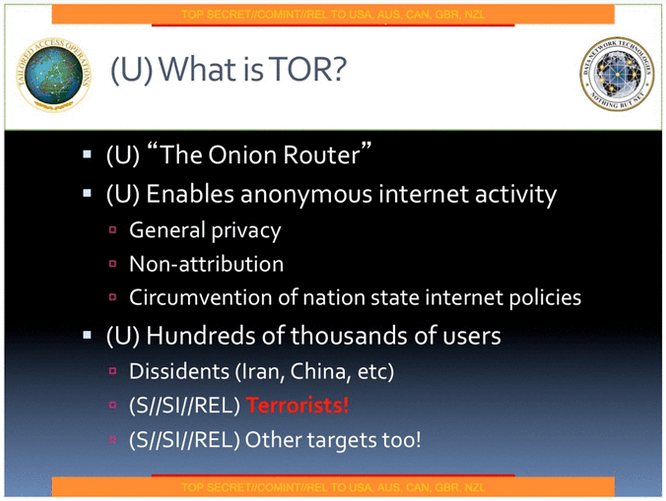
- leakpartial redactionDOC-A1The Snowden Archive: Classified NSA Documents
Collection of thousands of classified NSA documents leaked by Snowden detailing mass surveillance programs including PRISM, Upstream collection, XKeyscore, and international intelligence partnerships. Represents the primary source evidence for surveillance program revelations, published in redacted form by The Guardian, Washington Post, and other outlets. Authenticated by government acknowledgment and criminal charges.
- court filingDOC-A2U.S. v. Moalin (9th Circuit, 2020): Ruling on NSA Bulk Collection
Federal appellate decision holding that the NSA's bulk telephone metadata collection program exceeded Section 215 authority and was likely unconstitutional. Provides definitive judicial finding that a central Snowden disclosure concerned an illegal program, contradicting government claims of full legality.
- documentpartial redactionDOC-A3FISC Primary Order: Verizon Business Records (April 2013)
Declassified Foreign Intelligence Surveillance Court order compelling Verizon to produce daily metadata on all telephone calls in its systems to NSA. First published by The Guardian in June 2013, this document proved the existence of domestic bulk collection and became iconic evidence of surveillance overreach.
- documentDOC-A4Presidential Review Group Report (December 2013)
Obama administration's independent review following Snowden disclosures concluded bulk metadata collection was not essential to preventing attacks and recommended 46 reforms. Provides government acknowledgment that surveillance programs raised serious policy concerns even while defending their legality.
- documentpartial redactionDOC-A5House Intelligence Committee Report on Snowden (2016)
Bipartisan congressional investigation report concluding Snowden caused extensive damage, was not a whistleblower, and had contact with Russian intelligence. Represents official government position condemning Snowden's actions, though disputed by privacy advocates and some legal experts on factual claims.
- court filingDOC-A6Criminal Complaint: U.S. v. Edward J. Snowden (June 2013)
Federal charges under 18 U.S.C. § 793 (Espionage Act) and 18 U.S.C. § 641 (theft of government property) filed in Eastern District of Virginia. Establishes legal basis for characterizing Snowden as fugitive from justice, though charges remain contested by those viewing disclosures as protected whistleblowing.
- documentDOC-A7USA FREEDOM Act of 2015 (Public Law 114-23)
Legislative reform ending NSA bulk telephone metadata collection under Section 215, requiring data retention by telecoms with government access through specific approved queries. Represents concrete policy change resulting from Snowden revelations, though privacy advocates note limited scope of reforms.
- documentDOC-A8Berkman Klein Center: 'Don't Panic' Report (2015)
Harvard academic analysis finding NSA surveillance programs made minimal unique contributions to counterterrorism efforts, with most terrorist plots disrupted through traditional investigation. Provides independent scholarly assessment contradicting government claims about program necessity.
Evidence Gallery




Sources
Trace the trail yourself
Investigation Network
 Edward SnowdenPerson3 dossiers
 Glenn GreenwaldPerson1 dossier
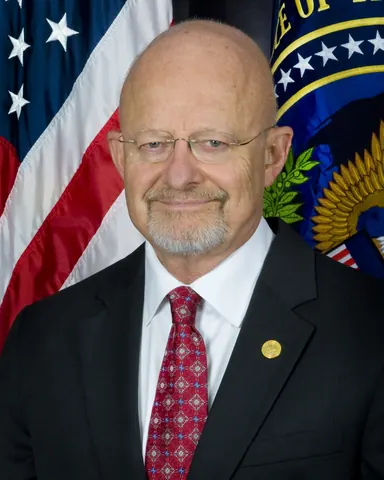 James ClapperPerson1 dossier
 Laura PoitrasPerson1 dossier
 National Security AgencyGovernment Agency7 dossiers
 Electronic Frontier FoundationOrganization2 dossiers
 American Civil Liberties UnionOrganization1 dossier
 Foreign Intelligence Surveillance CourtGovernment Agency1 dossier
This dossier does not end here.
- Five EyesIntelligence alliance of five anglophone nations conducting globe-spanning surveillance, operating largely beyond public oversight.Shared person: Edward SnowdenShared organization: National Security AgencyShared subject: Edward Snowden, Mass Surveillance, Nsa
- The Crypto Wars and Encryption BackdoorsDecades-long battle over whether governments should mandate encryption backdoors for law enforcement accessShared person: Edward SnowdenShared organization: National Security AgencyShared organization: Electronic Frontier Foundation
- ECHELONCold War signals intelligence network that captured global communications, confirmed after decades of official denial.Shared organization: National Security AgencyShared subject: Mass Surveillance, Nsa
- Operation Ivy BellsThe Navy's decade-long submarine tap on Soviet undersea cables—exposed by a single NSA traitorShared organization: National Security Agency
- 2013Snowden revelations expose NSA's BULLRUN program systematically weakening encryption standardsThe Crypto Wars and Encryption Backdoors
- 2013General James Cartwright indicted for leaking classified information about StuxnetStuxnet
- 2013Edward Snowden reveals mass surveillance programs including PRISM and TemporaFive Eyes
- 2013Edward Snowden disclosures reveal ECHELON successors including PRISM, XKeyscore, and Tempora programsECHELON
- 2012New York Times publishes detailed account confirming US-Israeli operationStuxnet
- 2012Iran launches retaliatory cyberattacks including Shamoon against Saudi AramcoStuxnet
Live Discussion
0 Perspectives
Add to the record. Be specific. Cite where you can.
If you're learning about this topic for the first time, these are the best places to continue — documented evidence and historical relationships are the guide.
Named in “Snowden and NSA Mass Surveillance” and 6 other published dossiers.
Named in “Snowden and NSA Mass Surveillance” and 2 other published dossiers.
Shares 3 documented key players with “Snowden and NSA Mass Surveillance”, including National Security Agency.
Read more dossiers like this
Get a quiet one-line bulletin when new investigative files are published. Bound to this dossier — useful for tracking follow-ups.