Zvi Zamir
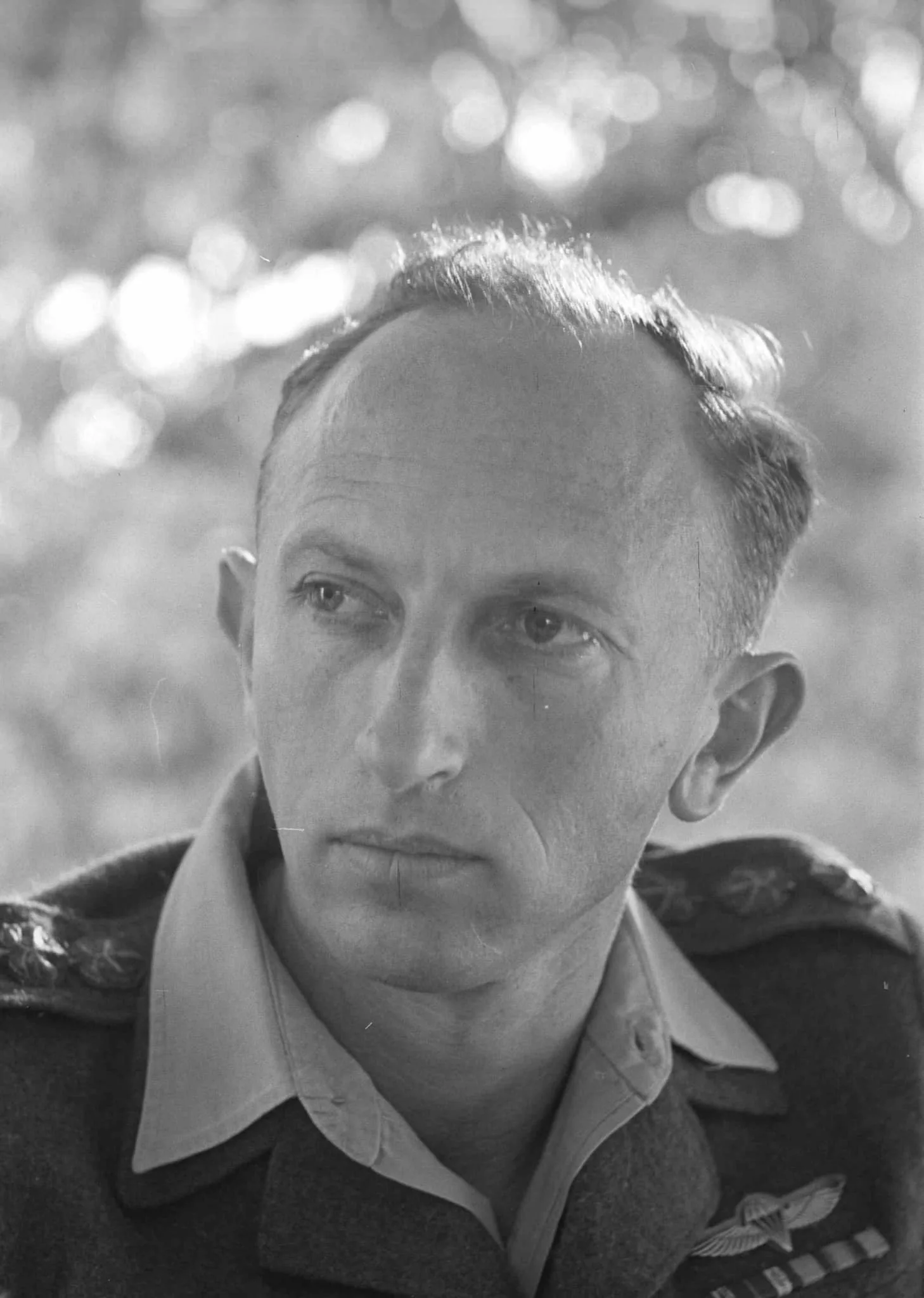
Zvi Zamir (1925–2011) served as Director of Mossad from 1968 to 1974, leading Israel's intelligence service during the Munich Olympics massacre aftermath and the 1973 Yom Kippur War. He authorized and oversaw Operation Wrath of God, the covert assassination campaign targeting individuals identified as Black September operatives responsible for the Munich attack, and played a central role in navigating the operationa… Zvi Zamir appears in The Archive as the commanding intelligence director who authorized and supervised one of the most controversial targeted killing programs of the 20th century.
Zvi Zamir (1925–2011) served as Director of Mossad from 1968 to 1974, leading Israel's intelligence service during the Munich Olympics massacre aftermath and the 1973 Yom Kippur War. He authorized and oversaw Operation Wrath of God, the covert assassination campaign targeting individuals identified as Black September operatives responsible for the Munich attack, and played a central role in navigating the operational and political consequences when the campaign mistakenly killed an innocent Moroccan waiter in Lillehammer, Norway.
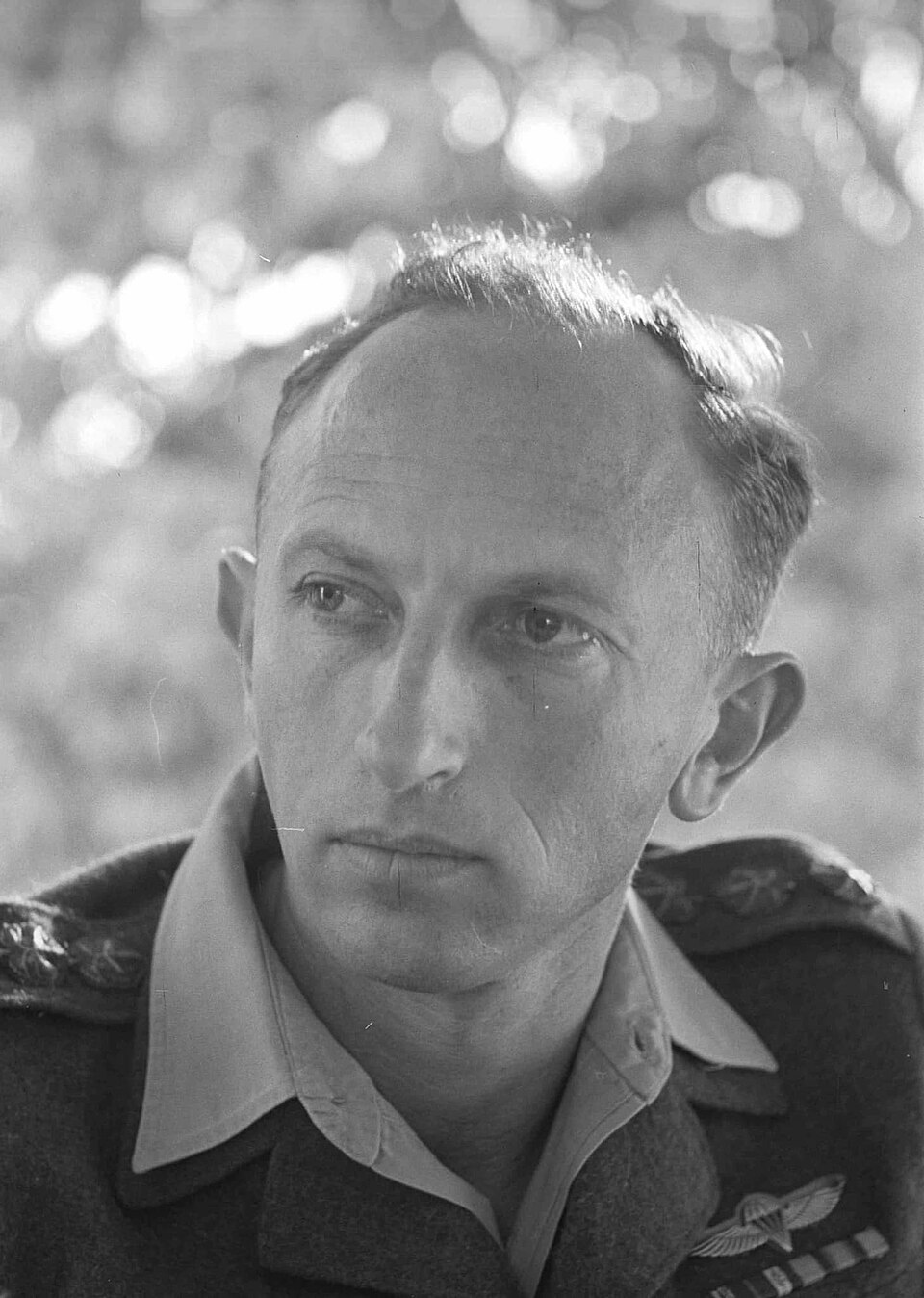
- Source
- Wikimedia Commons
- Type
- Photograph
- License
- CC BY-SA 3.0
- Photographer
- Avraham Vered
- Year
- 1960
Photo Information ▾
פורטרט, אלוף משנה, צבי זמיר.
This file contains IDF content and released by the Israeli Defence Forces Spokesperson's Unit . To view all images…
View original ↗- Full name
- Zvi Zamir (born Zvi Zmirowsky)
- Born
- 17 February 1925, Poland
- Died
- 2 April 2011, Israel
- Nationality
- Israeli
- Military service
- Haganah, Palmach, Israel Defense Forces (IDF); attained rank of major general
- Mossad Director
- 1968–1974
- Key operations overseen
- Operation Wrath of God (1972–1974), intelligence activities during Yom Kippur War (1973)
- Preceded by
- Meir Amit (Mossad Director)
- Succeeded by
- Yitzhak Hofi (Mossad Director)
- Post-Mossad role
- Member of Knesset (1977–1981), Likud party
- Notable controversy
- Lillehammer affair (1973), mistaken identity killing of Ahmed Bouchiki
Zvi Zamir appears in The Archive as the commanding intelligence director who authorized and supervised one of the most controversial targeted killing programs of the 20th century. His tenure illustrates the intersection of state-sanctioned covert action, intelligence failures, and the legal and ethical questions surrounding extraterritorial assassination operations. The Lillehammer affair—where Mossad agents under his authority killed Ahmed Bouchiki, a case of mistaken identity—became a documented intelligence disaster with arrests, trials, and international diplomatic fallout. Zamir's role provides essential context for understanding how intelligence agencies navigate operational authorization, accountability, and the consequences of errors in lethal covert operations.
Identity
Zvi Zamir was born Zvi Zmirowsky on 17 February 1925 in Poland, emigrating to Mandatory Palestine in 1926. He became a central figure in Israeli intelligence and military circles, serving as Director of Mossad—Israel's national intelligence agency—from 1968 to 1974, a period encompassing the Munich Olympics massacre, Operation Wrath of God, and the 1973 Yom Kippur War. His tenure is documented through declassified records, testimony before Israeli governmental inquiries, court proceedings in Norway, and multiple scholarly histories of Israeli intelligence operations.
Zamir's career trajectory followed the pattern of many early Israeli leaders: military service in pre-state underground forces, transition into formal military command, and elevation to senior intelligence positions. His operational decisions as Mossad Director—particularly the authorization of targeted killings abroad and the handling of the Lillehammer debacle—place him at the center of debates over intelligence accountability, the legal boundaries of state action, and the consequences of operational failures in covert assassination programs.
Career & Roles
Zamir joined the Haganah, the Jewish paramilitary organization in Mandatory Palestine, and later served in the Palmach, its elite fighting force. Following Israel's independence in 1948, he continued military service in the Israel Defense Forces, rising to the rank of major general. He commanded the Southern Command and served as military attaché in London before transitioning to intelligence work.
In 1968, Prime Minister Levi Eshkol appointed Zamir as the sixth Director of Mossad, succeeding Meir Amit. Zamir's appointment came during a period of escalating Palestinian militant activity and growing Israeli reliance on intelligence and special operations to counter threats beyond its borders. His directorship coincided with the hijackings and international attacks orchestrated by Palestinian groups, culminating in the Black September Organization's massacre of eleven Israeli athletes and coaches at the 1972 Munich Olympics.
Following the Munich attack, Prime Minister Golda Meir convened a small committee—sometimes referred to in Israeli sources as Committee X or the "Wrath of God" committee—comprising Zamir, Defense Minister Moshe Dayan, and senior political and military officials. This group authorized Mossad to hunt and kill individuals identified as planners and operatives of Black September. Zamir oversaw the implementation of this mandate through Mossad's Caesarea unit, the service's covert operations branch responsible for assassinations and sabotage.
Zamir remained Mossad Director through the 1973 Yom Kippur War, a conflict that began with a massive intelligence failure when Egyptian and Syrian forces launched a surprise attack on Israel during the Jewish holy day. The Agranat Commission, established by the Israeli government to investigate the intelligence failures leading to the war, examined Mossad's performance. While the commission's findings primarily faulted IDF Military Intelligence rather than Mossad, Zamir's tenure was nonetheless scrutinized for systemic weaknesses in intelligence assessment and warning.
He stepped down as Mossad Director in September 1974 and subsequently entered politics, serving as a Member of Knesset for the Likud party from 1977 to 1981. After leaving public life, he maintained a low profile until his death in 2011.
Organizations & Networks
As Mossad Director, Zamir commanded an intelligence service structured into operational divisions, including the Caesarea unit responsible for special operations and targeted killings. Caesarea operatives, under Zamir's authority, conducted surveillance, prepared target profiles, and carried out assassinations during Operation Wrath of God. The unit's commander during much of this period was Mike Harari, a veteran operations officer who directly oversaw many of the mission teams.
Zamir's position placed him at the nexus of Israeli political and military decision-making. He reported directly to the Prime Minister and worked closely with the IDF, Shin Bet (Israel's internal security service), and the Israeli Police. His authorization was required for major covert operations, and he participated in high-level consultations on national security policy.
The organizational culture of Mossad under Zamir emphasized compartmentalization and operational security, but the Lillehammer affair exposed significant lapses in intelligence tradecraft, operational discipline, and command oversight. The arrest of six Mossad operatives in Norway revealed details of the operational structure, safe house networks, and communication methods employed during assassination missions.
Major Operations & Activities
Zamir's directorship is most prominently associated with Operation Wrath of God, the multi-year campaign to assassinate members of Black September and other Palestinian militant figures. The operation began in late 1972, shortly after the Munich massacre, and continued into 1974. Documented assassinations attributed to Mossad during this period include the killings of Wael Zwaiter in Rome (October 1972), Mahmoud Hamshari in Paris (December 1972), and Hussein Al Bashir in Cyprus (April 1973), among others. These operations were carried out by small teams of Caesarea operatives who conducted surveillance, prepared explosive devices, and executed the killings before exfiltrating from the target countries.
The most significant operational failure occurred in Lillehammer, Norway, on 21 July 1973, when a Mossad team mistakenly killed Ahmed Bouchiki, a Moroccan waiter, believing him to be Ali Hassan Salameh, a senior Black September operative and suspected mastermind of the Munich attack. The error resulted from flawed surveillance and faulty identification. Norwegian police arrested six operatives; five were convicted in January 1974 of complicity in the murder and related charges, receiving prison sentences ranging from one to five and a half years. The exposure of Mossad personnel and methods constituted a severe intelligence compromise and damaged Israel's diplomatic relations with Norway and other European states.
Zamir also oversaw Mossad operations during the Yom Kippur War, though the service's role was overshadowed by the intelligence failures of IDF Military Intelligence. Mossad had obtained warnings of impending Egyptian and Syrian military preparations, but the information was not effectively integrated into Israel's threat assessment. Zamir personally flew to Europe on the eve of the war to meet with a high-level Egyptian source, but by the time he returned to brief Israeli leadership, the attack was imminent.
Historical Importance
Zvi Zamir's tenure as Mossad Director represents a pivotal period in the history of Israeli intelligence and the evolution of state-sponsored targeted killing programs. His authorization and oversight of Operation Wrath of God established precedents for Israel's ongoing policy of extraterritorial assassination against individuals identified as security threats. The operation has been extensively studied by scholars of intelligence, terrorism, and international law as an example of covert action intended to serve both operational (disrupting terrorist networks) and deterrent (signaling consequences for attacks on Israel) purposes.
The Lillehammer affair remains a landmark case study in intelligence failure, operational security, and accountability. The arrests, trials, and public exposure of Mossad methods provided rare documentary evidence of how assassination operations are planned and executed, including details of agent recruitment, surveillance techniques, communication protocols, and exfiltration planning. Norwegian court records and police investigations offer some of the most detailed publicly available documentation of Mossad tradecraft during this era.
Zamir's role also illustrates the political and legal challenges faced by intelligence directors when operations go wrong. Unlike many covert action programs that remain classified indefinitely, the Lillehammer arrests forced a degree of public accountability uncommon in the intelligence world. While the Israeli government never officially acknowledged Mossad's responsibility, the trials and subsequent diplomatic negotiations left little doubt about the operation's origins.
Historically, Zamir's directorship coincided with the broader shift in Israeli security policy toward proactive and often legally controversial counterterrorism measures. The decisions made during his tenure—particularly the embrace of assassination as a tool of statecraft—shaped Israel's approach to security threats for decades and influenced the counterterrorism strategies of other democratic states grappling with non-state armed groups.
Documented Controversies
Official Record The Lillehammer affair stands as the central documented controversy of Zamir's career. On 21 July 1973, Mossad operatives shot and killed Ahmed Bouchiki, a Moroccan waiter living in Lillehammer, Norway, in a case of mistaken identity. Norwegian police arrested six individuals connected to the operation; court proceedings in January 1974 convicted five of them for their roles in the killing. The trial record, which included testimony from arrested operatives and documentary evidence seized by Norwegian authorities, confirmed the involvement of Israeli intelligence, though the Israeli government issued no official acknowledgment. The mistake resulted from misidentification of Bouchiki as Ali Hassan Salameh, a Black September leader who was not killed until 1979 in Beirut.
Government Finding The Agranat Commission, established to investigate Israel's intelligence failures before the Yom Kippur War, examined Mossad's performance under Zamir's leadership. While the commission's findings primarily faulted IDF Military Intelligence Chief Eli Zeira and recommended his dismissal, the broader systemic failures in intelligence coordination and threat assessment implicated multiple agencies, including Mossad. The commission's report, partially declassified over subsequent decades, documented failures in intelligence sharing and analysis during the critical days before the Egyptian and Syrian attack on 6 October 1973.
Historical Consensus Scholarly research consistently identifies Zamir as the authorizing official for Operation Wrath of God assassinations. Historians including Ronen Bergman, Aaron J. Klein, and Simon Reeve have documented Zamir's role using Israeli government sources, interviews with former Mossad personnel, and declassified materials. While the Israeli government has never released comprehensive operational records, the historical consensus based on multiple corroborating sources places Zamir at the apex of command responsibility for the operation's successes and failures.
Credible Allegation Some accounts suggest internal Mossad debates over the wisdom and morality of the assassination campaign, with allegations that Zamir faced dissent from officers concerned about operational risks, legal exposure, and the moral implications of targeted killings. These accounts, based on anonymous interviews with former intelligence personnel, cannot be fully verified through official records but are consistent with documented tensions within intelligence services tasked with controversial missions. The extent of Zamir's personal reservations or his responsiveness to internal criticism remains a matter of historical interpretation rather than documented fact.
Disputed Claim The precise decision-making process for target selection during Operation Wrath of God remains disputed. Some sources describe a highly centralized process with Zamir personally approving each target based on intelligence assessments; others suggest a more distributed authority with operational commanders exercising significant discretion. The lack of declassified targeting protocols means the exact lines of authority and accountability cannot be definitively established from public records. This ambiguity is significant because it affects historical judgments about responsibility for operational errors like Lillehammer.
Investigations & Legal Proceedings
The Norwegian investigation and prosecution following the Lillehammer killing represents the most significant legal proceeding connected to Zamir's tenure. Norwegian police arrested six individuals in the days following Bouchiki's murder: Dan Aerbel, Marianne Gladnikoff, Michael Dorf, Sylvia Rafael, Abraham Gehmer, and Zwi Steinberg. In January 1974, a Norwegian court convicted five (acquitting Dorf) on charges ranging from complicity in murder to weapons violations and espionage-related offenses. Sylvia Rafael, one of the most experienced operatives, received a five-and-a-half-year sentence; others received shorter terms.
The trial provided extensive documentation of Mossad operational methods, including the use of false identities, safe houses, surveillance techniques, and communication protocols. Norwegian authorities recovered forged passports, operational logs, and other materials that revealed aspects of Caesarea tradecraft. While Zamir was never personally charged or named as a defendant, Norwegian legal proceedings and subsequent diplomatic negotiations implicitly identified the Israeli government as responsible for the operation.
The Agranat Commission conducted the primary Israeli governmental investigation touching Zamir's performance, though its focus was the Yom Kippur War intelligence failure rather than assassination operations. The commission interviewed Zamir extensively about Mossad's pre-war intelligence and warning processes. Its findings, released in partial form in 1974 and gradually declassified over subsequent decades, did not result in any recommendation for Zamir's removal, though the broader intelligence community restructuring that followed the war contributed to his decision to step down later that year.
No international tribunal or human rights body formally investigated Operation Wrath of God or Zamir's role during his lifetime, though legal scholars and human rights organizations have retrospectively analyzed the campaign's compliance with international law, particularly principles governing the use of force, sovereignty, and extrajudicial killing.
Denials & Disputes
The Israeli government maintained a policy of neither confirming nor denying Mossad involvement in specific operations throughout Zamir's directorship and for decades afterward. While Zamir never publicly discussed operational details of assassinations or covert actions during his tenure, this silence was consistent with standard intelligence practice rather than personal evasion. After leaving Mossad, he occasionally gave guarded interviews on general intelligence matters but avoided specific operational disclosures.
Following the Lillehammer arrests, Israeli officials did not publicly acknowledge Mossad's role, though diplomatic efforts to secure the release of imprisoned operatives implicitly confirmed state involvement. The Norwegian government negotiated directly with Israeli counterparts, and the convicted operatives were released earlier than their sentences specified, following diplomatic agreements that were never fully made public.
Disputes persist among historians about the effectiveness and moral justification of Operation Wrath of God. Some Israeli historians and former intelligence officials defend the campaign as a necessary and largely successful effort to disrupt Black September's operational capacity and deter future attacks. Critics, including some former Mossad personnel, argue the operation diverted resources from more effective intelligence work, damaged Israel's international standing, and raised profound legal and ethical questions about targeted killing. Zamir's own views on these debates remain largely undocumented; he did not publish memoirs or participate extensively in historical reassessments of the operation.
The question of whether Operation Wrath of God constituted lawful self-defense under international law or violated prohibitions on extrajudicial killing remains contested among legal scholars. Israel has consistently maintained that its targeted killing policy, both during Zamir's era and subsequently, constitutes legitimate self-defense against ongoing threats, a position disputed by international human rights organizations and many legal experts.
Legacy & Historical Debate
Zvi Zamir's legacy is inseparable from the broader debate over Israel's targeted killing policy and the role of intelligence services in democratic states. His tenure established operational precedents and institutional practices that shaped Israeli counterterrorism strategy for decades. The infrastructure, methods, and organizational culture developed under his directorship continued to influence Mossad operations long after his departure.
The Lillehammer affair's exposure of operational failures prompted significant changes in Mossad tradecraft, including enhanced operational security protocols, more rigorous target verification procedures, and improved coordination between field operatives and headquarters. These reforms, documented in scholarly accounts based on interviews with intelligence personnel, represent Zamir's indirect legacy: an intelligence service that learned from catastrophic failure.
Historians continue to debate the strategic effectiveness of Operation Wrath of God. Proponents argue the campaign disrupted Black September's operational capacity and demonstrated Israel's willingness to pursue attackers anywhere in the world, potentially deterring future attacks. Skeptics contend the assassinations did not prevent subsequent terrorism, may have radicalized new recruits to militant groups, and diverted resources from more effective intelligence collection and preventive security measures. Definitive assessment is complicated by the difficulty of measuring deterrence and the absence of comprehensive declassified assessments of the operation's impact.
Zamir's role also features in broader discussions of intelligence accountability in democracies. The small, secretive committee that authorized assassinations operated with minimal legislative oversight, raising questions about executive power, judicial review, and the rule of law that remain relevant to contemporary debates over targeted killing programs, drone strikes, and covert action. The Lillehammer case demonstrated that even highly secretive operations can face exposure and accountability, though the mechanisms of accountability—foreign criminal prosecution rather than domestic legislative or judicial review—were exceptional rather than systematic.
Scholars of intelligence history often cite Zamir's directorship when analyzing the challenges intelligence directors face in balancing operational imperatives, political direction, legal constraints, and ethical considerations. His tenure illustrates how individual leadership decisions in intelligence work can have profound long-term consequences, both operationally and in shaping institutional culture and national policy.
Continue Investigating
The full documentary record of Zvi Zamir's tenure as Mossad Director remains classified in Israeli archives, limiting comprehensive historical assessment. Researchers seeking to understand his role and the operations conducted under his authority should examine the documented outcomes—particularly the Lillehammer trial records and the Agranat Commission findings—alongside comparative analysis of targeted killing programs conducted by other states.
Key areas for continued investigation include the decision-making processes within the Israeli government for authorizing assassinations, the intelligence methodologies used for target identification and operational planning, and the long-term strategic effects of Operation Wrath of God on Palestinian militant organizations and Israeli security. Declassification of additional government records, memoirs from intelligence personnel, and diplomatic archives from countries where operations occurred would significantly enhance historical understanding.
Zamir's story intersects with several related Archive dossiers, including the Operation Wrath of God campaign itself, the Black September Organization whose members were targeted, and specific figures such as Golda Meir who authorized the operations, Moshe Dayan who participated in oversight, Mike Harari who commanded field operations, Ali Hassan Salameh who evaded the Lillehammer team, and Ahmed Bouchiki who died as a result of operational failure. The Mossad Caesarea unit that executed the assassinations represents the organizational instrument through which Zamir's decisions were implemented. Examination of these interconnected entities provides essential context for understanding the intelligence, political, and ethical dimensions of state-sponsored targeted killing in the late 20th century.
- 1925Born Zvi Zmirowsky in Poland on 17 February
- 1926Emigrated to Mandatory Palestine
- 1940sServed in Haganah and Palmach underground forces
- 1948Continued military service in newly formed Israel Defense Forces following independence
- 1960sRose to rank of major general; commanded IDF Southern Command and served as military attaché in London
- 1968Appointed Director of Mossad by Prime Minister Levi Eshkol
- 1972September: Black September Organization massacres Israeli athletes at Munich Olympics; Zamir subsequently authorized Operation Wrath of God
- 1972-1973Oversaw series of assassinations targeting Palestinian figures across Europe and Middle East
- 197321 July: Mossad operatives mistakenly kill Ahmed Bouchiki in Lillehammer, Norway; six operatives arrested
- 1973October: Yom Kippur War begins with intelligence failure; Zamir's pre-war intelligence efforts examined by subsequent investigation
- 1974January: Norwegian court convicts five Mossad operatives for roles in Bouchiki killing
- 1974Agranat Commission investigates Yom Kippur War intelligence failures, examining Mossad's performance
- 1974September: Stepped down as Mossad Director; succeeded by Yitzhak Hofi
- 1977-1981Served as Member of Knesset for Likud party
- 1981Left public life after single Knesset term
- 2011Died on 2 April in Israel
- S1Rise and Kill First: The Secret History of Israel's Targeted AssassinationsRandom House · book
- S2Vengeance: The True Story of an Israeli Counter-Terrorist TeamSimon & Schuster · book
- S3The Sword and the Olive: A Critical History of the Israeli Defense ForcePublicAffairs · book
- S4The Death in Norway: The Mossad's Biggest BlunderThe Guardian · mainstream
- S5Five Israelis Sentenced in Norway KillingThe New York Times · mainstream
- S6The 1973 Arab-Israeli WarEncyclopaedia Britannica · reference
- S7Gideon's Spies: The Secret History of the MossadSt. Martin's Press · book
- S8Intelligence and the Yom Kippur WarJSTOR / Journal of Strategic Studies · academic
- S9Targeted Killing in International LawOxford University Press · academic
- S10The Israeli Response to the 1972 Munich Olympic Massacre and the Development of Independent Covert Action TeamsJSTOR / Marine Corps University Journal · academic
- S11MossadWikipedia · reference
- S12Zvi Zamir, Former Mossad Chief, Dies at 86The New York Times · mainstream
If you're learning about this topic for the first time, these are the best places to continue — documented evidence and historical relationships are the guide.
Zvi Zamir is documented in the evidence record of this published dossier.
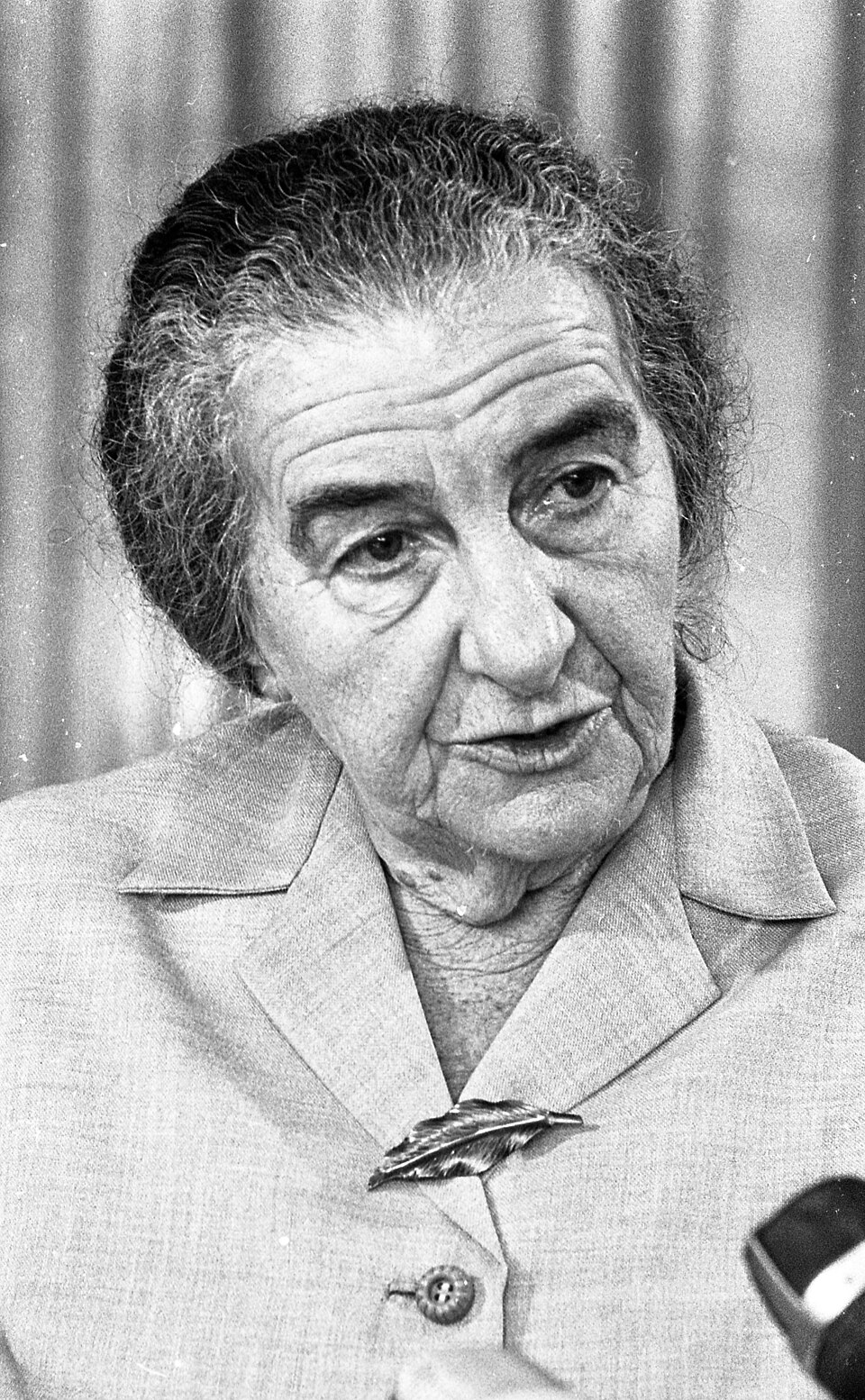
Prime Minister who authorized Operation Wrath of God and oversaw Zamir's conduct of the campaign.
Palestinian militant group whose members were targeted by Operation Wrath of God.