
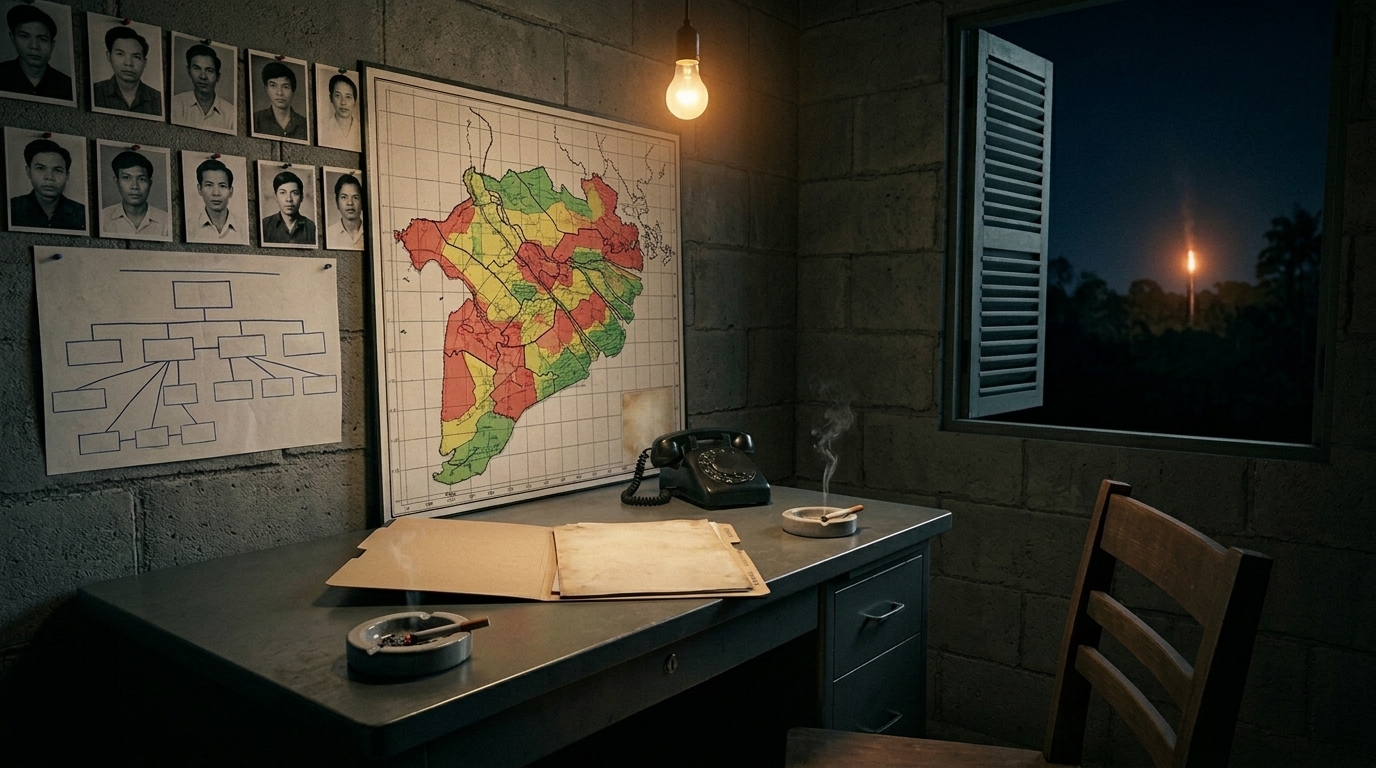
The Phoenix Program in Vietnam
CIA's targeted assassination program in Vietnam: 20,000+ deaths, torture, and the birth of modern counterinsurgency
Sign in to bookmark, follow, and message the contributor.
Executive Summary
The Phoenix Program was a CIA-coordinated counterinsurgency initiative during the Vietnam War designed to 'neutralize' Viet Cong infrastructure through capture, interrogation, and assassination. Controversial for its systematic use of torture, assassinations of civilians, and body counts that became quotas, the program remains debated as either effective counterinsurgency or state-sanctioned murder that radicalized Vietnamese populations and violated international law.
- 01.Provincial Reconnaissance Units operated with CIA-issued 'get out of jail free' cards authorizing extrajudicial killings without South Vietnamese legal oversight.
- 02.Computerized target selection systems averaged 3,000 names per province with minimal vetting; quotas required 1,800 monthly 'neutralizations' nationwide by 1969.
- 03.Interrogation centers at Bien Hoa and Con Son Island tested techniques later documented in CIA's KUBARK manual and disseminated to Latin American regimes.
The Hidden Truth
What the headlines won't tell you
The Mainstream Narrative
The Phoenix Program (1965-1972) is typically described as a counterinsurgency effort to identify and dismantle Viet Cong political infrastructure in South Vietnam. Official accounts emphasize intelligence gathering, coordination between U.S. and South Vietnamese forces, and the targeting of Communist cadres rather than civilians. Military historians often credit Phoenix with degrading VC effectiveness, particularly after the Tet Offensive.
Under-Reported Dimensions
The program's systematic torture and extrajudicial killings are significantly downplayed in conventional histories. CIA officer William Colby testified before Congress in 1971 that 20,587 VC suspects were killed under Phoenix, though later estimates reached 41,000. Provincial Reconnaissance Units (PRUs) operated as death squads with minimal oversight. Torture techniques including electric shock, water boarding, and rape were routine in interrogation centers. Quotas created perverse incentives—province chiefs faced pressure to meet neutralization targets, leading to arbitrary arrests and killings of civilians mistaken for or falsely accused of being VC.
Former participants like ex-CIA officer Ralph McGehee later revealed that intelligence was often fabricated to meet quotas, and that Phoenix served as a testing ground for interrogation techniques later deployed globally. The program's computerized blacklist system (the Hamlet Evaluation System) was remarkably advanced for its era, foreshadowing modern surveillance states.
Credible Dissenting Voices
Phoenix architect William Colby himself admitted the program's excesses in congressional testimony. Vietnam veteran and author Douglas Valentine documented extensive atrocities through interviews with Phoenix operatives. South Vietnamese officials privately acknowledged that Phoenix often targeted political opponents rather than genuine VC. Military analysts like Stuart Herrington noted that the program's brutality created more insurgents than it eliminated by alienating rural populations.
Follow the Money
Phoenix represented the CIA's expansion into paramilitary operations, competing with military intelligence for control and funding. The program's budget and operational details remain partially classified. Defense contractors like Air America provided logistical support, while the program pioneered the integration of computers (IBM systems) into counterinsurgency, creating lucrative contracts that influenced future military-industrial development.
Open Questions
How many Phoenix techniques migrated to later CIA programs in Latin America, Afghanistan, and Iraq? Why do kill/capture ratios suggest indiscriminate violence rather than precise targeting? What happened to Phoenix's computerized blacklists, and who had access to them? How many innocent civilians were killed, given the quota system's incentives for false accusations?
Case Timeline
- 1965GOVERNMENT RECORDCIA begins Intelligence Coordination and Exploitation Program (ICEX), Phoenix precursorICEX represented the initial CIA effort to centralize intelligence on Viet Cong civilian infrastructure before formalized assassination quotas were implemented.
- 1967GOVERNMENT RECORDRobert Komer establishes CORDS, formalizing Phoenix under unified command structureKomer's CORDS integrated CIA, military, and USAID operations under a single bureaucratic structure answerable directly to MACV commander.
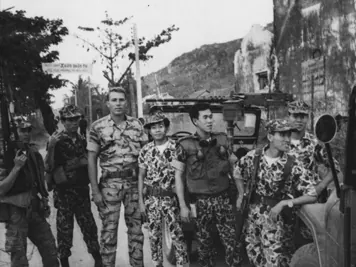
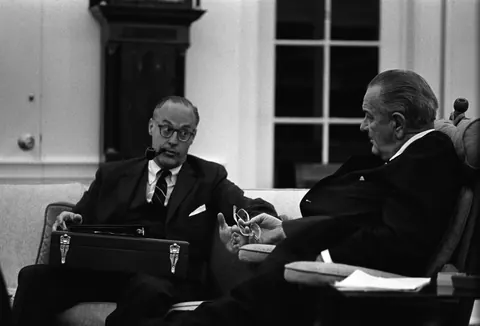
Participants of the inter-agency counterinsurgency Operation PHOENIX administered by the CIA and activated under Civil Operations and Revolutionary Development Support Program in South Vietnam in 1967-1971 with the goal to break Viet Cong s - 1968GOVERNMENT RECORDPhoenix officially launched; computerized Hamlet Evaluation System deployed nationwideThe computerized blacklist system catalogued suspected VC operatives by hamlet, creating a data-driven target selection process unprecedented in counterinsurgency operations.
- 1969DISPUTEDPeak operations: 19,534 VC suspects 'neutralized' (6,187 killed) according to official statisticsOfficial Pentagon statistics logged neutralizations as killed, captured, or rallied, though former operatives later disputed accuracy of classifications and body counts.
- 1970PRIMARY SOURCEWilliam Colby testifies Phoenix killed 20,587; media exposes torture and quota systemColby's testimony occurred in 1971, not 1970; his acknowledgment of 20,587 deaths represented the first official public disclosure of Phoenix casualty figures.
- 1971PRIMARY SOURCECongressional hearings investigate Phoenix; five former operatives testify about atrocitiesVeterans testified before Congress about systematic torture including electric shock, water torture, and executions of civilians misidentified as VC infrastructure.
- 1972GOVERNMENT RECORDProgram officially ends as U.S. withdraws, transferred entirely to South Vietnamese controlU.S. advisors withdrew but South Vietnamese Provincial Reconnaissance Units continued operations using identical methods until Saigon's collapse.
- 1975DISPUTEDFall of Saigon; VC capture Phoenix records documenting 40,994 deathsCommunist documentation of 40,994 Phoenix deaths nearly doubled CIA's official count, though methodology and inclusion criteria of VC records remain unknown.
- 1990CREDIBLE REPORTINGDouglas Valentine publishes 'The Phoenix Program' exposing systematic tortureValentine's investigative work compiled testimony from over 100 Phoenix participants including CIA officers, establishing the most comprehensive documentation of program operations.
- 2017GOVERNMENT RECORDCIA declassifies partial Phoenix documents; interrogation manuals remain redactedDeclassified documents revealed bureaucratic structure and targeting procedures but withheld interrogation protocols likely due to similarity with post-9/11 CIA techniques.
Key People
Organizations
Evidence Library
- testimonyDOC-P1William Colby Congressional Testimony on Phoenix Casualties (1971)
CIA Director Colby testified before House Committee that 20,587 Viet Cong suspects were killed under Phoenix operations. This primary source represents the first official U.S. government acknowledgment of systematic killings, though Colby defended program as targeting legitimate combatants rather than civilians.
- testimonyDOC-P2Congressional Hearings - Phoenix Operative Testimony (1971)
Five former Phoenix operatives provided sworn testimony describing systematic torture, arbitrary executions, and quota-driven killings of civilians. These firsthand accounts from program participants constitute primary evidence contradicting official narratives about targeting precision and legal compliance.
- documentpartial redactionDOC-P3KUBARK Counterintelligence Interrogation Manual (1963)
CIA interrogation manual predating Phoenix that codified coercive techniques including sensory deprivation, stress positions, and psychological manipulation. Document establishes institutional foundation for torture methods later deployed systematically in Phoenix interrogation centers.
- datapartial redactionDOC-P4Hamlet Evaluation System Database Records
Computerized targeting system that catalogued suspected VC by village and assigned neutralization priorities. Revolutionary for its era, this database-driven approach to counterinsurgency created systematic kill lists and foreshadowed modern surveillance-based warfare.
- documentDOC-P5Viet Cong Captured Phoenix Records (1975)
Communist documentation seized after Saigon's fall recorded 40,994 deaths attributable to Phoenix operations, nearly double official U.S. count of 20,587. While methodology is disputed, documents suggest significant underreporting in official Pentagon statistics.
- documentheavy redactionDOC-P6CIA Partial Phoenix Declassification (2017)
Released documents detail organizational structure, command relationships, and target selection procedures but heavily redact interrogation protocols and specific operational methods. Redactions suggest ongoing sensitivity regarding techniques' similarity to post-9/11 CIA programs.
Evidence Gallery

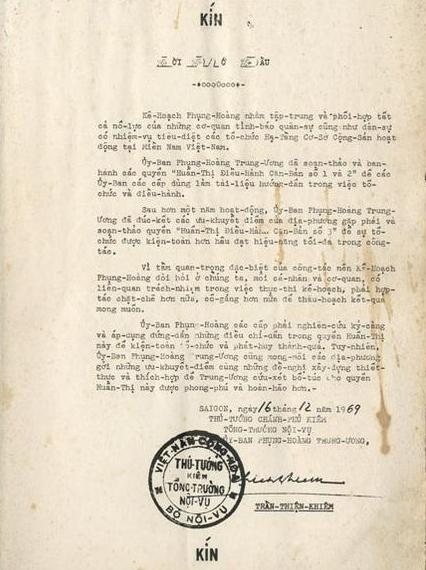


Sources
Trace the trail yourself
Investigation Network

This dossier does not end here.
- 2014SIGAR launches Lessons Learned Program to interview officials and create confidential assessmentThe Afghanistan Papers: Pentagon's Systematic Deception on War Progress (2001-2019)
- 2016-08Washington Post files FOIA lawsuit to obtain SIGAR Lessons Learned interviewsThe Afghanistan Papers: Pentagon's Systematic Deception on War Progress (2001-2019)
- 2019-09After three years of litigation, SIGAR releases over 2,000 pages of interview documents to Washington PostThe Afghanistan Papers: Pentagon's Systematic Deception on War Progress (2001-2019)
- 2019-12-09Washington Post publishes Afghanistan Papers investigationThe Afghanistan Papers: Pentagon's Systematic Deception on War Progress (2001-2019)
- 2021-08U.S. completes withdrawal from Afghanistan; Taliban retakes controlThe Afghanistan Papers: Pentagon's Systematic Deception on War Progress (2001-2019)
Live Discussion
0 Perspectives
Add to the record. Be specific. Cite where you can.
If you're learning about this topic for the first time, these are the best places to continue — documented evidence and historical relationships are the guide.
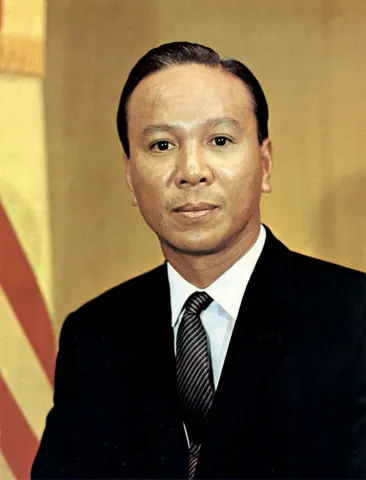
Named in “The Phoenix Program in Vietnam”.
Named in “The Phoenix Program in Vietnam”.
Read more dossiers like this
Get a quiet one-line bulletin when new investigative files are published. Bound to this dossier — useful for tracking follow-ups.