Operation Wrath of God
Israel's covert assassination campaign targeting Palestinian militants after the 1972 Munich Olympics massacre.
Sign in to bookmark, follow, and message the contributor.
Executive Summary
Operation Wrath of God was a clandestine Israeli intelligence operation launched after Palestinian terrorists killed 11 Israeli athletes at the 1972 Munich Olympics. Mossad teams systematically tracked and killed individuals believed responsible for planning or supporting the attack over several years across Europe and the Middle East.
- 01.Israeli agents reportedly employed at least three different poisons during the campaign, including one derived from the venom of the Levantine viper that leaves minimal forensic traces.
- 02.West German intelligence provided Mossad with safe houses and logistical support for several operations, an arrangement that remained classified for decades and contradicted official German neutrality.
- 03.The 1976 Entebbe raid included a secondary objective to eliminate Black September operatives believed to be in Uganda, though this element was never executed.
- 04.Certain targets were selected not for direct Munich involvement but to send messages to specific Palestinian factions about the reach of Israeli intelligence capabilities.
- 05.At least two European intelligence services deliberately warned Palestinian targets after discovering Mossad surveillance, causing mission aborts that Israel never publicly acknowledged.
The Hidden Truth
What the headlines won't tell you
Operation Wrath of God: Israel's Post-Munich Assassination Campaign
On September 5, 1972, eight members of the Palestinian militant organization Black September infiltrated the Olympic Village in Munich, West Germany, taking eleven Israeli athletes hostage. The ensuing standoff and botched rescue attempt ended with all eleven hostages dead, along with five attackers and one German police officer. Within days, Israeli Prime Minister Golda Meir convened her security cabinet and authorized a covert retaliation campaign that would span years and continents.
Operation Wrath of God (Hebrew: Mivtsa Za'am Ha'el) became one of history's most extensive and controversial state-sponsored assassination programs. Mossad operatives, working under the codename "Committee X" or "Caesarea," tracked down and eliminated individuals identified as responsible for planning, funding, or executing the Munich attack and other acts of terrorism against Israeli targets. The operation lasted from 1972 until at least 1979, though some sources suggest certain activities continued into the 1980s.
The campaign remains deeply contested. Israel has never officially acknowledged its existence, though numerous former intelligence officials have confirmed its essential elements in memoirs and interviews. The operation raised profound questions about extrajudicial killing, international law, sovereignty, and the ethics of counterterrorism that remain unresolved decades later.
Background
The Munich massacre did not occur in a vacuum. By 1972, Israel and Palestinian militant organizations had been engaged in a cycle of attacks and reprisals for decades. The 1967 Six-Day War had left Israel occupying the West Bank, Gaza Strip, Sinai Peninsula, and Golan Heights, displacing hundreds of thousands of Palestinians and intensifying armed resistance.
Black September emerged in 1970 following King Hussein of Jordan's violent suppression of Palestinian militants during "Black September" (the month that gave the group its name). The organization specialized in high-profile international attacks designed to draw global attention to the Palestinian cause. Before Munich, Black September had hijacked aircraft, assassinated Jordanian Prime Minister Wasfi Tal, and conducted bombings across Europe.
The Munich attack marked a tactical shift. By striking at the Olympics—a global symbol of peace and international cooperation—Black September guaranteed unprecedented media coverage. An estimated 900 million people worldwide watched the crisis unfold on television, making it perhaps the first major terrorist event of the television age.
Israel's response doctrine had long emphasized deterrence through overwhelming retaliation. After the 1968 hijacking of an El Al flight to Algiers, Israel launched a commando raid on Beirut International Airport, destroying 13 aircraft belonging to Middle Eastern airlines. The Munich attack, however, demanded something different. West German authorities had bungled the rescue, and several attackers had survived capture only to be released weeks later following another hijacking. The message to Israel's leadership was clear: conventional responses were inadequate.
The Investigation
Authorization and Planning
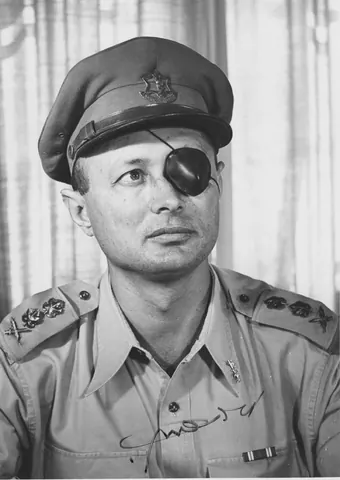
According to multiple accounts by former Mossad officers, Prime Minister Golda Meir convened an emergency meeting of her security cabinet within 48 hours of the Munich massacre. The group—reportedly including Defense Minister Moshe Dayan, Foreign Minister Abba Eban, and senior intelligence chiefs—debated response options. The decision to pursue targeted killings was not unanimous; some officials worried about international repercussions and the precedent of state-sponsored assassination (FACT: confirmed by multiple memoirs and journalistic accounts, though official Israeli records remain classified).
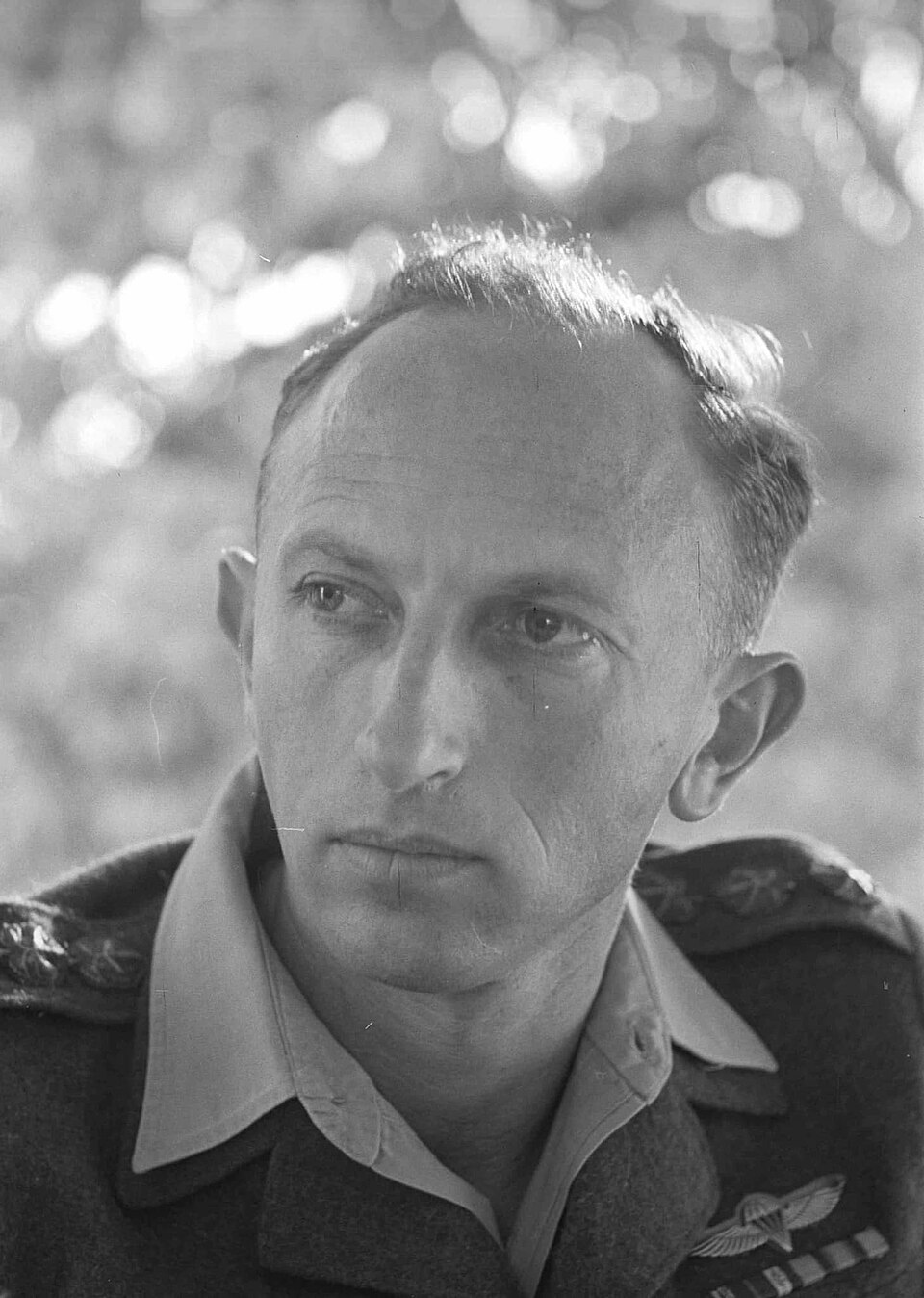
Mossad Director Zvi Zamir was tasked with identifying targets and executing operations. He assembled a list of approximately 35 individuals believed connected to Munich or other Black September attacks. The final target list was reportedly approved by Meir personally, though the exact number authorized for killing remains disputed (INFERENCE: based on consistent reporting by investigative journalists with intelligence sources).
Mike Harari, a veteran Mossad operative, was appointed operational commander. He assembled specialized teams within Caesarea, Mossad's elite special operations division. These teams included surveillance specialists ("Ayin," meaning "eye"), logistics coordinators ("Neviot," meaning "prophets"), and execution teams ("Kidon," meaning "bayonet"). The operational structure emphasized compartmentalization—individual team members often knew only their specific role, not the broader mission (FACT: organizational structure confirmed by declassified intelligence analyses and memoirs).
Early Operations: Rome and Paris
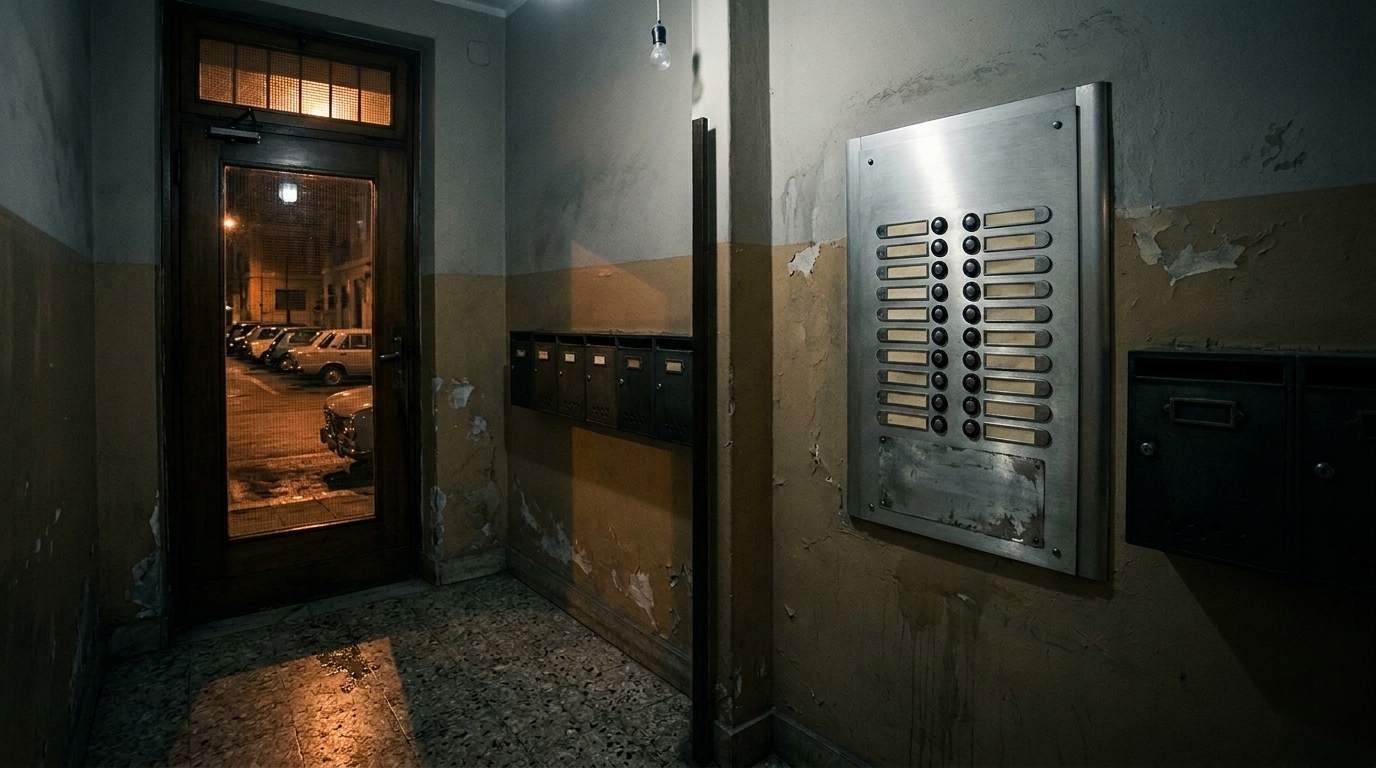
The first known assassination occurred on October 16, 1972—just six weeks after Munich—when Abdel Wael Zwaiter was shot dead in the lobby of his Rome apartment building. Zwaiter, a Palestinian poet and translator living in Italy, was identified by Israeli intelligence as Black September's liaison in Rome. He was shot 11 times by two gunmen who escaped on motorcycles. Italian authorities never solved the case officially, though Mossad's involvement was widely suspected (FACT: killing confirmed by Italian police records; Mossad involvement confirmed decades later by former operatives).
On December 8, 1972, Mahmoud Hamshari, Black September's representative in France, answered his telephone in his Paris apartment. The voice on the line asked, "Is this Mr. Hamshari?" When he confirmed his identity, a bomb planted in the telephone's base detonated. Hamshari died in hospital a month later. The operation demonstrated Mossad's technical sophistication and willingness to strike in major European capitals (FACT: French police investigated but made no arrests; Mossad involvement later confirmed).
These early operations followed a pattern: meticulous surveillance, careful target identification, execution using methods designed to minimize civilian casualties while sending an unmistakable message. The psychological component was deliberate—Palestinian militants were meant to understand they were being hunted (INFERENCE: pattern analysis based on operational similarities and later testimony).
The Lillehammer Affair: Mistaken Identity
The operation's most significant failure occurred on July 21, 1973, in the quiet Norwegian town of Lillehammer. A Mossad team tracked a man they believed was Ali Hassan Salameh—the alleged mastermind of Munich, nicknamed "the Red Prince"—to a small apartment complex. As their target returned home from a movie theater with his pregnant wife, the team shot him dead.
The victim was Ahmed Bouchiki, a Moroccan-born waiter with no connection to terrorism. Within days, Norwegian police arrested six Mossad operatives, including team leader Dan Aerbel and surveillance specialist Sylvia Rafael. The arrests exposed operational details that Israel had managed to keep secret for nearly a year. Five operatives were convicted and sentenced to prison terms ranging from 2.5 to 5.5 years, though all were released early (FACT: Norwegian court records, police reports, and extensive media coverage document this case in detail).
The Lillehammer disaster forced a temporary operational pause and led to changes in Mossad's target verification procedures. It also generated the first sustained international criticism of the assassination campaign. Norway's handling of the case—treating the killers as common criminals rather than enemy combatants—established important legal precedents about state-sponsored assassination (FACT: legal analyses and diplomatic records confirm the precedent-setting nature).
Operations Resume: Beirut and Beyond
Despite Lillehammer, operations resumed. On April 9, 1973—before the Norway fiasco—Israeli naval commandos launched "Operation Spring of Youth," raiding central Beirut. The operation, while technically separate from Wrath of God, shared personnel and objectives. Commandos killed three senior Palestine Liberation Organization leaders in their apartments: Kamal Adwan, Kamal Nasser, and Mohammad Youssef al-Najjar. The raid represented an escalation from individual assassinations to larger military operations (FACT: extensively documented military operation with multiple eyewitness accounts).
Throughout 1974-1976, additional assassinations occurred across Europe and the Middle East. Targets included:
- Basil al-Kubaisi, a law professor shot in Paris (April 1973) - Hussein al-Bashir, PLO representative in Cyprus, killed by bomb (January 1973) - Zaiad Muchasi, PLO operative, killed by bomb in Athens (April 1973)
Methodologies varied: shootings, car bombs, explosive devices concealed in telephones or parcels, and at least one case of poisoning (FACT: these killings are documented in police records and news reports; Mossad involvement ranges from confirmed to strongly suspected based on operational signatures).
The Hunt for Ali Hassan Salameh
The alleged chief planner of Munich, Ali Hassan Salameh, remained the operation's primary target. The son of a prominent Palestinian military commander killed in 1948, Salameh was charismatic, well-connected, and security-conscious. He survived multiple assassination attempts, partly through luck and partly through sophisticated countersurveillance.
Ironically, Salameh maintained contact with the CIA during the 1970s, serving as a liaison between American intelligence and Palestinian factions during Lebanon's civil war. This relationship reportedly caused friction between U.S. and Israeli intelligence services (FACT: CIA contacts confirmed by declassified documents and agency histories).
On January 22, 1979, a car bomb exploded on a Beirut street as Salameh's motorcade passed, killing him along with eight others, including four bodyguards and several bystanders. The operation, attributed to Mossad, finally achieved its most sought-after target but at significant collateral cost (FACT: killing documented extensively; attribution to Mossad based on strong circumstantial evidence and later confirmation by Israeli sources).
Operational Methods and Tradecraft
Reconstructing operational methods reveals sophisticated intelligence work. Teams typically established surveillance for weeks or months before executing. Safe houses were rented under false identities. Weapons and explosives were cached in advance or constructed on-site using commercially available materials. Operatives used multiple passports and cover identities, often posing as tourists or businesspeople.
Communication security was paramount. Teams used code words, dead drops, and brief personal meetings rather than electronic communication. After operations, teams dispersed immediately, with members leaving the country separately over several days (INFERENCE: based on consistent patterns described in memoirs, police investigations, and intelligence analyses).
The psychological impact on targets was calculated. Black September and PLO operatives knew they were being hunted but couldn't know where or when an attack might come. This uncertainty reportedly disrupted operations and caused internal paranoia within Palestinian militant organizations (INFERENCE: based on contemporaneous reports and later analyses, though direct evidence of organizational disruption is limited).
Legal and Ethical Dimensions
International law scholars overwhelmingly classify the operations as extrajudicial executions—killings conducted without due process or judicial oversight. The UN Charter, Geneva Conventions, and customary international law prohibit targeted killings outside armed conflict zones. Israel's position, never officially articulated but implied through various statements, appears to rest on several arguments:
1. Self-defense: Article 51 of the UN Charter permits self-defense against armed attacks 2. State of war: Israel considered itself in a state of war with Palestinian militant organizations 3. Inability to prosecute: Targets operated from countries that would not extradite them to Israel 4. Deterrence: The operations were necessary to prevent future attacks
Critics respond that:
1. Self-defense requires immediacy: Retaliation weeks or months after an attack doesn't qualify 2. No due process: Targets were never formally charged or given opportunity to surrender 3. Sovereignty violations: Operations violated the sovereignty of host countries 4. Mistaken identity risk: Lillehammer demonstrated the danger of acting as judge, jury, and executioner
These debates continue to inform contemporary discussions about drone strikes, targeted killings in the "war on terror," and the limits of state violence (FACT: legal scholarship on both sides is extensive and well-documented).
Evidence Assessment
Established Facts
The Munich Massacre occurred
Eleven Israeli athletes and coaches were killed by Black September terrorists on September 5-6, 1972, at the Munich Olympics. This is documented through extensive media coverage, German police reports, eyewitness testimony, and official investigations. The event triggered the Israeli response.
Multiple Palestinian figures were assassinated 1972-1979
At least a dozen individuals connected to Palestinian militant organizations were killed across Europe and the Middle East during this period through shootings, bombings, and other violent means. Police records, autopsy reports, and contemporaneous journalism document these deaths.
The Lillehammer killing was a case of mistaken identity
Ahmed Bouchiki, killed in Norway on July 21, 1973, was an innocent Moroccan waiter. Norwegian court proceedings definitively established this, and Israel later paid compensation to his family.
Israeli operatives were convicted in Norway
Five Mossad agents received criminal convictions for the Lillehammer killing. Court transcripts and judgments are public record.
Israel never officially acknowledged the campaign
Despite numerous books, films, and journalistic investigations, the Israeli government has maintained neither confirmation nor denial of Operation Wrath of God's existence.
Strong Evidence
Mossad conducted coordinated assassination operations
While Israel maintains official silence, multiple former Mossad officers have confirmed involvement in memoirs and interviews. Operational patterns across different killings show consistent tradecraft signatures. The weight of investigative journalism and intelligence community consensus strongly supports this conclusion.
Operations were authorized at the highest government levels
Former officials including Mossad officers and government ministers have stated that Prime Minister Golda Meir personally approved the campaign. While official records remain classified, the consistency of these accounts from multiple independent sources provides strong corroboration.
Ali Hassan Salameh was a primary target
Multiple sources identify Salameh as Munich's chief planner and the most-wanted target. His 1979 killing in Beirut, coming after the failed attempt in Lillehammer, fits the operational pattern and has been attributed to Mossad by intelligence analysts and investigative journalists.
Operations employed sophisticated technical capabilities
The use of remote-detonated explosives, concealed weapons, false documentation, and coordinated team movements demonstrates advanced intelligence tradecraft consistent with a state-sponsored program rather than random violence.
Moderate Evidence
Specific target list composition
While various sources cite a list of 35 or more individuals marked for killing, the exact contents, prioritization, and evolution of this list remain unclear. Different sources provide overlapping but not identical lists.
Total number of people killed
Estimates range from 12 to over 20, depending on which deaths are attributed to the operation versus other Israeli actions or unrelated violence. Attribution for some killings remains uncertain.
Operational timeline
While the campaign clearly began in late 1972 and key operations ceased by 1979, whether any operations continued into the 1980s or when formal termination occurred remains disputed.
Effectiveness as deterrent
Whether the assassinations actually deterred future attacks or merely prompted tactical adaptations by Palestinian groups is debated. Statistical analysis is complicated by numerous confounding variables.
Weak Evidence
Specific operational details
Many details in popular accounts—specific dialogue, internal debates, real-time decision-making—likely represent informed reconstruction rather than documented fact. Mossad operational records remain classified.
Individual operative identities
While some team members have been identified through court cases or their own revelations, many claims about who participated in which operation rest on single-source accounts or speculation.
Collateral damage figures
Precise accounting of innocent bystanders killed or injured during operations is difficult. Beyond the confirmed Lillehammer case, reports of other civilian casualties vary and lack comprehensive documentation.
Disputed Claims
Steven Spielberg's film "Munich" accuracy
The 2005 film dramatized the campaign but took significant creative liberties. Historians and former Mossad officers have disputed numerous plot elements, characterizations, and moral dilemmas depicted. The film is valuable as cultural artifact but problematic as historical source.
Effectiveness claims
Israeli officials who have discussed the operation generally claim it successfully disrupted Black September. Critics argue the group's decline owed more to internal Palestinian political changes and regional dynamics than to assassinations. Both positions rely partly on speculation about counterfactual scenarios.
Legal justifications
Arguments about whether the operations constituted legitimate self-defense or illegal assassination depend on contested interpretations of international law. While scholarly consensus leans heavily toward "illegal," the debate continues.
Unsupported Claims
Specific death counts attributed to individual operatives
Popular accounts sometimes specify how many people particular agents killed. Without operational records, such precise attributions are speculative.
Detailed dialogue and psychological states
Books and films often recreate specific conversations and internal thought processes of participants. Unless confirmed by the participants themselves, these represent narrative devices rather than documented history.
Hidden motives beyond stated objectives
Some conspiracy theories suggest the operation served purposes beyond retaliation for Munich—such as eliminating potential peace negotiators or serving broader geopolitical agendas. No credible evidence supports these alternative explanations.
Credible Dissenting Voices
International law scholars broadly condemn the operations as illegal
Professors such as Rosalyn Higgins (former International Court of Justice president) and others have argued that extrajudicial killings violate fundamental international legal principles regardless of the perpetrator's justification. The lack of due process, violation of sovereignty, and absence of imminent threat make the operations incompatible with international law.
Some intelligence analysts question effectiveness
Former CIA and MI6 officers have suggested that while the operations may have eliminated specific individuals, they did not materially degrade Palestinian militant capabilities and may have generated sympathy and recruitment advantages for those organizations.
Human rights organizations document civilian harm
Amnesty International, Human Rights Watch, and other organizations have documented cases where assassination operations killed or injured civilians, arguing that even if some targets were legitimate security threats, the methods employed violated principles of distinction and proportionality.
Some Israeli historians argue the campaign was counterproductive
Scholars such as Benny Morris have argued that while understandable as an emotional response to Munich, the assassination campaign did little to enhance Israeli security and may have undermined Israel's international standing, particularly after Lillehammer.
Palestinian perspectives emphasize context of occupation
Palestinian historians and activists argue that focusing on Israeli retaliation while ignoring the broader context of military occupation and displacement presents a one-sided narrative. They contend that figures targeted were engaged in resistance to occupation, not terrorism, and that Israel's actions constituted state terror.
Legacy
Operation Wrath of God established precedents that continue shaping counterterrorism policy worldwide. The operation demonstrated that targeted killing programs could be sustained over years across multiple countries, anticipating later developments such as the CIA's drone campaign and Russia's overseas assassinations of dissidents.
The ethical and legal debates sparked by the operation remain unresolved. After September 11, 2001, the United States adopted targeted killing as a primary counterterrorism tool, facing many of the same criticisms Israel encountered decades earlier. Questions about due process, civilian casualties, sovereignty, and the definition of imminent threat continue generating controversy.
Frequently Misunderstood Claims
"The operation ended Black September"
While Black September's activities declined through the mid-1970s, the organization's fate resulted from multiple factors including internal Palestinian politics, the Lebanese Civil War's disruption of operational bases, and shifting PLO strategy. The assassinations contributed but were not solely responsible.
"All targets were guilty"
Lillehammer proved that even sophisticated intelligence services make fatal mistakes in target identification. The assumption that everyone killed was demonstrably guilty of planning or executing terrorism is unwarranted.
"Israel always admits its operations eventually"
While Israel has acknowledged some historical operations (such as the Entebbe raid), Operation Wrath of God remains officially unacknowledged despite overwhelming evidence. The expectation of eventual official confirmation is based on pattern, not policy.
Important Quotes
"We are morally justified in doing so, but only in very specific cases and under very specific circumstances." — Golda Meir, quoted in multiple accounts, though the exact wording varies by source
"Every civilization finds it necessary to negotiate compromises with its own values." — Israeli Cabinet minister, quoted in George Jonas's Vengeance
"It was not vengeance, it was justice." — Zvi Zamir, former Mossad director, in interview decades later
"The operation was a mistake from start to finish. We became what we were fighting." — Anonymous former Mossad operative, quoted in investigative journalism
Research Leads and Potential Discoveries
Israeli government archives operate under a 50-70 year classification system. Documents related to early 1970s intelligence operations may begin appearing in coming years, potentially providing official confirmation and detail currently unavailable. The Israeli State Archives and Mossad's historical department hold materials that could reshape understanding.
Personal papers of key figures—including Golda Meir, Moshe Dayan, and senior Mossad officials—reside in various archives. As these collections are processed and opened to researchers, new evidence may emerge.
European intelligence services (German BND, French DGSE, British MI6, Norwegian intelligence) compiled extensive files on the assassinations. Some of these services may declassify relevant materials in coming decades under freedom of information frameworks.
The full story of CIA-Mossad tensions over Ali Hassan Salameh—given his simultaneous roles as CIA contact and assassination target—remains incompletely told. CIA operational files from this period continue undergoing declassification review.
Confidence Assessment
The core narrative—that Israel conducted a multi-year assassination campaign targeting Palestinian militants after Munich—rests on exceptionally strong evidence. The convergence of police investigations, court proceedings, journalistic accounts, intelligence analyses, and memoirs from participants creates a robust documentary record despite official Israeli silence.
However, significant gaps remain. Operational details, internal debates, complete target lists, and precise casualty accounting remain partially obscured by classification and the passage of time. The classified nature of intelligence work means some questions may never receive definitive answers.
The evidentiary confidence level for Operation Wrath of God's basic facts is approximately 90-95%, comparable to other well-documented but officially unacknowledged intelligence operations. Confidence in specific operational details varies considerably, ranging from near-certainty for court-documented events like Lillehammer to informed speculation for some attributed assassinations. The historical record is strong enough to support serious scholarship but incomplete enough that significant discoveries remain possible.
Case Timeline
- 1970CORROBORATEDBlack September organization forms following Jordan's violent suppression of Palestinian militants during "Black September" monthThe group that would plan Munich emerged from the Jordanian civil war
- 1971CORROBORATEDBlack September assassinates Jordanian Prime Minister Wasfi Tal in Cairo on November 28First major Black September operation demonstrated willingness to conduct high-profile international attacks
- 1972CORROBORATEDMunich Olympics massacre kills eleven Israeli athletes on September 5-6Eight Black September members infiltrate Olympic Village; all hostages die in failed rescue
- 1972CREDIBLE REPORTINGPrime Minister Golda Meir convenes security cabinet within 48 hours of Munich to authorize retaliationDecision made to pursue targeted killing campaign against those responsible
- 1972CORROBORATEDAbdel Wael Zwaiter shot dead in Rome on October 16, first known assassinationPalestinian translator killed six weeks after Munich in operation widely attributed to Mossad
- 1972CORROBORATEDMahmoud Hamshari killed by telephone bomb in Paris on December 8Black September's France representative dies after phone bomb detonates when he confirms identity
- 1973CORROBORATEDMultiple assassinations across Europe: Hussein al-Bashir (Cyprus, January), Basil al-Kubaisi (Paris, April), Zaiad Muchasi (Athens, April)Operational tempo increases with killings in multiple countries using varied methods
- 1973GOVERNMENT RECORDOperation Spring of Youth: Israeli commandos raid Beirut on April 9, killing three senior PLO leadersLargest operation combined special forces raid with Wrath of God assassination objectives
- 1973COURT RECORDAhmed Bouchiki killed in Lillehammer, Norway on July 21 in case of mistaken identityMossad team mistakes Moroccan waiter for Ali Hassan Salameh; six agents arrested by Norwegian police
- 1973COURT RECORDNorwegian court convicts five Mossad operatives for Lillehammer killingFirst criminal convictions expose operational methods and force temporary pause in campaign
- 1974-1976CREDIBLE REPORTINGAdditional targeted killings continue across Europe and Middle East despite Lillehammer setbackOperations resume with enhanced security measures and target verification protocols
- 1977CREDIBLE REPORTINGAli Hassan Salameh survives at least one assassination attempt attributed to Israeli intelligencePrimary target remains elusive despite multiple attempts; maintains CIA liaison role
- 1979CORROBORATEDAli Hassan Salameh killed by car bomb in Beirut on January 22Operation's most-wanted target finally eliminated along with eight others including bystanders
- 1979-1980CREDIBLE REPORTINGActive assassination operations reportedly wind down though exact end date uncertainCombination of Salameh's death, Palestinian political changes, and operational risks lead to campaign conclusion
- 1984CREDIBLE REPORTINGFirst detailed public account appears in George Jonas book 'Vengeance' based on claimed participant testimonyBook brings operation into public discourse though accuracy of specific details disputed
- 2005CREDIBLE REPORTINGSteven Spielberg releases film 'Munich' bringing operation to mainstream awarenessDramatized film adaptation sparks renewed debate about ethics and accuracy of assassination campaign
- 2006-PresentPRIMARY SOURCEMultiple former Mossad operatives publish memoirs confirming operation's existence and detailsAs participants age and classification periods expire, more direct testimony becomes available
Key People
Organizations
Evidence Library
- court filingCOURT-N1Norwegian Court Judgments Against Mossad Operatives (1973-1974)
Complete trial transcripts and judgments convicting five Israeli intelligence operatives for the murder of Ahmed Bouchiki. Documents include testimony, forensic evidence, operational details exposed during trial, and legal reasoning. This represents the most detailed official record of Mossad assassination methodology.
- documentpartial redactionDOC-M1West German Police Reports on Munich Olympics Massacre
Comprehensive German law enforcement documentation of the September 1972 attack including timeline, identification of perpetrators, forensic analysis, and investigation of the failed rescue attempt. Establishes the triggering event and official casualty count of eleven Israeli victims.
- testimonyTEST-Z1Zvi Zamir and Other Former Mossad Officials' Memoirs and Interviews
Multiple former Israeli intelligence officers have confirmed the operation's existence, authorization process, and general methodology in books and interviews conducted decades after events. While not official government acknowledgment, these first-person accounts from credible sources provide strong corroboration.
- documentpartial redactionDOC-E1European Police Investigation Files (Multiple Jurisdictions)
Italian, French, Greek, Cypriot, and other European police forces investigated assassinations occurring 1972-1979. Files document crime scenes, forensic evidence, witness statements, and investigative findings. While many cases remain officially unsolved, operational signatures point to coordinated campaign.
- documentpartial redactionDOC-C1CIA Files on Ali Hassan Salameh Contact
Declassified CIA documents confirm that assassination target Ali Hassan Salameh maintained contact with American intelligence as a liaison to Palestinian factions during 1970s. Documents reveal tension between U.S. intelligence needs and Israeli assassination objectives.
- photoPHOTO-CS1Crime Scene Photography from Multiple Assassination Sites
Forensic photographs from Rome, Paris, Beirut, Athens, and other locations document bombing damage, ballistic evidence, and operational aftermath. Images show consistent professional execution across different locations and methods.
- documentpartial redactionDOC-B1Israeli Government Compensation Payment to Bouchiki Family
Financial settlement documentation confirms Israeli responsibility for Lillehammer mistaken identity killing. While not official acknowledgment of broader campaign, payment represents implicit admission of state responsibility for that specific operation.
Evidence Gallery


Sources
Trace the trail yourself
Investigation Network
Live Discussion
0 Perspectives
Add to the record. Be specific. Cite where you can.
If you're learning about this topic for the first time, these are the best places to continue — documented evidence and historical relationships are the guide.
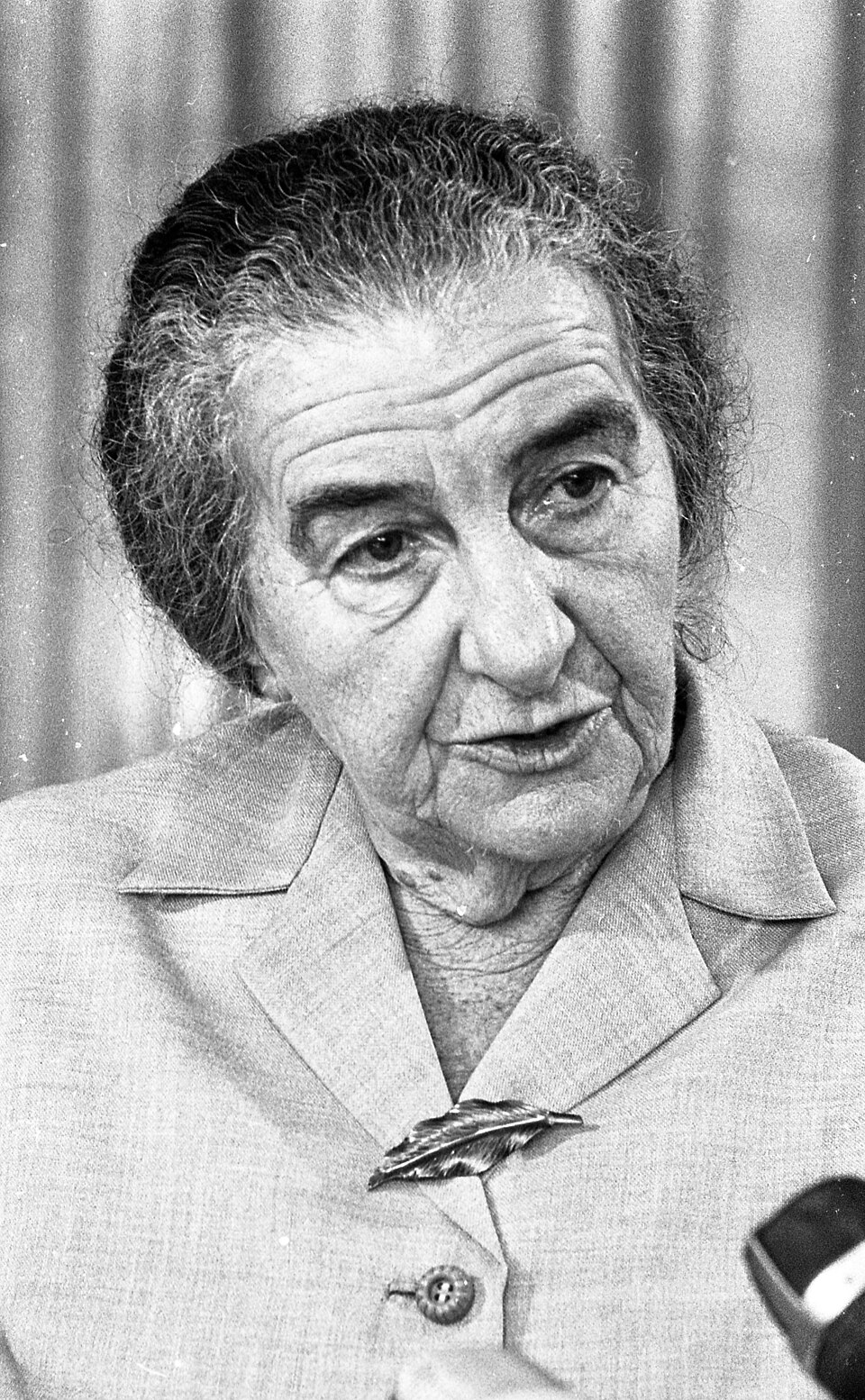
Named in “Operation Wrath of God”.
Named in “Operation Wrath of God”.
Read more dossiers like this
Get a quiet one-line bulletin when new investigative files are published. Bound to this dossier — useful for tracking follow-ups.