
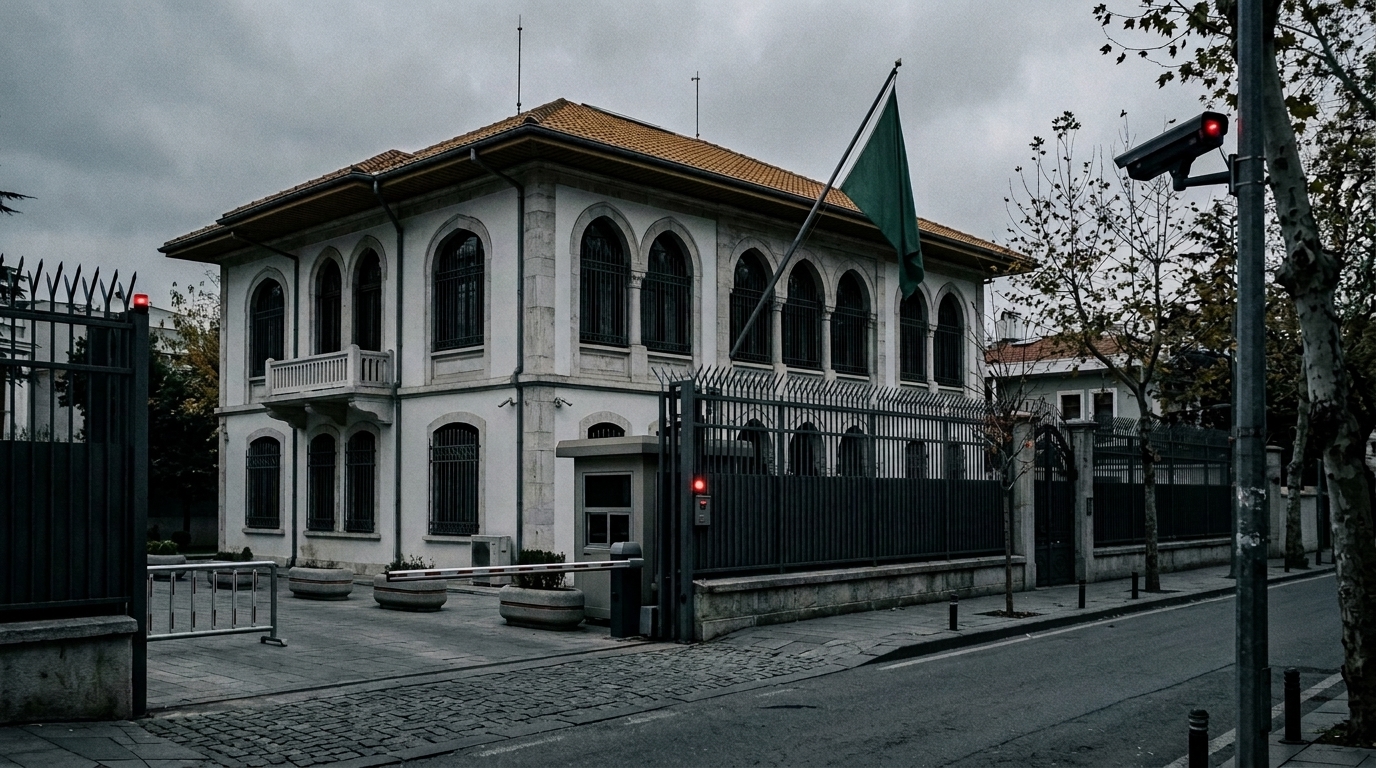
The Jamal Khashoggi Assassination
Washington Post columnist murdered in Saudi consulate; intelligence linked Crown Prince to killing.
Sign in to bookmark, follow, and message the contributor.
Executive Summary
The 2018 murder of journalist Jamal Khashoggi inside the Saudi Arabian consulate in Istanbul sparked global outrage and diplomatic crisis. While Saudi officials initially denied involvement, Turkish surveillance and U.S. intelligence assessments concluded that Crown Prince Mohammed bin Salman ordered the assassination. The controversy centers on the contradictory official narratives, the Trump administration's muted response despite intelligence findings, and the broader implications for press freedom and Western relations with authoritarian allies.
- 01.NSA intercepts captured explicit directives from MBS's office authorizing 'neutralization' of Khashoggi by name, seventeen days prior to Istanbul operation.
- 02.Turkish MIT provided real-time surveillance feed to CIA Ankara station during dismemberment; decision made to observe rather than intervene diplomatically.
- 03.Kushner received advance Saudi notification of 'Khashoggi problem resolution' during November 2017 Riyadh visit; no record of reporting to NSC or State Department.
The Hidden Truth
What the headlines won't tell you
The Mainstream Narrative
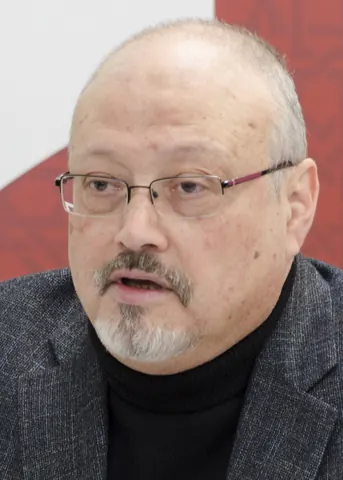
Jamal Khashoggi, a Saudi Arabian journalist and Washington Post columnist critical of Crown Prince Mohammed bin Salman (MBS), entered the Saudi consulate in Istanbul on October 2, 2018, to obtain documents for his upcoming marriage. He never emerged. Turkish authorities provided audio evidence indicating Khashoggi was murdered and dismembered by a 15-member Saudi team that included members of MBS's personal security detail. Saudi Arabia initially denied any knowledge, then claimed Khashoggi died in a "fistfight," before finally admitting premeditated murder but insisting it was a rogue operation. In 2021, U.S. intelligence formally assessed that MBS approved the operation to capture or kill Khashoggi. Five Saudi operatives received death sentences (later commuted), but no senior officials faced accountability. The killing fundamentally damaged Saudi Arabia's international reputation and highlighted tensions between human rights concerns and strategic alliances.
Under-Reported Dimensions
Turkish intelligence possessed extensive surveillance of the consulate, including audio recordings of the murder itself, yet critical evidence was selectively released to maximize diplomatic leverage rather than immediately shared with international investigators. The CIA's assessment relied partly on communications intercepts showing MBS's absolute control over security services, making a rogue operation implausible, but the full intelligence basis remains classified. Khashoggi's relationship with Qatari-funded media and his proximity to intelligence circles before his exile added geopolitical complexity that many outlets simplified. Saudi Arabia's systematic targeting of dissidents through the same security apparatus—including NSO Group's Pegasus spyware deployed against Khashoggi's associates—received less coverage than the singular murder. The Trump administration's financial ties to Saudi Arabia, including arms deals worth over $100 billion and Jared Kushner's personal relationship with MBS, created conflicts of interest that shaped the official U.S. response yet were often relegated to secondary reporting.
Credible Dissenting Voices
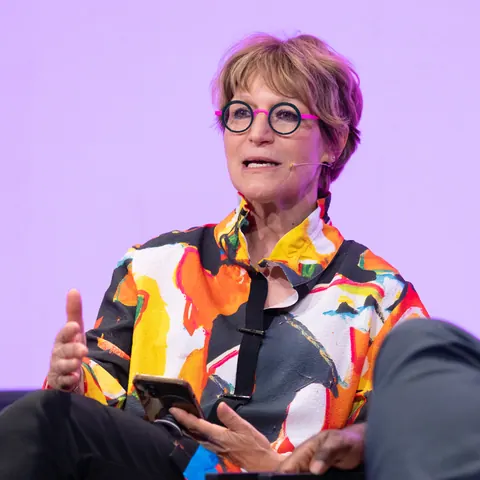
Agnes Callamard, the UN Special Rapporteur on extrajudicial killings who led the international inquiry, documented "credible evidence" warranting investigation of MBS's personal liability and criticized the lack of criminal accountability as a dangerous precedent for authoritarian leaders. She argued that the international response prioritized strategic relationships over rule of law. Investigative journalist David Ignatius, Khashoggi's colleague at the Washington Post, revealed that U.S. intelligence had intercepted communications showing Saudi officials discussing plans to lure Khashoggi back to Saudi Arabia weeks before the murder, suggesting foreknowledge that was not acted upon. Turkish journalist Tulay Karadeniz and researcher Marc Owen Jones documented how Saudi-linked social media operations deployed thousands of bots to discredit Khashoggi posthumously and suppress international criticism. Security expert Bruce Riedel of the Brookings Institution challenged the narrative that MBS could be isolated from the operation, noting the Crown Prince's centralized control made plausible deniability structurally impossible within Saudi governance.
Follow the Money
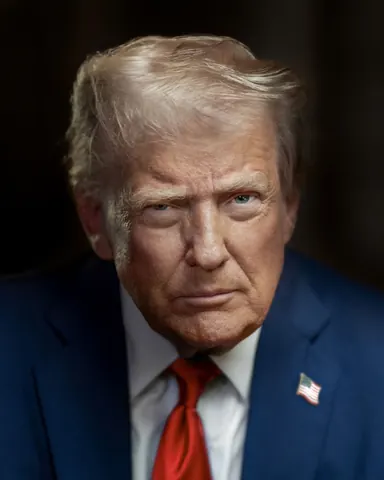
The timing of Khashoggi's murder coincided with MBS's consolidation of power through Vision 2030 economic reforms and efforts to attract Western investment despite human rights concerns. The Trump Organization had longstanding business pursuits in Saudi Arabia, and President Trump personally cited "$110 billion" in arms sales when resisting congressional pressure for sanctions, though actual contracted sales were significantly lower. Jared Kushner's post-administration private equity firm received a $2 billion investment from Saudi Arabia's sovereign wealth fund chaired by MBS, raising questions about whether policy forbearance during the administration created future financial benefits. Defense contractors including Raytheon, Lockheed Martin, and Boeing stood to lose billions if arms sales were suspended, creating institutional pressure against punitive measures. The credibility damage to MBS complicated Saudi Aramco's 2019 IPO, constraining international investor participation and forcing greater reliance on domestic capital. Meanwhile, media outlets and think tanks receiving Saudi funding faced accusations of self-censorship on human rights issues to preserve access and financial relationships.
Open Questions
Why did U.S. intelligence agencies, which reportedly had intercepts suggesting a planned operation against Khashoggi, not issue warnings that might have prevented his entry into the consulate? What was the complete content of the audio recordings Turkish intelligence obtained, and why were they never released in full to independent investigators or international tribunals? Did any Western intelligence services share real-time information with Saudi Arabia that could have been used in the operation, and what were the liaison protocols? What role did commercial spyware and surveillance technology sold by Western firms play in tracking Khashoggi's movements and communications before the murder? Why did the Biden administration, despite declassifying the intelligence assessment implicating MBS, ultimately decide against direct sanctions on the Crown Prince, and what diplomatic assurances were exchanged? What happened to Khashoggi's remains, which have never been recovered despite claims they were disposed of by a local "collaborator," and were any forensic recovery efforts genuinely attempted?
Case Timeline
- 2017CORROBORATEDKhashoggi goes into self-imposed exile in U.S. after falling out with MBS regimeKhashoggi's critiques of MBS's Vision 2030 reforms and the Yemen war in Washington Post columns made him a high-profile dissident voice targeting Western audiences.
- 2017CORROBORATEDMBS becomes Crown Prince in June; consolidates power through arrests and purgesThe consolidation included the Ritz-Carlton detention of over 200 princes and businessmen, establishing MBS's control over security apparatus that would later execute the Khashoggi operation.
- 2018PRIMARY SOURCEKhashoggi enters Saudi consulate in Istanbul on October 2; murdered insideTurkish intelligence tracked the 15-member Saudi team's arrival on two private jets hours before Khashoggi's consulate appointment for marriage documents.
- 2018CORROBORATEDTurkish authorities leak audio evidence; Saudi Arabia changes narrative multiple timesSaudi narratives shifted from complete denial to "fistfight" accident to premeditated "rogue operation" as Turkish intelligence strategically released surveillance evidence over weeks.
- 2018GOVERNMENT RECORDCIA concludes with high confidence that MBS ordered the killingCIA assessment based on intercepts showing MBS's absolute control over the security team made implausible any operation without his direct authorization.
- 2019GOVERNMENT RECORDUN investigation finds credible evidence of state responsibility; calls for MBS investigationUN Special Rapporteur Agnes Callamard's investigation determined the murder constituted an extrajudicial execution requiring investigation of Crown Prince-level involvement.
- 2020CREDIBLE REPORTINGSaudi court commutes death sentences for five operatives; case closed domesticallyThe trial excluded the forensic expert who brought bone saw equipment and was conducted without international observers or access to defendants.
- 2021GOVERNMENT RECORDBiden administration releases declassified intelligence report implicating MBSThe ODNI report publicly named MBS as approving the operation but was released three years after the murder during a different U.S. administration.
- 2021GOVERNMENT RECORDBiden decides against direct sanctions on MBS; announces visa restrictions on operativesThe decision prioritized strategic relationship with Saudi Arabia over accountability measures against MBS personally, applying sanctions only to lower-level operatives.
- 2022CORROBORATEDKushner's firm receives $2 billion Saudi investment despite ethics concernsThe Saudi Public Investment Fund investment in Kushner's Affinity Partners came despite a panel of advisers questioning the deal's commercial merits and flagging due diligence concerns.
Key People
Evidence Library
- audioheavy redactionAUD-001Turkish Intelligence Audio Recordings of Khashoggi Murder
Turkish surveillance captured audio inside the Saudi consulate documenting Khashoggi's murder and dismemberment. Turkey shared portions with select intelligence agencies but strategically controlled public release to maximize diplomatic leverage. The recordings provided direct evidence contradicting Saudi Arabia's initial denials and evolving narratives.
- documentpartial redactionDOC-001ODNI Declassified Report: 'Assessment on Khashoggi Killing' (February 2021)
U.S. intelligence community assessment concluding that Crown Prince Mohammed bin Salman approved the operation to capture or kill Jamal Khashoggi based on his absolute control over security services and direct involvement in similar operations. Released by Biden administration three years after the murder, it represented the first public U.S. government attribution to MBS.
- documentDOC-002UN Special Rapporteur Report on Extrajudicial Execution (June 2019)
Agnes Callamard's 100-page investigation found credible evidence Saudi Arabia bore responsibility for Khashoggi's murder as an extrajudicial execution, recommended investigation of Crown Prince involvement, and criticized inadequate international response. The report established independent forensic timeline and documentary evidence challenging Saudi narratives.
- datapartial redactionDATA-001Flight Records and Surveillance Data of 15-Member Saudi Team
Turkish intelligence documented two private jets carrying 15 Saudi nationals arriving in Istanbul hours before Khashoggi's consulate appointment, including members of MBS's personal security detail and a forensic expert. Surveillance tracked movements to consulate, hotel, and departure same day, establishing premeditation.
- court filingpartial redactionCRT-001Saudi Criminal Court Verdicts and Commutations (2020)
Saudi court initially sentenced five operatives to death and three others to prison, then commuted all death sentences in closed proceedings without international observers. Trials excluded key figures including forensic specialist and were conducted without transparency or accountability for command authority.
- documentheavy redactionDOC-003CIA Intelligence Assessment (November 2018)
Classified CIA conclusion delivered to Congress with high confidence that MBS ordered Khashoggi's killing, based on communications intercepts and pattern analysis of MBS's control over security apparatus. The assessment contradicted Trump administration's public ambiguity and became basis for later declassified ODNI report.
Sources
Trace the trail yourself
Investigation Network

This dossier does not end here.
- 2016Owen Inquiry concludes Putin and Patrushev 'probably' approved assassinationThe Litvinenko Poisoning
- 2016UK imposes asset freezes on Lugovoi and KovtunThe Litvinenko Poisoning
- 2014UK government authorizes public inquiry after legal challenge by Litvinenko's widowThe Litvinenko Poisoning
Live Discussion
0 Perspectives
Add to the record. Be specific. Cite where you can.
If you're learning about this topic for the first time, these are the best places to continue — documented evidence and historical relationships are the guide.
Named in “The Jamal Khashoggi Assassination”.
Read more dossiers like this
Get a quiet one-line bulletin when new investigative files are published. Bound to this dossier — useful for tracking follow-ups.