

COINTELPRO
FBI's secret war on dissent: illegal surveillance, infiltration, and disruption of American citizens.
Sign in to bookmark, follow, and message the contributor.
Executive Summary
COINTELPRO (Counter Intelligence Program) was a series of covert FBI projects from 1956-1971 that illegally surveilled, infiltrated, discredited, and disrupted domestic political organizations. The controversy centers on the scope of civil liberties violations, the targeting of lawful activism, unresolved questions about continued practices, and inadequate accountability for government agencies that systematically violated Constitutional rights.
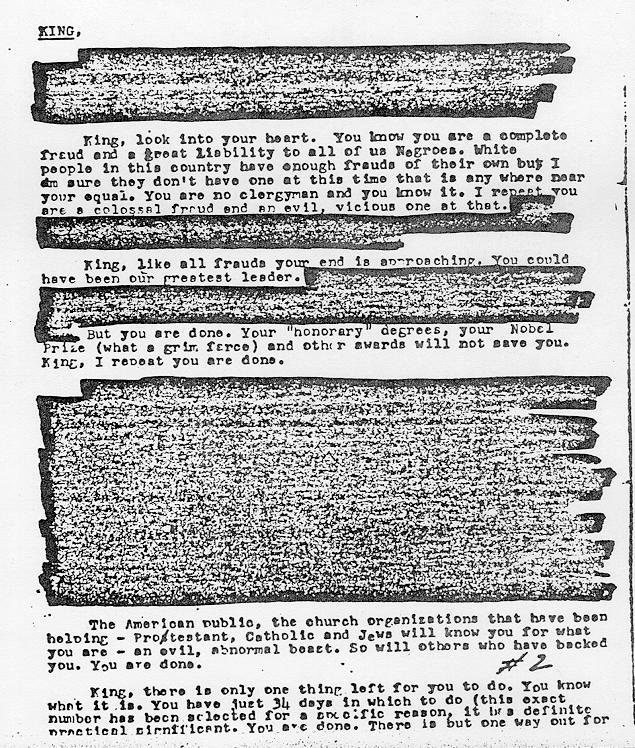
- 01.Operation targeting MLK included attempts to drive him to suicide via anonymous blackmail letters and fabricated evidence sent to his wife.
- 02.FBI informant William O'Neal provided floor plans of Fred Hampton's apartment and drugged him hours before the December 1969 raid that killed him.
- 03.COINTELPRO directives explicitly authorized agents to 'enhance the paranoia endemic in these circles' and 'get the point across there is an FBI agent behind every mailbox.'
The Hidden Truth
What the headlines won't tell you
The Mainstream Narrative
The accepted history describes COINTELPRO as an FBI counterintelligence program exposed in 1971 after activists burglarized the FBI field office in Media, Pennsylvania. The program targeted groups the FBI deemed subversive—from the Communist Party USA to the Black Panther Party, civil rights organizations, anti-war activists, and the New Left. Official investigations, particularly the 1975 Church Committee, documented illegal activities including wiretapping, infiltration, psychological warfare, and encouraging violence between groups. The narrative concludes with reforms, oversight improvements, and the program's official termination.
Under-Reported Dimensions
The full extent of COINTELPRO's damage remains uncalculated. Estimates suggest over 20,000 Americans were investigated without legal basis. The program's role in specific deaths—including Fred Hampton's 1969 assassination, where an FBI informant drugged Hampton before the police raid—demonstrates operational criminality beyond mere surveillance. Documents show the FBI actively worked to "prevent the rise of a 'messiah' who could unify and electrify the black nationalist movement," explicitly naming Martin Luther King Jr., Elijah Muhammad, and Stokely Carmichael as threats.
Critically under-examined is whether COINTELPRO truly ended. The program was "discontinued" but no systemic accountability occurred—no FBI agents were prosecuted, and institutional culture remained intact. Subsequent programs like the NSA's warrantless surveillance exposed by Edward Snowden, FBI infiltration of Muslim communities post-9/11, and documented surveillance of Black Lives Matter activists suggest methodological continuity under different names.
Credible Dissenting Voices
Historians like Betty Medsger, who broke the original Media burglary story, and former FBI agent M. Wesley Swearingen (who participated in COINTELPRO operations) have documented that official inquiries barely scratched the surface. Ward Churchill's research suggests the Church Committee examined only 1% of COINTELPRO files. Civil liberties organizations note that FBI domestic terrorism classifications and Joint Terrorism Task Force activities mirror COINTELPRO tactics with modern technology.
Power Dynamics and Open Questions
The FBI operated with complete autonomy under J. Edgar Hoover for 48 years, accumulating secret files on politicians, presidents, and judges—creating a parallel power structure. The fundamental question remains: did institutional reform occur, or merely rebranding? Why has no comprehensive truth and reconciliation process addressed victims? How many operations remain classified? The 2011 revelation that the FBI had a 1,400-page file on Steve Jobs, and ongoing FOIA battles over civil rights era documents, suggest vast archives remain sealed.
Follow the Money
Editorial pass pending.
Open Questions
Editorial pass pending.
Case Timeline
- 1956GOVERNMENT RECORDFBI launches COINTELPRO-CPUSA targeting Communist Party USAThis program initially focused on disrupting CPUSA through infiltration and psychological operations, establishing tactics later expanded to other domestic groups.
- 1961GOVERNMENT RECORDCOINTELPRO expands to Socialist Workers PartyThe SWP program marked COINTELPRO's expansion beyond Communist targets to include Trotskyist organizations the FBI deemed threats to national security.
- 1964GOVERNMENT RECORDCOINTELPRO-White Hate targets KKK and white supremacist groupsThis represented the FBI's only COINTELPRO program explicitly targeting right-wing extremist organizations during the civil rights era.
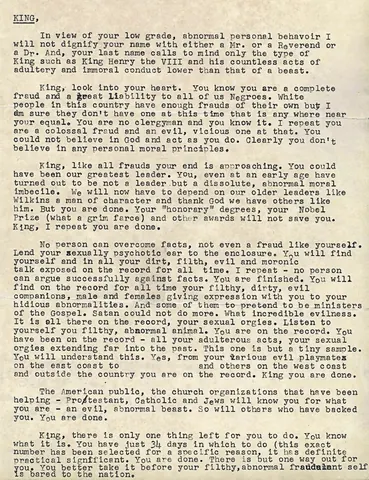
A letter sent anonymously by the FBI to Martin Luther King Jr. in 1964. This is a higher resolution, unredacted version of File:Mlk-suicide-letter.JPG. - 1967PRIMARY SOURCECOINTELPRO-Black Nationalist Hate Groups targets civil rights organizationsInternal FBI memos explicitly stated the program aimed to prevent the rise of a 'messiah' who could unify black nationalist movements, naming King and others.
- 1968GOVERNMENT RECORDCOINTELPRO-New Left targets anti-war and student movementsThe program targeted Students for a Democratic Society and anti-Vietnam War groups, employing infiltrators to encourage illegal activities and internal conflicts.
- 1969COURT RECORDFBI informant William O'Neal facilitates Fred Hampton's killing in coordinated police raidO'Neal provided police with detailed floor plans of Hampton's apartment and allegedly drugged Hampton before the pre-dawn raid that killed him and Mark Clark.
- 1971PRIMARY SOURCECitizens' Commission burglarizes Media, PA FBI office, stealing and leaking COINTELPRO documentsThe Citizens' Commission to Investigate the FBI broke into the office and mailed documents to newspapers, with members remaining unidentified until 2014.
- 1971GOVERNMENT RECORDFBI officially terminates all COINTELPRO operations following exposureDirector J. Edgar Hoover formally ended COINTELPRO operations, though no FBI personnel faced prosecution for illegal activities conducted under the programs.
- 1975GOVERNMENT RECORDChurch Committee investigations reveal scope of illegal FBI activitiesThe Senate investigation documented systematic constitutional violations including warrantless surveillance, mail opening, and efforts to disrupt marriages and employment of targets.
- 1976GOVERNMENT RECORDAttorney General Edward Levi issues FBI domestic security guidelinesThese guidelines attempted to restrict FBI domestic intelligence operations and required evidence of criminal activity before investigations could be opened.
- 1979CREDIBLE REPORTINGFormer FBI agent M. Wesley Swearingen begins publicly disclosing COINTELPRO activitiesSwearingen, a 25-year FBI veteran, testified about illegal break-ins, fabricated evidence, and operations he personally conducted against political activists.
- 2014GOVERNMENT RECORDDocuments reveal FBI monitored Black Lives Matter movement using counterterrorism toolsFBI documents obtained through FOIA showed the Bureau tracked activists across states using methods critics argued paralleled COINTELPRO-era surveillance tactics.
Key People
Organizations
Evidence Library
- documentpartial redactionDOC-A1Church Committee Final Report - Book III: Supplementary Detailed Staff Reports on Intelligence Activities and the Rights of Americans
The 1976 Senate report documented COINTELPRO's 15-year history of illegal FBI activities including 2,370 approved operations targeting domestic political organizations. It provided the most comprehensive official accounting of constitutional violations, including the FBI's stated goal to 'expose, disrupt, misdirect, discredit, or otherwise neutralize' targeted groups and individuals.
- documentpartial redactionDOC-A2FBI Internal Memo on 'Preventing the Rise of a Black Messiah' (March 4, 1968)
This primary source FBI memorandum explicitly outlined the Bureau's goal to prevent black leaders from gaining influence, specifically naming targets and revealing the political motivations behind surveillance operations. It demonstrates COINTELPRO's focus on lawful political activity rather than criminal conduct.
- documentDOC-A3FBI Anonymous Letter to Martin Luther King Jr. ('Suicide Letter', November 1964)
This threatening letter, accompanied by surveillance recordings, urged King to commit suicide before receiving the Nobel Peace Prize. Senate investigators confirmed FBI authorship, providing direct evidence of psychological warfare tactics against a prominent civil rights leader engaged in lawful activity.
- court filingpartial redactionCRT-B1Hampton v. Hanrahan - Civil Rights Lawsuit Settlement Documents (1982)
Federal court records from the wrongful death lawsuit revealed FBI informant William O'Neal's role providing floor plans and information before the raid that killed Fred Hampton. The $1.85 million settlement and court findings established law enforcement coordination in the operation.
- leakDOC-A4Media, Pennsylvania FBI Office Documents (March 8, 1971)
The Citizens' Commission burglary produced approximately 1,000 classified documents first revealing COINTELPRO's existence. These primary source materials provided the initial evidence that prompted congressional investigations and included operational guidelines showing political targeting criteria.
- testimonyTST-C1M. Wesley Swearingen Sworn Testimony and Affidavits (1979-1995)
The former FBI agent provided firsthand accounts of COINTELPRO operations he participated in, including illegal break-ins ('black bag jobs'), mail interception, and fabrication of evidence. His testimony corroborated documentary evidence and filled gaps in declassified records.
- documentheavy redactionDOC-A5FBI Vault - COINTELPRO Declassified Files Collection
The FBI's official release of redacted COINTELPRO documents provides primary source evidence of operations, including authorization memos, operational reports, and inter-office communications. Heavy redactions limit full accountability but confirm the program's scope and methods.
- documentDOC-A6ACLU Report: 'Unleashed and Unaccountable: The FBI's Unchecked Abuse of Authority' (2013)
This analysis documented post-9/11 FBI surveillance practices that civil liberties advocates argue represent COINTELPRO-style tactics under different legal frameworks. While not proving direct program continuation, it provides evidence for concerns about methodological persistence.
Evidence Gallery


Sources
Trace the trail yourself
Investigation Network


This dossier does not end here.
- The Lavender ScareHow Cold War paranoia purged thousands of gay federal workers through systematic surveillance and interrogationShared person: J. Edgar HooverShared subject: Civil Rights, Fbi
- JFK Assassination FilesSixty years later, millions of documents remain classified—what is still being hidden?Shared person: J. Edgar Hoover
- Operation MockingbirdCIA's alleged Cold War program to influence American media and shape public opinion domesticallyShared organization: Church Committee
- 1973Watergate scandal triggers broader investigations into intelligence agency domestic activitiesOperation Mockingbird
- 1973American Psychiatric Association removes homosexuality from DSMThe Lavender Scare
- 1975Church Committee begins investigation of intelligence abuses including CIA-media relationshipsOperation Mockingbird
- 1975Civil Service Commission announces end to blanket homosexual exclusion from federal employmentThe Lavender Scare
- 1976House Select Committee on Assassinations finds 'probable conspiracy' based on acoustic evidenceJFK Assassination Files
- 1976George H.W. Bush as CIA Director issues policy restricting use of accredited journalistsOperation Mockingbird
Live Discussion
0 Perspectives
Add to the record. Be specific. Cite where you can.
This is an advanced investigation. Recommended starting points:
If you're learning about this topic for the first time, these are the best places to continue — documented evidence and historical relationships are the guide.
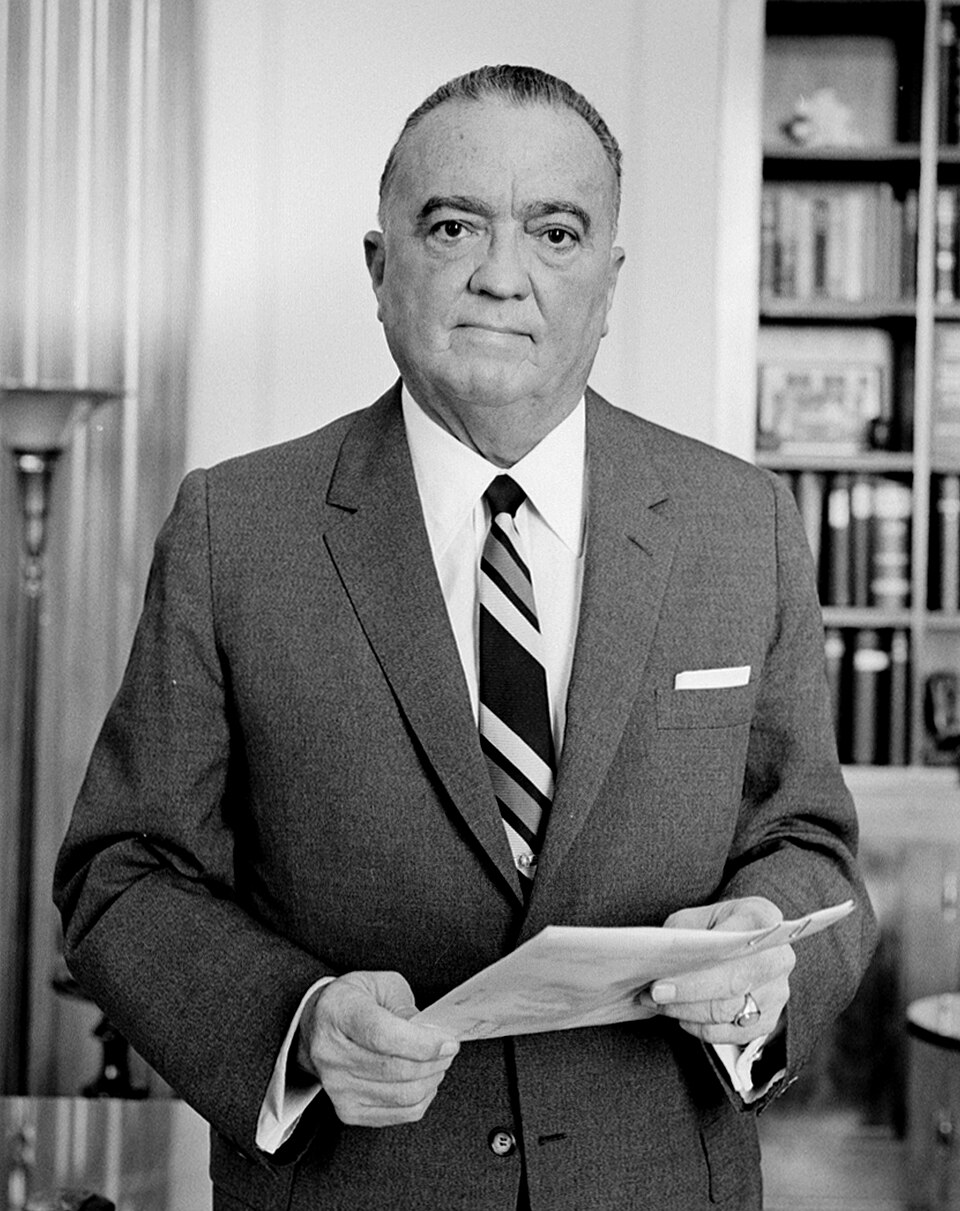
Named in “COINTELPRO” and 2 other published dossiers.
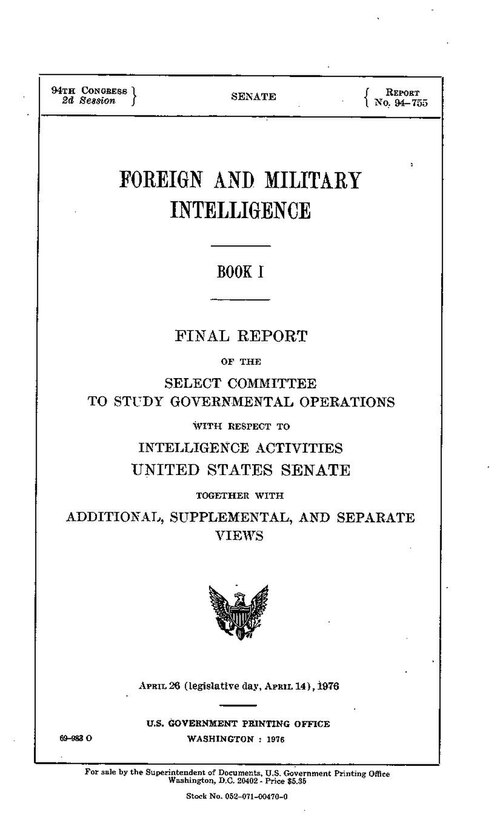
Named in “COINTELPRO” and 1 other published dossier.
Shares 1 documented key player with “COINTELPRO”, including J. Edgar Hoover.
Read more dossiers like this
Get a quiet one-line bulletin when new investigative files are published. Bound to this dossier — useful for tracking follow-ups.