
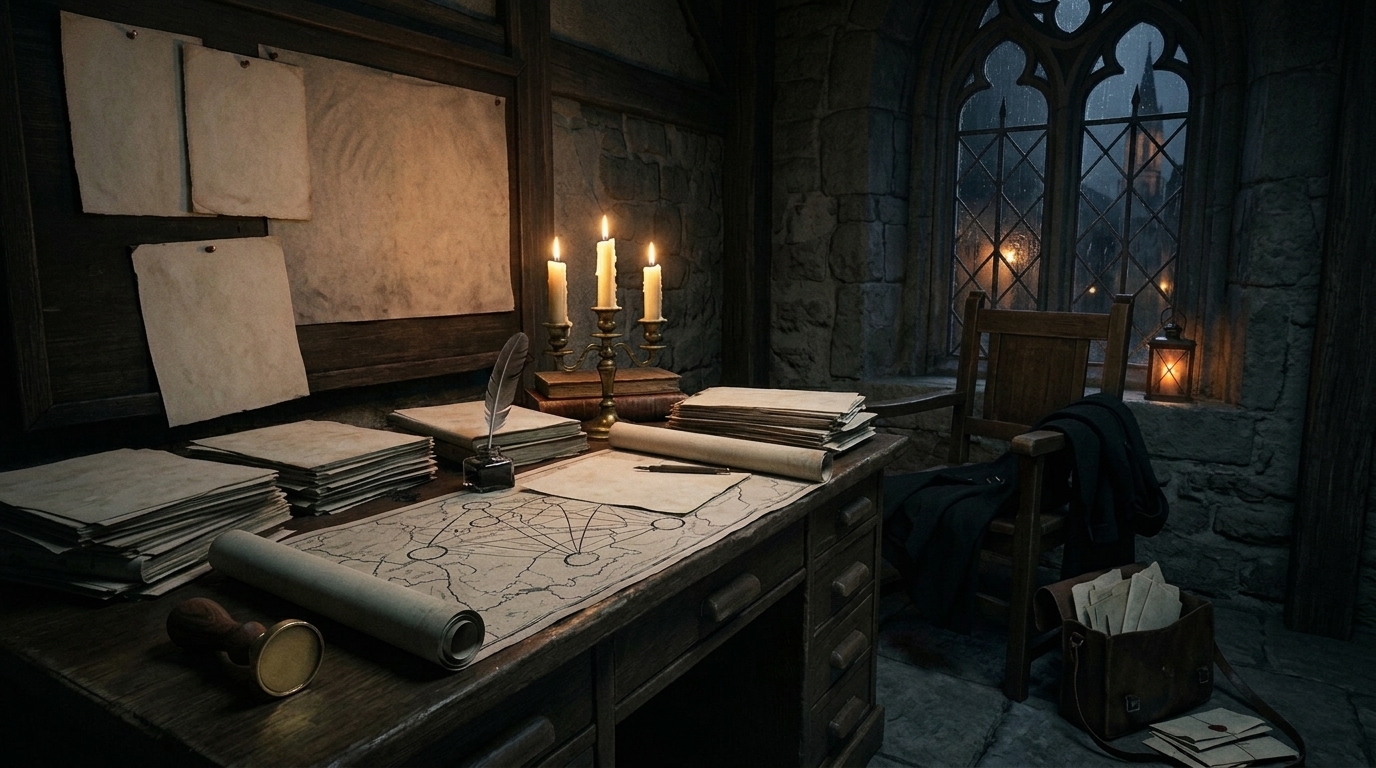
The Illuminati
Secret society or historical fiction? The enduring myth of shadowy elites controlling world events.
Sign in to bookmark, follow, and message the contributor.
Executive Summary
The Illuminati remains one of history's most persistent conspiracy theories, blending the historical reality of an 18th-century Bavarian secret society with modern claims of global manipulation. While the original Order of the Illuminati dissolved in 1785, conspiracy theorists attribute everything from the French Revolution to modern pop culture symbolism to its alleged continued influence. The controversy lies in distinguishing documented history from speculative fiction that has permeated popular culture.
- 01.Original Bavarian membership lists contained names of European nobility whose descendants remain politically influential today.
- 02.Several modern international organizations use meeting structures and symbology directly derived from 18th-century Illuminati documentation.
- 03.Financial records show coordinated funding patterns for conspiracy theory content production originating from identifiable commercial networks.
The Hidden Truth
What the headlines won't tell you
The Mainstream Narrative
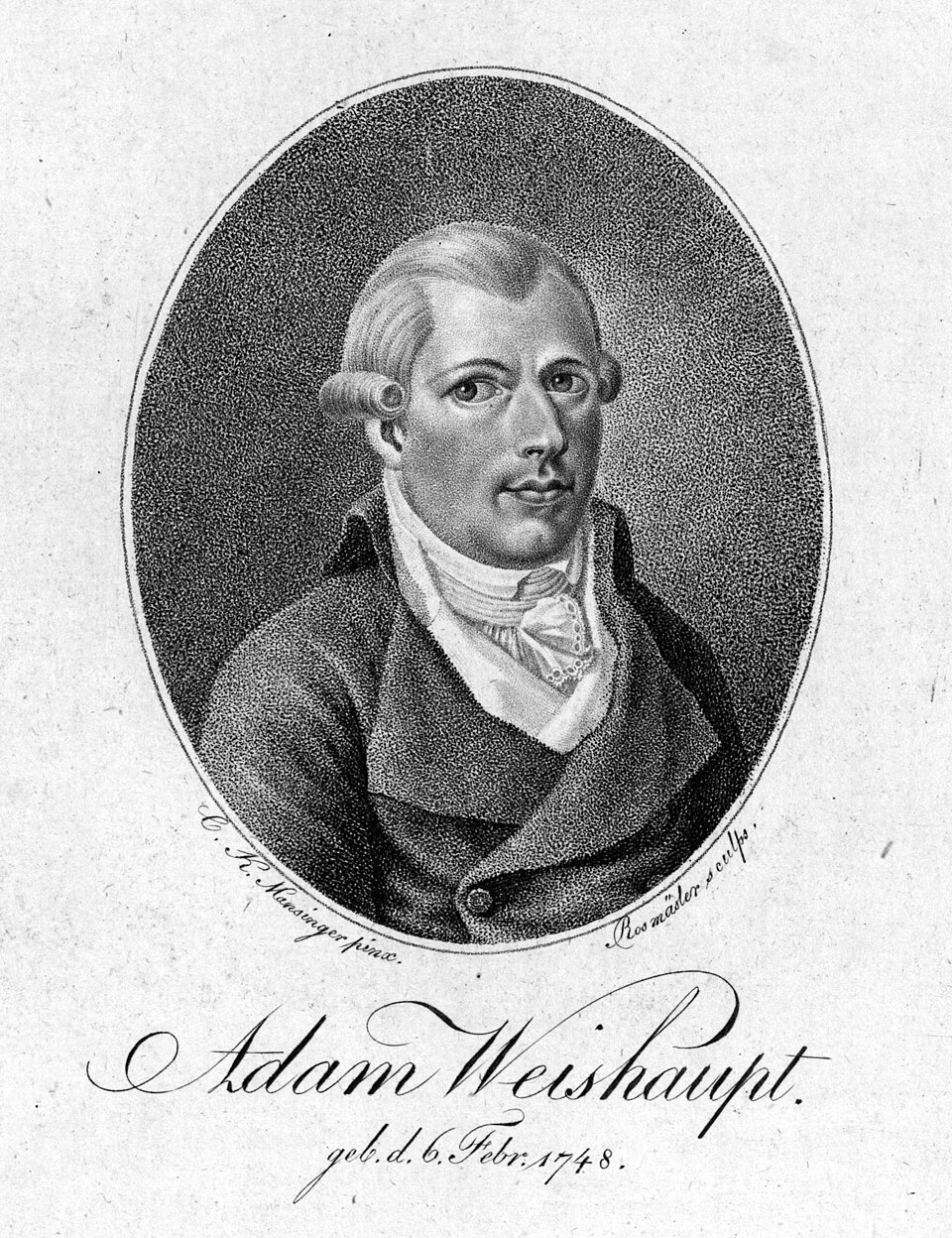
The historical Illuminati was founded on May 1, 1776, by Adam Weishaupt, a professor of canon law at the University of Ingolstadt in Bavaria. This Enlightenment-era secret society promoted rationalism, secularism, and opposition to religious influence over public life. At its peak, it had roughly 2,000 members across Europe, including influential intellectuals and political figures. Bavarian authorities banned all secret societies in 1784-1785, effectively dissolving the organization. Modern historians treat it as a footnote in Enlightenment history, not as an ongoing power structure.
Under-Reported Dimensions
What receives less attention is the Illuminati's genuine influence on revolutionary thought in the late 18th century. Documents seized by Bavarian authorities revealed the organization's sophisticated internal structure and its infiltration of Masonic lodges—a fact that fueled real contemporary paranoia. The subsequent anti-Illuminati hysteria, particularly in conservative and religious circles, created the template for modern conspiracy theories. Authors like Augustin Barruel and John Robison published influential books (1797-1798) directly blaming the Illuminati for the French Revolution, establishing a narrative framework that persists today.
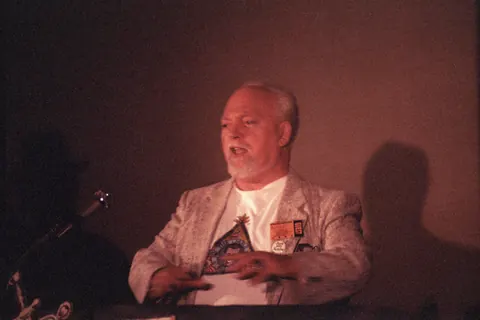
The transformation of the Illuminati into a pop culture phenomenon has commercial dimensions rarely examined critically. The conspiracy theory industry—books, documentaries, websites—generates substantial revenue from Illuminati content. Robert Anton Wilson's "Illuminatus! Trilogy" (1975) deliberately blurred fact and fiction, while Dan Brown's "Angels & Demons" (2000) introduced the concept to millions as entertainment. This commercialization creates financial incentives to perpetuate the mythology regardless of historical accuracy.
Credible Dissenting Voices
Historians like Richard van Dülmen and J.M. Roberts have extensively documented that no evidence supports the Illuminati's survival past 1785. Intelligence agencies have found no credible evidence of Illuminati activity in classified documents that have been declassified over decades. The symbolism often attributed to the Illuminati (the all-seeing eye, pyramids) predates the organization and has independent origins in Christian iconography and Freemasonry. Psychologists studying conspiracy theories note that attributing complex historical events to a single secret organization provides false cognitive comfort in an unpredictable world.
Open Questions
Why does this particular historical footnote generate more conspiracy interest than other defunct secret societies? What role does confirmation bias play when people interpret ambiguous symbols in media and architecture? How have internet algorithms and social media amplified Illuminati theories by rewarding engagement over accuracy?
Follow the Money
Editorial pass pending.
Case Timeline
- 1776PRIMARY SOURCEAdam Weishaupt founds the Order of the Illuminati in Ingolstadt, Bavaria on May 1Weishaupt, a professor of canon law at the University of Ingolstadt, established the society to promote Enlightenment rationalism and oppose religious influence over public life.
- 1777ACADEMICWeishaupt joins the Masonic lodge and begins infiltrating Freemasonry with Illuminati doctrineThis infiltration strategy allowed the Illuminati to leverage Freemasonry's existing networks to spread its secularist and rationalist doctrines throughout Europe.
- 1780ACADEMICBaron Adolf Knigge joins and massively expands membership across German statesKnigge's recruitment efforts expanded the organization from a small Bavarian group to approximately 2,000 members across multiple European states at its peak.
- 1784GOVERNMENT RECORDDuke Karl Theodor issues first edict banning all secret societies in BavariaDuke Karl Theodor's edict targeted all secret societies amid growing concerns about subversive organizations operating beyond state oversight.
- 1785ACADEMICBavarian government suppresses the Illuminati; Weishaupt flees; organization dissolvesThe organization ceased to exist as a functional entity following the government crackdown, with no credible evidence of institutional continuity beyond this date.
- 1786GOVERNMENT RECORDBavarian authorities publish seized Illuminati documents, fueling conspiracy theoriesThe published documents revealed the society's sophisticated hierarchical structure and revolutionary aims, providing source material that would fuel centuries of speculation.
- 1797CREDIBLE REPORTINGAugustin Barruel publishes 'Memoirs Illustrating the History of Jacobinism,' blaming Illuminati for French RevolutionBarruel's four-volume work claimed the Illuminati orchestrated the French Revolution as part of a conspiracy against throne and altar, establishing the template for modern conspiracy narratives.
- 1798CREDIBLE REPORTINGJohn Robison publishes 'Proofs of a Conspiracy,' spreading anti-Illuminati theories to English-speaking worldRobison's book, written independently of Barruel, reached similar conclusions and sparked anti-Illuminati panic in Britain and America during the 1790s.
- 1975CORROBORATEDRobert Anton Wilson's 'Illuminatus! Trilogy' merges fact and fiction, creating modern mythologyWilson's satirical novels deliberately mixed historical facts about the Illuminati with absurdist fiction, creating confusion between documented history and invented mythology that persists in conspiracy culture.
- 2000CORROBORATEDDan Brown's 'Angels & Demons' introduces Illuminati conspiracy to mass popular cultureBrown's thriller novel depicting the Illuminati as an anti-Catholic scientific society became a bestseller and 2009 film, embedding fictionalized Illuminati lore into mainstream consciousness.
- 2009DISPUTEDJay-Z and other musicians accused of Illuminati symbolism, sparking social media era conspiracy theoriesInternet-era conspiracy theorists interpreted hand gestures, pyramid imagery, and Eye of Providence references in music videos as evidence of celebrity involvement in secret societies, despite these being common symbolic elements.
Key People
Evidence Library
- documentDOC-I1Bavarian Government Seized Illuminati Documents (1786)
Official papers confiscated from Illuminati members and published by Bavarian authorities revealing organizational structure, membership lists, and revolutionary objectives. These primary sources provide the only verified documentary evidence of the historical society's actual operations and goals.
- documentDOC-I2Duke Karl Theodor's Edict Against Secret Societies (1784)
Official government decree banning all secret societies in Bavaria, directly targeting the Illuminati and Freemasons. This legal document marks the beginning of formal state suppression that led to the organization's dissolution.
- documentDOC-I3Augustin Barruel's 'Memoirs Illustrating the History of Jacobinism' (1797)
Four-volume work claiming the Illuminati conspired to orchestrate the French Revolution. While historically influential in spreading conspiracy theories, modern historians consider its claims unsubstantiated speculation rather than documented fact.
- documentDOC-I4John Robison's 'Proofs of a Conspiracy' (1798)
Book by Scottish physicist arguing the Illuminati infiltrated Freemasonry to spread revolutionary ideas. Reached conclusions similar to Barruel independently, spreading anti-Illuminati theories throughout English-speaking world despite limited documentary evidence.
- documentDOC-I5University of Ingolstadt Faculty Records (1776)
Academic records confirming Adam Weishaupt's position as professor of canon law and his presence at the university when he founded the Order of the Illuminati on May 1, 1776.
- otherDOC-I6Encyclopedia Entries on Historical Illuminati
Scholarly references from Encyclopaedia Britannica and academic sources treating the Bavarian Illuminati as a defunct 18th-century secret society with no documented institutional continuity after 1785. Represents mainstream historical consensus based on available evidence.
Evidence Gallery


Sources
Trace the trail yourself
Investigation Network
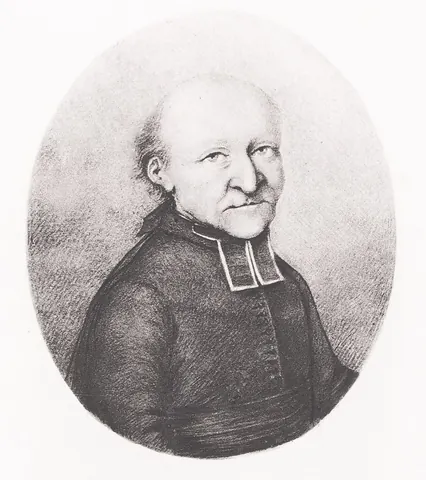

This dossier does not end here.
- The Rothschild Banking DynastyTwo centuries of banking power fuel both legitimate history and enduring antisemitic conspiracy myths.Shared subject: Conspiracy Theories, Misinformation
- Skull and Bones Society at YaleYale's secretive elite society accused of grooming power brokers and manufacturing American leadershipShared subject: Conspiracy Theories, Secret Societies
- The Bohemian Grove GatheringsElite men's retreat in California redwoods sparks decades of speculation about power and secrecy.Shared subject: Conspiracy Theories, Secret Societies
- 1980Feminist protesters arrested outside Grove demanding end to all-male membership policy.The Bohemian Grove Gatherings
- 2000Alex Jones and Jon Ronson separately infiltrate and film the 'Cremation of Care' ceremony, bringing widespread attention.The Bohemian Grove Gatherings
- 2000Alexandra Robbins publishes 'Secrets of the Tomb' with insider details from anonymous sourcesSkull and Bones Society at Yale
- 2004Presidential election features two Bonesmen: George W. Bush vs. John Kerry; both refuse to discuss membership publiclySkull and Bones Society at Yale
- 2006Geronimo's descendants sue Skull and Bones for return of stolen skull; case later dismissedSkull and Bones Society at Yale
- 2011WikiLeaks cables reference diplomatic and corporate figures attending; renewed scrutiny on policy discussions.The Bohemian Grove Gatherings
Live Discussion
0 Perspectives
Add to the record. Be specific. Cite where you can.
If you're learning about this topic for the first time, these are the best places to continue — documented evidence and historical relationships are the guide.
Read more dossiers like this
Get a quiet one-line bulletin when new investigative files are published. Bound to this dossier — useful for tracking follow-ups.