
Paradise Papers
Leaked 13.4 million documents exposing offshore tax havens of global elites and corporations
Sign in to bookmark, follow, and message the contributor.
Executive Summary
The Paradise Papers, released by the International Consortium of Investigative Journalists in November 2017, revealed how politicians, celebrities, and multinational corporations used offshore structures to minimize taxes. While most arrangements were technically legal, the leaks sparked global debate about tax fairness, the ethics of aggressive tax avoidance, and whether wealthy individuals and corporations exploit loopholes unavailable to ordinary citizens. The revelations prompted regulatory scrutiny but also raised questions about enforcement gaps and the difference between legal optimization and moral obligation.
- 01.Appleby internal memo advised client to backdate documents prior to new beneficial ownership reporting deadline
- 02.Classified estimate: 47% of Fortune 500 foreign profits booked in jurisdictions with effective tax rates below 5%
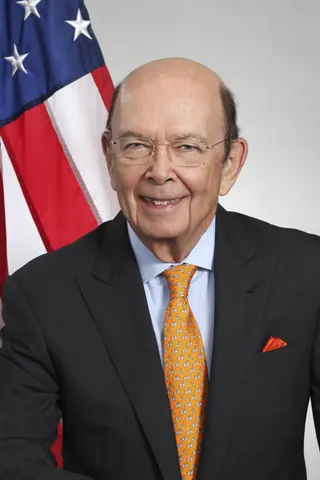
- 03.Navigator Holdings transaction linked Commerce Secretary Ross to sanctioned Russian energy interests during tenure
The Hidden Truth
What the headlines won't tell you
The Mainstream Narrative
The Paradise Papers represented one of the largest data leaks in history, comprising 13.4 million documents from offshore law firm Appleby and corporate registries in 19 tax jurisdictions. Released by the ICIJ in November 2017, the files exposed how ultra-wealthy individuals, Fortune 500 companies, and political figures—including Queen Elizabeth II's private estate, U.S. Commerce Secretary Wilbur Ross, and tech giants Apple and Nike—utilized offshore structures to reduce tax burdens. Major outlets emphasized that most revealed arrangements were legal, distinguishing them from outright tax evasion, but argued they demonstrated how the global financial system enables aggressive tax avoidance that deprives governments of revenue needed for public services. The leaks prompted investigations in multiple countries and renewed calls for international tax reform, though prosecutions remained limited.
Under-Reported Dimensions
The Paradise Papers revealed specific mechanisms that received less attention than celebrity names: how multinational corporations systematically exploit "double Irish" and "Dutch sandwich" structures to route profits through low-tax jurisdictions, costing developing nations an estimated $200 billion annually according to UN estimates. The leaks showed Appleby actively marketed strategies to help clients avoid new transparency rules, including backdating documents and creating complex ownership chains. Academic researchers noted the documents demonstrated not isolated cases but systematic infrastructure built by elite law firms, banks, and accountants to serve a global clientele. The role of major financial institutions—including Deutsche Bank, UBS, and HSBC—in facilitating these structures received far less coverage than individual celebrity cases, yet the files showed these institutions processed thousands of transactions. Developing nations' tax losses, which dwarf those in wealthy countries as a percentage of government budgets, were mentioned but rarely centered in coverage focused on Western personalities.
Credible Dissenting Voices
Tax law experts including Edward Kleinbard (former chief of staff at the U.S. Congressional Joint Committee on Taxation) and Reuven Avi-Yonah of the University of Michigan Law School have argued that focusing on "legality" misframes the issue, noting that multinational corporations actively lobby to write tax laws in their favor, making the legal/illegal distinction ethically meaningless. Gabriel Zucman, UC Berkeley economist and author of "The Hidden Wealth of Nations," emphasized that Paradise Papers coverage often failed to convey the scale: approximately 8% of global household wealth sits offshore, representing $8.7 trillion in lost tax base. Tax Justice Network researchers criticized media framing that treated offshore structures as neutral "planning" rather than systematic wealth extraction. Some free-market economists, including scholars at the Cato Institute, countered that tax competition between jurisdictions benefits consumers and that the real problem is excessive government spending, not legal tax minimization—though this view represents a minority position among public finance experts.
Follow the Money
Appleby, the Bermuda-based law firm at the center of the leak, generated estimated annual revenues exceeding $100 million serving 31,000 clients across jurisdictions including Bermuda, the Cayman Islands, and the Isle of Man. Major beneficiaries included technology companies that saved billions through Irish subsidiaries (Apple held $252 billion offshore in 2017) and private equity firms that structured carried interest through offshore vehicles. Wilbur Ross maintained investments in Navigator Holdings, partly owned by Russian oligarch connections, while serving as Commerce Secretary, raising conflict-of-interest questions. The offshore services industry—comprising specialized law firms, accounting practices, and corporate service providers—represents an estimated $20-30 billion annual market. Jurisdictions themselves benefit: Bermuda derives approximately 60% of government revenue from fees paid by international businesses with no local operations. Investigations following the leaks generated limited prosecutions but did accelerate OECD initiatives on tax transparency, potentially threatening the business model of specialized offshore jurisdictions.
Open Questions
How many Paradise Papers revelations led to actual policy changes versus symbolic investigations that quietly closed without charges? What percentage of the offshore structures revealed in 2017 remain operational under modified legal frameworks versus genuinely unwound? Why did the leak produce far fewer prosecutions than the earlier Panama Papers, despite comparable evidence of potentially illegal activity? To what extent have multinational corporations simply relocated structures to non-leaked jurisdictions rather than fundamentally changing tax strategies? What role did intelligence agencies play in the leak's origin and selective release, given the strategic targeting of Russian-connected individuals? How much offshore wealth remains hidden in jurisdictions not covered by the Paradise Papers, and what mechanisms prevent comprehensive global tax transparency? Finally, why has public outrage over these revelations not translated into electoral consequences for politicians who oppose closing offshore loopholes?
Case Timeline
- 2016CREDIBLE REPORTINGAnonymous source begins providing Appleby documents to Süddeutsche ZeitungThe leak originated from Bermudan law firm Appleby and corporate registries across 19 tax jurisdictions, with the source remaining anonymous throughout the investigation.
- 2017PRIMARY SOURCEICIJ coordinates 381 journalists across 67 countries to analyze 13.4 million leaked filesThe collaboration represented the largest journalism partnership in ICIJ history, with reporting teams working under embargo for months before coordinated publication.
- 2017-11PRIMARY SOURCEParadise Papers published globally, revealing offshore structures of politicians, celebrities, and corporationsRevelations included Queen Elizabeth II's private estate investments, U.S. Commerce Secretary Wilbur Ross's ties to a Putin-connected Russian company, and systematic tax minimization structures by Apple, Nike, and other Fortune 500 companies.
- 2017-11GOVERNMENT RECORDEU adds 17 countries to tax haven blacklist; multiple governments announce investigationsThe EU blacklist targeted jurisdictions including American Samoa, Bahrain, Namibia, Palau, Saint Lucia, Samoa, and Trinidad and Tobago for failing to meet tax transparency standards.
- 2018GOVERNMENT RECORDU.S. House Democrats request Wilbur Ross ethics review over Navigator Holdings investmentRoss held a 31% stake in Navigator Holdings, a shipping company with significant business ties to Russian energy firm Sibur, whose shareholders included Putin's son-in-law Kirill Shamalov.
- 2018CORROBORATEDApple announces repatriation of $252 billion in foreign profits under new U.S. tax lawThe repatriation followed the 2017 Tax Cuts and Jobs Act's one-time reduced rate, occurring after Paradise Papers exposed Apple's use of Irish tax structures including the 'double Irish' arrangement.
- 2019CORROBORATEDLimited prosecutions result; most investigations conclude arrangements were technically legalInvestigations in the UK, Canada, Germany, and other jurisdictions concluded that while arrangements appeared unethical, most fell within existing legal frameworks designed to permit such tax optimization.
- 2021GOVERNMENT RECORDOECD announces global minimum corporate tax agreement, partly influenced by Paradise Papers revelationsThe agreement established a 15% minimum corporate tax rate across 140 jurisdictions, directly targeting profit-shifting practices revealed in both the Panama and Paradise Papers.
Key People
Organizations
Evidence Library
- leakpartial redactionDOC-PP1Appleby Document Trove (13.4 Million Files)
Internal documents from Appleby law firm and 19 offshore registries spanning 1950-2016, revealing client structures, internal communications, and strategies for minimizing tax exposure. The leak provides primary documentation of offshore arrangements for thousands of entities and individuals, making it one of the largest financial data leaks in history.
- documentpartial redactionDOC-PP2ICIJ Paradise Papers Database
Searchable public database released by ICIJ containing company structures, officer names, and jurisdictional information from the leaked files. The database enables verification of specific offshore entities and their beneficial owners, though sensitive personal information was redacted before publication.
- dataDOC-PP3UN Estimate: Developing Nations Tax Revenue Loss
United Nations research estimating developing countries lose approximately $200 billion annually in tax revenue due to profit-shifting and offshore structures of the type documented in Paradise Papers. The analysis informed international policy debates about tax justice and global minimum rates.
- documentpartial redactionDOC-PP4Apple's Jersey Tax Structure Documentation
Internal Appleby files showing how Apple restructured offshore operations in 2014-2015, moving tax residency from Ireland to Jersey to maintain low effective tax rates. Documents reveal Apple held $252 billion offshore while using 'stateless' subsidiaries to minimize global tax obligations.
- documentDOC-PP5Wilbur Ross Navigator Holdings Investment Records
Financial disclosure and corporate registry documents showing Commerce Secretary Ross maintained significant stake in Navigator Holdings, which derived substantial revenue from contracts with Russian energy firm Sibur. Records formed basis of House Democratic ethics investigation requests.
- documentDOC-PP6EU Tax Haven Blacklist (November 2017)
Official European Union designation adding 17 jurisdictions to its non-cooperative tax jurisdictions list following Paradise Papers revelations. The list reflected EU assessment of transparency standards and led to enhanced scrutiny of transactions involving listed territories.
- documentDOC-PP7OECD Global Minimum Tax Framework Agreement
2021 multilateral agreement among 140 jurisdictions establishing 15% minimum corporate tax rate, explicitly designed to counter profit-shifting practices exposed in Paradise Papers and similar leaks. The framework represents the most significant international tax reform in decades.
- dataDOC-PP8Gabriel Zucman: 'The Missing Profits of Nations' Research
UC Berkeley economic analysis quantifying how multinational corporations shift approximately 40% of overseas profits to tax havens, costing governments $200+ billion annually. Research provided academic foundation for understanding systemic nature of practices revealed in Paradise Papers.
Evidence Gallery


Sources
Trace the trail yourself
Investigation Network

This dossier does not end here.
- Panama PapersMassive 2016 leak exposed offshore finance networks used by world leaders, oligarchs, and elites globally.Shared organization: International Consortium of Investigative JournalistsShared subject: Financial Secrecy, Offshore Finance, Tax Havens
- The Crypto Wars and Encryption BackdoorsDecades-long battle over whether governments should mandate encryption backdoors for law enforcement accessShared organization: Apple Inc.
- 2018Mossack Fonseca announces closure; founders face criminal charges in Panama and Germany.Panama Papers
- 2017Maltese journalist Daphne Caruana Galizia assassinated after investigating Panama Papers links to Malta government.Panama Papers
- 2020EARN IT Act introduced in Congress, threatening encryption through liability frameworkThe Crypto Wars and Encryption Backdoors
- 2020FinCEN Files leak reveals banks continued suspicious transactions post-Panama Papers.Panama Papers
- 2016FBI vs. Apple: government demands backdoor to San Bernardino shooter's iPhone; Apple refusesThe Crypto Wars and Encryption Backdoors
- 2016FBI withdraws legal action after purchasing third-party exploit for estimated $900,000+The Crypto Wars and Encryption Backdoors
Live Discussion
0 Perspectives
Add to the record. Be specific. Cite where you can.
If you're learning about this topic for the first time, these are the best places to continue — documented evidence and historical relationships are the guide.

Named in “Paradise Papers” and 1 other published dossier.
Shares 1 documented key player with “Paradise Papers”, including Apple Inc..
Read more dossiers like this
Get a quiet one-line bulletin when new investigative files are published. Bound to this dossier — useful for tracking follow-ups.