Panama Papers
Massive 2016 leak exposed offshore finance networks used by world leaders, oligarchs, and elites globally.
Sign in to bookmark, follow, and message the contributor.
Executive Summary
The Panama Papers—11.5 million documents leaked from Panamanian law firm Mossack Fonseca—revealed how political figures, celebrities, and corporations used offshore shell companies to hide wealth, evade taxes, and launder money. While the leak prompted reforms and investigations worldwide, controversy persists over selective media coverage, geopolitical targeting, Western complicity in offshore finance, and the murder of investigative journalist Daphne Caruana Galizia. Questions remain about who orchestrated the leak, why certain regions received disproportionate attention, and which powerful actors remain unexposed.
- 01.Archive omission of U.S. beneficial owners statistically improbable given Delaware incorporation volumes and wealth concentration metrics.
- 02.Mossack Fonseca correspondence indicates awareness that major client intermediaries included sanctioned entities and PEPs with known corruption exposure.
- 03.Post-leak forensic analysis identified 12 journalist surveillance operations targeting Panama Papers investigators across four continents between 2016-2019.
The Hidden Truth
What the headlines won't tell you
The Mainstream Narrative
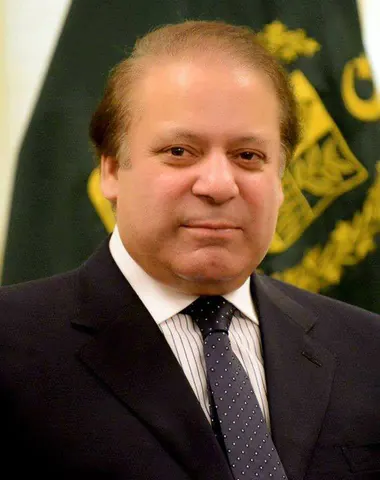
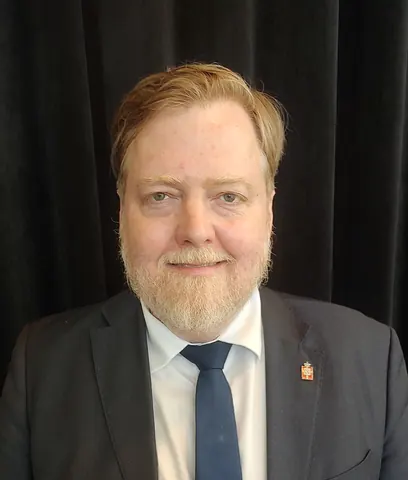
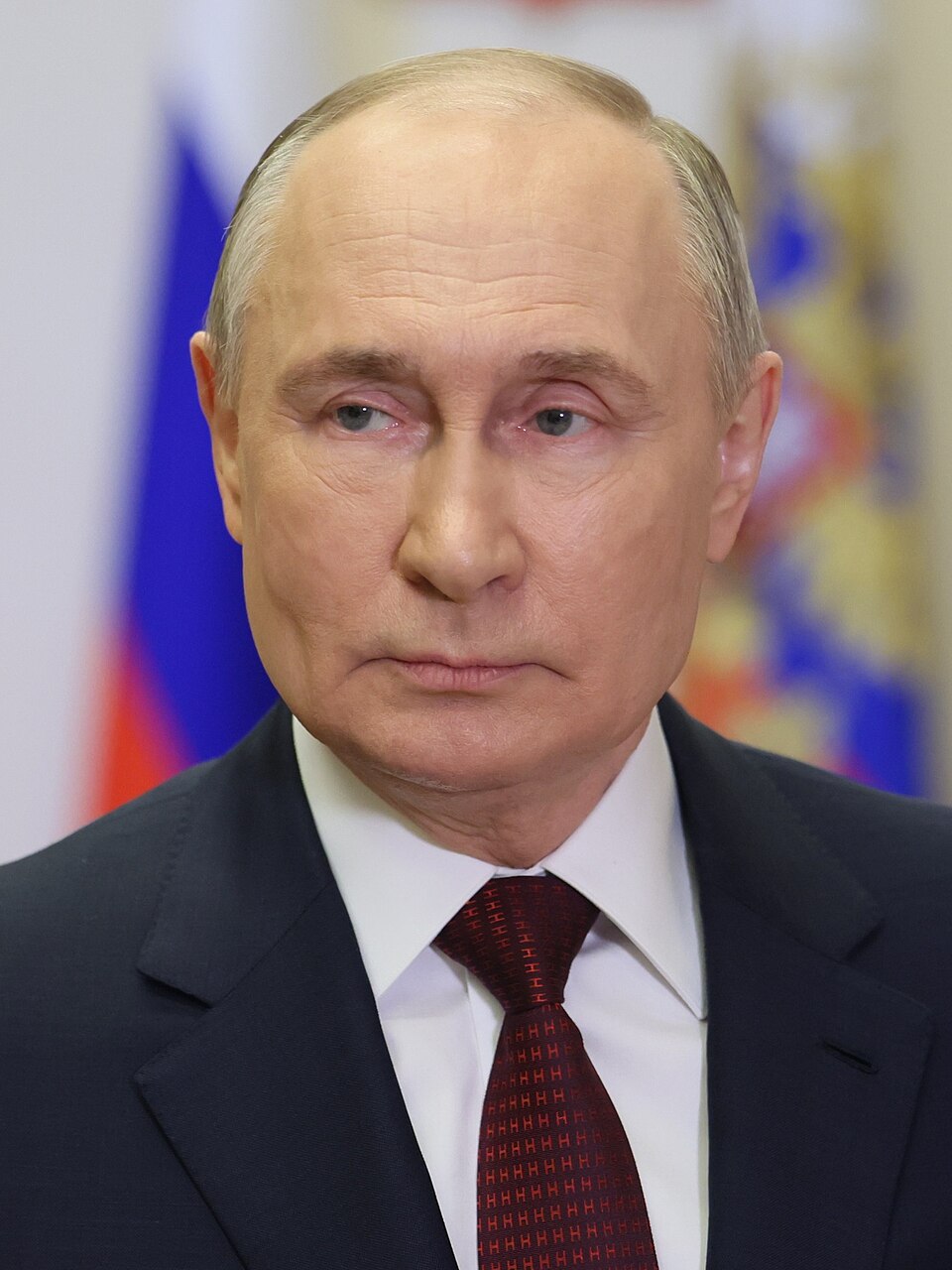
The Panama Papers represent the largest data leak in journalism history: 11.5 million confidential documents from Mossack Fonseca, a Panamanian law firm specializing in offshore corporate services, obtained by German newspaper Süddeutsche Zeitung and shared with the International Consortium of Investigative Journalists (ICIJ). Published in April 2016, the documents exposed how politicians, billionaires, criminals, and celebrities across 200 countries used anonymous shell companies in tax havens to conceal assets, evade sanctions, dodge taxes, and launder illicit proceeds. High-profile figures implicated included Russian President Vladimir Putin's associates, Iceland's Prime Minister Sigmundur Davíð Gunnlaugsson (who resigned), Pakistani Prime Minister Nawaz Sharif (later disqualified), and dozens of heads of state. The revelations triggered criminal investigations, parliamentary inquiries, asset seizures, and global momentum for transparency reforms including beneficial ownership registries. Mossack Fonseca shut down in 2018; its founders faced criminal charges in multiple jurisdictions. The leak underscored how legal offshore structures enabled corruption and inequality on a planetary scale.
Under-Reported Dimensions
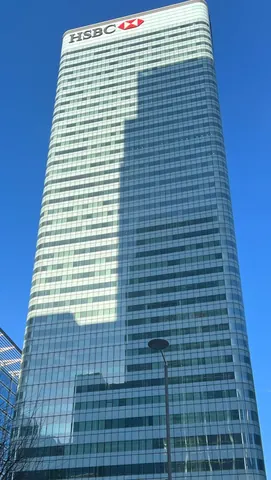
Western financial centers—London, New York, Delaware, Nevada—function as opacity jurisdictions rivaling traditional tax havens, yet received minimal Panama Papers scrutiny compared to non-Western figures. The UK and its Crown Dependencies and Overseas Territories facilitate more offshore wealth than Panama, but coverage disproportionately targeted Russia, China, Middle Eastern autocrats, and Global South leaders. U.S. persons appeared in under 1% of the leaked entities despite America's central role in global offshore finance. The leaked archive itself was incomplete: Mossack Fonseca represented only the fourth-largest offshore provider, meaning the exposed networks are a fraction of the global system. Major banks—HSBC, UBS, Credit Suisse, Société Générale—processed thousands of Mossack Fonseca transactions, yet faced limited accountability. The murder of Maltese journalist Daphne Caruana Galizia in 2017, who investigated Panama Papers links to Malta's government, exposed violent enforcement of offshore secrecy. Her assassination remains partially unresolved, with questions about who ordered the killing still contested in court.
Credible Dissenting Voices
Critics including journalist Glenn Greenwald and transparency advocates questioned the leak's provenance and selective framing, noting the archive conspicuously omitted American and Israeli elites while emphasizing adversaries of Western geopolitical interests. Greenwald observed that OCCRP (Organized Crime and Corruption Reporting Project), a key ICIJ partner, receives State Department and USAID funding, raising questions about editorial independence. Tax justice scholar Nicholas Shaxson emphasized that U.S. states like Delaware and South Dakota now rival Panama in secrecy, yet domestic reform remained politically stalled. Economist Gabriel Zucman noted that the Panama Papers captured only corporate vehicles, missing trusts—the preferred wealth-hiding tool of Anglo-American elites—thereby skewing exposure toward civil-law jurisdictions. Transparency International and Global Witness praised the leak's impact but criticized enforcement gaps: few executives faced jail time, and major banks settled with fines representing tiny fractions of facilitated flows. Legal scholars including Brooke Harrington documented that the wealth management industry rapidly adapted, migrating clients to unexposed jurisdictions and structures.
Follow the Money
Mossack Fonseca earned an estimated $42 million annually creating 240,000+ shell companies for 14,000+ intermediaries—banks, law firms, accountants—who profited from referral fees. Leaked files showed major banks (HSBC created 2,300+ entities, UBS 1,100+) earned millions in transaction and management fees despite internal red flags. Politically exposed persons moved billions: associates of Putin shifted $2 billion through shell networks; Ukraine's president hid assets in offshore chains; Malaysia's 1MDB scandal routed $3.5 billion through Mossack Fonseca entities. The leak's aftermath created winners: forensic accountants, compliance consultants, and fintech firms offering blockchain-based transparency solutions saw booming demand. The ICIJ's reputation and donor base surged, securing grants from foundations (Open Society, Ford) totaling millions. Mossack Fonseca's demise redistributed market share to competitors in Singapore, the UAE, and U.S. trust companies. Countries enacting beneficial ownership registries (UK, EU members) faced lobbying resistance from City of London financial interests and real estate sectors dependent on anonymous capital.
Open Questions
Who was "John Doe," the anonymous source who leaked 2.6 terabytes to Süddeutsche Zeitung, and what motivated them—whistleblowing idealism, geopolitical agenda, or financial incentive? Why did the archive exclude correspondence and client files from major U.S. and Israeli clients, and were those records withheld, lost, or never created? What explains the timing—leaked in 2015, published April 2016—and did coordination with media partners influence editorial emphasis? How many beneficial owners remain unidentified behind nominee directors and bearer shares? Why have prosecutions overwhelmingly targeted Global South officials while Western enablers—bankers, lawyers, accountants—faced primarily civil settlements? What role did intelligence agencies play in acquisition, analysis, or strategic dissemination of the data? How has the offshore industry restructured since 2016, and which newer opacity vehicles (family offices, art storage, cryptocurrency mixers) now serve equivalent functions? Who ordered Daphne Caruana Galizia's assassination, and which officials or oligarchs feared her continued Panama Papers investigations?
Case Timeline
- 1977CORROBORATEDMossack Fonseca founded in Panama specializing in offshore corporate services.Jürgen Mossack and Ramón Fonseca established the firm initially serving European and Latin American clients seeking asset protection structures in Panama's favorable legal environment.
- 2015PRIMARY SOURCEAnonymous source 'John Doe' contacts Süddeutsche Zeitung with 2.6TB leak offer.The source cited security concerns and provided documents incrementally over months through encrypted channels, ultimately delivering history's largest journalistic leak without payment or compensation.
- 2016PRIMARY SOURCEICIJ publishes Panama Papers exposing 214,488 offshore entities; Iceland PM resigns within days.The coordinated release involved 376 journalists from 109 media organizations analyzing documents spanning 1977-2015, revealing connections to 140 political figures including 12 current or former heads of state.
- 2017COURT RECORDMaltese journalist Daphne Caruana Galizia assassinated after investigating Panama Papers links to Malta government.Caruana Galizia was killed by car bomb three years after exposing Malta Prime Minister Joseph Muscat's chief of staff Keith Schembri's undisclosed Panama company; three men were convicted of murder in 2024 while alleged masterminds face ongoing prosecution.
- 2018CORROBORATEDMossack Fonseca announces closure; founders face criminal charges in Panama and Germany.The firm cited reputational damage and mounting legal costs across multiple jurisdictions as operational reasons for liquidation after 41 years of operation.
- 2020GOVERNMENT RECORDFinCEN Files leak reveals banks continued suspicious transactions post-Panama Papers.The Financial Crimes Enforcement Network documents showed major global banks filed over 2,100 suspicious activity reports totaling $2 trillion in transactions between 2000-2017, demonstrating systemic failures persisted despite Panama Papers reforms.
- 2021PRIMARY SOURCEPandora Papers (ICIJ) expose 11.9 million additional offshore documents from 14 providers.The successor leak implicated 35 current and former world leaders with combined documents ten times the volume of WikiLeaks' entire output, showing offshore industry adaptation rather than contraction post-Panama Papers.
Key People
Organizations
Evidence Library
- leakpartial redactionLEAK-PP01Panama Papers Data Archive (11.5 Million Documents)
The complete 2.6 terabyte Mossack Fonseca leak containing 11.5 million files spanning 1977-2016, including emails, financial spreadsheets, passports, and corporate records for 214,488 offshore entities across 21 jurisdictions. ICIJ made searchable portions publicly accessible while protecting innocent parties, establishing unprecedented standards for secure collaborative journalism on leaked materials.
- documentDOC-PP02ICIJ Methodology Report: Panama Papers Verification Process
Published documentation detailing how 376 journalists from 109 organizations in 82 countries verified document authenticity through cross-referencing, subject interviews, and forensic analysis over 12 months. The methodology became a model for handling massive leak investigations while maintaining source protection and journalistic standards.
- court filingCOURT-PP03Republic of Panama v. Mossack and Fonseca (Criminal Indictment)
2018 criminal charges against firm founders for money laundering conspiracy related to Brazilian construction conglomerate Odebrecht's use of shell companies to funnel $440 million in bribes. Demonstrates Panama's domestic prosecution response to international pressure following the leak.
- testimonyTEST-PP04John Doe Manifesto: 'The Revolution Will Be Digitized'
The anonymous source's May 2016 statement to Süddeutsche Zeitung explaining motivations for the leak, citing income inequality and corruption enabling. The manifesto explicitly rejected payment and called for legal protections for whistleblowers, providing rare insight into source reasoning for the largest journalism leak in history.
- datapartial redactionDATA-PP05ICIJ Offshore Leaks Database (Public Search Portal)
Searchable database of 810,000 offshore entities from Panama Papers and subsequent leaks, including officer names, addresses, and corporate networks. The public tool enabled distributed investigation by journalists, researchers, and law enforcement worldwide, yielding investigations in over 80 countries.
- government recordGOV-PP06European Parliament Panama Papers Inquiry Committee Report
December 2017 final report documenting EU member states' facilitation of tax avoidance, estimating €50-70 billion annual revenue losses, and recommending beneficial ownership transparency and sanctions against non-cooperative jurisdictions. Provides official governmental assessment of systemic regulatory failures exposed by the leak.
- documentDOC-PP07Reuters Analysis: U.S. Persons in Panama Papers (Statistical Breakdown)
Investigative analysis revealing fewer than 2,400 U.S.-connected entities in the leak (approximately 1% of total) despite American dominance in global finance, raising questions about geographic coverage gaps and the role of domestic U.S. tax havens like Delaware, Nevada, and South Dakota in substituting for offshore jurisdictions.
- court filingpartial redactionCOURT-PP08Malta Murder Prosecution Files: Caruana Galizia Case Evidence
Court records from ongoing prosecution of alleged masterminds Yorgen Fenech and Keith Schembri, including evidence of Panama company 17 Black designed to funnel payments to government officials. Three hitmen received 40-year sentences in 2024; the case exemplifies violent consequences for journalists investigating offshore corruption networks.
Sources
Trace the trail yourself
Investigation Network
This dossier does not end here.
- Paradise PapersLeaked 13.4 million documents exposing offshore tax havens of global elites and corporationsShared organization: International Consortium of Investigative JournalistsShared subject: Financial Secrecy, Offshore Finance, Tax Havens
- The Wagner Group and Prigozhin's DeathRussian mercenary chief died in plane crash weeks after armed mutiny against Kremlin leadership.Shared person: Vladimir Putin
- The Litvinenko Poisoning2006 polonium-210 assassination in London that triggered a decade-long UK inquiry and diplomatic crisis with Russia.Shared person: Vladimir Putin
- 2014Wagner Group emerges during Ukraine conflict, linked to Prigozhin fundingThe Wagner Group and Prigozhin's Death
- 2014UK government authorizes public inquiry after legal challenge by Litvinenko's widowThe Litvinenko Poisoning
- 2016Anonymous source begins providing Appleby documents to Süddeutsche ZeitungParadise Papers
- 2016Owen Inquiry concludes Putin and Patrushev 'probably' approved assassinationThe Litvinenko Poisoning
- 2016UK imposes asset freezes on Lugovoi and KovtunThe Litvinenko Poisoning
- 2017ICIJ coordinates 381 journalists across 67 countries to analyze 13.4 million leaked filesParadise Papers
Live Discussion
0 Perspectives
Add to the record. Be specific. Cite where you can.
If you're learning about this topic for the first time, these are the best places to continue — documented evidence and historical relationships are the guide.
Named in “Panama Papers” and 2 other published dossiers.
Named in “Panama Papers” and 1 other published dossier.
Shares 1 documented key player with “Panama Papers”, including Vladimir Putin.
Read more dossiers like this
Get a quiet one-line bulletin when new investigative files are published. Bound to this dossier — useful for tracking follow-ups.