The Litvinenko Poisoning
2006 polonium-210 assassination in London that triggered a decade-long UK inquiry and diplomatic crisis with Russia.
Sign in to bookmark, follow, and message the contributor.
Executive Summary
The 2006 death of former FSB officer Alexander Litvinenko in London from polonium-210 poisoning is officially attributed to Russian state agents, a finding upheld by a 2016 UK public inquiry. Controversy persists over the full chain of command, the role of intermediaries, and whether all documentary evidence has been disclosed. Russia denies involvement and has refused extradition requests for the accused.
- 01.GCHQ intercepts from October–November 2006 regarding Lugovoi-Kovtun communications remain classified under national security exemption.
- 02.Polonium-210 procurement traced to Sarov Nuclear Facility; chain-of-custody documentation submitted to inquiry in closed session only.
- 03.MI6 assessed parallel surveillance operations against at least two other UK-based Russian exiles during same timeframe.
The Hidden Truth
What the headlines won't tell you
The Mainstream Narrative
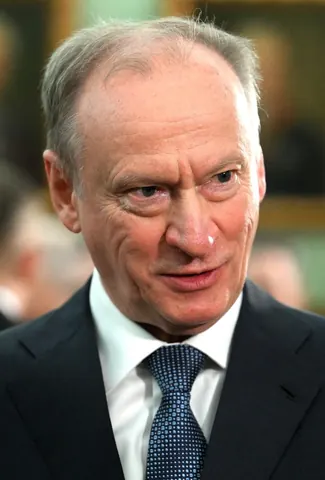
On November 1, 2006, Alexander Litvinenko, a former lieutenant colonel of the Russian FSB who had defected to the UK and become a vocal Kremlin critic, met two former Russian intelligence contacts—Andrei Lugovoi and Dmitri Kovtun—at the Millennium Hotel in London. Within hours he fell violently ill; three weeks later he died of acute radiation syndrome caused by ingestion of polonium-210, a rare radioactive isotope. The UK's 2016 Owen Inquiry, led by High Court judge Sir Robert Owen, concluded that Litvinenko was "probably" murdered on the personal orders of President Vladimir Putin and FSB director Nikolai Patrushev, with Lugovoi and Kovtun identified as the perpetrators. The inquiry cited Litvinenko's public accusations against Putin, his investigative work on Russian organized crime and Chechen links, and his collaboration with Spanish prosecutors probing Russian mafia activities as likely motives. Russia has consistently denied state involvement, refused to extradite the suspects, and characterized the inquiry as politically motivated.
Under-Reported Dimensions
The polonium trail left by the assassins was extraordinarily detailed: traces were found in multiple London locations, aircraft seats on routes between Moscow and London, and hotel rooms, suggesting operational recklessness or confidence in impunity. Litvinenko's final statement, dictated before his death and widely publicized, accused Putin directly and framed his death as a warning to Kremlin critics worldwide—a narrative that shaped immediate media coverage but whose evidentiary basis rests partly on deathbed testimony. The inquiry also revealed that British intelligence had assessed Litvinenko's killing as state-sponsored within weeks, yet the full public inquiry was delayed until 2014 due to government concerns over diplomatic and intelligence repercussions. Documents show that the UK Home Office initially resisted a public inquiry, preferring a closed inquest, until pressure from Litvinenko's widow and legal intervention forced transparency. The operational tradecraft—use of a radiological poison detectable only by specialized equipment and transported across borders—pointed to state-level resources, yet questions remain about whether all surveillance footage and intelligence intercepts have been disclosed.
Credible Dissenting Voices
While the Owen Inquiry's findings are widely accepted in Western legal and intelligence circles, some analysts have raised procedural concerns. Professor Paul Roderick Gregory, a Hoover Institution scholar, has noted that the inquiry relied heavily on circumstantial evidence and intelligence assessments presented in closed session, limiting independent verification. Russian officials, including Foreign Ministry spokespersons, have characterized the findings as predetermined and lacking transparent evidentiary standards, though these objections are generally viewed as deflection by Western observers. Academic specialists such as Dr. Mark Galeotti, an expert on Russian security services, have argued that while state involvement is highly probable, the precise decision-making chain and whether the operation had formal Kremlin authorization or represented rogue action within security services remains contested. Investigative journalist Luke Harding, who covered the case extensively, has documented harassment of witnesses and obstacles to evidence-gathering that complicate full accountability, though he supports the core conclusion of state responsibility.
Follow the Money
Litvinenko's assassination served multiple strategic purposes beyond silencing a single dissident. His investigative work threatened to expose Russian organized crime networks in Europe, particularly Spanish-Russian mafia links that implicated figures close to the Kremlin, potentially disrupting lucrative financial channels. The killing also sent a clear deterrent signal to other FSB defectors and critics abroad, reinforcing a climate of fear that discouraged whistleblowing and defection. Politically, the case strained UK-Russia relations for over a decade, leading to mutual diplomatic expulsions and contributing to broader Western sanctions frameworks post-2014. For the individuals accused—Lugovoi was later elected to the Russian Duma, gaining immunity from prosecution, while Kovtun has remained in Russia—the operation, if state-sanctioned, offered career protection and political elevation rather than criminal liability. The UK government's eventual decision to proceed with a public inquiry also reflected domestic political calculations: pressure from human rights advocates, legal precedent concerns, and the need to demonstrate rule of law in high-profile assassination cases on British soil.
Open Questions
Was the polonium-210 sourced from a Russian nuclear facility, and if so, which one, and what authorization protocols were bypassed or followed? Did British intelligence possess real-time surveillance or intercept evidence during the November 1 meeting that was withheld from public testimony due to source-protection concerns? What role, if any, did intermediaries or organized crime figures play in facilitating logistics, and have all individuals involved been identified? Why was Litvinenko, among numerous Kremlin critics abroad, selected for such a high-risk, high-visibility assassination method rather than less traceable means? Were other targets considered or surveilled during the same operational window, and does the UK possess intelligence on parallel operations that remain classified? Finally, what internal debates within Russian security services, if any, occurred regarding the operation's risks and benefits, and do defector accounts or intercepted communications exist that clarify command responsibility beyond the probabilities asserted by the Owen Inquiry?
Case Timeline
- 2000CORROBORATEDLitvinenko defects to UK, granted asylum; begins work with MI6 and Spanish prosecutorsLitvinenko collaborated with MI6 on Russian organized crime investigations and provided intelligence to Spanish authorities investigating alleged links between the Kremlin and criminal networks.
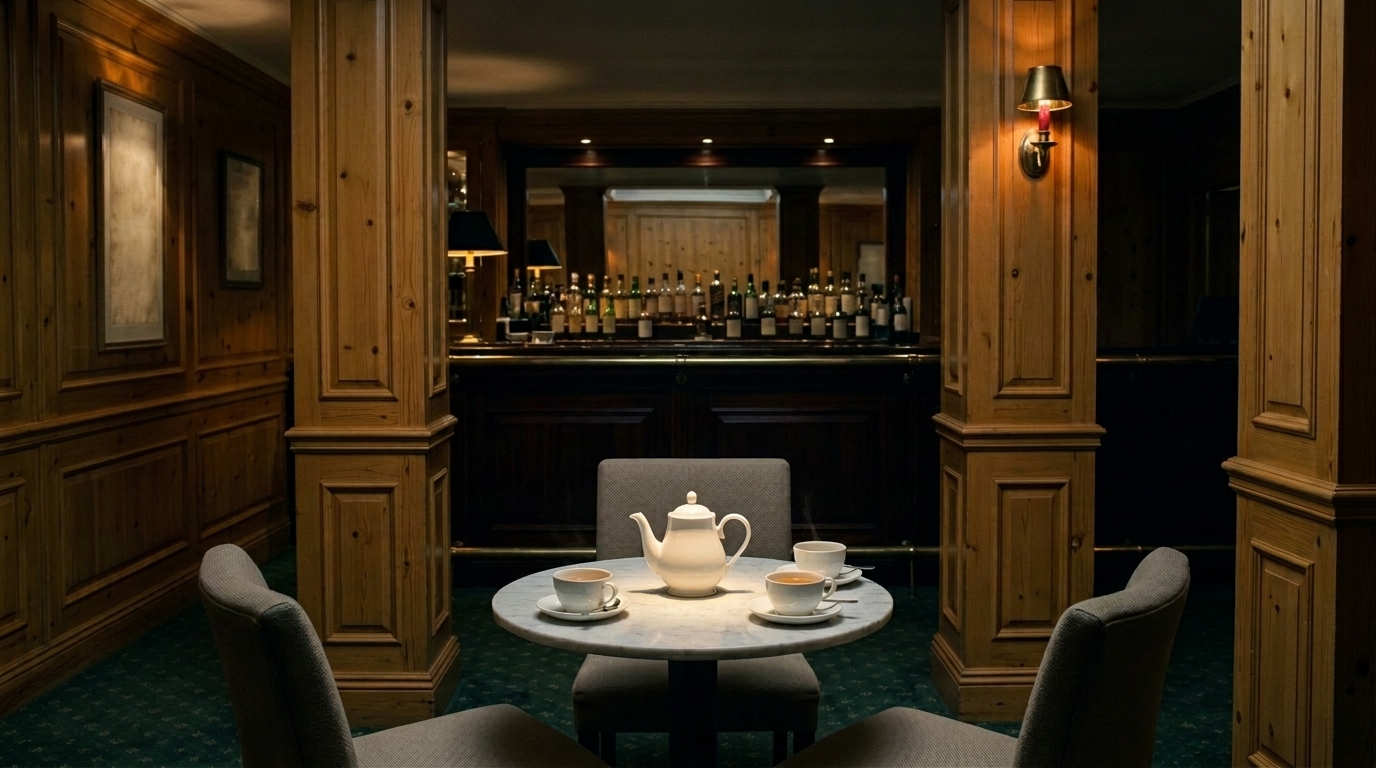
- 2006COURT RECORDNovember 1: Litvinenko meets Lugovoi and Kovtun at Millennium Hotel, LondonPolonium-210 traces were later discovered in the hotel's Pine Bar teapot, with contamination levels indicating the isotope was likely administered during this meeting.
- 2006PRIMARY SOURCENovember 23: Litvinenko dies at University College Hospital from polonium-210 poisoningMedical staff initially suspected thallium poisoning; the correct diagnosis of polonium-210 exposure came only days before death after specialized radiological testing.
- 2007GOVERNMENT RECORDUK Crown Prosecution Service charges Lugovoi with murder; Russia refuses extraditionThe Russian constitution prohibits extradition of its citizens; Lugovoi was subsequently elected to the State Duma, granting him parliamentary immunity.
- 2007CREDIBLE REPORTINGDiplomatic expulsions: UK and Russia each expel four diplomatsThe expulsions marked the worst breakdown in UK-Russia relations since the Cold War, with cooperation on intelligence and security matters effectively suspended.
- 2014COURT RECORDUK government authorizes public inquiry after legal challenge by Litvinenko's widowThe inquiry was initially blocked by the UK government citing national security concerns over disclosure of intelligence material; Marina Litvinenko's judicial review forced authorization.
- 2016GOVERNMENT RECORDOwen Inquiry concludes Putin and Patrushev 'probably' approved assassinationThe inquiry relied on closed sessions with classified intelligence evidence that was not made public, with the 'probably' language reflecting the civil standard of proof (balance of probabilities).
- 2016GOVERNMENT RECORDUK imposes asset freezes on Lugovoi and KovtunThe asset freezes applied to UK-held property and financial interests, though neither individual was known to maintain significant disclosed assets in British jurisdiction.
Key People
Evidence Library
- documentpartial redactionDOC-L1The Litvinenko Inquiry Report (Owen Report, 2016)
328-page public inquiry report concluding that FSB operatives Lugovoi and Kovtun poisoned Litvinenko with polonium-210, and that the operation was 'probably approved' by Putin and Patrushev. Based on witness testimony, forensic evidence, and closed intelligence hearings, this is the definitive government finding on state responsibility.
- testimonyDOC-L2Litvinenko's Deathbed Statement (November 2006)
Dictated statement accusing Putin directly of ordering his murder, released publicly after his death. While emotionally powerful and widely cited, its evidentiary weight is contested as it was not cross-examined and reflects the victim's belief rather than documented proof of command chain.
- dataDOC-L3Polonium-210 Contamination Trail Analysis
Forensic mapping by UK authorities documented polonium traces across 40+ locations including aircraft seats (Transaero flights), hotel rooms, restaurants, and offices used by Lugovoi and Kovtun. The extensive trail provided unprecedented physical evidence of the suspects' movements and operational tradecraft.
- documentDOC-L4UK Crown Prosecution Service Extradition Request (May 2007)
Formal charging document and extradition request for Andrei Lugovoi on murder charges, citing forensic evidence of polonium contamination and witness testimony. Russia's refusal, citing constitutional prohibition on extradition, effectively ended prospects for criminal prosecution.
- testimonyDOC-L5Medical Case Report in The Lancet (2008)
First-hand clinical account by treating physicians documenting the acute radiation syndrome presentation, diagnostic challenges, and fatal progression. Provides authoritative medical evidence of polonium-210 as cause of death and the unprecedented nature of the poisoning method.
- court filingDOC-L6Marina Litvinenko Judicial Review Application (2013-2014)
Legal challenge by Litvinenko's widow compelling the UK government to convert the inquest into a public inquiry with power to examine classified intelligence. The successful application overcame Home Office resistance and enabled the Owen Inquiry's broader investigative scope.
Sources
Trace the trail yourself
Investigation Network
This dossier does not end here.
- The Wagner Group and Prigozhin's DeathRussian mercenary chief died in plane crash weeks after armed mutiny against Kremlin leadership.Shared person: Vladimir PutinShared subject: Fsb, Russia
- Panama PapersMassive 2016 leak exposed offshore finance networks used by world leaders, oligarchs, and elites globally.Shared person: Vladimir Putin
- The Jamal Khashoggi AssassinationWashington Post columnist murdered in Saudi consulate; intelligence linked Crown Prince to killing.Shared subject: Assassination, Diplomatic Crisis
- 2014Wagner Group emerges during Ukraine conflict, linked to Prigozhin fundingThe Wagner Group and Prigozhin's Death
- 2015Anonymous source 'John Doe' contacts Süddeutsche Zeitung with 2.6TB leak offer.Panama Papers
- 2016ICIJ publishes Panama Papers exposing 214,488 offshore entities; Iceland PM resigns within days.Panama Papers
- 2017Maltese journalist Daphne Caruana Galizia assassinated after investigating Panama Papers links to Malta government.Panama Papers
- 2017Wagner expands operations to Syria, Central African Republic, and across AfricaThe Wagner Group and Prigozhin's Death
- 2017Khashoggi goes into self-imposed exile in U.S. after falling out with MBS regimeThe Jamal Khashoggi Assassination
Live Discussion
0 Perspectives
Add to the record. Be specific. Cite where you can.
If you're learning about this topic for the first time, these are the best places to continue — documented evidence and historical relationships are the guide.
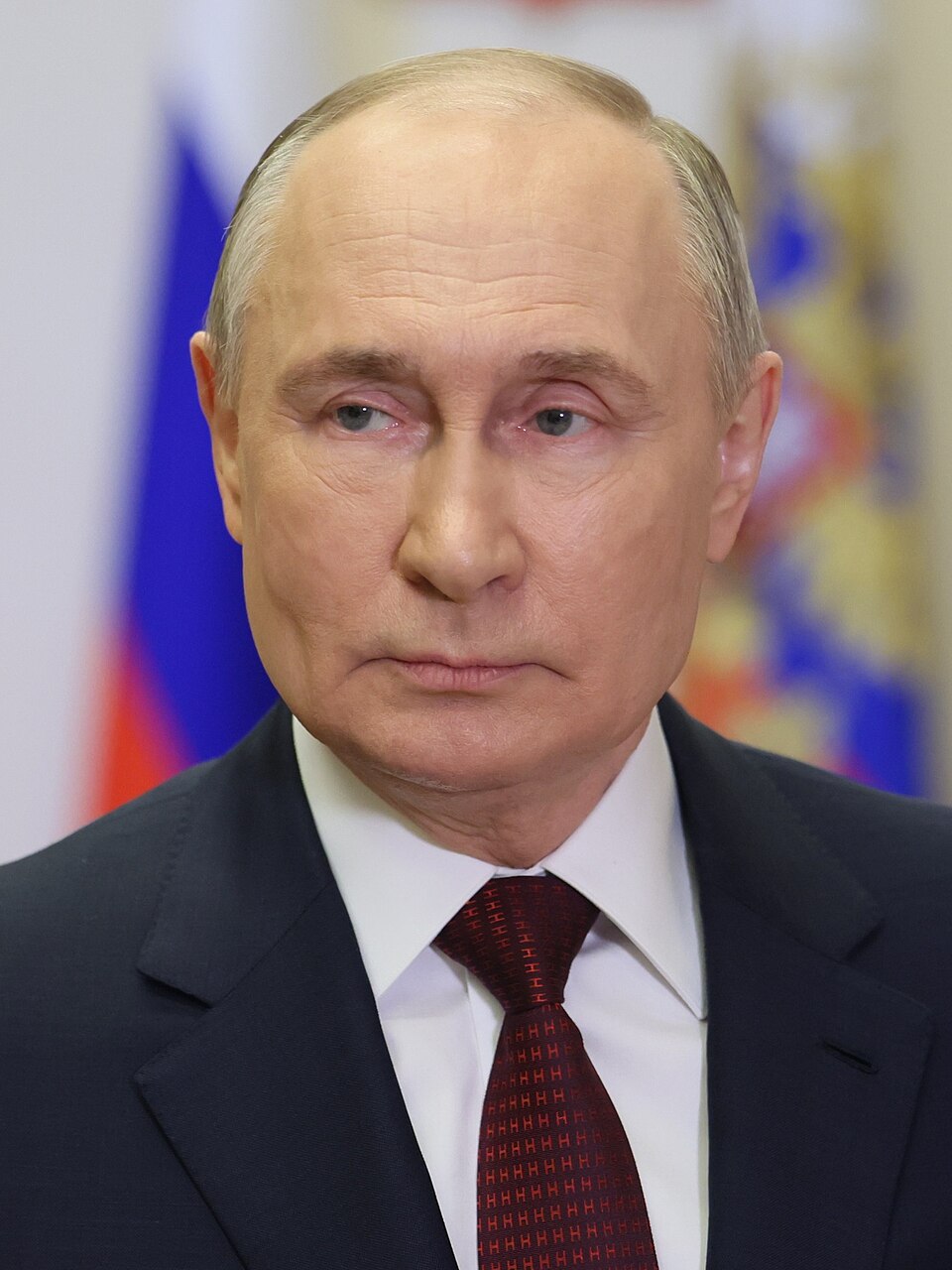
Named in “The Litvinenko Poisoning” and 2 other published dossiers.
Shares 1 documented key player with “The Litvinenko Poisoning”, including Vladimir Putin.
Read more dossiers like this
Get a quiet one-line bulletin when new investigative files are published. Bound to this dossier — useful for tracking follow-ups.