Operation Gladio
Cold War NATO network exposed: secret stay-behind armies prepared for Soviet invasion, linked to terrorism scandals.
Sign in to bookmark, follow, and message the contributor.
Executive Summary
Operation Gladio was a clandestine NATO network of stay-behind paramilitary units established across Western Europe during the Cold War, officially to resist potential Soviet occupation. The controversy erupted in 1990 when Italian Prime Minister Giulio Andreotti confirmed its existence, revealing networks that allegedly became entangled with far-right terrorists, false-flag operations, and political manipulation. Declassified documents verify the programs existed; disputes center on whether elements engaged in domestic terrorism to discredit leftist movements during the 'Years of Lead.'
- 01.NATO coordinated stay-behind cells across 14+ countries; some networks co-opted by domestic intelligence for political operations beyond Soviet contingency.
- 02.Judicial findings link Gladio-affiliated personnel to neo-fascist terror groups during Italy's Years of Lead; direct command chain responsibility remains classified.
- 03.CIA funding for anti-communist operations in Europe exceeded defensive mandates; financial flows to extremist proxies documented in Italian parliamentary inquiry.
The Hidden Truth
What the headlines won't tell you
The Mainstream Narrative
Operation Gladio was a covert NATO initiative established after World War II to create stay-behind networks across Western Europe—trained paramilitary units, weapons caches, and intelligence assets designed to conduct sabotage and resistance in the event of Soviet invasion. The program was coordinated by NATO's Clandestine Planning Committee and involved collaboration between the CIA, MI6, and European intelligence services. Official acknowledgment came in 1990 when Italian Prime Minister Giulio Andreotti publicly confirmed Gladio's existence to the Italian Parliament, describing it as a defensive Cold War contingency. Declassified U.S. documents from the National Security Archive and Senate inquiries verify that such networks operated in Italy, Belgium, France, Germany, and other NATO countries, with arms depots and trained operatives maintained in secrecy for decades.
Under-Reported Dimensions
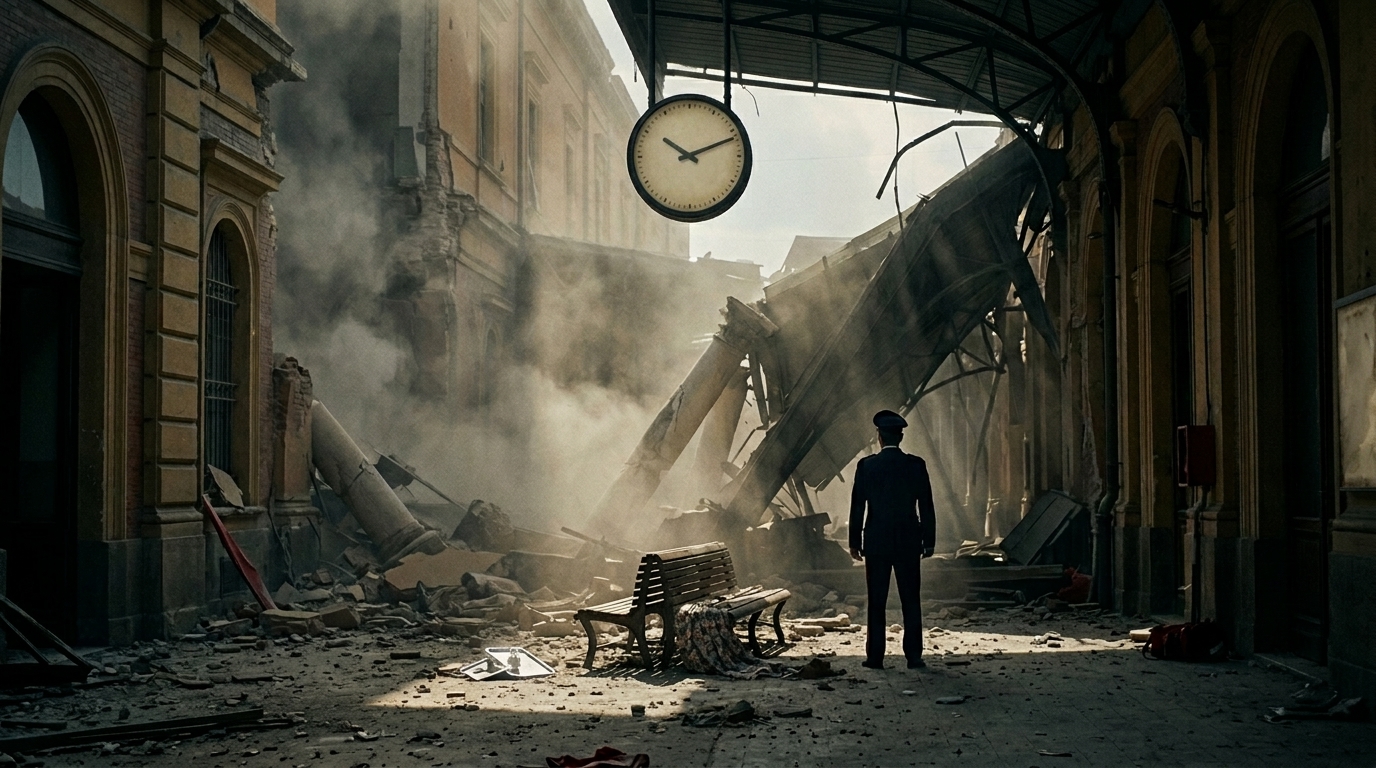
While mainstream coverage focused on Gladio as a defensive Cold War relic, extensive investigative work has documented disturbing operational overlaps with far-right extremist groups and alleged false-flag terrorism. Italian parliamentary inquiries and Swiss investigations found that Gladio-linked personnel and networks had connections to neo-fascist groups implicated in bombings during Italy's "Years of Lead," including the 1980 Bologna train station massacre (85 dead) and the 1969 Piazza Fontana bombing (17 dead). Belgian parliamentary records show similar stay-behind structures were tied to the Brabant massacres of the 1980s. Declassified CIA documents reveal that some Gladio operatives received training at Fort Bragg and that coordination extended beyond pure resistance planning to include political intelligence gathering on domestic leftist movements. The "strategy of tension"—orchestrating violence to be blamed on leftists to justify authoritarian measures—remains documented in Italian judicial findings, though direct NATO command responsibility remains disputed.
Credible Dissenting Voices
Swiss historian Daniele Ganser, whose doctoral dissertation at the University of Zurich became the standard academic work on Gladio, argues that the networks evolved from defensive Cold War assets into instruments of domestic political manipulation. Italian magistrates Felice Casson and Guido Salvini, who led investigations into Cold War-era bombings, uncovered documents linking Gladio personnel to right-wing terror networks and established judicial findings implicating elements of Italian military intelligence (SISMI) in coordinating with extremists. Journalist Philip Willan, who covered Italian terrorism for decades, documented how Gladio became entangled with the P2 Masonic lodge scandal and CIA interference in Italian elections. Former CIA officer Thomas Polgar testified to Congress about covert political operations in Italy that exceeded defensive mandates. NATO and U.S. officials countered that isolated rogue elements do not implicate the larger defensive mission, and that post-war security required aggressive counter-communist measures.
Follow the Money
The CIA funneled millions through covert funding mechanisms including the Marshall Plan's Economic Cooperation Administration and front organizations to finance stay-behind networks and anti-communist political operations across Europe. Italian investigations revealed financial flows from CIA accounts to far-right groups through intermediaries including Licio Gelli's P2 lodge, which had penetrated Italian intelligence, military, and banking sectors. Arms manufacturers benefited from decades of covert procurement for Gladio caches, often routed through classified NATO budgets immune to parliamentary oversight. Intelligence agencies expanded mandates and budgets by framing domestic leftist movements as existential threats requiring extralegal countermeasures. Defense contractors supplying specialized sabotage equipment, encrypted communications, and training facilities gained stable revenue streams from classified NATO appropriations. Career trajectories of European intelligence officers depended on maintaining Cold War threat perceptions; exposing Gladio risked delegitimizing entire security establishments.
Open Questions
What was the full extent of NATO's knowledge and authorization of Gladio networks engaging in domestic political operations beyond their stated defensive mandate? Did elements within CIA or European intelligence deliberately facilitate or orchestrate false-flag attacks to discredit leftist parties, or were connections to right-wing terrorism the result of rogue operatives acting independently? How many other NATO countries maintained similar stay-behind programs that remain unacknowledged, and do any networks or assets persist in altered form? What role did Operation Gladio play in the broader CIA covert operations documented in Church Committee findings, and were similar structures replicated in non-NATO countries? Why have comprehensive declassification and international parliamentary inquiries never been conducted despite calls from European Parliament resolutions in 1990? What accountability mechanisms, if any, exist for Cold War programs that may have violated democratic norms and human rights in allied nations?
Case Timeline
- 1947GOVERNMENT RECORDCIA and European intelligence agencies begin establishing stay-behind networks in Western Europe.These networks, coordinated with MI6 and local intelligence services, pre-dated formal NATO structures and originated from OSS-SOE wartime resistance models repurposed for potential Soviet occupation scenarios.
- 1951GOVERNMENT RECORDNATO formalizes Clandestine Planning Committee to coordinate stay-behind operations across member states.The CPC operated under NATO's Supreme Headquarters Allied Powers Europe (SHAPE), creating standardized protocols for weapons caches, communication systems, and activation procedures across member nations.
- 1969DISPUTEDPiazza Fontana bombing in Milan kills 17; later investigations link neo-fascist perpetrators to Gladio networks.Parliamentary inquiries decades later identified explosives from Gladio caches and documented contacts between accused bombers and Italian military intelligence officers overseeing stay-behind operations.
- 1972COURT RECORDItalian General Giovanni De Lorenzo testifies about covert army structures; revelations quickly suppressed.De Lorenzo's testimony described an organization called 'Super SID' coordinating parallel intelligence structures; his statements were buried amid political scandal surrounding his alleged 1964 coup planning.
- 1980DISPUTEDBologna train station bombing kills 85; judicial inquiries later find SISMI links to right-wing terrorists.Judicial records show SISMI officials provided logistical support and safe houses to Nuclei Armati Rivoluzionari members; courts debated whether this represented rogue elements or institutional policy.
- 1984PRIMARY SOURCEItalian magistrate Felice Casson discovers documents in SID archives revealing Gladio's existence during bombing investigations.Casson's discovery in Udine archives included recruitment lists, training records, and operational protocols explicitly linking stay-behind structures to post-war paramilitary networks dating to 1952.
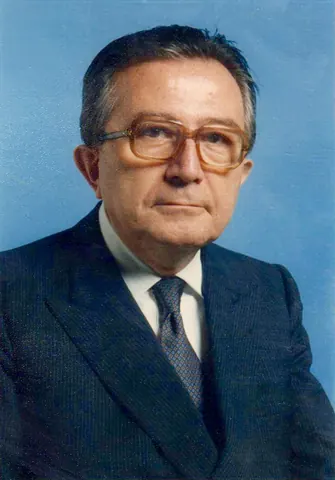
- 1990GOVERNMENT RECORDPrime Minister Giulio Andreotti confirms Operation Gladio to Italian Parliament; revelations trigger investigations across Europe.Andreotti's testimony provided organizational charts showing Gladio operated under military intelligence (SISMI) with approximately 622 operatives and 139 weapons caches distributed across 15 Italian regions.
- 1990GOVERNMENT RECORDEuropean Parliament passes resolution condemning clandestine NATO networks and calling for full investigations.The resolution specifically condemned activities incompatible with democratic principles and demanded member states investigate whether stay-behind networks engaged in political manipulation or terrorism.
- 1991GOVERNMENT RECORDBelgian Parliament releases report confirming stay-behind networks operated in Belgium with CIA coordination.Belgian investigators documented stay-behind network SDRA8 maintained since 1951, with weapons caches discovered in forests and coordination protocols mirroring Italian Gladio structures almost exactly.
- 2005ACADEMICDaniele Ganser publishes 'NATO's Secret Armies,' first comprehensive academic study of Gladio across Europe.Ganser's peer-reviewed work synthesized declassified documents, parliamentary reports, and court records from 14 NATO countries, establishing comparative framework for analyzing stay-behind operations systematically.
Key People
Organizations
Evidence Library
- testimonypartial redactionGOV-IT-01Andreotti's 1990 Parliamentary Testimony on Gladio
Italian Prime Minister Giulio Andreotti provided detailed testimony to Parliament confirming Operation Gladio's structure, operational command under SISMI, personnel numbers (622 operatives), and distribution of 139 weapons caches. This constituted the first official government acknowledgment of NATO stay-behind networks and triggered investigations across Europe.
- documentEUR-PAR-01European Parliament Resolution A3-0035/90 on Gladio
November 1990 resolution formally condemning clandestine NATO networks and calling for full investigations into whether stay-behind operations violated democratic principles or engaged in political manipulation. Passed with broad support, it represents the only multinational governmental body to officially scrutinize these programs.
- documentpartial redactionGOV-BE-01Belgian Parliamentary Inquiry Report (1991)
Official investigation confirming Belgium's stay-behind network SDRA8 operated from 1951 with CIA coordination, maintained weapons caches, and followed protocols similar to Italian Gladio. The report documented organizational structures but left questions about domestic political surveillance unresolved.
- documentpartial redactionCOURT-IT-01Casson's Udine Archive Discovery (1984)
Magistrate Felice Casson uncovered classified documents in Italian military intelligence archives during terrorism investigations, including Gladio recruitment lists, training protocols, and operational orders dating to 1952. These documents provided the evidentiary foundation for later official acknowledgments.
- court filingpartial redactionCOURT-IT-02Bologna Massacre Judicial Records (SISMI-NAR Links)
Italian court investigations into the 1980 Bologna bombing documented contacts between SISMI officers and Nuclei Armati Rivoluzionari terrorists, including provision of safe houses and logistical support. Courts convicted neo-fascists but debated whether intelligence service involvement represented institutional policy or rogue operatives.
- documentheavy redactionNSA-US-01National Security Archive: Italy's Secret Armies
Declassified U.S. documents confirming CIA coordination with Italian military intelligence on stay-behind networks, including training at Fort Bragg and weapons cache maintenance protocols. Materials verify institutional framework but provide limited detail on specific operations or personnel connections to terrorism.
Evidence Gallery


Sources
Trace the trail yourself
Investigation Network

This dossier does not end here.
- God's BankerVatican banker Roberto Calvi found hanged under London bridge amid billion-dollar scandal and mafia ties.Shared person: Licio Gelli
- Chemtrails Conspiracy TheoryPersistent vapor trails spark decades of debate over secret atmospheric spraying programs and scientific explanations.Shared organization: Central Intelligence Agency
- Havana SyndromeMysterious neurological incidents afflicting U.S. diplomats spark debate over foreign attack versus mass psychogenic illness.Shared organization: Central Intelligence Agency
- The Death of Gary Webb and Dark AllianceInvestigative reporter Gary Webb's CIA-crack cocaine exposé, professional destruction, and 2004 death by two gunshot wounds.Shared organization: Central Intelligence Agency
- 1977Senate hearings expose secret Cold War biological and chemical testing on unwitting populationsChemtrails Conspiracy Theory
- 1978Pope John Paul I dies after 33 days; John Paul II electedGod's Banker
- 1978Calvi strengthens ties with Archbishop Marcinkus and Vatican BankGod's Banker
- 1975-11-11Whitlam government dismissedPine Gap
- 1981Reagan administration begins covert support for Nicaraguan Contras; CIA involvement expands.The Death of Gary Webb and Dark Alliance
- 1981Calvi convicted of illegal currency export in Italy; receives suspended sentenceGod's Banker
Live Discussion
0 Perspectives
Add to the record. Be specific. Cite where you can.
This is an advanced investigation. Recommended starting points:
If you're learning about this topic for the first time, these are the best places to continue — documented evidence and historical relationships are the guide.
Named in “Operation Gladio” and 4 other published dossiers.
Named in “Operation Gladio” and 1 other published dossier.
Shares 1 documented key player with “Operation Gladio”, including Central Intelligence Agency.
Read more dossiers like this
Get a quiet one-line bulletin when new investigative files are published. Bound to this dossier — useful for tracking follow-ups.