Anglo-Iranian Oil Company
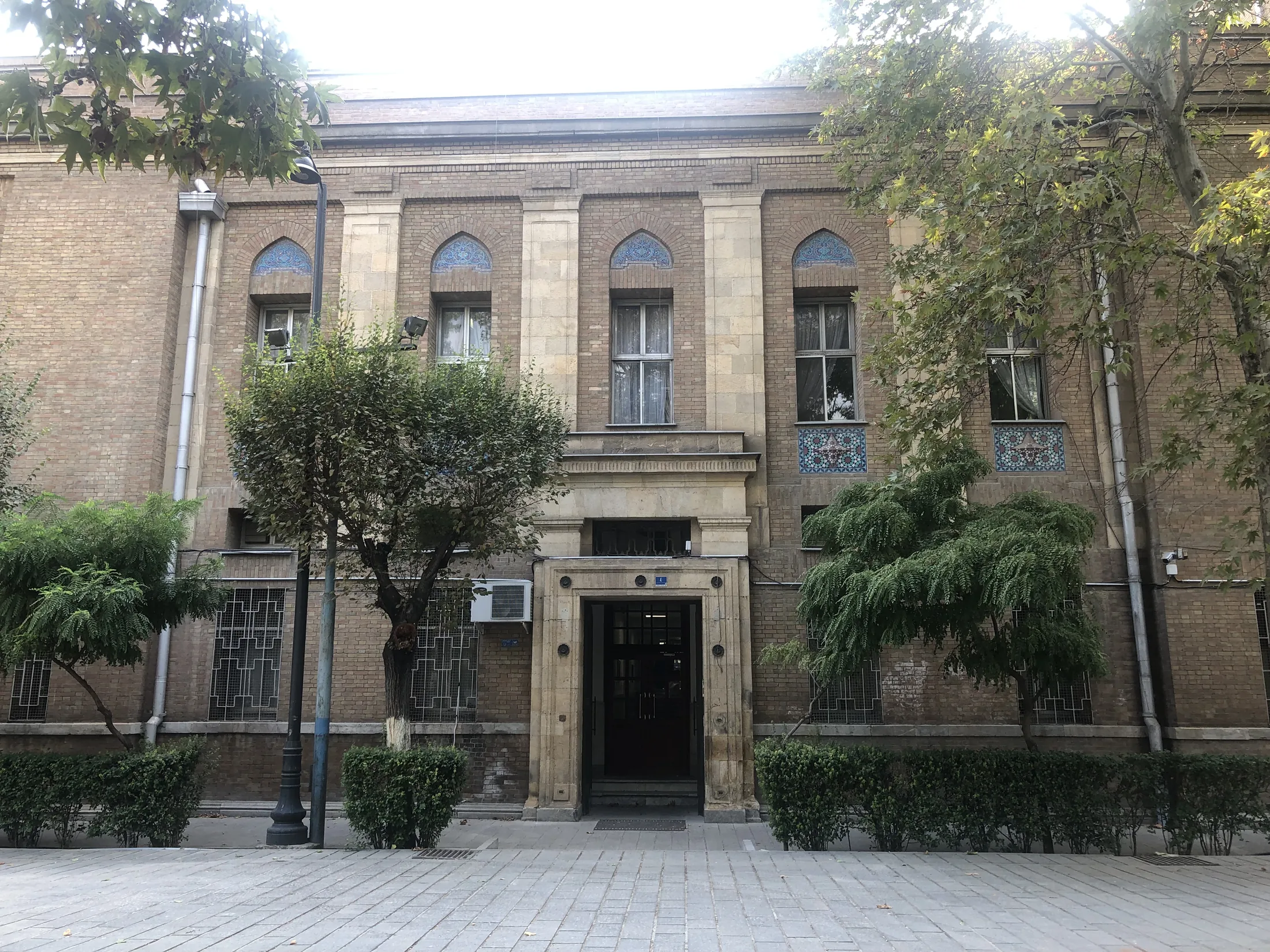
The Anglo-Iranian Oil Company (AIOC) was a British petroleum corporation that operated the world's largest oil refinery at Abadan, Iran, and controlled the extraction and sale of Iranian oil under concession from 1909 to 1951. Its nationalization by Iranian Prime Minister Mohammad Mossadegh in 1951 triggered an international crisis that culminated in the 1953 CIA-MI6 coup (Operation Ajax) restoring the Shah to power. The Anglo-Iranian Oil Company is central to understanding Operation Ajax, one of the most consequential covert operations of the Cold War.
The Anglo-Iranian Oil Company (AIOC) was a British petroleum corporation that operated the world's largest oil refinery at Abadan, Iran, and controlled the extraction and sale of Iranian oil under concession from 1909 to 1951. Its nationalization by Iranian Prime Minister Mohammad Mossadegh in 1951 triggered an international crisis that culminated in the 1953 CIA-MI6 coup (Operation Ajax) restoring the Shah to power. The company was reconstituted as British Petroleum (BP) in 1954.
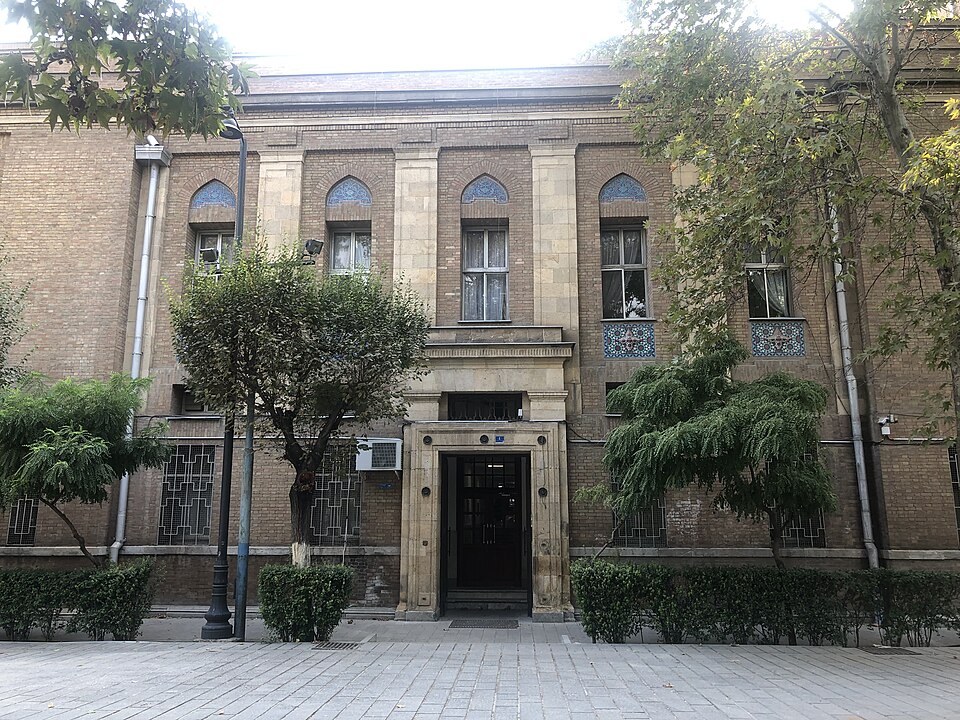
- Source
- Wikimedia Commons
- Type
- Photograph
- License
- CC BY-SA 4.0
- Photographer
- GTVM92
- Year
- 2019
Photo Information ▾
- Legal Name
- Anglo-Persian Oil Company (1909–1935); Anglo-Iranian Oil Company (1935–1954)
- Founded
- 1909
- Headquarters
- London, United Kingdom
- Major Asset
- Abadan Refinery, Iran (world's largest refinery by 1950)
- Concession Area
- ~500,000 square miles of southern Iran under D'Arcy Concession (1901–1951)
- Government Ownership
- British Government acquired 51% controlling stake in 1914
- Nationalized
- May 1, 1951, by Iranian Parliament under Prime Minister Mohammad Mossadegh
- Reconstituted As
- British Petroleum (BP) in 1954 following post-coup consortium agreement
- Peak Employment
- Approximately 70,000 workers at Abadan refinery in early 1950s
- Revenue Share to Iran
- Approximately 20% of profits prior to nationalization (disputed by Iranian government)
The Anglo-Iranian Oil Company is central to understanding Operation Ajax, one of the most consequential covert operations of the Cold War. The company's concession agreements extracted enormous wealth from Iran while paying minimal royalties, creating nationalist resentment that powered Mossadegh's rise. When Iran nationalized AIOC in 1951, the British government—whose Treasury held a controlling stake—orchestrated an international embargo and then collaborated with the CIA to overthrow Mossadegh's government. Declassified documents confirm that AIOC executives and British intelligence worked closely with American counterparts to plan and finance the coup. The operation's success restored AIOC's access to Iranian oil (albeit in a restructured consortium), established a template for corporate-backed regime change, and shaped Middle Eastern geopolitics for decades.
# Anglo-Iranian Oil Company
Identity
The Anglo-Iranian Oil Company (AIOC) was a British-owned petroleum corporation that controlled Iranian oil production and refining from 1909 to 1951. Originally chartered as the Anglo-Persian Oil Company in 1909 following William Knox D'Arcy's 1908 oil discovery at Masjed Soleiman, the company was renamed in 1935 to reflect the country's official name change from Persia to Iran. The British government acquired a 51% controlling interest in 1914, making AIOC effectively a state-owned enterprise whose profits flowed directly to the British Treasury.
By 1950, AIOC operated the world's largest oil refinery at Abadan on the Persian Gulf, employed tens of thousands of Iranian workers, and was Britain's single most valuable overseas asset. The company's concession covered approximately 500,000 square miles of southern Iran under terms established in the original 1901 D'Arcy Concession and subsequent modifications. Parliamentary records show that AIOC dividends constituted a significant portion of British government revenue during the interwar period and were considered vital to postwar economic recovery.
Origins & Charter
The company's origins trace to British entrepreneur William Knox D'Arcy, who in 1901 negotiated a 60-year concession from Mozaffar ad-Din Shah Qajar granting exclusive rights to explore, extract, and sell oil across most of Iran. After years of exploration and near-bankruptcy, D'Arcy's syndicate struck oil at Masjed Soleiman in May 1908—the first major oil discovery in the Middle East. The Anglo-Persian Oil Company was incorporated in London on April 14, 1909, to commercialize this discovery.
The British government's acquisition of majority ownership came in 1914, when First Lord of the Admiralty Winston Churchill persuaded Parliament to invest £2.2 million for a controlling stake. Churchill argued that the Royal Navy's conversion from coal to oil-fired ships required secure petroleum supplies independent of American or Dutch companies. The purchase gave the British government two directors on the AIOC board and effective veto power over major decisions, while day-to-day operations remained with company management.
The 1933 concession renegotiation extended AIOC's exclusive rights until 1993, reduced the concession area, and modified royalty payments, but Iranian officials later claimed these terms remained grossly unfavorable. The agreement guaranteed Iran four shillings per ton of oil sold plus 20% of dividends exceeding a specified threshold, but Iranian authorities had no access to AIOC's financial records to verify calculations.
Structure & Leadership
AIOC was governed by a London-based board of directors that included two British government appointees alongside commercial directors. The chairman from 1941 to 1951 was Sir William Fraser, a Scottish petroleum engineer who had joined Anglo-Persian in 1910 and risen through technical ranks. Fraser maintained close relationships with the Foreign Office and personally opposed any substantial revision of the Iranian concession terms.
Operations in Iran were managed through a subsidiary structure headquartered at the Abadan refinery complex. British expatriates occupied virtually all senior technical and managerial positions, while Iranian employees—numbering approximately 70,000 at peak—were relegated to manual labor and lower-tier clerical roles. Company housing, medical facilities, and recreational clubs were segregated, with Iranian workers living in significantly inferior conditions compared to British staff.
The refinery at Abadan, built beginning in 1912 and expanded continuously through the 1940s, became the world's largest oil refinery by capacity. By 1950 it could process over 500,000 barrels per day. AIOC also operated extensive pipeline networks, loading terminals, and exploration facilities across southwestern Iran. The company maintained its own security force and exercised de facto administrative authority over Abadan and surrounding areas.
Major Activities & Operations
AIOC's primary activity was the extraction, refining, and sale of Iranian crude oil. Production increased from approximately 5 million barrels in 1920 to over 240 million barrels in 1950, making Iran one of the world's largest oil producers. Refined products were shipped globally, with the Royal Navy and British industry receiving priority allocations.
During World War II, AIOC facilities provided critical fuel supplies for Allied operations in North Africa, the Mediterranean, and the Soviet Union under Lend-Lease. British and Soviet forces jointly occupied Iran in 1941 to secure oil infrastructure and supply routes. The refinery operated at maximum capacity throughout the war, and AIOC's strategic value to Britain increased further during this period.
Financially, AIOC was extraordinarily profitable. Company records show pre-tax profits exceeding £40 million in 1950 alone. The British government's dividend receipts from its majority shareholding provided substantial Treasury revenue. However, Iran's royalty payments under the concession formula amounted to approximately £16 million in 1950—less than Britain received in taxes from AIOC, and far below the revenues Saudi Arabia was receiving under new 50-50 profit-sharing arrangements with American oil companies.
This disparity fueled Iranian nationalist anger. AIOC's refusal to open its books to Iranian auditors, its segregated labor practices, and its resistance to profit-sharing comparable to American companies in Saudi Arabia became focal points for political opposition.
Historical Importance
The Anglo-Iranian Oil Company represents a paradigm case of early 20th-century resource colonialism and the geopolitical power of petroleum. AIOC's concession arrangements epitomized asymmetric economic relationships between European powers and Middle Eastern states during the decline of the Ottoman Empire and the rise of the oil economy. The company's operations generated enormous wealth for British shareholders and the British Treasury while providing Iran with royalties that Iranian leaders increasingly viewed as exploitative.
AIOC's nationalization in 1951 marked a watershed in postcolonial history. Mohammad Mossadegh's government argued that Iranian sovereignty required control over Iranian resources, and the nationalization enjoyed overwhelming popular support in Iran. The subsequent international crisis tested the limits of national sovereignty against established property rights and great power interests in the early Cold War.
The British and American response—an economic embargo followed by covert regime change—established precedents that shaped subsequent interventions. Declassified CIA and British intelligence documents confirm that fears of losing AIOC's assets and the potential precedent for other oil-producing nations drove the decision to overthrow Mossadegh. The operation's success emboldened both governments to employ similar tactics elsewhere.
Documented Controversies
Established Fact AIOC's concession terms provided Iran with a far smaller share of oil revenues than comparable agreements negotiated by American companies in Saudi Arabia and other Gulf states during the same period. Parliamentary records and company accounts show that in 1950, AIOC paid Iran approximately £16 million in royalties while earning over £40 million in pre-tax profit, and the British government collected more in taxes from AIOC than Iran received in royalties. Meanwhile, Aramco had agreed to 50-50 profit sharing with Saudi Arabia in December 1950.
Established Fact AIOC management refused Iranian government requests to audit company financial records, citing commercial confidentiality. This refusal prevented independent verification of whether royalty calculations under the concession formula were accurate and became a central grievance driving nationalization sentiment.
Official Record The company operated segregated facilities at Abadan and other sites, with British employees enjoying superior housing, healthcare, and recreational amenities while Iranian workers lived in overcrowded, unsanitary conditions. Contemporary observers and subsequent historical research document these disparities extensively.
Confirmed by Declassified Documents Following nationalization, AIOC executives collaborated directly with British intelligence services (MI6) and subsequently with the CIA in planning the operation to overthrow Mossadegh. Declassified CIA histories confirm that AIOC representatives met with intelligence officials, provided intelligence about conditions in Iran, and supported the covert operation financially and logistically.
Historical Consensus AIOC orchestrated an international embargo of Iranian oil after nationalization, pressuring tanker companies and refineries worldwide not to purchase or process Iranian crude. This embargo, combined with AIOC's control of specialized technical knowledge and spare parts, effectively shut down Iranian oil exports and crippled the Iranian economy by 1952-1953.
Government Finding British Cabinet papers declassified in the 1980s and 2000s reveal that the British government prioritized protecting AIOC's commercial interests and preventing nationalization from serving as a precedent that might encourage other oil-producing nations to seize foreign assets. Economic and strategic considerations, rather than purely anti-communist motives, drove British advocacy for regime change.
Credible Allegation Some historians argue that AIOC's intransigence in negotiations prior to nationalization was counterproductive and that more flexible profit-sharing arrangements might have forestalled nationalization entirely. Company chairman Sir William Fraser's documented resistance to substantive concessions, even as the political situation deteriorated in 1950-1951, has been criticized as short-sighted.
Investigations & Official Findings
The International Court of Justice heard British complaints about Iranian nationalization in 1951-1952. In July 1952, the ICJ ruled it lacked jurisdiction because the 1933 concession was a commercial contract between Iran and a private company, not a treaty between states, and Iran had not consented to ICJ jurisdiction over the dispute. This ruling left the legal controversy unresolved and the political crisis ongoing.
The United Nations Security Council considered the dispute in 1951 but took no binding action, effectively treating it as a bilateral matter. Mossadegh personally addressed the Security Council in October 1951, arguing Iran's sovereign right to control its natural resources.
Multiple rounds of negotiations between Iranian representatives and AIOC, mediated at various times by the United States and the World Bank, failed to produce agreement between 1951 and 1953. AIOC demanded compensation based on estimated future profits from the concession, while Iran offered compensation only for physical assets. Declassified records show AIOC rejected proposals that would have provided substantial compensation but acknowledged Iranian ownership of oil reserves.
Following the August 1953 coup that overthrew Mossadegh, a new consortium agreement was negotiated in 1954. Under this arrangement, Iranian oil was denationalized in practical terms: a consortium of international companies (40% AIOC, 40% American companies, 20% Royal Dutch Shell and French interests) gained operational control for 25 years, though Iran retained nominal ownership. AIOC received a substantial share despite losing its monopoly position and was renamed British Petroleum (BP) in December 1954.
Legacy & Historical Debate
The Anglo-Iranian Oil Company's nationalization and the subsequent coup fundamentally shaped modern Middle Eastern history and international relations. Scholars debate the relative weight of economic, strategic, and ideological factors in British and American decision-making, but declassified documents establish that AIOC's commercial interests were central to British calculations.
The operation demonstrated that resource nationalism could trigger great power intervention, a lesson not lost on subsequent leaders in oil-producing regions. It contributed to deep anti-Western sentiment in Iran that eventually fueled the 1979 Islamic Revolution. Historians note the bitter irony that the 1953 coup, partly intended to prevent communist influence, ultimately helped bring to power a far more anti-Western regime 26 years later.
For the oil industry, AIOC's experience marked the beginning of the end for the old concession system. The 1954 consortium agreement, while restoring operational control to foreign companies, acknowledged greater host-country participation than the pre-1951 concession had. Over subsequent decades, Middle Eastern states progressively gained greater control over their oil resources, culminating in the OPEC embargo of 1973-1974 and eventual full nationalization in most producing countries.
The company's transformation into British Petroleum represents continuity despite the 1951-1954 disruption. BP inherited AIOC's technical expertise, global distribution networks, and a 40% share of the Iranian consortium. BP remained one of the world's largest oil companies and a major British economic asset throughout the remainder of the 20th century, though the British government gradually sold its ownership stake beginning in the 1970s.
Historians continue to debate whether negotiated settlement was possible in 1951-1952. Some argue Fraser's inflexibility foreclosed potential compromise; others contend that Iranian nationalism had reached a point where no arrangement preserving significant foreign control could have survived politically.
Continue Investigating
The Anglo-Iranian Oil Company's nationalization sits at the center of Operation Ajax, the 1953 coup that removed Mohammad Mossadegh from power and restored Mohammad Reza Pahlavi. The operation involved direct collaboration between AIOC, British intelligence, and the CIA, with figures including Kermit Roosevelt Jr., the Dulles brothers, and British operative Christopher Montague Woodhouse playing key roles.
The company's history intersects with broader Archive investigations into corporate influence on foreign policy, resource colonialism, and the origins of modern Middle Eastern political dynamics. Understanding AIOC's concession arrangements, its relationship with the British government, and the international response to nationalization is essential for evaluating the legitimacy and consequences of the 1953 intervention.
- 1901William Knox D'Arcy negotiates 60-year concession from Qajar Dynasty granting oil exploration and extraction rights across most of Iran
- 1908D'Arcy's syndicate discovers oil at Masjed Soleiman, the first major Middle Eastern oil strike
- 1909Anglo-Persian Oil Company incorporated in London, April 14
- 1914British government acquires 51% controlling stake following Winston Churchill's advocacy for secure naval fuel supplies
- 1933Concession renegotiated and extended to 1993, with modified but still disputed royalty terms
- 1935Company renamed Anglo-Iranian Oil Company following Iran's official name change
- 1941-1945Abadan refinery operates at maximum capacity providing fuel for Allied forces during World War II
- 1950AIOC operates world's largest refinery; revenue disparity with Saudi-Aramco profit-sharing arrangement fuels Iranian nationalist anger
- 1951Iranian Parliament votes to nationalize AIOC, May 1; international embargo of Iranian oil begins
- 1951-1953Negotiations between Iran, AIOC, UK, and mediators fail to resolve dispute; Iranian economy deteriorates under embargo
- 1952International Court of Justice rules it lacks jurisdiction over the dispute, July 22
- 1953CIA-MI6 Operation Ajax overthrows Prime Minister Mossadegh in August; Shah returns to power
- 1954Consortium agreement gives international companies operational control; AIOC receives 40% share and is renamed British Petroleum (BP)
- 1979Iranian Revolution overthrows Shah; all foreign oil company interests fully nationalized by Islamic Republic
- S1Cabinet Papers: Anglo-Iranian Oil Company Dispute 1951-1954The National Archives (UK) · primary
- S2BP History: From Anglo-Persian to British PetroleumBritish Petroleum · mainstream
- S3Iran and the International Oil Industry: The Case of Anglo-Iranian Oil Company, 1933-51JSTOR / Iranian Studies · academic
- S4Oil, Power, and Principle: Iran's Oil Nationalization and Its AftermathJSTOR / Cornell University Press · academic
- S5The Prize: The Epic Quest for Oil, Money & PowerSimon & Schuster · book
- S6The 1953 Coup in IranThe Guardian · mainstream
- S7CIA Internal History: Overthrow of Premier Mossadeq of Iran (PDF)National Security Archive · primary
- S8British Cabinet Records: Iran Oil Crisis 1951-1953The National Archives (UK) · primary
- S9Countercoup: The Struggle for Control of IranPenguin Random House · book
- S10Anglo-Iranian Oil Co. Case (United Kingdom v. Iran), Judgment of July 22nd, 1952International Court of Justice · primary
- S11Britain and the Overthrow of the Mosaddeq GovernmentJSTOR / Iranian Studies · academic
- S12Mohammad Mosaddeq and the 1953 Coup in IranLibrary of Congress · primary
- S13
- S14Anglo-Iranian Oil CompanyWikipedia · reference
- S15The 1953 Iranian Coup and the Legacy of InterventionBBC News · mainstream
If you're learning about this topic for the first time, these are the best places to continue — documented evidence and historical relationships are the guide.
Anglo-Iranian Oil Company is documented in the evidence record of this published dossier.
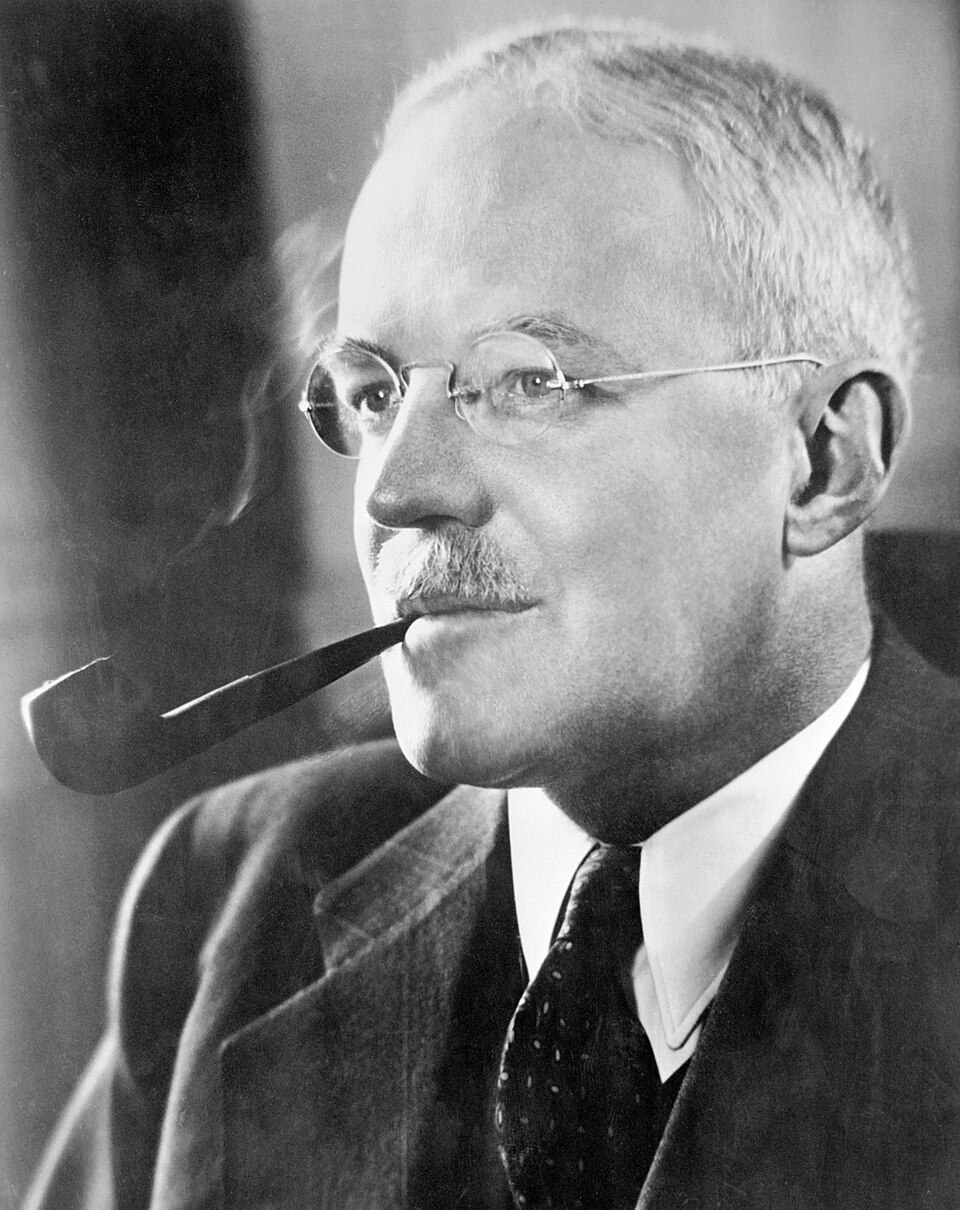
CIA Director who approved the operation against Mossadegh.
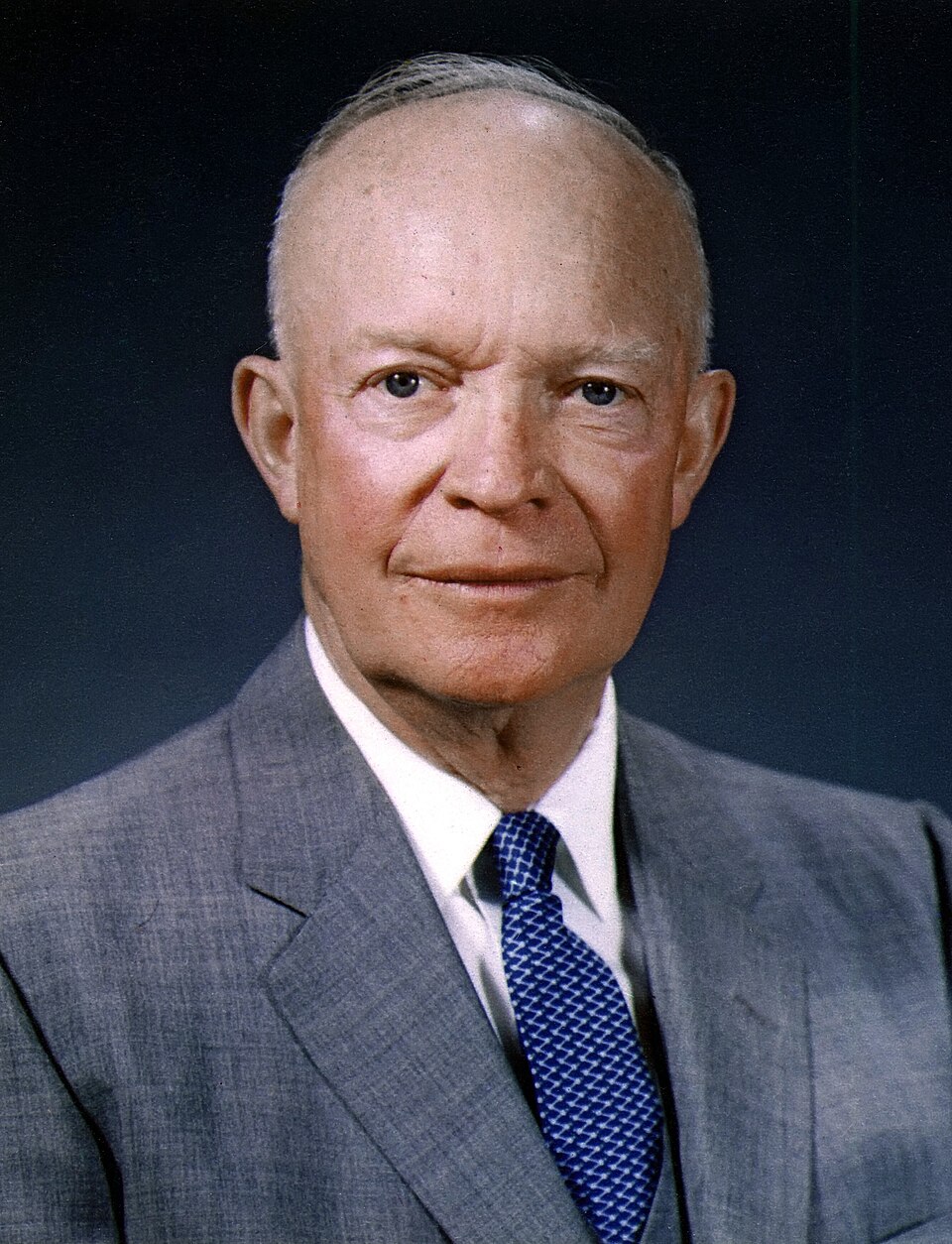
U.S. President who authorized CIA participation in Operation Ajax.