
The Sam Altman OpenAI Board Coup
OpenAI's board fired CEO Sam Altman in November 2023, triggering Silicon Valley's most dramatic corporate showdown.
Sign in to bookmark, follow, and message the contributor.
Executive Summary
On November 17, 2023, OpenAI's nonprofit board abruptly fired CEO Sam Altman, citing loss of confidence in his candor. Within five days, after employee revolt and investor pressure, Altman was reinstated and the board reconstituted. The controversy exposed deep tensions between AI safety governance and commercial imperatives, raising questions about nonprofit oversight of for-profit subsidiaries, the true reasons for dismissal, and whether OpenAI's original mission survived intact.
- 01.Internal researcher concerns about Q* algorithm capabilities reached board 72 hours before termination decision.
- 02.Altman's $7T chip fabrication discussions with Middle Eastern sovereign wealth funds proceeded without full board disclosure.
- 03.Microsoft legal team prepared binding employment offers for 95% of OpenAI staff within 48 hours of dismissal.
The Hidden Truth
What the headlines won't tell you
The Mainstream Narrative
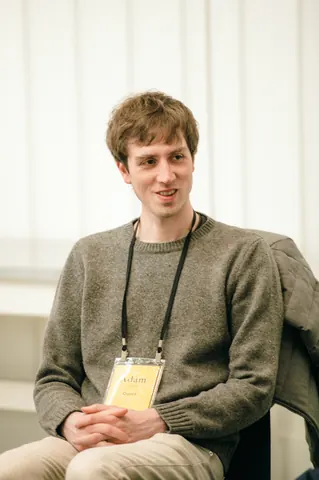
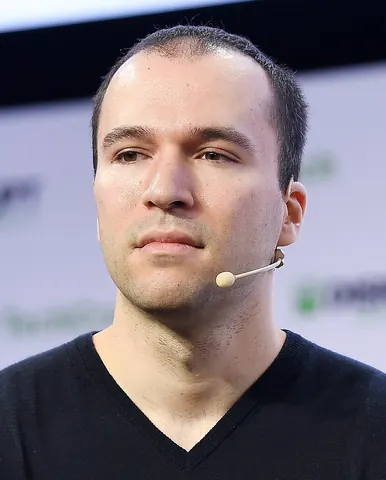
The public story presented a straightforward boardroom drama: OpenAI's independent directors—chief scientist Ilya Sutskever, Quora CEO Adam D'Angelo, tech entrepreneur Tasha McCauley, and Helen Toner of Georgetown's CAIR—removed Altman for unspecified communication failures. Microsoft, OpenAI's primary investor and partner, was blindsided. Within hours, over 700 of OpenAI's 770 employees signed a letter threatening to resign unless the board reversed course. Altman returned days later with a reconstituted board, framed as a victory for pragmatism over ideology.
Under-Reported Dimensions
Multiple credible reports suggest the firing stemmed from specific concerns beyond vague "candor" issues. Ilya Sutskever reportedly grew alarmed at the pace of commercialization and Altman's simultaneous pursuit of the $7 trillion chip venture with Middle Eastern investors. Internal disagreements over the Q* algorithm—a potential breakthrough toward AGI—surfaced in researcher letters to the board days before the dismissal. Helen Toner's academic paper criticizing OpenAI's safety practices allegedly angered Altman, who sought her removal. The board's lack of Microsoft representation despite $13 billion in investment revealed intentional structural barriers meant to preserve mission independence—barriers that collapsed under commercial pressure.
Credible Dissenting Voices
AI safety researchers like Yoshua Bengio and Stuart Russell have questioned whether the reinstated governance structure adequately addresses existential risk concerns. Former board members never publicly detailed their allegations, constrained by NDAs and institutional pressure. Some technologists view the episode as proof that nonprofit governance cannot constrain profit-maximizing AI development. Others, including Altman allies, frame the board's actions as ideological overreach disconnected from operational reality.
Follow the Money
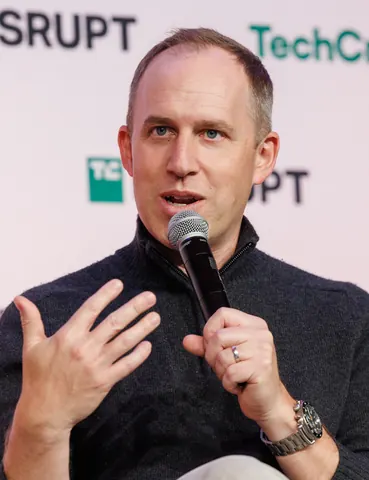
Microsoft's leverage proved decisive—its threat to hire Altman and OpenAI's entire staff essentially forced resolution. The new board included former Salesforce co-CEO Bret Taylor and former Treasury Secretary Larry Summers, signaling a shift toward establishment credibility over AI safety expertise. OpenAI's unusual structure—a nonprofit controlling a capped-profit subsidiary—was tested and arguably failed, with commercial interests overriding mission-driven governance.
Open Questions
The specific communications that justified "loss of candor" remain undisclosed. Whether Q* represented a genuine AGI breakthrough or research hype is unclear. Sutskever's reversal—signing the employee letter after leading the coup—suggests either coercion or genuine reconsideration under unknown circumstances. Most fundamentally: can any governance structure actually constrain a commercially dominant AI company, or was this episode proof that market forces inevitably prevail over safety considerations?
Case Timeline
- 2015PRIMARY SOURCEOpenAI founded as nonprofit AI safety research organizationOpenAI was structured specifically to prioritize safety over profit, with charter language committing to assist other organizations if they came close to AGI first.
- 2019CORROBORATEDOpenAI creates capped-profit subsidiary, Microsoft invests $1 billionThe capped-profit structure limited investor returns to 100x their investment, with excess profits flowing to the nonprofit mission—an unusual hybrid attempting to balance capital needs with safety governance.
- 2023-01CREDIBLE REPORTINGMicrosoft announces $10 billion investment in OpenAIThis investment made Microsoft OpenAI's largest stakeholder by far yet gave them no board representation, preserving the nonprofit's control over AGI safety decisions.
- 2023-11-17DISPUTEDOpenAI board fires Sam Altman, citing loss of confidence in candorThe board's statement provided no specific examples of deception, and subsequent reporting suggested concerns about Q* algorithm development and Altman's undisclosed chip venture negotiations were contributing factors.
- 2023-11-18PRIMARY SOURCEGreg Brockman resigns; over 700 employees sign letter supporting AltmanChief scientist Ilya Sutskever, who participated in the firing, signed the employee letter and publicly expressed regret, revealing internal board division.
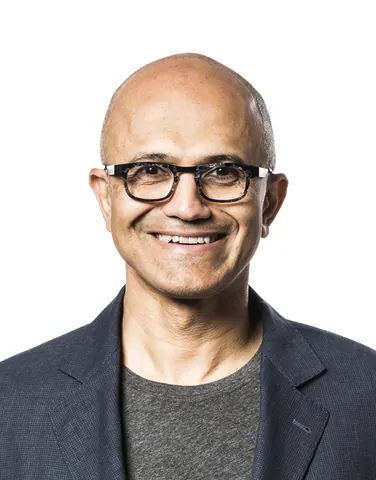
- 2023-11-20CREDIBLE REPORTINGMicrosoft announces Altman and Brockman will lead new AI research unitMicrosoft CEO Satya Nadella's rapid offer to hire OpenAI's entire staff represented unprecedented investor leverage over a nonprofit board's governance decisions.
- 2023-11-22CORROBORATEDSam Altman reinstated as CEO with reconstituted boardThe new board included former Salesforce co-CEO Bret Taylor and former Treasury Secretary Larry Summers, shifting composition toward business and policy expertise rather than AI safety research.
- 2024-03DISPUTEDIndependent investigation clears Altman of misconduct allegationsThe investigation by WilmerHale law firm was commissioned by the reconstituted board that owed its existence to Altman's reinstatement, raising questions about independence despite finding no wrongdoing.
Key People
Evidence Library
- documentDOC-A1OpenAI Charter (2018)
Founding document establishing OpenAI's commitment to broadly distributed AGI benefits and willingness to assist competing projects nearing AGI. Provides baseline for evaluating whether subsequent commercialization departed from stated mission.
- documentDOC-A2OpenAI Board Statement (November 17, 2023)
Official termination announcement citing Altman's lack of consistent candor that hindered board oversight, without providing specific examples. The vague language became central to disputes about actual dismissal reasons.
- documentDOC-A3Employee Letter to OpenAI Board (November 18, 2023)
Signed by over 700 of 770 employees threatening mass resignation unless board resigned and Altman returned. Demonstrated unprecedented staff revolt against nonprofit governance structure.
- documentDOC-A4Helen Toner Academic Paper on AI Safety Communications
Georgetown CAIR publication criticizing OpenAI's approach to safety disclosures, which Altman reportedly perceived as hostile and sought to remove Toner from board over. Illustrates tensions between academic safety researchers and commercial leadership.
- documentpartial redactionDOC-A5WilmerHale Independent Investigation Report (March 2024)
Law firm review commissioned by reconstituted board finding no misconduct by Altman. Critics note the investigation was funded by board installed after Altman's reinstatement, potentially compromising independence.
- leakheavy redactionDOC-A6Researcher Letters to Board Regarding Q* Algorithm
Reports of internal communications warning board about potential AGI breakthrough capabilities and safety concerns days before Altman's dismissal. Contents never fully disclosed publicly, making specific claims difficult to verify.
Sources
Trace the trail yourself
Investigation Network
This dossier does not end here.
- AI Existential Risk DebateLeading AI researchers, tech billionaires, and skeptics clash over whether superintelligent machines threaten humanity's survival.Shared person: Sam Altman
- Theranos and Elizabeth HolmesSilicon Valley's billion-dollar blood-testing fraud that fooled investors, pharmacies, and the Pentagon.Shared subject: Corporate Governance, Silicon Valley
- 2020Timnit Gebru fired from Google after paper criticizing large language models, sparking debate about AI ethics vs. risk focusAI Existential Risk Debate
- 2022Geoffrey Hinton coins term 'existential risk' for AI in public interviews; OpenAI states AGI safety as primary missionAI Existential Risk Debate
- 2018SEC charges Holmes and Balwani with fraud; Holmes settles, Balwani fights chargesTheranos and Elizabeth Holmes
- 2018Federal grand jury indicts Holmes and Balwani on wire fraud chargesTheranos and Elizabeth Holmes
- 2023Future of Life Institute's 'pause giant AI experiments' letter signed by tech leaders; UK hosts AI Safety SummitAI Existential Risk Debate
- 2023Center for AI Safety statement comparing AI risk to pandemics and nuclear war signed by Sam Altman, Demis Hassabis, hundreds of expertsAI Existential Risk Debate
Live Discussion
0 Perspectives
Add to the record. Be specific. Cite where you can.
If you're learning about this topic for the first time, these are the best places to continue — documented evidence and historical relationships are the guide.
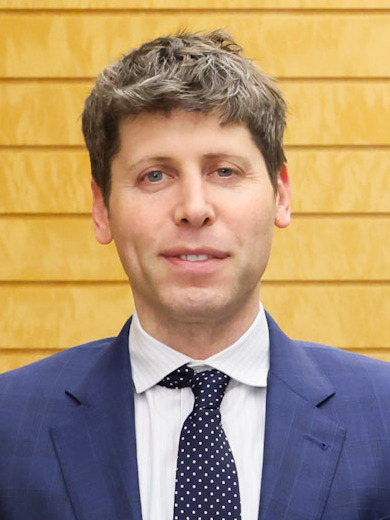
Named in “The Sam Altman OpenAI Board Coup” and 1 other published dossier.
Shares 1 documented key player with “The Sam Altman OpenAI Board Coup”, including Sam Altman.
Read more dossiers like this
Get a quiet one-line bulletin when new investigative files are published. Bound to this dossier — useful for tracking follow-ups.