Theranos and Elizabeth Holmes
Silicon Valley's billion-dollar blood-testing fraud that fooled investors, pharmacies, and the Pentagon.
Sign in to bookmark, follow, and message the contributor.
Executive Summary
Theranos, founded by Stanford dropout Elizabeth Holmes, claimed to revolutionize blood testing with technology requiring only finger-prick samples. The company reached a $9 billion valuation before investigative journalism exposed that its core technology never worked, leading to criminal fraud convictions. The scandal revealed systemic failures in venture capital due diligence, regulatory oversight, and board governance.
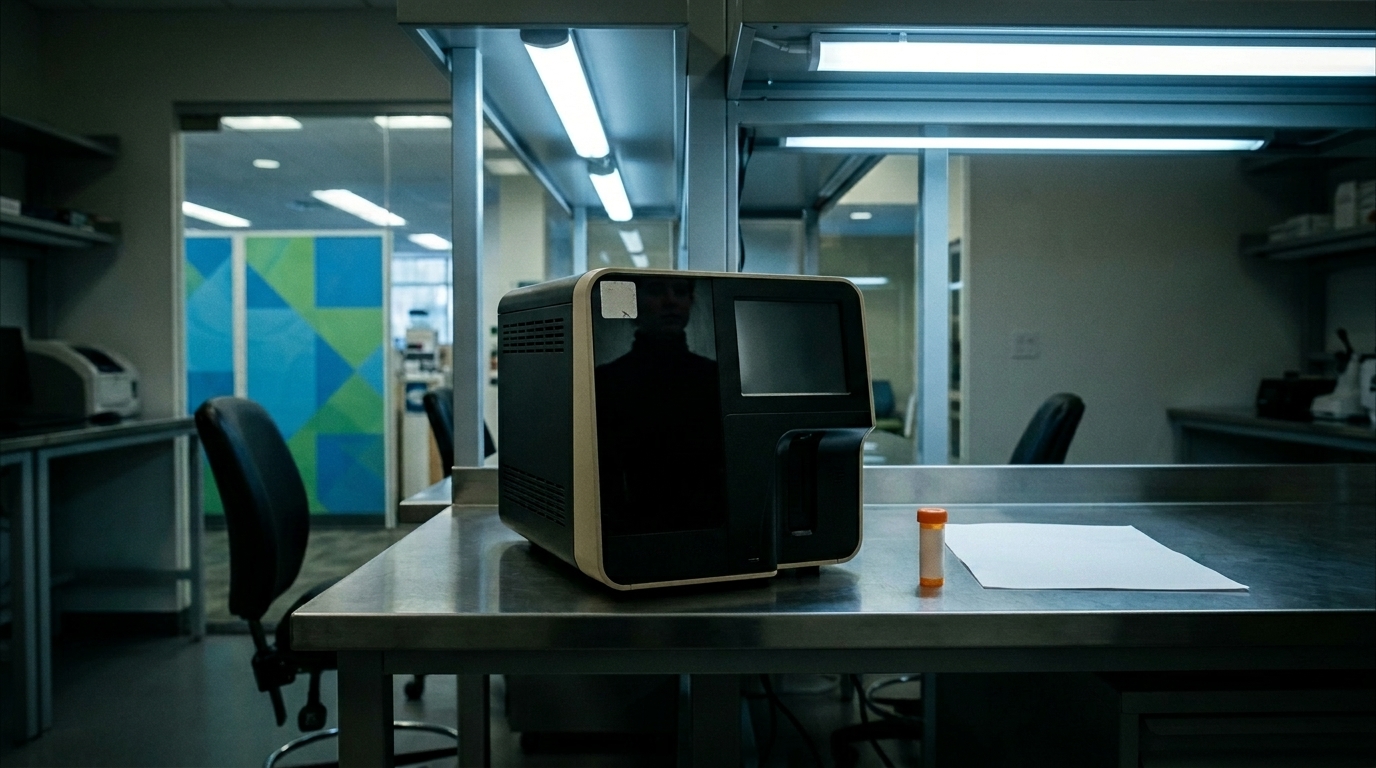
- 01.Theranos used third-party commercial analyzers for over 90% of patient tests while billing as proprietary technology.
- 02.Board members including George Shultz chose company loyalty over his grandson's whistleblower warnings until media exposure.
- 03.FDA inspection records show Theranos laboratory posed 'immediate jeopardy to patient health' months before public disclosure.
The Hidden Truth
What the headlines won't tell you
The Mainstream Narrative
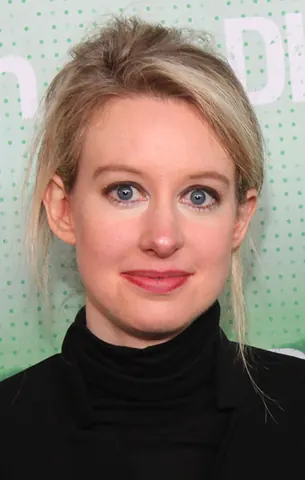
Elizabeth Holmes founded Theranos in 2003 at age 19, promising to revolutionize healthcare with blood tests requiring only tiny samples. She cultivated a Steve Jobs-like persona, secured powerful board members including Henry Kissinger and James Mattis, and raised over $700 million. The 2015 Wall Street Journal investigation by John Carreyrou exposed that Theranos secretly used traditional machines for most tests, while its proprietary Edison devices produced wildly inaccurate results. Holmes was convicted of fraud in 2022 and sentenced to 11+ years in prison.
Under-Reported Dimensions
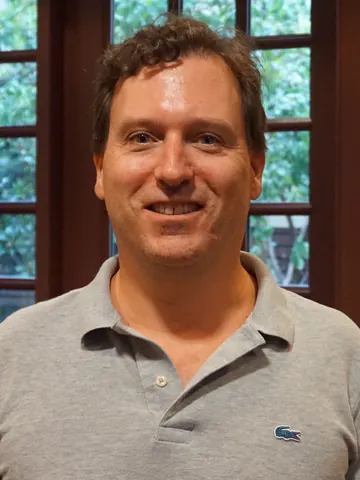
What's rarely examined is how Theranos exploited regulatory grey zones. The company operated under CLIA (Clinical Laboratory Improvement Amendments) rather than FDA oversight for years, claiming its devices were laboratory-developed tests exempt from pre-market approval. Internal whistleblowers Erika Cheung and Tyler Shultz faced intense legal intimidation—Shultz's family spent $400,000 on legal fees defending him against Theranos's threats. The company hired David Boies, who aggressively pursued journalists and former employees with surveillance and legal action.
The Pentagon and Walgreens partnerships reveal institutional failure. Military officials deployed Theranos devices to medevac helicopters despite lack of peer-reviewed validation. Walgreens invested $140 million and opened 40 wellness centers without independently verifying the technology—their due diligence apparently consisted of asking Theranos for data. Safeway spent $350 million remodeling stores for Theranos clinics that never materialized.
Follow the Money
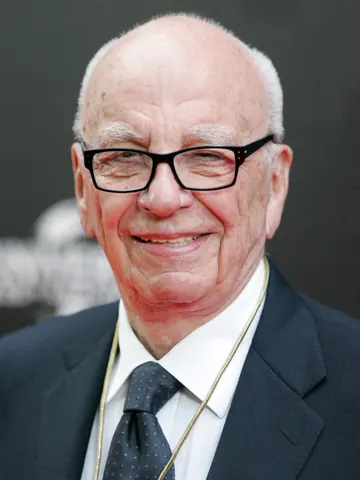
The Theranos board was extraordinarily powerful but scientifically inexperienced—stacked with former Secretaries of State, Defense, and Treasury, but lacking medical device experts or hematologists. This wasn't accidental; Holmes actively cultivated political connections while avoiding scientific scrutiny. The company never published peer-reviewed research or allowed independent technology validation. Investors like Rupert Murdoch (who owned the WSJ that exposed Theranos) and the Walton family lost hundreds of millions.
Open Questions
Why did prestigious institutions fail so catastrophically? How did Holmes convince top scientists at Stanford and elsewhere without demonstrable proof? What role did gender play—both in her fundraising success (as a rare female founder) and in whether investors performed adequate diligence? The partnership with the Cleveland Clinic and other medical institutions remains under-examined: what institutional safeguards failed?
Credible Dissenting Voices
Editorial pass pending.
Case Timeline
- 2003CORROBORATEDElizabeth Holmes founds Real-Time Cures, later renamed Theranos, at age 19Holmes left Stanford's chemical engineering program after filing her first patent application for a wearable drug-delivery device, securing initial funding from former Dean of Stanford's School of Engineering Channing Robertson who became a company advisor.
- 2004CORROBORATEDHolmes drops out of Stanford; raises initial funding from family and venture capitalistsEarly investors included Tim Draper's venture capital firm and family friend Don Lucas (an early Oracle investor), with Holmes raising approximately $6 million in initial funding rounds while claiming her technology could run hundreds of tests from finger-prick samples.
- 2010CREDIBLE REPORTINGTheranos begins partnership discussions with Walgreens for in-store blood testing centersWalgreens entered negotiations without independently verifying Theranos technology, reportedly motivated by fear that CVS would secure the partnership first, conducting due diligence primarily by requesting data from Theranos itself.
- 2013CREDIBLE REPORTINGWalgreens launches Theranos wellness centers; Safeway announces partnership worth $350 millionSafeway CEO Steve Burd personally championed the deal, with Safeway spending $350 million remodeling 800 stores to include Theranos testing centers that would ultimately never open as the technology failed to materialize.

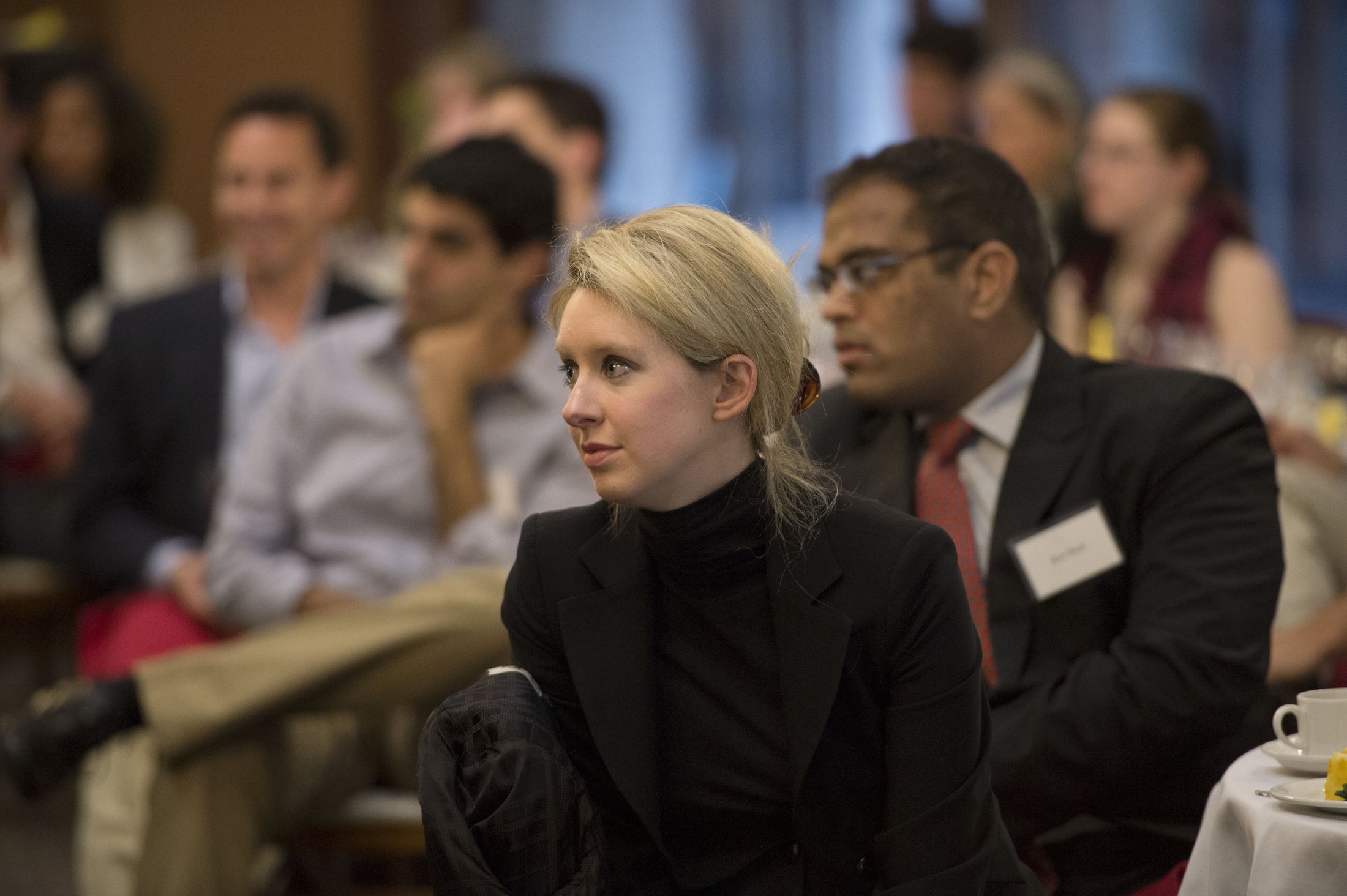
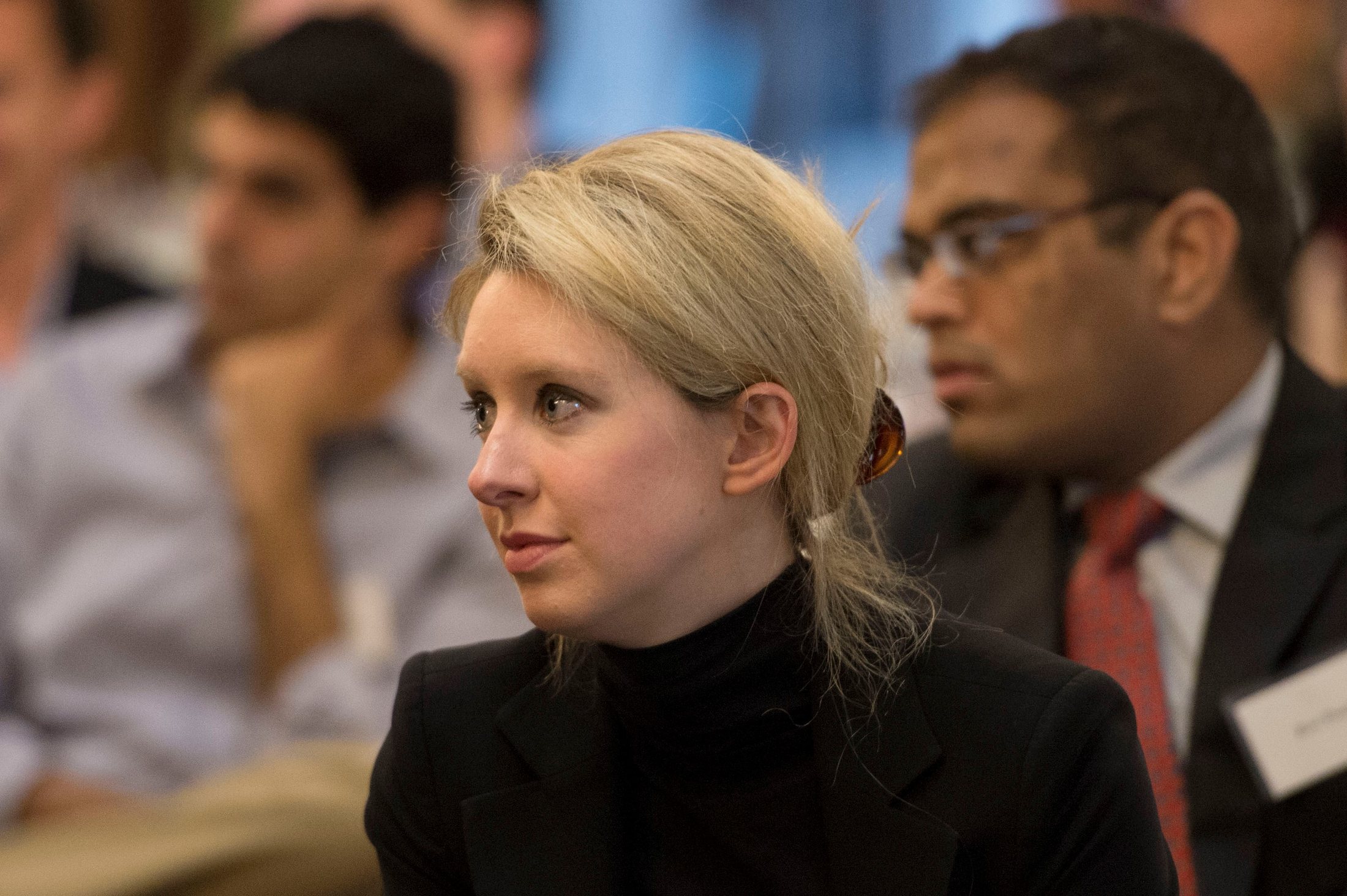
Elizabeth Holmes, the chief executive officer and founder of Theranos, a health care technology company, listens as Deputy Secretary of Defense Ash Carter speaks at Stanford University in Palo Alto, Calif., April 17, 2013. (DoD photo by Gle - 2013COURT RECORDTyler Shultz joins Theranos as research engineer, begins witnessing quality control problemsShultz, grandson of former Secretary of State George Shultz (a Theranos board member), documented proficiency testing failures and witnessed technicians manipulating quality control data before reporting concerns that led to his grandfather initially siding with Holmes over him.
Elizabeth Holmes, the chief executive officer and founder of Theranos, a health care technology company, listens as Deputy Secretary of Defense Ash Carter speaks at Stanford University in Palo Alto, Calif., April 17, 2013. (DoD photo by Gle - 2014CORROBORATEDTheranos valuation reaches $9 billion; Holmes appears on Fortune and Forbes coversHolmes appeared on magazine covers styled like Steve Jobs in black turtlenecks, while the $9 billion private valuation made her the youngest self-made female billionaire on paper, though the company never generated significant revenue.

SAN FRANCISCO, CA - SEPTEMBER 08: Theranos Chairman, CEO and Founder Elizabeth Holmes (L) and TechCrunch Writer and Moderator Jonathan Shieber speak onstage at TechCrunch Disrupt at Pier 48 on September 8, 2014 in San Francisco, California - 2015PRIMARY SOURCEJohn Carreyrou publishes Wall Street Journal investigation exposing device failuresCarreyrou's investigation revealed that Theranos secretly used competitors' commercial analyzers for most patient tests because its proprietary Edison and miniLab devices produced unreliable results, contradicting years of public claims.
- 2015GOVERNMENT RECORDFDA inspects Newark lab, finds serious deficiencies; CMS threatens sanctionsFDA inspection found the company's nanotainer blood collection tubes were uncleared medical devices posing patient safety risks, while CMS identified deficiency conditions causing immediate jeopardy to patient health and safety.
- 2016GOVERNMENT RECORDCMS revokes CLIA certification; Forbes revises Holmes's net worth from $4.5B to zeroCMS sanctions followed findings that inaccurate Theranos test results could have caused serious patient harm, with the agency banning Holmes from owning or operating a laboratory for two years.
- 2016COURT RECORDWalgreens terminates partnership; Theranos closes all wellness centers and labsWalgreens sued Theranos seeking to recover its $140 million investment, settling confidentially, while thousands of patients received test result corrections notifications after accuracy audits revealed widespread errors.
- 2018GOVERNMENT RECORDSEC charges Holmes and Balwani with fraud; Holmes settles, Balwani fights chargesSEC complaint alleged Holmes and president Ramesh Balwani made false claims about revenue, partnerships, military deployments, and technology accuracy; Holmes settled for $500,000 fine without admitting wrongdoing and agreed to surrender voting control.
- 2018COURT RECORDFederal grand jury indicts Holmes and Balwani on wire fraud chargesThe 11-count indictment charged both executives with two counts of conspiracy to commit wire fraud and nine counts of wire fraud for allegedly defrauding doctors, patients, and investors through materially false statements about technology capabilities.
Key People
Organizations
Evidence Library
- court filingDOC-A1U.S. v. Holmes Criminal Indictment (Northern District of California, 2018)
Federal grand jury indictment charging Elizabeth Holmes and Ramesh Balwani with 11 counts of wire fraud and conspiracy for allegedly making false statements about Theranos technology accuracy, financial performance, and military deployment. The indictment represents the culmination of federal criminal investigation and establishes the legal basis for prosecution that resulted in Holmes's conviction on four counts in 2022.
- documentDOC-A2SEC Complaint and Settlement with Elizabeth Holmes (March 2018)
Securities and Exchange Commission enforcement action documenting specific false claims Holmes made to investors, including fabricated revenue figures, misrepresented pharmaceutical partnerships, and false statements about military use of Theranos devices. Holmes settled without admitting guilt, paid $500,000 penalty, returned shares, and accepted ten-year ban from serving as officer or director of public company.
- documentpartial redactionDOC-A3CMS CLIA Certificate Revocation Letter and Inspection Report (2016)
Centers for Medicare & Medicaid Services findings documenting deficiency conditions at Theranos Newark laboratory causing immediate jeopardy to patient health, including validation failures and quality control deficiencies. The revocation of CLIA certification effectively shut down Theranos's laboratory operations and represents definitive government finding of testing inadequacy.
- documentDOC-A4FDA Inspection Report and Warning Letter (2015-2016)
Food and Drug Administration inspection findings that Theranos nanotainer blood collection device was an unapproved medical device posing safety risks, requiring the company to cease patient testing. Documents regulatory failure where Theranos operated for years claiming CLIA exemptions while avoiding FDA pre-market device approval requirements.
- testimonyDOC-A5Tyler Shultz and Erika Cheung Whistleblower Testimony
Former Theranos employees provided testimony and evidence documenting firsthand observations of proficiency testing failures, quality control manipulation, and pressure to report inaccurate results. Their testimony corroborated Carreyrou's reporting and faced legal intimidation including Shultz family spending $400,000 defending against Theranos legal threats.
- documentDOC-A6Wall Street Journal Investigative Series by John Carreyrou (2015-2016)
Pulitzer Prize-finalist investigative reporting that first exposed Theranos technology failures, revealing the company secretly used third-party commercial analyzers for most tests while Edison devices produced unreliable results. The series broke through years of media adulation and triggered regulatory investigations, based on whistleblower sources and leaked internal documents.
- documentpartial redactionDOC-A7Walgreens Partnership Agreement and Lawsuit Filings
Court records documenting Walgreens's $140 million investment and subsequent lawsuit against Theranos for breach of contract after discovering technology inadequacy. Reveals institutional due diligence failure where major pharmacy chain opened 40 wellness centers without independently validating core technology claims.
- otherDOC-A8Theranos Board Composition Records (2010-2016)
Documentation showing Theranos assembled board dominated by former government officials including Henry Kissinger, George Shultz, James Mattis, and William Perry, with minimal medical device or laboratory expertise. Board structure exemplifies governance failure where prestigious names substituted for technical oversight, enabling years of operation without validation of core technology.
Evidence Gallery


Sources
Trace the trail yourself
Investigation Network


This dossier does not end here.
- 2015OpenAI founded as nonprofit AI safety research organizationThe Sam Altman OpenAI Board Coup
- 2019OpenAI creates capped-profit subsidiary, Microsoft invests $1 billionThe Sam Altman OpenAI Board Coup
- 2023-01Microsoft announces $10 billion investment in OpenAIThe Sam Altman OpenAI Board Coup
- 2023-11-17OpenAI board fires Sam Altman, citing loss of confidence in candorThe Sam Altman OpenAI Board Coup
- 2023-11-18Greg Brockman resigns; over 700 employees sign letter supporting AltmanThe Sam Altman OpenAI Board Coup
- 2023-11-20Microsoft announces Altman and Brockman will lead new AI research unitThe Sam Altman OpenAI Board Coup
Live Discussion
0 Perspectives
Add to the record. Be specific. Cite where you can.
If you're learning about this topic for the first time, these are the best places to continue — documented evidence and historical relationships are the guide.
Named in “Theranos and Elizabeth Holmes”.
Named in “Theranos and Elizabeth Holmes”.
Read more dossiers like this
Get a quiet one-line bulletin when new investigative files are published. Bound to this dossier — useful for tracking follow-ups.