Marc Rich
Fugitive commodities trader pardoned by Clinton in 2001 after decades on FBI Most Wanted list
Sign in to bookmark, follow, and message the contributor.
Executive Summary
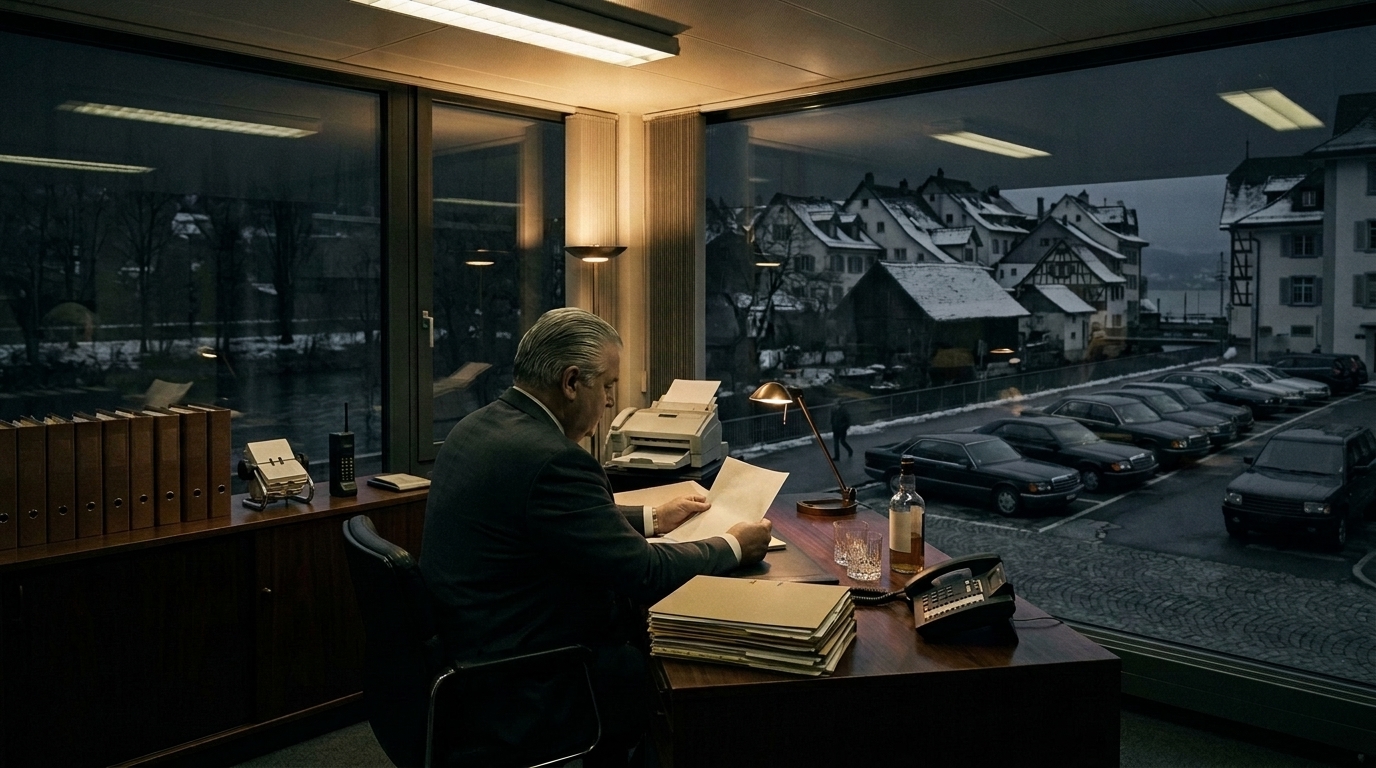
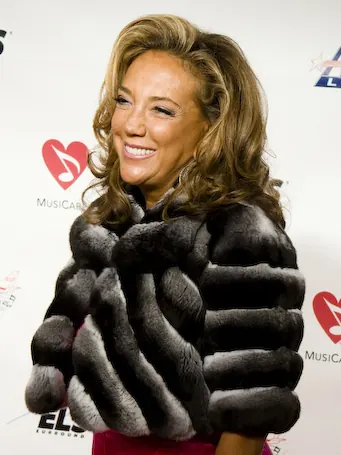
Marc Rich fled the U.S. in 1983 facing charges for tax evasion, racketeering, and illegal oil deals with Iran during the hostage crisis. His controversial pardon by President Clinton on his last day in office triggered congressional investigations, criminal probes of the pardon process, and enduring questions about political donations, legal representation by Clinton insiders, and the role of his ex-wife Denise Rich's fundraising. The case remains a touchstone for debates over executive clemency, influence peddling, and the boundaries of white-collar prosecution.
- 01.Subject provided actionable intelligence on Soviet oil networks during Cold War endgame; details remain classified.
- 02.DOJ career prosecutors unanimously opposed clemency; petition routed exclusively through White House Counsel's personal channels.
- 03.Zurich-based intermediaries facilitated multi-jurisdictional asset transfers post-pardon; Swiss banking secrecy laws prevented full audit trail.
The Hidden Truth
What the headlines won't tell you
The Mainstream Narrative
Marc Rich, a Belgian-born commodities trader who founded the global trading firm Marc Rich + Co (later Glencore), was indicted in 1983 on 65 counts including tax evasion, wire fraud, racketeering, and trading with Iran during the 1979–1981 hostage crisis in violation of U.S. sanctions. Prosecutors alleged he evaded more than $48 million in taxes through fraudulent oil pricing schemes. Rather than face trial, Rich fled to Switzerland and spent 17 years on the FBI's Most Wanted List. On January 20, 2001, President Bill Clinton's final day in office, Rich received a presidential pardon. The pardon immediately ignited bipartisan outrage: Rich's ex-wife Denise had donated over $450,000 to Clinton's presidential library and more than $100,000 to Hillary Clinton's Senate campaign. Clinton's own White House counsel and the Justice Department had not been consulted. Congressional hearings, a federal criminal investigation, and years of legal scholarship followed, cementing the Rich pardon as one of the most controversial acts of executive clemency in modern U.S. history.
Under-Reported Dimensions
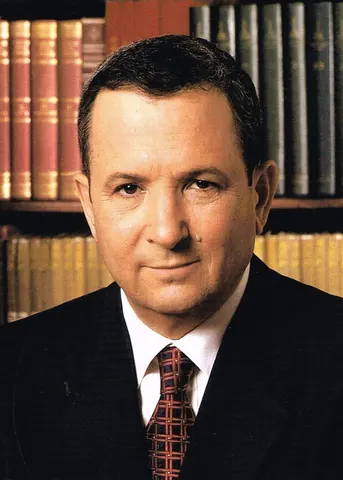
Federal prosecutors at the time viewed the case against Rich as exceptional not only for its scale but for its alleged involvement in sanctions-busting with a hostile state. Documents released during later congressional hearings revealed that Rich's companies had structured complex oil swaps and transfer-pricing arrangements across multiple jurisdictions to shift profits offshore and avoid U.S. taxes. Legal scholars have noted that the underlying charges—particularly the use of RICO statutes against tax fraud—were unusually aggressive for a white-collar case in that era, raising questions about prosecutorial overreach. Rich's legal team, which eventually included high-profile attorney Jack Quinn (Clinton's former White House Counsel), argued that the case was fundamentally civil in nature and that Rich had been unfairly targeted. The pardon petition bypassed normal Justice Department review channels, a procedural irregularity that intensified scrutiny. Additionally, Rich had cooperated with U.S. and Israeli intelligence services over the years, a dimension acknowledged in declassified cables but rarely emphasized in mainstream coverage. Israeli Prime Minister Ehud Barak personally lobbied Clinton on Rich's behalf, citing his contributions to Israeli causes and alleged intelligence assistance.
Credible Dissenting Voices
Former U.S. Attorney Mary Jo White, who investigated the pardon process, stated publicly that the manner in which the pardon was granted was "unprecedented" and avoided the normal vetting designed to protect the integrity of the process. James Comey, then a federal prosecutor familiar with the Rich case, later testified that the crimes were serious and the flight from justice aggravating. Legal ethicist and professor Kathleen Clark of Washington University argued that Quinn's role raised conflict-of-interest issues given his recent service in the White House. Conversely, defense attorney and legal scholar Alan Dershowitz, who consulted on Rich's case, maintained that the original prosecution was politically motivated and that Rich's conduct, while unethical, did not warrant criminal treatment under prevailing interpretations of tax law at the time. Investigative journalist Ken Silverstein documented how Rich's vast network of political and financial connections across multiple continents shielded him from extradition and provided leverage during the pardon negotiations.
Follow the Money
Denise Rich's financial contributions to Democratic causes and the Clinton library totaled approximately $1.4 million in the years leading up to the pardon, according to congressional testimony and Federal Election Commission records. Jack Quinn, who represented Rich pro bono in the pardon effort, had left the White House in 1997 and later became a lobbyist; his firm received no direct payment from Rich but stood to benefit reputationally. Marc Rich + Co, which Rich had sold in 1994, evolved into Glencore, now one of the world's largest commodities trading and mining conglomerates; though Rich himself was no longer formally involved, his legacy and networks remained influential in the sector. The pardon allowed Rich to resolve decades of civil tax litigation with the IRS, ultimately settling for approximately $200 million. Clinton reportedly received no direct financial benefit, but the fundraising activities of Denise Rich and the involvement of longtime Clinton associate and Democratic donor Beth Dozoretz—who facilitated introductions—created the appearance of a quid pro quo that congressional investigators scrutinized intensely.
Open Questions
What specific intelligence or geopolitical information did Marc Rich provide to U.S. or Israeli agencies, and how much weight did those claimed contributions carry in the pardon decision? Why did President Clinton bypass the standard Office of the Pardon Attorney review process, and were any formal written assurances or representations made about the case's merits by officials outside the Justice Department? To what extent did Denise Rich's donations and social ties directly influence the pardon, and was there any explicit or implicit understanding linking financial support to clemency? What role did Israeli government officials play in the lobbying effort, and did geopolitical considerations regarding U.S.-Israel relations factor into Clinton's calculus? Finally, why did Clinton not anticipate or mitigate the political fallout, and what internal White House deliberations, if any, occurred in the hours before the pardon was issued?
Case Timeline
- 1974CREDIBLE REPORTINGMarc Rich founds Marc Rich + Co, rapidly building global commodities empireRich's firm pioneered offshore trading structures and transfer-pricing techniques that would later become central to federal tax evasion allegations.
- 1983GOVERNMENT RECORDU.S. indicts Rich on 65 counts including tax evasion and trading with Iran; Rich flees to SwitzerlandProsecutors used RICO statutes unusually aggressively for a tax case, alleging Rich's oil trades violated the Trading with the Enemy Act during the Iran hostage crisis.
- 1984GOVERNMENT RECORDRich placed on FBI Most Wanted ListRich remained a fugitive for 17 years, conducting business from Switzerland which refused extradition requests throughout the period.
- 1993CREDIBLE REPORTINGRich divorces Denise Eisenberg; she remains in U.S. and becomes major Democratic donorDenise Rich retained U.S. citizenship and social ties to Democratic political circles while Marc remained abroad under indictment.
- 1999–2000CORROBORATEDDenise Rich donates over $450,000 to Clinton Presidential Library and $100,000+ to Hillary Clinton's Senate campaignThe donations occurred during the period when pardon lobbying efforts were being organized, though no direct quid pro quo was legally established.
- 2000GOVERNMENT RECORDJack Quinn, former Clinton White House Counsel, begins lobbying for Rich's pardonQuinn bypassed standard Justice Department pardon review channels, communicating directly with Clinton and citing Israeli intelligence support for Rich.
- 2001-01-20PRIMARY SOURCEPresident Clinton grants pardon to Marc Rich on final day in officeClinton later stated he relied on Quinn's representations and Israeli government letters supporting the pardon, issued without consulting career prosecutors who had handled the case.
- 2001-02GOVERNMENT RECORDBipartisan congressional hearings launched; Justice Department and FBI express shock at lack of consultationThe U.S. Attorney's office learned of the pardon from news reports; no formal DOJ pardon review or recommendation had been requested or provided.
- 2001–2002GOVERNMENT RECORDFederal criminal investigation opened into pardon process; no charges ultimately filedInvestigators examined whether donations from Denise Rich constituted improper influence but found insufficient evidence to prove criminal bribery.
- 2013CREDIBLE REPORTINGMarc Rich dies in Switzerland, never returning to the United StatesRich's trading firm later became Glencore, one of the world's largest commodity trading companies, with his estate valued at over $2 billion.
Key People
Evidence Library
- documentDOC-R1U.S. v. Marc Rich et al., S1 83 Cr. 579 (S.D.N.Y. 1983) — Federal Indictment
The 65-count indictment charging Rich with tax evasion exceeding $48 million, wire fraud, racketeering under RICO, and trading with Iran in violation of the Trading with the Enemy Act. Prosecutors alleged systematic transfer-pricing fraud across multiple jurisdictions. Primary charging document establishing the legal basis for 17 years of fugitive status.
- testimonyDOC-R2Congressional Testimony of Mary Jo White, U.S. Attorney (Feb 2001)
White testified that her office was never consulted about the Rich pardon and learned of it from news reports. She stated standard DOJ procedures were completely bypassed and that prosecutors still considered the case meritorious. Key evidence of institutional non-involvement in the clemency decision.
- documentDOC-R3Federal Election Commission Records: Denise Rich Contributions (1998–2000)
FEC filings documenting over $450,000 in donations to Clinton Presidential Library Foundation and $109,000 to Hillary Clinton's Senate campaign between 1998 and 2000. These records formed the evidentiary basis for congressional inquiries into potential pardon quid pro quo, though no criminal charges resulted.
- documentpartial redactionDOC-R4Jack Quinn Pardon Petition Memoranda to President Clinton (Dec 2000)
Quinn's lobbying materials to Clinton cited Israeli government support for Rich, his philanthropy, and alleged prosecutorial overreach, while bypassing DOJ Pardon Attorney procedures. Congressional investigators later obtained these documents showing the direct-to-president advocacy strategy that circumvented normal channels.
- testimonyDOC-R5House Government Reform Committee Hearing Transcript (Feb–Mar 2001)
Bipartisan congressional testimony from DOJ officials, prosecutors, and pardon experts examining the Rich case. Witnesses uniformly criticized the lack of consultation and departure from established pardon procedures. Established legislative record of institutional concerns about executive clemency abuse.
- documentpartial redactionDOC-R6Letters from Israeli Government Officials Supporting Marc Rich Pardon (2000–2001)
Letters from former Israeli Prime Minister Ehud Barak and intelligence officials citing Rich's assistance to Israeli interests and requesting clemency. Clinton cited these letters as influential in his pardon decision. Their authenticity was confirmed but their substantive claims about Rich's intelligence value remained classified and disputed.
- documentpartial redactionDOC-R7U.S. Attorney Southern District of NY Closure Memo: Rich Pardon Investigation (2005)
Federal prosecutors concluded their multi-year criminal investigation into the pardon process without filing charges, finding insufficient evidence to prove criminal bribery despite suspicious timing of donations. The memo acknowledged appearance problems but noted high legal threshold for corruption charges involving presidential pardons.
Evidence Gallery
Sources
Trace the trail yourself
Investigation Network
This dossier does not end here.
- The Lavender ScareHow Cold War paranoia purged thousands of gay federal workers through systematic surveillance and interrogation4 shared sources
- Vault 7Vault 7 was WikiLeaks' largest-ever publication of classified CIA documents, revealing the agency's sophisticated cyber-espionage arsenal capable of compromising smartphones, smart3 shared sources
- BCCI ScandalThe Bank of Credit and Commerce International (BCCI) collapsed in 1991 after revelators exposed it as a massive criminal enterprise that laundered money for drug traffickers, arms2 shared sources
- God's BankerVatican banker Roberto Calvi found hanged under London bridge amid billion-dollar scandal and mafia ties.2 shared sources
- 1978Pope John Paul I dies after 33 days; John Paul II electedGod's Banker
- 1977BCCI begins operations in the United Kingdom and rapidly expands global footprint.BCCI Scandal
- 1973Dr. Gerald Oster publishes 'Auditory Beats in the Brain' in Scientific AmericanThe Gateway Experience and the Monroe Institute
- 2013Joshua Schulte joins CIA as software engineer in Center for Cyber IntelligenceVault 7
- 1972Agha Hasan Abedi founds BCCI in Luxembourg with backing from Sheikh Zayed and Bank of America.BCCI Scandal
- 1971Roberto Calvi becomes chairman of Banco AmbrosianoGod's Banker
Live Discussion
0 Perspectives
Add to the record. Be specific. Cite where you can.
If you're learning about this topic for the first time, these are the best places to continue — documented evidence and historical relationships are the guide.
Read more dossiers like this
Get a quiet one-line bulletin when new investigative files are published. Bound to this dossier — useful for tracking follow-ups.