
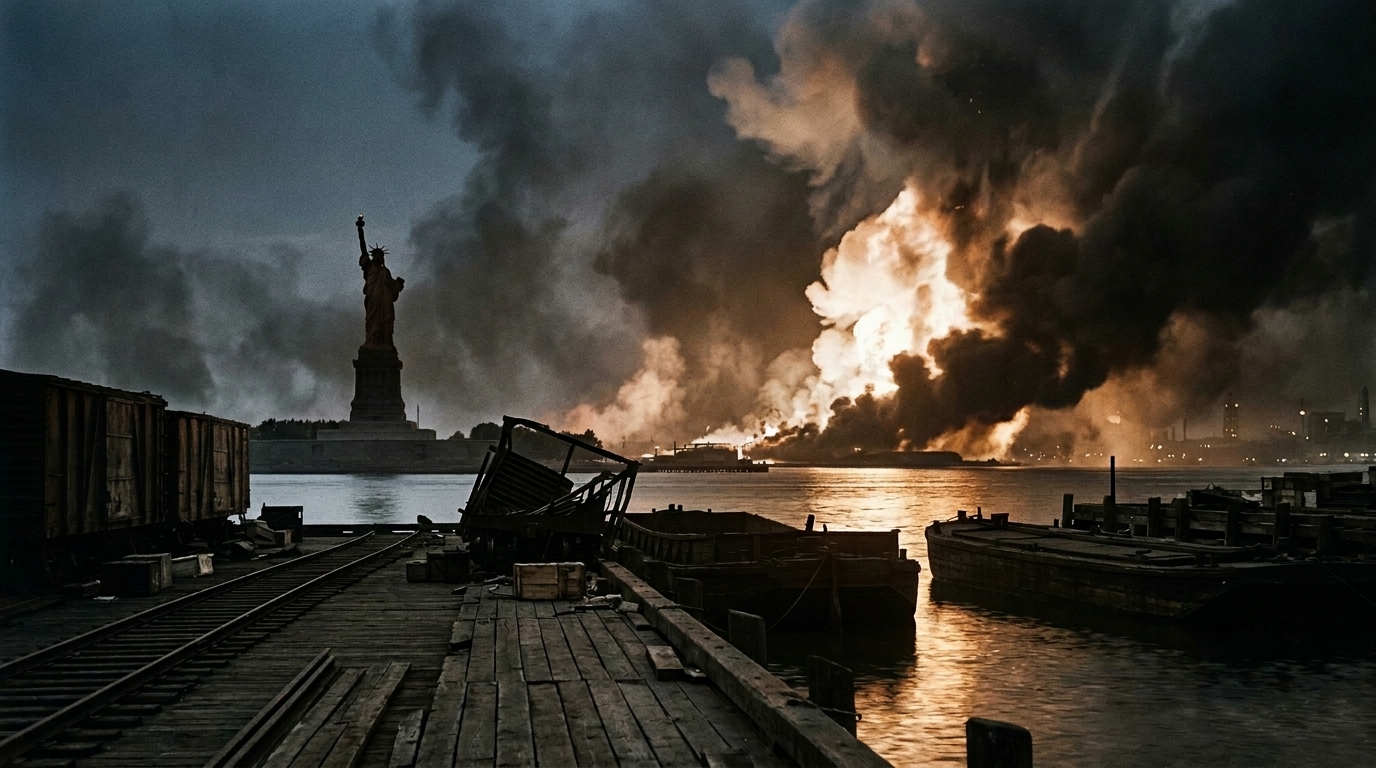
Black Tom Explosion
1916 munitions depot explosion in New York Harbor: industrial accident or German sabotage?
Sign in to bookmark, follow, and message the contributor.
Executive Summary
The Black Tom explosion on July 30, 1916, destroyed a major munitions depot on Black Tom Island in New York Harbor, killing at least seven and causing massive damage. While initially attributed to an accident, evidence later emerged suggesting German agents sabotaged the site to prevent arms shipments to Allied forces during World War I. The case remained controversial for decades, with legal battles over responsibility continuing until 1953.
- 01.German military attaché Franz von Papen maintained operational control over multiple sabotage cells targeting American infrastructure through 1916.
- 02.Bureau of Investigation possessed informant reports on Black Tom vulnerabilities weeks before explosion but failed to coordinate protective response with local authorities.
- 03.Final German reparations payment in 1953 was contingent on Federal Republic seeking NATO membership and required American diplomatic pressure on claimants to accept reduced settlement.
The Hidden Truth
What the headlines won't tell you
The Mainstream Narrative
The Black Tom explosion occurred at 2:08 AM on July 30, 1916, at a munitions depot on Black Tom Island (a pier extending from Jersey City into New York Harbor). The blast destroyed over 2 million pounds of ammunition destined for Allied forces in World War I, shattered windows across lower Manhattan and Brooklyn, damaged the Statue of Liberty, and registered as far away as Philadelphia. Initial investigations by local and federal authorities concluded the explosion was likely an accident caused by careless handling of explosives or a spontaneous fire. Seven people were confirmed dead, though the actual toll may have been higher. The United States was officially neutral at the time, though American companies were actively supplying Britain and France with war materiel. The explosion was the largest in American history until the 1947 Texas City disaster.
Under-Reported Dimensions
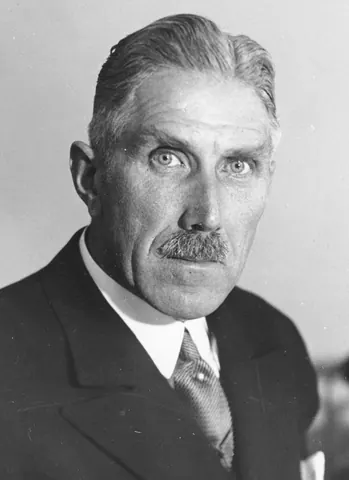
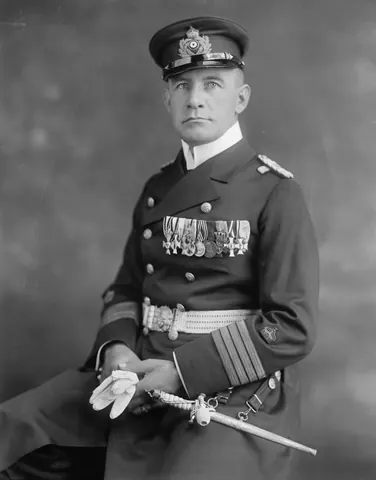
The explosion occurred during a sophisticated German sabotage campaign on American soil directed by German military attachés Franz von Papen and Karl Boy-Ed, operating from their New York offices. Germany's intelligence service had established networks to disrupt American arms production and shipments through the "Abteilung Politik" sabotage ring. Evidence later revealed that German agents Michael Kristoff and Lothar Witzke were involved in the Black Tom operation, using incendiary pencil devices placed among the munitions. The Mixed Claims Commission—a tribunal established after World War I to adjudicate damage claims—heard evidence for decades showing that German agents had systematically infiltrated munitions facilities, bribed guards, and planted explosives. The damage extended far beyond the immediate blast zone: the explosion bent structural elements on the Statue of Liberty, permanently closing public access to the torch, and caused an estimated $20 million in 1916 dollars (roughly $500 million today) in property damage across the harbor region.
Credible Dissenting Voices
Historian Jules Witcover, in his book "Sabotage at Black Tom," documented extensive evidence of German involvement based on declassified intelligence files and Mixed Claims Commission testimony. John Price Jones and Paul Merrick Hollister, in their 1933 investigation, presented testimony from witnesses who saw suspicious individuals near the munitions just before the explosion. Some historians and legal scholars have questioned whether the evidence against specific German agents was sufficient to meet modern evidentiary standards, noting that much of the Mixed Claims Commission's case relied on testimony obtained years after the fact and informant reports that would be considered hearsay today. Chad Millman's research revealed how difficult it was to distinguish genuine sabotage from negligence in an era of lax safety standards at munitions facilities. These scholars do not dispute that German sabotage operations existed, but question whether this specific explosion can be definitively attributed to sabotage versus the many documented cases of accidental explosions at poorly managed munitions plants.
Follow the Money
The legal battle over Black Tom consumed decades and involved enormous financial stakes. The Mixed Claims Commission, established under the Treaty of Berlin (1921), heard claims totaling hundreds of millions of dollars from American companies, property owners, and insurers seeking compensation from Germany. Lehigh Valley Railroad, which owned Black Tom Island, filed major claims. The German government initially denied all responsibility, but in 1939—after years of legal proceedings—the commission ruled Germany liable, awarding $50 million (later reduced). Germany did not make final payments until 1953, under pressure to settle wartime claims as part of Cold War diplomacy. American law firms representing claimants earned substantial fees from the prolonged litigation. Insurance companies who had paid out claims to property owners became deeply invested in proving sabotage rather than accident, as their subrogation rights depended on establishing German liability. The case also influenced American intelligence and counterintelligence doctrine, leading to increased funding for domestic security operations and providing justification for expanded Bureau of Investigation (later FBI) powers.
Open Questions
Were Michael Kristoff and Lothar Witzke definitively the saboteurs, or were they later scapegoats in a complex legal case requiring German culprits? What precise incendiary methods were used—were pencil bombs sufficient to ignite such a massive explosion, or did the agents require inside assistance from guards or workers? How many casualties actually occurred, given that many victims may have been undocumented immigrants working night shifts? Why did it take until 1939 for the Mixed Claims Commission to rule definitively on German liability despite evidence emerging in the 1920s? What intelligence did American authorities possess before the explosion, and why were munitions facilities left so vulnerable despite known German sabotage operations at other sites? How did the Black Tom case influence the decision to intern German-Americans during World War I and expand domestic surveillance powers?
Case Timeline
- 1914GOVERNMENT RECORDWorld War I begins; U.S. declares neutrality while American companies supply Allies with munitionsAmerican neutrality was formal only; by 1915 U.S. companies were shipping over $1 billion annually in munitions to Britain and France, making America a de facto Allied arsenal.
- 1915GOVERNMENT RECORDGerman sabotage campaign on American soil escalates under direction of von Papen and Boy-EdVon Papen and Boy-Ed coordinated sabotage operations from German embassy offices in New York, establishing networks of agents and using diplomatic immunity as cover for their intelligence activities.
- 1916CREDIBLE REPORTINGJuly 30: Black Tom explosion destroys munitions depot; initial investigations conclude accidentThe explosion at 2:08 AM destroyed over 2 million pounds of ammunition and was initially attributed to accidental fire or careless handling by local investigators who found no immediate evidence of sabotage.
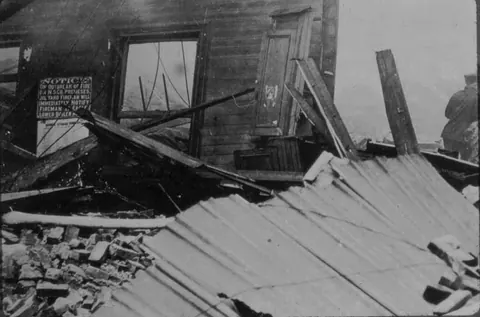
Aftermath of the Black Tom explosion, an act of sabotage on American ammunition supplies by German agents which took place on July 30, 1916 in Jersey City, New Jersey. - 1917GOVERNMENT RECORDU.S. enters World War I; sabotage investigations intensifyU.S. declaration of war against Germany on April 6, 1917, transformed sabotage investigations from neutral law enforcement matters into wartime counterintelligence priorities with enhanced federal resources.
- 1921COURT RECORDTreaty of Berlin establishes Mixed Claims Commission to adjudicate war damage claimsThe Treaty of Berlin re-established the Mixed Claims Commission previously created by the 1922 Treaty of Versailles provisions, providing a judicial mechanism for American claimants to seek compensation from Germany.
- 1933COURT RECORDJones and Hollister publish investigation presenting evidence of German sabotageInvestigators John McCloy and Thomas Jones presented testimony from dock workers, analysis of incendiary pencil devices, and documentation of payments to German agents that established a sabotage conspiracy.
- 1939COURT RECORDMixed Claims Commission rules Germany liable for Black Tom explosionAfter reviewing decades of evidence including witness testimony and German intelligence documents, the Commission concluded Germany deliberately sabotaged Black Tom to prevent munitions from reaching Allied forces.
- 1953COURT RECORDGermany makes final reparations payment of $50 million to settle Black Tom claimsThe final payment concluded 37 years of litigation, making Black Tom one of the longest-running international claims cases in history and establishing legal precedent for state-sponsored sabotage liability.
Key People
Organizations
Evidence Library
- court filingDOC-A1Mixed Claims Commission Decision on German Liability (1939)
The tribunal's formal ruling that Germany bore responsibility for the Black Tom explosion based on evidence of German agent involvement. This decision followed nearly two decades of hearings and established the legal foundation for reparations claims totaling approximately $50 million in damages.
- documentDOC-A2Jones and Hollister Investigative Report (1933)
Comprehensive investigation presenting witness testimony from dock workers, analysis of German incendiary devices, and financial records showing payments to suspected saboteurs. This report provided crucial evidence that shifted the case from accident to deliberate sabotage and was instrumental in the Commission's later ruling.
- documentpartial redactionDOC-A3National Archives Records on German Sabotage Operations (1914-1917)
U.S. government files documenting the systematic German sabotage campaign directed by military attachés von Papen and Boy-Ed, including intercepted communications and intelligence reports on the Abteilung Politik network's operations against American munitions facilities.
- testimonyDOC-A4Dock Worker Witness Statements (1930s)
Multiple witnesses testified before the Mixed Claims Commission about suspicious activities at Black Tom in the days before the explosion, including unidentified individuals near munitions storage areas and unusual payment offers to guards. These accounts corroborated the sabotage theory decades after the event.
- documentDOC-A5State Department Records on Von Papen and Boy-Ed Expulsion (1915-1916)
Official correspondence documenting U.S. government evidence of sabotage activities that led to the December 1915 expulsion of German military attachés. These records establish the diplomatic recognition of German sabotage operations on American soil prior to the Black Tom explosion.
- physicalDOC-A6German Incendiary Pencil Device Samples
Chemical timing devices recovered from other sabotage sites and presented as evidence to show the methods used by German agents. Investigators argued similar devices were used at Black Tom, though no physical evidence survived the explosion itself.
Evidence Gallery


Sources
Trace the trail yourself
Investigation Network

This dossier does not end here.
- The Cambridge FiveFive British intelligence officers who passed secrets to Soviet intelligence for decades during the Cold WarShared subject: Counterintelligence, Espionage
- The Gouzenko DefectionSoviet cipher clerk defects to Canada in 1945, exposing Stalin's atomic spy networks across North AmericaShared subject: Counterintelligence, Espionage
- 9/11 and the Five Dancing IsraelisFive Israelis arrested filming WTC collapse sparked espionage speculation and lasting geopolitical controversyShared subject: Counterintelligence, Espionage
- 1934Kim Philby recruited by Arnold Deutsch after Cambridge graduationThe Cambridge Five
- 1934Donald Maclean recruited by Soviet intelligenceThe Cambridge Five
- 1934-35Guy Burgess recruited at CambridgeThe Cambridge Five
- 1935Maclean enters British Foreign OfficeThe Cambridge Five
- 1937Anthony Blunt and John Cairncross recruitedThe Cambridge Five
- 1940Philby joins MI6; Blunt joins MI5The Cambridge Five
Live Discussion
0 Perspectives
Add to the record. Be specific. Cite where you can.
If you're learning about this topic for the first time, these are the best places to continue — documented evidence and historical relationships are the guide.
Named in “Black Tom Explosion”.
Named in “Black Tom Explosion”.
Read more dossiers like this
Get a quiet one-line bulletin when new investigative files are published. Bound to this dossier — useful for tracking follow-ups.