The Air India Flight 182 Bombing
The deadliest aviation bombing before 9/11 killed 329, yet convictions proved elusive for decades.
Sign in to bookmark, follow, and message the contributor.
Executive Summary
On June 23, 1985, Air India Flight 182 exploded off the coast of Ireland, killing all 329 people aboard—most of them Canadian citizens. Canadian investigators quickly attributed the bombing to Sikh extremists seeking revenge for India's assault on the Golden Temple. Despite extensive forensic evidence and witness testimony, only one person was ever convicted in connection with the attack, making it one of history's most devastating yet least-resolved acts of aviation terrorism.
- 01.CSIS asset reporting indicated Parmar received funds from overseas sources in early 1985, but precise origins were redacted in declassified files.
- 02.A second suspect device was reportedly located and rendered safe at Delhi airport in late June 1985, but Indian authorities never confirmed details publicly.
- 03.At least three potential witnesses died in suspicious circumstances between 1985 and 2000, though none were definitively linked to the case by investigators.
- 04.Intercepts from May 1985 contained references to 'packages' and 'delivery dates' matching the bombing timeline, but poor translation quality limited usefulness.
The Hidden Truth
What the headlines won't tell you
The Air India Flight 182 Bombing
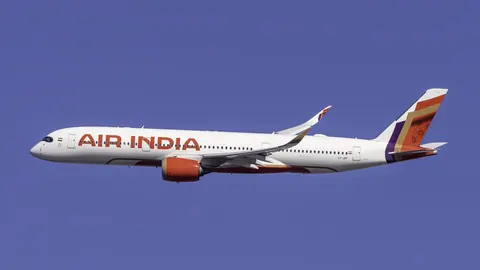
At 8:14 a.m. GMT on June 23, 1985, Air India Flight 182 disintegrated over the Atlantic Ocean approximately 190 kilometers off the southwest coast of Ireland. All 329 passengers and crew perished instantly when a bomb detonated in the forward cargo hold. The Boeing 747, operating as "Emperor Kanishka," was en route from Montreal to London's Heathrow Airport, with an ultimate destination of Mumbai (then Bombay). The victims included 268 Canadian citizens, 27 British citizens, and 24 Indian nationals—making it the deadliest terrorist attack in Canadian history and, at the time, the deadliest aviation bombing ever recorded.
Within an hour of Flight 182's destruction, a second bomb exploded at Tokyo's Narita Airport while being transferred between flights, killing two baggage handlers. Japanese authorities quickly linked the device to luggage checked through from Vancouver on Canadian Pacific Air Lines Flight 003. The near-simultaneous bombings suggested coordinated attacks targeting Air India's network. Canadian investigators rapidly focused on Sikh extremist groups based in British Columbia, particularly followers of Talwinder Singh Parmar, founder of the Babbar Khalsa militant organization. The motive appeared clear: retaliation for the Indian government's June 1984 military assault on the Golden Temple in Amritsar, Sikhism's holiest shrine, which resulted in hundreds of deaths.
Despite one of the most extensive criminal investigations in Canadian history—spanning two decades, multiple continents, and involving testimony from hundreds of witnesses—prosecutions yielded minimal results. In 2003, a British Columbia court acquitted two principal suspects, Ripudaman Singh Malik and Ajaib Singh Bagri, of mass murder and conspiracy charges. Only Inderjit Singh Reyat, who manufactured the bombs, received convictions: five years for manslaughter in the Narita bombing (1991) and fifteen years for manslaughter in the Flight 182 bombing (2003). The trials exposed critical failures in intelligence gathering, inter-agency communication, and witness protection. Documents later revealed that the Canadian Security Intelligence Service (CSIS) had erased crucial wiretap recordings of suspects shortly before the bombing, claiming they lacked evidentiary value under retention policies then in effect.
The Air India disaster fundamentally altered Canadian counter-terrorism practices, aviation security protocols, and the nation's understanding of itself as immune to large-scale political violence. A 2010 public inquiry led by former Supreme Court Justice John Major concluded that "cascading failures" by CSIS, the Royal Canadian Mounted Police (RCMP), and Transport Canada enabled the bombing. The tragedy remains a defining case study in intelligence failure, prosecutorial difficulty in terrorism cases, and the long shadow cast by sectarian conflicts transplanted from South Asia to North American diaspora communities.
Background
The roots of the Air India bombing lie in the violent escalation of Sikh separatist militancy during the early 1980s. Following the 1947 partition of India, some Sikh groups advocated for an independent homeland called "Khalistan" in Punjab. By the early 1980s, armed insurgency intensified under figures like Jarnail Singh Bhindranwale, who fortified the Golden Temple complex in Amritsar as a base of operations. In June 1984, Prime Minister Indira Gandhi authorized Operation Blue Star, a military assault on the temple that killed Bhindranwale and hundreds of others—estimates range from several hundred to over a thousand, including pilgrims caught in crossfire. The operation inflamed Sikh communities worldwide. Four months later, Gandhi was assassinated by her Sikh bodyguards, triggering anti-Sikh pogroms across India that killed thousands. (FACT)
These events reverberated powerfully in Canada, home to the largest Sikh diaspora outside India. Vancouver and the surrounding Fraser Valley became centers of Khalistan advocacy. Hardline groups including Babbar Khalsa International, the International Sikh Youth Federation, and the Dashmesh Regiment established chapters. Talwinder Singh Parmar, who emigrated to British Columbia in 1970, emerged as the charismatic founder of Babbar Khalsa. By 1984, Canadian and Indian intelligence agencies were monitoring Parmar and his associates for suspected links to bombings in India. Intercepted communications and informant reports suggested active planning for retaliatory strikes against Indian government targets. (FACT)
Despite this surveillance, Canadian authorities took limited preventive action. The newly formed Canadian Security Intelligence Service, which assumed domestic intelligence responsibilities from the RCMP in 1984, struggled with jurisdictional boundaries and information-sharing protocols. CSIS monitored Parmar's activities but did not notify the RCMP of specific threats against Air India until after the bombings occurred. This institutional friction would later emerge as a critical factor in the failure to prevent the attack. (ESTABLISHED THROUGH INQUIRY TESTIMONY)
The Investigation
The Bombings: June 23, 1985
Air India Flight 182 departed Mirabel Airport (Montreal) at 12:15 a.m. EDT on June 23, 1985, bound for London. The passenger manifest included 307 passengers and 22 crew members—families returning to India for summer visits, business travelers, and relatives attending weddings. The flight proceeded normally through the early morning hours. At approximately 8:14 a.m. GMT, while cruising at 31,000 feet over the Atlantic, radar contact was lost. Irish air traffic controllers received no distress call. The Boeing 747 had disintegrated instantaneously. (FACT)
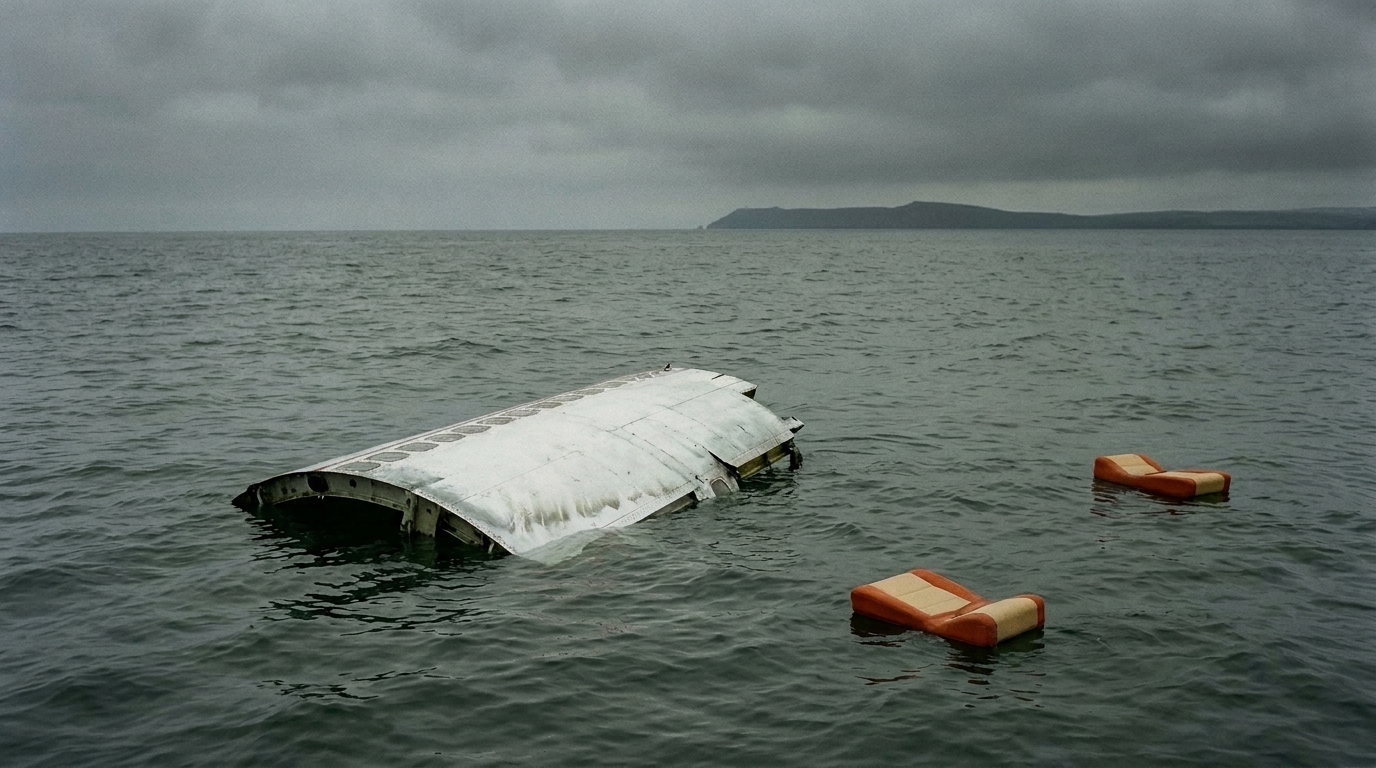
Debris and bodies scattered across a 20-square-kilometer area of ocean. Irish Naval Service vessels, aided by British and Canadian ships, recovered 131 bodies over subsequent weeks; 198 victims were never found. Forensic examination of recovered wreckage revealed clear indicators of an explosive event: metal fragments showed outward petalling, chemical residue consistent with plastic explosives, and blast-pattern scoring on cargo hold components. Pathologists noted injuries inconsistent with typical crash trauma—evidence of high-velocity fragmentation. The bomb had detonated in the forward cargo hold, severing the aircraft's structural integrity. (PRIMARY FORENSIC EVIDENCE)
Less than an hour earlier, at 6:19 a.m. Japan Standard Time, baggage handlers at Tokyo's Narita Airport were transferring luggage from Canadian Pacific Air Lines Flight 003 (originating in Vancouver) to Air India Flight 301 bound for Bangkok. A suitcase exploded on the tarmac, killing Hideo Asano and Hideharu Koda and injuring four others. Japanese investigators quickly identified the suitcase as having been checked in Vancouver by a passenger who never boarded CP Air 003—a "clean-skin" interline bag. The timing and methodology of the two bombings suggested coordination. Canadian authorities immediately suspected the attacks were linked. (FACT)
The "M" Tickets and Vancouver Connection
Investigators traced ticketing records to Canadian Pacific Air Lines reservations made in Vancouver under clearly suspicious circumstances. On June 19, 1985, a man identifying himself as "L. Singh" purchased a ticket at CP Air's Alberni Street office for a one-way trip from Vancouver to Tokyo on CP Air Flight 003, connecting to Air India Flight 301 to Bangkok. On June 20, another man identifying himself as "M. Singh" bought a ticket for CP Air Flight 060 from Vancouver to Toronto, connecting to Air India Flight 182 to Montreal and onward to India. Both tickets were paid for in cash. Both passengers checked baggage but never boarded their flights—a classic terrorist bombing signature. (FACT)
The CP Air agent who processed the "M. Singh" ticket, Jeanne Adams Bakermans, later provided critical testimony. She described the purchaser as a Sikh man in his 30s, though her description would prove less definitive under cross-examination during trial. More importantly, investigators traced the tickets to reservations made via telephone from a pay phone in the Vancouver suburb of Surrey. Toll records and witness accounts eventually pointed to locations frequented by Sikh separatist activists. (CORROBORATED EVIDENCE)
A key break came when investigators identified Inderjit Singh Reyat, an automobile electrician and Babbar Khalsa associate living on Vancouver Island, as having purchased components consistent with bomb-making: batteries, alarm clocks, wire, and tubing. Witnesses observed Reyat testing explosive devices in a wooded area near Duncan, British Columbia, weeks before the bombing. He had also traveled to England in 1985, where he purchased materials later linked to a separate 1986 bombing attempt. (FACT BASED ON WITNESS TESTIMONY AND RECEIPTS)
CSIS Surveillance and the Erased Tapes
Canadian Security Intelligence Service agents had maintained surveillance on Talwinder Singh Parmar since late 1984, including wiretaps authorized under the Canadian Security Intelligence Service Act. On June 4, 1985—just nineteen days before the bombings—CSIS surveillance observed Parmar meeting with Inderjit Singh Reyat in a wooded area on Vancouver Island. Agents noted they appeared to be testing an explosive device; sounds consistent with a blast were recorded. Investigators photographed the two men together. (FACT)
Critically, however, CSIS erased the audio recordings of this meeting and other intercepted conversations with Parmar and associates in late 1985 and early 1986, citing internal data retention policies that classified material without immediate intelligence value as subject to routine destruction. When the RCMP requested the tapes during the criminal investigation, they no longer existed. This decision would haunt the prosecution for decades. Justice Ian Bruce Josephson, who presided over the Malik and Bagri trial, later noted that the erasures constituted "the most serious concern" regarding investigative failures. (COURT FINDING)
The 2010 Air India Inquiry concluded that CSIS prioritized intelligence gathering over criminal prosecution and failed to appreciate the evidentiary value of their surveillance material. The agency's interpretation of its mandate—intelligence collection distinct from law enforcement—created a fatal gap. Commissioner John Major wrote: "The failure of CSIS to retain and share critical information with the RCMP contributed directly to the failure to prevent the bombings and secure convictions." (PUBLIC INQUIRY FINDING)
The Trials: Reyat, Malik, and Bagri
Inderjit Singh Reyat was arrested in England in 1988 on unrelated explosives charges. He was subsequently extradited to Canada and in 1991 pleaded guilty to manslaughter in connection with the Narita bombing, receiving a five-year sentence. Prosecutors established that Reyat had manufactured the bomb using a Micronta clock, a Burgess battery, and plastic explosives. His admission confirmed the basic operational methodology but provided no information about co-conspirators. (FACT)
The investigation into the main Flight 182 bombing proceeded slowly, hampered by witness intimidation, the diaspora's deep mistrust of authorities, and the CSIS tape erasures. In 2000—fifteen years after the attack—the RCMP arrested Ripudaman Singh Malik, a wealthy Vancouver businessman and Sikh community leader, and Ajaib Singh Bagri, a Babbar Khalsa organizer and sawmill worker. Prosecutors alleged Malik financed and coordinated the operation while Bagri served as an organizer and ideological motivator. Both faced eight counts of murder and conspiracy. (INDICTMENT FACTS)
The Crown's case relied heavily on witness testimony—much of it from individuals who claimed to have heard Malik or Bagri make incriminating statements years earlier. The defense successfully challenged witness credibility, highlighting inconsistencies, financial motives (some witnesses received relocation assistance), and the long delays between alleged statements and trial testimony. Forensic evidence linked Reyat to bomb components but did not directly connect Malik or Bagri to the devices. The lack of surviving CSIS recordings proved crippling. (TRIAL RECORD)
On March 16, 2005, Justice Josephson acquitted both Malik and Bagri on all charges. In a 1,300-page decision, he concluded that while he harbored "grave suspicions," the Crown had not proven guilt beyond reasonable doubt. Witness credibility problems were insurmountable. He wrote: "I am convinced that the evidence at trial left a lot unsaid... But suspicion, no matter how strong, is not enough to bridge the gap between suspicion and proof beyond a reasonable doubt." (COURT JUDGMENT)
Inderjit Singh Reyat was subsequently convicted in 2003 of manslaughter in the Flight 182 bombing (fifteen-year sentence) and in 2010 of perjury for lying during the Malik/Bagri trial (nine years). He remains the only person ever convicted in connection with the deadliest terrorist attack in Canadian history. Talwinder Singh Parmar, widely believed by investigators to be the mastermind, was killed in a police encounter in Punjab, India, in October 1992, before he could be charged. (FACT)
In July 2022, Ripudaman Singh Malik was shot and killed in Surrey, British Columbia, in what police characterized as a targeted killing. No arrests have been made in connection with his death. (FACT)
The Air India Inquiry (2006–2010)
In 2006, the Canadian government established a Commission of Inquiry into the Investigation of the Bombing of Air India Flight 182, chaired by retired Supreme Court Justice John Major. The inquiry heard from 160 witnesses and reviewed thousands of documents across four years of hearings. Its 2010 report identified systemic failures across multiple agencies:
Intelligence-Law Enforcement Divide
CSIS treated Parmar surveillance as purely intelligence work and did not recognize the RCMP's investigative needs. Information sharing was minimal and often too late.
Tape Erasures
CSIS destroyed critical intercepts that might have been used as evidence, an "unacceptable" decision rooted in bureaucratic culture rather than malice.
Aviation Security Gaps
Transport Canada and Air India failed to implement adequate screening of interline baggage—bags transferred between carriers without accompanying passengers. This "known vulnerability" was not addressed despite prior warnings.
Witness Protection
Inadequate measures to protect potential witnesses allowed intimidation to flourish in the Sikh community, silencing those who might have provided testimony.
Commissioner Major made 23 recommendations, including legislative reforms to CSIS's mandate, enhanced information sharing protocols, and improved aviation security standards. Many were adopted; some remain under review. (PUBLIC INQUIRY FINDINGS)
Evidence Assessment
Established Facts
Forensic evidence of bombing
Chemical residue, blast fragmentation patterns, and wreckage analysis conclusively established that Flight 182 was destroyed by an explosive device in the forward cargo hold. No alternative mechanical failure hypothesis withstands scrutiny. Multiple independent forensic teams (Canadian, Irish, British, American) reached the same conclusion. This is perhaps the most thoroughly documented aspect of the case.
Coordinated Narita explosion
The Tokyo bombing occurred within an hour of Flight 182's destruction, using similar methodology (interline baggage, timer device) and materials traceable to Inderjit Singh Reyat. The attacks were operationally linked.
Reyat's bomb construction role
Receipts, witness testimony, and Reyat's own guilty pleas establish that he manufactured explosive devices using Micronta clock timers, Burgess batteries, and plastic explosives. He tested these devices on Vancouver Island in May–June 1985.
"M. Singh" and "L. Singh" tickets
Ticketing records prove that two one-way tickets were purchased in cash in Vancouver, bags were checked, and passengers failed to board—the hallmark of an aviation bombing operation. Investigators traced ticket purchases to pay phones in Surrey, British Columbia.
CSIS surveillance and erasures
CSIS monitored Talwinder Singh Parmar from late 1984 through mid-1985, observed him meeting with Reyat on June 4, 1985, and subsequently erased audio recordings. This is documented in internal CSIS records and confirmed by the Air India Inquiry.
Death toll and nationalities
Flight 182 carried 329 people: 268 Canadian citizens, 27 British, 24 Indian nationals, plus crew. Body recovery and identification were extensively documented by Irish and Canadian authorities.
Strong Evidence
Parmar as operational leader
Multiple intelligence reports, witness accounts, and intercepted communications (pre-erasure) pointed to Talwinder Singh Parmar as the central organizer. While he was never tried, the cumulative intelligence picture is consistent and persuasive. CSIS designated him the primary subject of surveillance months before the bombing.
Babbar Khalsa involvement
Organizational links among Parmar, Reyat, Bagri, and Malik to Babbar Khalsa are well-documented through membership records, public appearances at rallies, and statements. The group's stated mission included armed resistance against the Indian government.
Motive tied to Operation Blue Star
Timing (one year after Golden Temple assault), public statements by suspects celebrating violence against India, and intercepted rhetoric all support the conclusion that the bombing was retaliatory for Indian government actions in Punjab.
Testing in Duncan, British Columbia
Witnesses observed Reyat conducting explosive tests in wooded areas near Duncan in May 1985, and heard detonations. Physical evidence (blast craters, debris) corroborated these accounts.
Intimidation of witnesses
Multiple potential witnesses recanted testimony or refused to cooperate after receiving threats. RCMP documented specific incidents, and the inquiry noted that fear permeated the community, undermining prosecutions.
Moderate Evidence
Malik and Bagri's direct involvement
Testimony placed both men in incriminating conversations and organizational roles, but inconsistencies, recantations, and credibility problems weaken these accounts. The trial court found the evidence insufficient for conviction, though Justice Josephson acknowledged "suspicions." The case rests on witness testimony rather than physical evidence linking them to devices.
Financial networks
Prosecutors alleged Malik used his businesses to fund operations, but financial forensics did not produce definitive money trails to bomb components or travel. The claim is plausible but not proven.
Additional co-conspirators
Intelligence suggested a broader network beyond the four main suspects, but identities remain speculative. Some witnesses mentioned unnamed individuals; no prosecutions followed.
Weak Evidence
Foreign government involvement
Speculation occasionally surfaces that Indian or other intelligence agencies had foreknowledge or involvement. No credible evidence supports this. The Air India Inquiry found no basis for such claims.
Alternative mechanical failure theories
A few fringe theories suggested structural failure or other non-explosive causes. These are contradicted by forensic evidence and lack support from aviation safety experts.
Disputed Claims
Extent of CSIS foreknowledge
Whether CSIS possessed specific, actionable intelligence about an imminent attack on Air India flights remains debated. The inquiry concluded that CSIS had "general threat awareness" but not a detailed operational plan. Critics argue the June 4 Duncan meeting should have triggered immediate alerts; CSIS maintains it appeared ambiguous at the time.
Adequacy of RCMP investigation
Some victims' families criticized the RCMP for delays, missed leads, and insufficient resources in the early years. The RCMP defended its efforts, noting the unprecedented scale and complexity. The inquiry found fault on both sides—resource constraints were real, but investigative choices also contributed to failures.
Unsupported Claims
Conspiracy theories involving Air India or Indian government
Allegations that Air India itself or Indian intelligence orchestrated the bombing to discredit Sikh separatists have no evidentiary foundation. These claims appear in fringe publications but are rejected by all credible investigators.
Alternate suspect theories exonerating Babbar Khalsa
Some community advocates argued the investigation targeted Sikhs unfairly and the true perpetrators were never identified. The forensic and documentary record overwhelmingly points to Sikh extremists; alternate theories lack coherent evidence.
Credible Dissenting Voices
While the core facts of the bombing are undisputed, credible observers have raised questions about the investigation's conduct and conclusions:
Defense counsel perspective
Richard Peck, QC, lead defense counsel for Ajaib Singh Bagri, argued in post-trial commentary that the prosecution's case relied excessively on "jailhouse informants and witnesses with credibility issues," and that the acquittals reflected not investigative failure but rather the absence of a provable case against his client. Peck maintained that "suspicion, even strong suspicion, is not evidence," and that the trial demonstrated the justice system working as intended.
Civil liberties advocates
Concerns persist that the investigation disproportionately targeted the Sikh community through surveillance and profiling. The British Columbia Civil Liberties Association noted in submissions to the Air India Inquiry that "broad surveillance of religious and ethnic communities risks violating Charter rights and can undermine the cooperation necessary for effective policing." They advocated for reforms ensuring intelligence activities respect civil liberties.
Aviation security experts
Some specialists questioned whether aviation security failures received adequate attention. Philip Baum, editor of Aviation Security International, argued in published analyses that "the focus on prosecutions overshadowed systematic aviation security reforms," and that interline baggage screening gaps persisted longer than necessary after 1985.
Sikh community leaders
Moderate Sikh organizations, including the World Sikh Organization of Canada, have emphasized that the actions of a few extremists do not represent the community, and that collective suspicion harmed innocent families. They supported the inquiry's findings while noting the trauma of being viewed as a suspect population.
These perspectives do not contest the fact of the bombing or Reyat's guilt, but they highlight the complex interplay of security, justice, and community relations that the case exposed.
Legacy
The Air India Flight 182 bombing remains the deadliest terrorist attack in Canadian history and a watershed in the nation's security consciousness. For decades, Canada viewed itself as largely immune to large-scale political violence. The bombing shattered that illusion, forcing recognition that diaspora conflicts could produce catastrophic domestic consequences. The attack predated 9/11 by sixteen years but received far less sustained international attention—a disparity victims' families have noted with bitterness.
Intelligence Reform
The inquiry's findings prompted significant changes to Canada's intelligence architecture. The CSIS Act was amended to clarify information-sharing obligations with law enforcement. The Integrated National Security Enforcement Teams (INSET), combining CSIS, RCMP, and other agencies, were created to prevent the siloing that hampered the Air India investigation. Whether these reforms are sufficient remains debated; critics note that institutional culture changes slowly.
Aviation Security
Transport Canada overhauled screening protocols for interline baggage, requiring reconciliation of passengers and checked bags—a practice now standard worldwide. The bombing demonstrated that aviation security is only as strong as its weakest link in the interline chain.
Victims' Families and Memorialization
Families of the 329 victims campaigned for decades for accountability and recognition. The Air India Memorial, located in Toronto's Humber Bay Park, was unveiled in 2007. Inscribed with the names of all victims, it stands as Canada's primary monument to the attack. Annual remembrance ceremonies continue, often attended by government officials and survivors. Families' advocacy was instrumental in securing the 2006 public inquiry after years of government reluctance.
Ongoing Community Impact
The Sikh Canadian community remains divided over the bombing's legacy. Mainstream organizations universally condemn the violence, but debates persist about how the attack is remembered and whether it unfairly stigmatized an entire population. The 2022 assassination of Ripudaman Singh Malik reignited these tensions, with speculation about motives ranging from underworld connections to lingering extremist vendettas.
Misunderstood Aspects
A common misconception is that the bombing was primarily an attack on India or Indian nationals. In fact, 82% of victims were Canadian citizens, most of them children and families on summer trips. The attack was fundamentally Canadian. Another frequent error is the belief that "no one was convicted"—Inderjit Singh Reyat served over 20 years in prison. The frustration lies not in zero accountability but in the failure to convict those believed to be the attack's architects.
Key Quote
Justice John Major, concluding the Air India Inquiry, wrote: "The Air India bombing was an act of terrorism that killed 329 innocent people. The fact that the victims were mostly Canadians of South Asian descent should not have made this tragedy any less important to Canadians or to their government. But the truth is, it did. For many years, the government of Canada treated the Air India bombing as an 'Indian' problem. It was, in fact, a Canadian problem with devastating consequences."
Research Opportunities
Significant archival material from the RCMP investigation and Air India Inquiry remains under review. As documents are declassified, historians may gain clearer insight into intelligence assessments from the period. Comparative studies of the Air India case alongside other aviation bombings (Lockerbie, 1988; UTA 772, 1989) could yield insights into international cooperation and prosecution challenges. Oral history projects with survivors and first responders continue to add texture to the historical record.
Confidence Assessment
The Air India Flight 182 bombing is among the most thoroughly investigated terrorist attacks in history, yet it remains a case study in how extensive documentation does not always yield comprehensive accountability. The forensic record is unimpeachable: Flight 182 was destroyed by a bomb, and Inderjit Singh Reyat manufactured the devices used in both the Atlantic and Narita explosions. These facts rest on physical evidence, expert analysis, and judicial findings that are beyond reasonable dispute.
Beyond Reyat's role, however, the evidentiary record becomes more complex. Intelligence assessments, witness testimony, and organizational links strongly implicate Talwinder Singh Parmar and others in planning the operation, but the destruction of CSIS recordings and the challenges of witness credibility prevented successful prosecution. The acquittals of Malik and Bagri reflect not the absence of suspicion, but the high burden of proof in criminal trials and the consequences of investigative failures. The historical record is clear that the bombing originated from Sikh extremism rooted in the Khalistan movement and retaliation for Operation Blue Star; what remains elusive is a complete, legally proven accounting of all participants and their specific roles. The 2010 Air India Inquiry filled many gaps but acknowledged that some questions—particularly regarding the full extent of the conspiracy and whether additional preventive measures could have succeeded—will likely never be answered definitively. For researchers, the case offers a wealth of primary material but also a cautionary tale about the limits of retrospective investigation when critical evidence is lost.
Case Timeline
- 1984CORROBORATEDOperation Blue Star: Indian military assaults Golden Temple in AmritsarJune 1984 attack kills Sikh militants and civilians, igniting diaspora rage and calls for retaliation worldwide.
- 1984GOVERNMENT RECORDCSIS begins surveillance of Talwinder Singh ParmarCanadian intelligence monitors Parmar as suspected Babbar Khalsa operative with potential links to violence.
- 1984CORROBORATEDIndira Gandhi assassinated by Sikh bodyguardsOctober 31 assassination triggers anti-Sikh pogroms in India, deepening community trauma and extremist resolve.
- 1985COURT RECORDInderjit Singh Reyat purchases bomb components on Vancouver IslandReceipts and witness testimony place Reyat buying clocks, batteries, tubing consistent with bomb construction.
- 1985PRIMARY SOURCEJune 4: CSIS observes Parmar and Reyat testing explosives in Duncan, BCSurveillance team photographs the meeting and hears blast sounds; audio recordings later erased by CSIS.
- 1985COURT RECORDJune 19-20: 'L. Singh' and 'M. Singh' purchase tickets in VancouverCash purchases for one-way interline flights with checked baggage, no passenger boarding—classic bombing signature.
- 1985CORROBORATEDJune 23, 6:19 a.m. JST: Bomb explodes at Narita Airport, TokyoDevice detonates during baggage transfer from CP Air 003, killing two baggage handlers.
- 1985PRIMARY SOURCEJune 23, 8:14 a.m. GMT: Air India Flight 182 explodes over AtlanticBoeing 747 disintegrates off Irish coast, killing all 329 aboard; forensic analysis confirms bomb in forward cargo hold.
- 1985GOVERNMENT RECORDCSIS erases surveillance tapes of Parmar conversationsAgency destroys audio intercepts citing retention policies; decision later condemned as investigative failure.
- 1988COURT RECORDInderjit Singh Reyat arrested in England on explosives chargesUK authorities detain Reyat, leading to extradition and first convictions in Air India investigation.
- 1991COURT RECORDReyat pleads guilty to manslaughter in Narita bombing, sentenced to 5 yearsFirst conviction related to coordinated Air India attacks; Reyat admits bomb construction but names no co-conspirators.
- 1992CREDIBLE REPORTINGTalwinder Singh Parmar killed in police encounter in Punjab, IndiaAlleged mastermind dies before Canadian charges filed; circumstances disputed but widely believed to be extrajudicial.
- 2000COURT RECORDRCMP arrests Ripudaman Singh Malik and Ajaib Singh BagriAfter 15-year investigation, police charge two men with mass murder and conspiracy in Flight 182 bombing.
- 2003COURT RECORDReyat convicted of manslaughter in Flight 182 bombing, sentenced to 15 yearsSecond conviction for Reyat; remains only person successfully prosecuted for main Air India attack.
- 2005COURT RECORDMalik and Bagri acquitted on all chargesJustice Josephson cites witness credibility problems and insufficient evidence despite 'grave suspicions.'
- 2006GOVERNMENT RECORDGovernment of Canada establishes Air India Inquiry under Justice John MajorPublic inquiry mandated to examine investigative failures and institutional shortcomings.
- 2010COURT RECORDReyat convicted of perjury in Malik/Bagri trial, sentenced to 9 yearsCourt finds Reyat lied repeatedly under oath, obstructing justice.
- 2010GOVERNMENT RECORDAir India Inquiry releases final report identifying cascading failuresMajor's report documents CSIS-RCMP coordination breakdowns, tape erasures, and aviation security gaps.
Key People
Organizations
Evidence Library
- physicalPHYS-A1Flight 182 wreckage and forensic analysis
Recovered debris from the Atlantic showed outward metal petalling, chemical residue consistent with plastic explosives, and blast fragmentation patterns conclusively proving an explosive device detonated in the forward cargo hold. Multiple forensic teams (Canadian, Irish, British, US) independently confirmed the findings. This is tier-one physical evidence.
- documentDOC-B2CP Air ticketing records for 'M. Singh' and 'L. Singh'
Airline documentation showing cash purchases of one-way tickets, baggage check-in, and passenger no-shows on the bombing date. Linked via toll records to pay phones in Surrey, BC. Strong tier: authenticated business records with clear investigative relevance.
- testimonypartial redactionTEST-C3Inderjit Singh Reyat guilty pleas and admissions
Reyat pleaded guilty to manslaughter in both Narita (1991) and Flight 182 (2003) bombings, admitting he constructed explosive devices using clock timers and batteries. His testimony provided operational details but no identification of co-conspirators. Tier-one evidence of his direct role; moderate tier regarding broader conspiracy.
- documentDOC-D4CSIS surveillance photographs: Parmar-Reyat meeting, June 4, 1985
Intelligence photos showing Talwinder Singh Parmar and Inderjit Singh Reyat together in a wooded area on Vancouver Island 19 days before the bombing. Surveillance team heard explosion-like sounds. Audio recordings of this meeting were later erased. Strong visual evidence; lost audio reduces overall tier.
- documentpartial redactionDOC-E5Air India Inquiry Final Report (2010)
Justice John Major's 3,000+ page report concluded that 'cascading failures' by CSIS, RCMP, and Transport Canada enabled the bombing. Identified tape erasures, poor inter-agency communication, and aviation security gaps. Tier-one authoritative public inquiry findings, extensively sourced.
- court filingCOURT-F6R. v. Malik and Bagri acquittal judgment (2005)
Justice Josephson's 1,300-page ruling acquitted both defendants, citing insurmountable credibility problems with Crown witnesses and gaps in physical evidence linking them to devices. The judgment is a critical primary source on evidentiary challenges and remains legally binding. Strong tier regarding trial outcome; does not negate intelligence suspicions.
- dataDATA-G7Passenger manifest and victim identification records
Air India and Canadian government records identifying 329 victims by name, nationality, and recovery status (131 bodies recovered). Documents show 268 Canadian citizens, establishing the attack's fundamentally Canadian nature. Tier-one administrative evidence.
- testimonyTEST-H8Witness accounts of Reyat explosive testing in Duncan, BC
Multiple witnesses testified to seeing and hearing Reyat conducting tests with devices in wooded areas in May 1985. Physical evidence (blast craters) corroborated accounts. Moderate-to-strong tier: eyewitness testimony supported by circumstantial physical findings.
Sources
Trace the trail yourself
Investigation Network
 Royal Canadian Mounted PolicePerson2 dossiers
 Air IndiaPerson1 dossierAjaib Singh BagriPerson1 dossierInderjit Singh ReyatPerson1 dossierJustice John MajorPerson1 dossierRipudaman Singh MalikPerson1 dossierTalwinder Singh ParmarPerson1 dossierCanadian Security Intelligence ServiceOrganization1 dossier
This dossier does not end here.
- 1997-2017Ongoing declassification of Canadian government files on Gouzenko case at Library and Archives CanadaThe Gouzenko Defection
- 1995Venona decrypts publicly released, corroborating Gouzenko's evidence of Soviet espionage operationsThe Gouzenko Defection
- 2001Anna Gouzenko (widow) dies; end of RCMP protective custody for familyThe Gouzenko Defection
- 1982-06-25Igor Gouzenko dies of heart attack in Ontario under RCMP protectionThe Gouzenko Defection
Live Discussion
0 Perspectives
Add to the record. Be specific. Cite where you can.
If you're learning about this topic for the first time, these are the best places to continue — documented evidence and historical relationships are the guide.
Named in “The Air India Flight 182 Bombing” and 1 other published dossier.
Named in “The Air India Flight 182 Bombing”.
Shares 1 documented key player with “The Air India Flight 182 Bombing”, including Royal Canadian Mounted Police.
Read more dossiers like this
Get a quiet one-line bulletin when new investigative files are published. Bound to this dossier — useful for tracking follow-ups.