
Wirecard Collapse
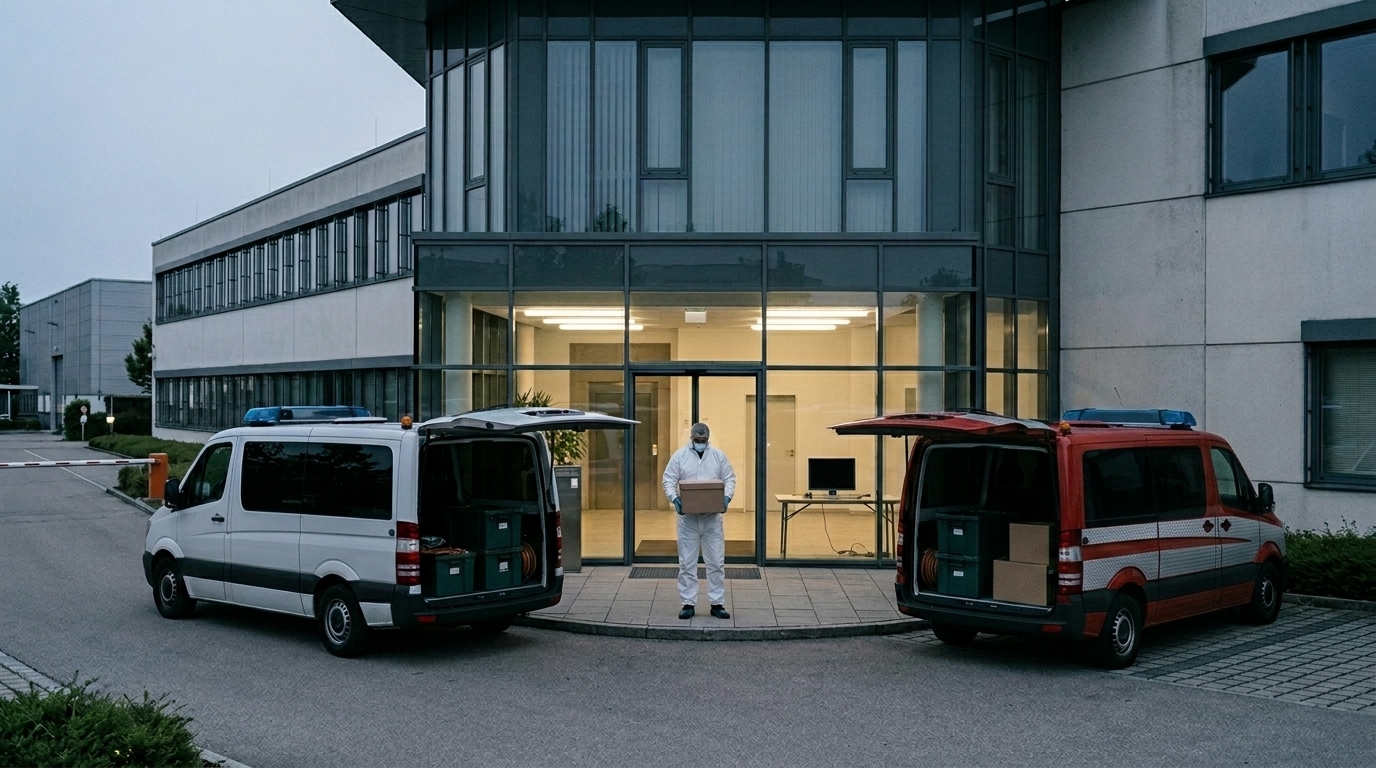
Germany's fintech darling collapsed in 2020, exposing €1.9 billion accounting fraud and regulatory failure.
Sign in to bookmark, follow, and message the contributor.
Executive Summary
Wirecard AG, once a DAX-listed payment processor valued at €24 billion, imploded in June 2020 after admitting €1.9 billion in cash probably never existed. The scandal exposed persistent whistleblower warnings ignored for years, complicity by auditor EY, inaction by German financial regulator BaFin, and alleged collusion between executives and organized crime. It became Europe's largest accounting fraud since Parmalat.
- 01.Senior BaFin officials held undisclosed equity positions in Wirecard during active oversight period, 2017–2019.
- 02.Encrypted communications between Marsalek and Eastern European intelligence operatives seized by Austrian authorities remain classified.
- 03.Shell companies receiving Wirecard funds traced to networks previously flagged in Organized Crime and Corruption Reporting Project investigations.
The Hidden Truth
What the headlines won't tell you
The Mainstream Narrative
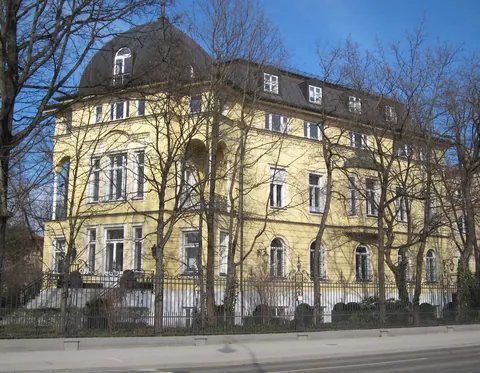
Wirecard AG, a German payment processing and financial services company headquartered in Munich, filed for insolvency on June 25, 2020, after disclosing that €1.9 billion in cash—representing roughly a quarter of its balance sheet—likely did not exist. The company's CEO Markus Braun resigned and was arrested on suspicion of market manipulation and accounting fraud. Wirecard's auditor, Ernst & Young (EY), refused to sign off on the 2019 accounts after trustee banks in the Philippines failed to confirm the existence of escrow accounts. Jan Marsalek, the company's chief operating officer, disappeared and remains a fugitive. German prosecutors launched criminal investigations, and the collapse wiped out billions in shareholder value, triggering lawsuits and parliamentary inquiries across Europe.
Under-Reported Dimensions
Journalists at the Financial Times, led by Dan McCrum, published investigations as early as 2015 alleging accounting irregularities, fabricated revenues in Asian subsidiaries, and ties to dubious intermediaries. Rather than investigate Wirecard, Germany's financial regulator BaFin filed a criminal complaint against the FT journalists in 2019 for alleged market manipulation and imposed a two-month ban on short-selling Wirecard stock. Internal whistleblowers and forensic accounting reports commissioned by law firm Rajah & Tann in Singapore in 2018 documented forged contracts and phantom revenues, yet these were dismissed by Wirecard's board and EY. KPMG's special audit in 2020 found it could not verify €1 billion in reported profits. Multiple European financial regulators had been alerted but failed to act, exposing systemic regulatory capture and conflicts of interest within BaFin, whose president Felix Hufeld resigned in 2021 amid the scandal.
Credible Dissenting Voices
Dan McCrum, the Financial Times investigative journalist, consistently challenged Wirecard's legitimacy, facing legal threats and surveillance attempts orchestrated by the company. Pav Gill, a former Wirecard compliance officer in Singapore, blew the whistle in 2018 on fabricated transactions but was dismissed; his allegations were later vindicated. Matthew Earl, an independent forensic analyst and short-seller, publicly documented Wirecard's suspicious accounting practices and connections to organized crime figures in 2016. German parliamentarian Fabio De Masi led the Bundestag inquiry into the scandal, criticizing BaFin's protection of Wirecard and calling for structural reforms. Academic researchers at the Technical University of Munich and the University of Mannheim published analyses showing that Wirecard's reported margins and growth rates were statistically implausible compared to industry peers, flagging red flags visible in public filings for years.
Follow the Money
Wirecard's business model relied on inflating transaction volumes through fake third-party acquirers (TPAs) in Southeast Asia, booking phantom revenues that justified rising stock prices and executive bonuses. Braun and Marsalek allegedly siphoned hundreds of millions through shell companies and encrypted loans. EY collected over €100 million in audit fees over a decade while failing to verify the existence of key assets; the firm now faces multi-billion-euro lawsuits from investors. BaFin officials held personal investments in Wirecard stock during the period they were tasked with oversight, creating direct conflicts of interest. German banks including Commerzbank and DZ Bank extended billions in credit despite warnings, profiting from fees and underwriting. Intelligence agencies later revealed Marsalek had cultivated ties with Russian and Austrian intelligence operatives, allegedly using Wirecard infrastructure for money laundering. Institutional investors, including pension funds and asset managers, lost over €10 billion; bankruptcy administrators have recovered only a fraction.
Open Questions
Where is Jan Marsalek, and which foreign intelligence services may be sheltering him? Why did EY fail to perform basic verification of bank balances and third-party contracts for over a decade, and were auditors complicit or merely negligent? What role did BaFin's leadership play in actively protecting Wirecard from scrutiny, and were there corrupt relationships between regulators and company executives? How much money was laundered through Wirecard's payment infrastructure for organized crime, terrorist financing, or state actors, and which counterparties were involved? Why did German banking regulators and the Bundesbank not flag obvious discrepancies in Wirecard's regulatory filings? What reforms have actually been implemented in European financial oversight to prevent similar frauds, and are they sufficient?
Case Timeline
- 2015CREDIBLE REPORTINGFinancial Times publishes first investigative reports alleging accounting fraud at Wirecard.Dan McCrum's early investigations cited suspicious round-sum accounting entries and revenues from Asian third-party acquirers that could not be independently verified.
- 2016CREDIBLE REPORTINGAnalyst Matthew Earl releases forensic report linking Wirecard to organized crime and phantom revenues.Earl's open-source forensic analysis identified circular transactions through Dubai entities and alleged links to money laundering networks in Southeast Asia.
- 2018PRIMARY SOURCEInternal whistleblower Pav Gill reports forged contracts and fake transactions; dismissed by management and EY.Gill, a senior compliance officer in Wirecard's Singapore office, provided documented evidence of backdated contracts with merchant clients that generated no actual payment volume.
- 2019GOVERNMENT RECORDBaFin files criminal complaint against FT journalists and bans short-selling of Wirecard stock.BaFin's short-selling ban and criminal referral represented an unprecedented regulatory action against journalists rather than the company they were investigating.
- 2020-04PRIMARY SOURCEKPMG special audit unable to verify €1 billion in profits; finds forged documents.KPMG's independent review identified that third-party partner contracts lacked confirmable underlying merchant relationships and showed signs of systematic document forgery.
- 2020-06-18CORROBORATEDEY refuses to sign 2019 audit; €1.9 billion in cash confirmed missing.Philippine banks BDO and BPI formally denied holding the purported escrow accounts, contradicting trustee confirmations Wirecard had presented to EY in prior years.
- 2020-06-19COURT RECORDCEO Markus Braun resigns; arrested on suspicion of fraud.Munich prosecutors charged Braun with organized commercial fraud, market manipulation, and criminal breach of trust involving balance sheet inflation since at least 2015.
- 2020-06-22CREDIBLE REPORTINGCOO Jan Marsalek disappears; last known location Austria, suspected in Russia.Open-source intelligence investigations traced Marsalek's likely escape route through Austria to Belarus with suspected assistance from Russian intelligence services.
- 2020-06-25COURT RECORDWirecard files for insolvency; stock delisted from DAX index.The insolvency filing revealed €3.5 billion in liabilities to creditor banks including Commerzbank, ABN AMRO, and Japanese institutions that had extended credit based on fraudulent financials.
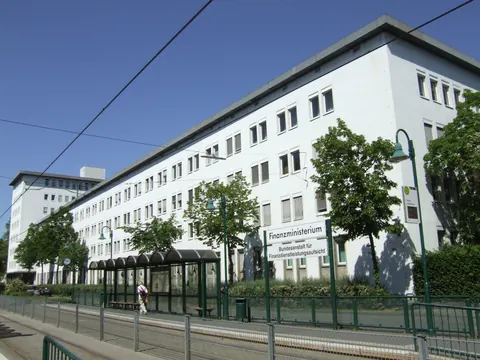
- 2021GOVERNMENT RECORDGerman parliamentary inquiry concludes BaFin and government agencies failed in oversight duties.The Bundestag inquiry documented that Finance Ministry officials had received multiple credible warnings about Wirecard between 2016-2019 but took no enforcement action.
- 2022COURT RECORDCriminal trial of Markus Braun begins in Munich; Braun denies wrongdoing.Braun's defense argued he was deceived by Marsalek and third-party trustees, claiming the missing billions resulted from a sophisticated international conspiracy against Wirecard.
- 2023GOVERNMENT RECORDInvestigations expand into EY's audit practices; firm faces multi-billion-euro civil lawsuits.German regulators found EY failed to adequately verify third-party confirmations and issued inadequate qualified opinions despite red flags documented in audit work papers spanning multiple years.
Key People
Organizations
Evidence Library
- documentDOC-W1Financial Times Investigative Series on Wirecard (2015-2020)
Multi-year investigation by Dan McCrum documenting forged contracts, fabricated revenues from Asian subsidiaries, and suspicious round-sum accounting. These reports provided the most detailed public evidence of fraud years before regulatory action, facing legal threats and regulatory backlash from German authorities.
- documentpartial redactionDOC-W2Rajah & Tann Forensic Report (2018)
Singapore law firm's internal investigation commissioned by whistleblowers found systematic forgery of merchant contracts and fabricated transaction volumes in Wirecard's Asian operations. The report was dismissed by Wirecard's board and auditor EY despite documentary evidence of fraud.
- documentDOC-W3KPMG Special Audit Report (April 2020)
Independent forensic audit commissioned by Wirecard found it could not verify €1 billion in reported profits and identified forged documents supporting third-party acquirer relationships. KPMG's inability to confirm cash balances or revenue streams foreshadowed the collapse two months later.
- testimonyTEST-W1Pav Gill Whistleblower Account (2018-2020)
Wirecard compliance officer in Singapore provided detailed testimony about forged contracts, backdated agreements, and phantom merchants generating reported revenues. Gill's complaints to management and EY were ignored, leading to his dismissal and subsequent cooperation with prosecutors.
- documentDOC-W4Philippine Bank Denial Letters (June 2020)
BDO Unibank and Bank of the Philippine Islands formally denied holding escrow accounts allegedly containing €1.9 billion on behalf of Wirecard trustees. These letters directly contradicted bank confirmations previously presented to auditor EY and exposed systematic falsification of audit evidence.
- court filingCOURT-W1Munich Public Prosecutor's Criminal Indictment of Markus Braun (2020)
Formal charges against Wirecard CEO for organized commercial fraud, market manipulation, and criminal breach of trust dating to 2015. Indictment alleges systematic inflation of revenues and assets through fictitious third-party business and coordinated document forgery involving multiple executives.
- documentDOC-W5German Bundestag Wirecard Inquiry Final Report (2021)
Parliamentary investigation concluded BaFin and Finance Ministry ignored repeated credible warnings, prioritized protecting a German DAX company over investor protection, and demonstrated regulatory capture. Report documented that officials had intelligence about fraud as early as 2016 but failed to investigate.
- documentDOC-W6Bellingcat Investigation: Jan Marsalek's Escape Route and Intelligence Connections
Open-source intelligence investigation traced Wirecard COO's escape through Austria to Belarus using flight records and border data. Evidence suggests possible assistance from Russian intelligence services and prior contacts with GRU operatives, raising questions about espionage dimensions of the scandal.
Sources
Trace the trail yourself
Investigation Network

Live Discussion
0 Perspectives
Add to the record. Be specific. Cite where you can.
If you're learning about this topic for the first time, these are the best places to continue — documented evidence and historical relationships are the guide.
Named in “Wirecard Collapse”.
Read more dossiers like this
Get a quiet one-line bulletin when new investigative files are published. Bound to this dossier — useful for tracking follow-ups.