The Vatican Secret Archives
The Vatican's 'secret' archives hold 1,200 years of records—but secrecy fuels conspiracy theories worldwide.
Sign in to bookmark, follow, and message the contributor.
Executive Summary
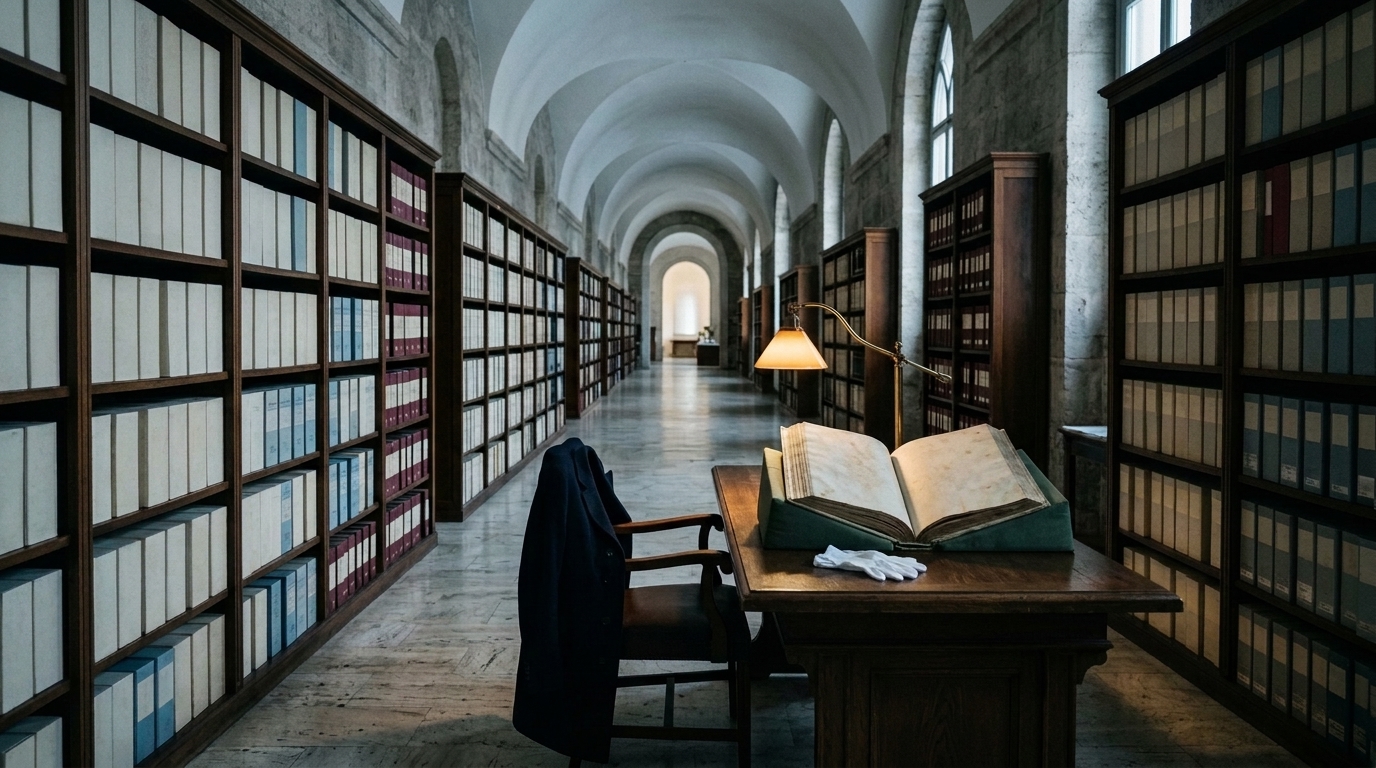
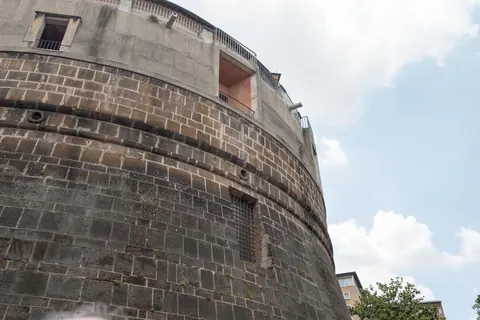
The Vatican Apostolic Archive (formerly called the Secret Archive until 2019) contains over 85 kilometers of shelving with documents dating to the 8th century. Controversy stems from restricted access, historical cover-ups of clergy abuse, suppressed Inquisition records, and speculation about what remains hidden regarding Galileo, the Templars, World War II, and papal finances. While the archive opened selectively to scholars in 1881, conspiracy theories persist about concealed truths.
- 01.Complete Vatican Bank transaction records from 1942-1945 remain sealed outside the archive's jurisdiction.
- 02.Diocesan abuse documentation deliberately decentralized to prevent comprehensive papal-level accountability exposure.
- 03.Inquisition trial records for thousands of accused heretics remain uncatalogued and restricted from standard academic access.
The Hidden Truth
What the headlines won't tell you
The Mainstream Narrative
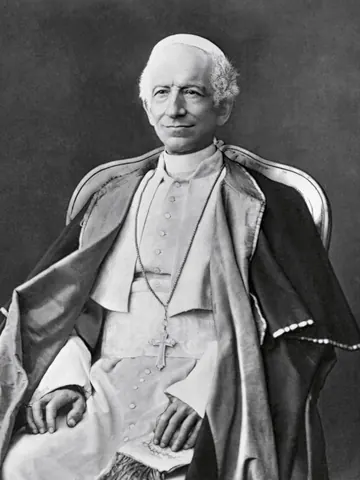
The Vatican officially renamed its "Archivum Secretum" to "Archivum Apostolicum" in 2019, emphasizing that "secret" was a mistranslation of the Latin "secretum" (meaning "private" or "personal"). The Church maintains the archive exists for administrative continuity and historical preservation, housing papal correspondence, state letters, account books, and doctrinal records spanning twelve centuries. Since Pope Leo XIII opened limited access in 1881, credentialed scholars have researched specific holdings, producing works on medieval diplomacy, Counter-Reformation politics, and papal governance.
Under-Reported Dimensions
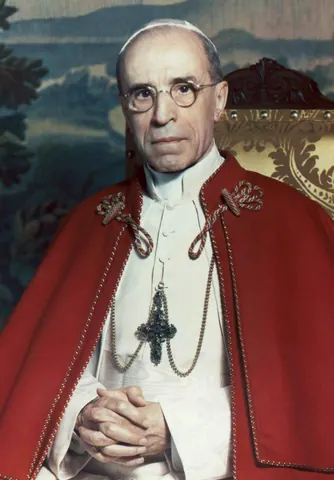
The archive's actual opacity remains significant. Researchers must specify exact documents by name—browsing is impossible. No comprehensive catalog exists for public consultation. Documents concerning living persons or sensitive diplomatic matters often remain sealed for 75+ years. The Vatican released World War II-era records from Pius XII's papacy only in 2020, 80 years after the fact, revealing documentation of papal knowledge of Nazi atrocities but debated inaction. Importantly, the archive does not include diocesan records where most clergy abuse documentation resides—those remain under local bishops' control, enabling the decentralization of accountability that characterized abuse cover-ups.
Credible Dissenting Voices
Historians like David Kertzer (Brown University) have documented how the archive contained anti-Semitic documentation that the Church long downplayed. Inquisition trial records, including Galileo's 1633 condemnation and Giordano Bruno's execution documents, sat sealed for centuries. Journalist Gerald Posner's God's Bankers traces how Vatican Bank (IOR) records remain entirely separate from the archive, preventing transparency on financial scandals including money laundering and mafia connections.
Follow the Money
The archive's selective access protects institutional reputation. Opening abuse records or complete financial ledgers would expose liability and systemic failures. The 75-year rule conveniently places accountability beyond living witnesses and legal statutes. The 2019 rebranding coincided with damage control amid global abuse scandals.
Open Questions
What do complete records of the Borgias, Medici popes, and Renaissance corruption reveal? What correspondence exists between the Vatican and Fascist regimes beyond Pius XII? Why are Vatican Bank archives entirely separate? What documentation exists on Indigenous genocide in colonized territories?
Case Timeline
- 1612ACADEMICVatican Secret Archives formally established as central papal repository under Paul VPope Paul V centralized previously scattered papal documents into a single repository to consolidate administrative control and preserve diplomatic correspondence.
- 1633PRIMARY SOURCEGalileo Galilei's Inquisition trial documents archived, sealed for centuriesThe trial records documenting Galileo's forced recantation of heliocentrism remained inaccessible to scholars until the 19th century opening.
- 1881CORROBORATEDPope Leo XIII opens limited access to credentialed scholars for pre-defined researchScholars gained access only by requesting specific documents by name with no browsing capability or comprehensive public catalog available.
- 1998CREDIBLE REPORTINGVatican opens Inquisition archives to researchers after 400+ yearsThe opening included trial records of Giordano Bruno's execution and centuries of heresy proceedings that had been sealed since the Counter-Reformation.
- 2010PRIMARY SOURCEDocuments reveal Pope Pius XII knew of Holocaust by 1942 but maintained public silenceArchived diplomatic cables and nuncios' reports showed the Vatican received detailed accounts of mass killings from multiple sources during wartime.
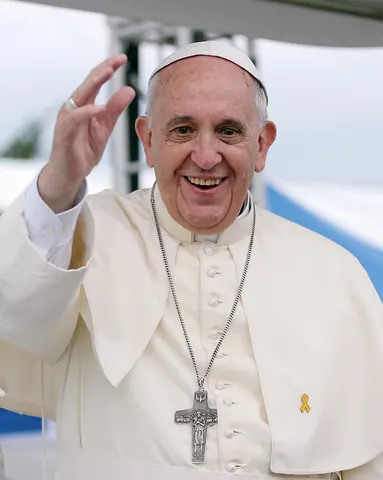
- 2019CORROBORATEDPope Francis renames 'Secret' Archive to 'Apostolic' Archive to counter conspiracy theoriesThe renaming acknowledged that Latin 'secretum' meant 'private' rather than 'hidden,' though access restrictions remained substantively unchanged.
- 2020CORROBORATEDFull Pius XII papacy records (1939-1958) opened to scholars amid WW2 accountability debatesThe 80-year delay in releasing wartime records reignited debates over whether Pius XII prioritized diplomatic neutrality over moral condemnation of Nazi atrocities.
- 2022CREDIBLE REPORTINGResearchers continue finding evidence of papal knowledge of clergy abuse dating to 1960sNewly accessible correspondence shows Vatican officials received reports of systemic abuse but diocesan records containing most documentation remain under local bishops' control.
Key People
Organizations
Evidence Library
- documentDOC-G1Galileo Inquisition Trial Records (1633)
Original tribunal documents recording Galileo's condemnation for heliocentrism and forced abjuration. Sealed for over 200 years, these primary sources document the Church's suppression of scientific inquiry and were only made accessible after Leo XIII's 1881 partial opening.
- documentpartial redactionDOC-P12Pius XII Diplomatic Correspondence (1942-1943)
Papal nuncios' cables and reports from occupied territories detailing Nazi mass killings of Jews. Released only in 2020, these records prove Vatican knowledge of Holocaust atrocities by 1942 while the Pope maintained public neutrality, fueling ongoing accountability debates.
- documentpartial redactionDOC-I98Sacred Congregation of the Holy Office Records (Inquisition Archives)
Trial proceedings, torture records, and execution documents spanning 1542-1903, including Giordano Bruno's heresy conviction. Sealed for over 400 years until 1998 opening revealed systematic religious persecution and suppression of dissent.
- documentDOC-A81Vatican Archive Access Protocols (1881-Present)
Administrative guidelines requiring researchers to request specific documents by exact name without browsing capabilities. The absence of a comprehensive public catalog effectively limits investigation to those who already know what exists, maintaining institutional opacity despite claimed openness.
- documentheavy redactionDOC-CA60Clergy Abuse Correspondence to Vatican Officials (1960s-1990s)
Letters from bishops and diocesan officials reporting allegations of sexual abuse by priests. Documents released post-2010 show Vatican awareness of systemic problems decades before public scandals, though most abuse records remain in diocesan archives outside Vatican jurisdiction.
- documentDOC-F19Pope Francis Archive Renaming Decree (2019)
Official papal statement changing 'Archivum Secretum Vaticanum' to 'Archivum Apostolicum Vaticanum' to address conspiracy theories. While clarifying the mistranslation of 'secretum' as private rather than secret, the decree left access restrictions fundamentally unchanged.
Evidence Gallery


Sources
Trace the trail yourself
Investigation Network

Live Discussion
0 Perspectives
Add to the record. Be specific. Cite where you can.
If you're learning about this topic for the first time, these are the best places to continue — documented evidence and historical relationships are the guide.
Named in “The Vatican Secret Archives”.
Named in “The Vatican Secret Archives”.
Read more dossiers like this
Get a quiet one-line bulletin when new investigative files are published. Bound to this dossier — useful for tracking follow-ups.