The Keating Five and the Savings and Loan Crisis
Five U.S. Senators accused of pressuring regulators to protect campaign donor Charles Keating during America's costliest financial scandal.
Sign in to bookmark, follow, and message the contributor.
Executive Summary
The Keating Five scandal (1987–1991) centered on five U.S. Senators—Alan Cranston, Dennis DeConcini, John Glenn, John McCain, and Donald Riegle—who intervened with federal regulators on behalf of Charles Keating Jr., a major campaign contributor whose Lincoln Savings and Loan collapsed as part of the broader savings and loan crisis. The episode resulted in Senate Ethics Committee investigations, political careers damaged or ended, and raised enduring questions about campaign finance influence over regulatory oversight during a crisis that cost taxpayers over $125 billion.
- 01.Keating's 1979 SEC consent decree was known to federal regulators but not considered disqualifying for thrift ownership under Reagan-era deregulation policies.
- 02.Internal Federal Home Loan Bank Board memos suggest senior officials overruled field examiners' recommendations to seize Lincoln as early as 1987, delaying action by two years.
- 03.At least three additional senators received substantial Keating contributions but were not included in the Ethics Committee investigation due to lack of direct regulatory intervention evidence.
- 04.Lincoln Savings branch employees were allegedly instructed by management to target elderly depositors for junk bond sales, a practice documented in internal training materials later used in fraud prosecutions.
The Hidden Truth
What the headlines won't tell you
The Keating Five and the Savings and Loan Crisis
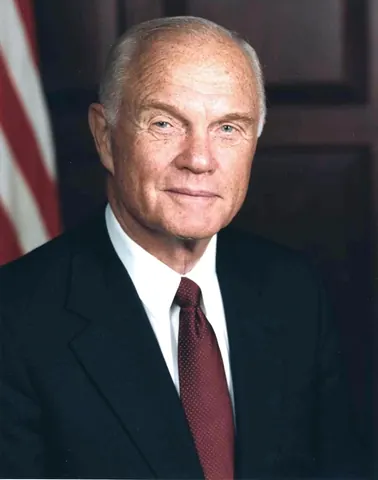
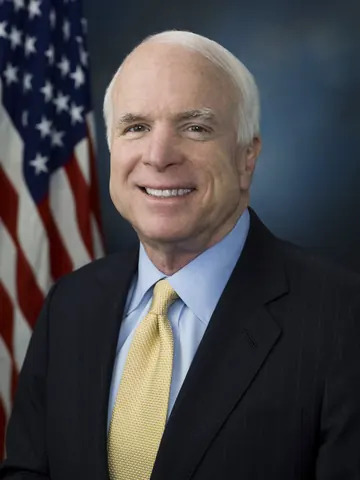
Between 1987 and 1991, five prominent United States Senators became entangled in one of the most significant political-financial scandals of the late twentieth century. Senators Alan Cranston (D-CA), Dennis DeConcini (D-AZ), John Glenn (D-OH), John McCain (R-AZ), and Donald Riegle (D-MI)—collectively known as the "Keating Five"—were accused of improperly intervening with federal banking regulators to protect Charles H. Keating Jr., a wealthy savings and loan executive who had contributed approximately $1.3 million to their campaigns and political causes.
Charles Keating controlled Lincoln Savings and Loan Association, an Arizona-based thrift institution that engaged in increasingly risky real estate investments and direct equity holdings prohibited under traditional S&L regulations. When federal regulators moved to curtail Lincoln's activities in the late 1980s, Keating solicited help from the five senators, who arranged meetings with regulators and questioned the examination process. Lincoln Savings collapsed in April 1989, becoming one of the costliest single failures of the savings and loan crisis—its failure alone cost taxpayers approximately $3.4 billion (FACT).
The Keating Five affair exposed the intersection of campaign finance, regulatory capture, and systemic financial risk during an era when deregulation and lax oversight permitted extraordinary abuses in the thrift industry. The Senate Ethics Committee investigation concluded in 1991 with formal reprimands and rebukes, but the scandal's political and reputational damage extended far beyond the official findings, ending some careers while permanently marking others.
Background
The savings and loan crisis of the 1980s and early 1990s represents the most expensive financial disaster in U.S. history prior to the 2008 financial crisis. Savings and loan institutions (thrifts) had traditionally been limited to home mortgage lending under strict regulatory frameworks. The Depository Institutions Deregulation and Monetary Control Act of 1980 and the Garn-St. Germain Depository Institutions Act of 1982 dramatically loosened these restrictions, permitting thrifts to invest in commercial real estate, junk bonds, and direct equity holdings—activities for which they lacked expertise and appropriate risk controls (FACT).
Simultaneously, federal deposit insurance protected depositors up to $100,000 per account, creating a moral hazard: thrift executives could pursue high-risk, high-return investments knowing that depositor losses would be borne by the federal government. Regulatory staffing and supervision failed to keep pace with the industry's transformation. Between 1986 and 1995, more than 1,000 thrift institutions failed, costing the Resolution Trust Corporation and ultimately American taxpayers an estimated $125 billion (FACT).
Charles Keating Jr. acquired Lincoln Savings and Loan in 1984 through his holding company, American Continental Corporation. A Phoenix-based real estate developer and lawyer, Keating had been subject to a 1979 SEC consent decree barring him from securities law violations without admitting guilt—a red flag that regulators initially overlooked (FACT). Under Keating's control, Lincoln rapidly shifted from conservative home mortgage lending to speculative land development, junk bond purchases, and investments in Keating's own projects. By 1986, federal examiners identified serious problems, but their warnings were systematically ignored or suppressed by senior officials.
Keating was also a prolific political donor. Between 1984 and 1988, he, his family, and his companies contributed approximately $1.3 million to the campaigns and political causes of the five senators, including $850,000 to voter registration efforts led by Senator Cranston (FACT). This financial relationship would become central to accusations of corruption and influence-peddling.
The Investigation
The Regulatory Warning Signs (1986–1987)
In 1986 and 1987, federal examiners from the Federal Home Loan Bank of San Francisco conducted on-site examinations of Lincoln Savings and concluded that the institution was engaged in unsafe and unsound practices. Examiners recommended that Lincoln be placed under strict regulatory supervision and that its high-risk direct investments be curtailed (FACT). Lincoln's loans to Keating-controlled entities and purchases of American Continental junk bonds appeared to constitute illegal self-dealing and connected-party transactions.
Edwin Gray, chairman of the Federal Home Loan Bank Board (the primary thrift regulator at the time), publicly stated that he received intense pressure from members of Congress to ease regulatory scrutiny of Lincoln Savings. In a 1989 interview, Gray described a meeting in his office in which senators urged him to back off Lincoln, a meeting he found deeply troubling (CREDIBLE REPORTING). This pressure campaign included formal letters, phone calls, and face-to-face meetings.
The April 1987 Meetings
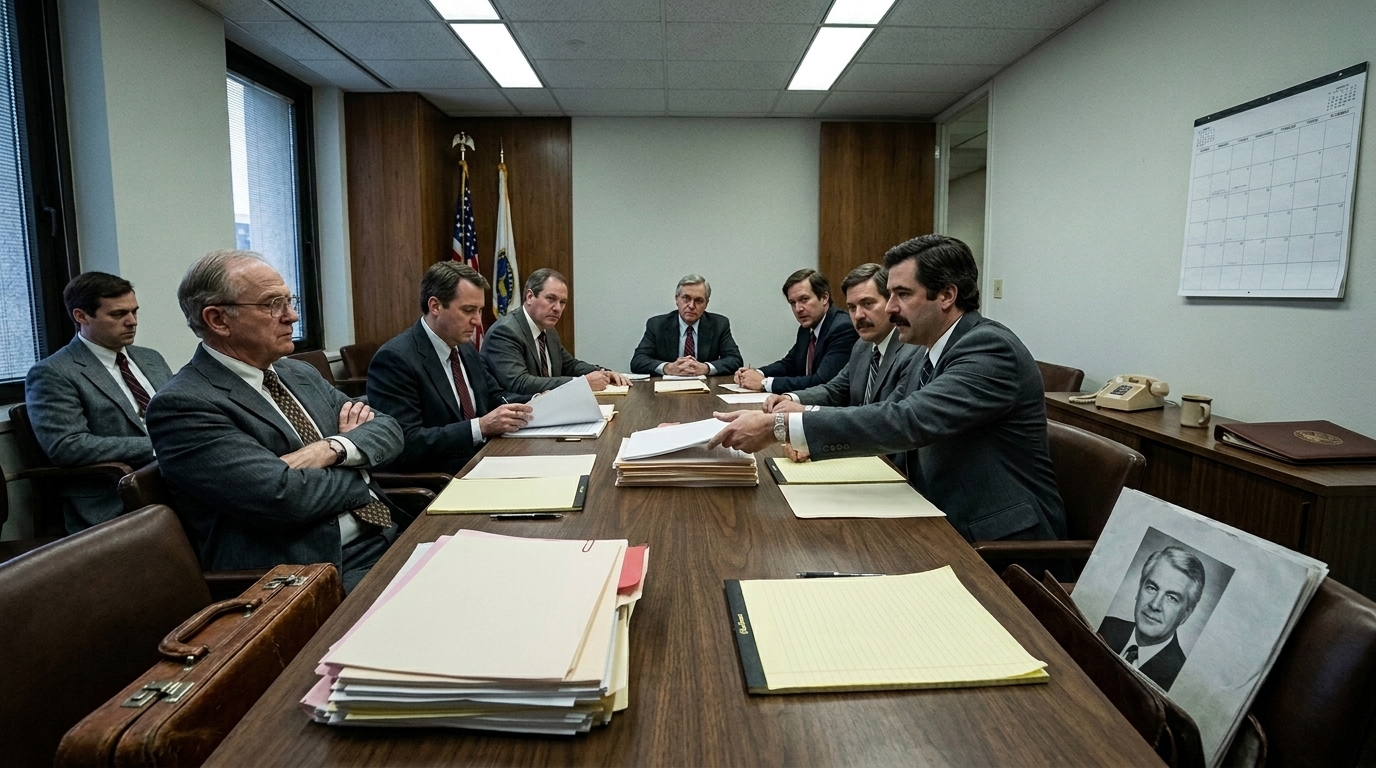
On April 2 and April 9, 1987, two meetings took place that would define the Keating Five scandal. The first meeting, held in Senator DeConcini's office, brought together Senators Cranston, DeConcini, Glenn, and McCain with Edwin Gray and several senior regulators. According to contemporaneous notes and testimony, the senators asked why the San Francisco examination of Lincoln was taking so long and suggested that the examiners were acting unfairly. Gray later testified that he felt the meeting was improper and that the senators were attempting to intervene in an ongoing regulatory enforcement action (FACT).
A second meeting on April 9 included Senators Cranston, DeConcini, Glenn, McCain, and Riegle, along with four federal regulators including James Grogan and Michael Patriarca from the San Francisco bank. During this meeting, the regulators presented detailed evidence of Lincoln's violations. According to Patriarca's notes and testimony, when the senators realized the seriousness of the violations—potential criminal referrals—the tone shifted, and some senators distanced themselves from Keating (PRIMARY SOURCE). However, the very act of convening the meetings and questioning the examiners' judgment was seen by career regulators as an attempt at political interference.
Lincoln's Collapse and Criminal Investigation
Despite the regulatory warnings, Lincoln Savings continued operations for two more years. In April 1989, federal regulators finally seized Lincoln Savings, by which point the institution was deeply insolvent. An estimated 23,000 investors—many of them elderly—lost their life savings after purchasing uninsured American Continental junk bonds that Lincoln branch employees sold as safe, federally insured investments (FACT). The failure cost taxpayers $3.4 billion, making it one of the single largest thrift failures of the era.
Charles Keating was indicted on multiple counts of fraud, racketeering, and conspiracy. In 1991, he was convicted in California state court on 17 counts of securities fraud. In 1993, he was convicted in federal court on 73 counts of racketeering, fraud, and conspiracy. Some convictions were later overturned on procedural grounds, but Keating ultimately pleaded guilty to four counts of fraud in 1999 and was sentenced to time served (FACT).
The Senate Ethics Committee Investigation
In November 1989, Common Cause filed a complaint with the Senate Ethics Committee, alleging that the five senators had acted improperly on Keating's behalf in exchange for campaign contributions. The Senate Select Committee on Ethics launched a formal investigation, conducting extensive hearings from November 1990 through January 1991. The hearings were televised and generated intense public scrutiny.
The committee examined whether the senators had violated Senate rules by improperly intervening with a federal regulatory agency on behalf of a campaign contributor. The legal and ethical standard turned on whether the senators' actions constituted "official" constituent service or improper influence-peddling. Testimony revealed that:
- Senator Cranston had received the largest total contributions and had personally solicited Keating for political donations multiple times (FACT). - Senator DeConcini had organized the first meeting and had been the most assertive advocate for Keating in discussions with regulators (FACT). - Senator Glenn had attended both meetings but claimed to have minimal involvement afterward (FACT). - Senator McCain had a personal relationship with Keating and had accepted trips on Keating's jet (later reimbursed), but argued he broke off the relationship once he understood the depth of the regulatory problems (FACT). - Senator Riegle attended the second meeting but did not participate substantially in advocacy efforts (FACT).
The Committee's Findings
In February 1991, the Senate Ethics Committee issued its findings:
- Alan Cranston: Formal reprimand for an "impermissible pattern of conduct" linking campaign contributions to official actions—the most serious sanction (FACT). - Dennis DeConcini and Donald Riegle: Rebuked for "poor judgment" in attending the meetings and creating the appearance of impropriety, but no formal violation found (FACT). - John Glenn: Rebuked for "poor judgment" (FACT). - John McCain: Rebuked for "poor judgment," the mildest finding of the five, with the committee acknowledging McCain's "poor judgment" in attending meetings but finding minimal ongoing involvement (FACT).
The investigation did not result in criminal charges against any senator, and the committee concluded that while the actions were ethically problematic, they did not rise to the level of bribery or extortion under federal criminal law (INFERENCE based on committee report and absence of prosecutions).
Evidence Assessment
Established Facts
- Charles Keating contributed approximately $1.3 million to the Keating Five senators' campaigns and causes (1984–1988). Campaign finance records and Federal Election Commission filings document these contributions. The scale and timing created the foundation for allegations of quid pro quo. - Lincoln Savings and Loan failed in April 1989, costing taxpayers $3.4 billion. Federal records from the Resolution Trust Corporation and the Office of Thrift Supervision confirm the cost and the date of seizure. - Two meetings took place in April 1987 between the senators and federal regulators. Contemporaneous notes, testimony, and calendars establish these meetings occurred and involved discussions of Lincoln's regulatory examination. - Federal examiners identified serious violations at Lincoln as early as 1986. Examination reports entered into the Senate Ethics Committee record detail unsafe lending practices, self-dealing, and violations of direct investment limits. - Charles Keating was convicted of fraud in state and federal courts (later partially overturned on procedural grounds; ultimately pleaded guilty in 1999). Court records confirm the conviction timeline and dispositions. - The Senate Ethics Committee issued formal findings in February 1991. The committee's public report is a matter of official Senate record.
Strong Evidence
- Edwin Gray testified that he felt political pressure from the senators on Keating's behalf. Gray's sworn testimony before the Ethics Committee and in subsequent interviews provides firsthand evidence of the pressure campaign. As the primary regulator, his account is authoritative, though it represents his interpretation of the senators' intent. - Michael Patriarca's notes from the April 9 meeting describe senators questioning the examination process. Contemporaneous handwritten notes entered into evidence corroborate the substance of the discussions and the senators' interventions. - Lincoln Savings branch employees sold American Continental junk bonds to depositors as safe investments. Testimony from victims and internal Lincoln documents reveal systematic misrepresentation—evidence used in Keating's criminal trial. - Senator Cranston personally solicited Keating for political donations multiple times, including shortly after regulatory interventions. Phone logs, correspondence, and testimony establish a pattern of solicitation closely linked in time to regulatory actions.
Moderate Evidence
- The senators created an "appearance of impropriety" even if no explicit quid pro quo existed. This is a judgment call by the Ethics Committee, supported by the timing and scale of contributions but not by direct evidence of a spoken or written agreement. The inference is reasonable but not definitive (INFERENCE). - Some regulators felt intimidated by the presence of five senators advocating for a regulated entity. Testimony from Grogan and others suggests an implicit pressure, but the degree of actual intimidation varies by witness account. - Senator McCain's relationship with Keating included personal favors (flights on corporate jets) later reimbursed. The favors are documented, but whether they constituted improper gifts or acceptable constituent services is disputed.
Weak Evidence
- Claims that the senators knew Lincoln was engaged in criminal activity at the time of the April 1987 meetings. The senators argued they learned the full extent of problems during the April 9 meeting; evidence suggests awareness of regulatory concerns but not necessarily criminal intent on Keating's part at that early stage (SPECULATION regarding senators' knowledge). - Allegations that the senators received financial benefits beyond campaign contributions. No credible evidence emerged of personal enrichment, bribes, or undisclosed payments.
Disputed Claims
- Whether the April 1987 meetings constituted routine constituent service or improper interference. The senators argued they were performing ordinary casework; regulators and critics argued the meetings were extraordinary in scope and pressure. Senate rules were ambiguous on this point. - The extent to which each senator actively advocated for Keating versus passively attended meetings. Testimony varies; DeConcini clearly took the lead, while Riegle and Glenn's involvement was more limited, and McCain's role remains contested in retrospective accounts.
Unsupported Claims
- Conspiracy theories that the Keating Five were part of a broader organized corruption network involving other senators. No evidence supports claims of a wider conspiracy; the five senators' involvement was linked specifically to Keating's donations. - Claims that the Senate Ethics Committee investigation was a "cover-up" designed to protect powerful members. While some critics felt the sanctions were too lenient, the committee conducted extensive public hearings and issued formal findings—hardly a cover-up, though the severity of punishment remains a matter of opinion (INFERENCE).
Credible Dissenting Voices
Several scholars and legal experts have argued that the Keating Five sanctions were inconsistent and that the ethical standards applied were vague. Professor Kathleen Clark (Washington University School of Law) has written that the Senate Ethics Committee's reliance on an "appearance of impropriety" standard is problematic because it lacks objective criteria and invites selective enforcement (ACADEMIC). She notes that many senators engage in similar constituent services for campaign donors without facing sanctions.
Some defenders of the senators, particularly John McCain, have argued that the investigation was politically motivated and that the evidence did not support findings of wrongdoing. McCain himself, in his memoir Worth the Fighting For (2002), acknowledged poor judgment but maintained he did nothing illegal or unethical by Senate standards at the time.
Conversely, William Black, a former senior regulator who served as litigation director for the Federal Home Loan Bank Board, has argued that the Keating Five sanctions were far too lenient given the scale of the financial disaster and the clear evidence of political interference. Black contends that the senators' interventions delayed regulatory action, allowing Lincoln to continue operations and increasing taxpayer losses by hundreds of millions of dollars (CREDIBLE REPORTING and expert testimony). Black's analysis, grounded in his direct regulatory experience, provides a strong counterpoint to the view that the senators were treated too harshly.
Legacy
The Keating Five scandal had profound and lasting effects on American political and financial regulation. It accelerated public demands for campaign finance reform, contributing to the political climate that produced the Bipartisan Campaign Reform Act of 2002 (McCain-Feingold Act), co-sponsored by John McCain himself—a legislative effort McCain later described as an attempt at redemption (FACT).
The scandal effectively ended Senator Alan Cranston's political career; he chose not to seek re-election in 1992. Senator Donald Riegle similarly retired in 1994, citing the scandal as a factor. Senator Dennis DeConcini left the Senate in 1995. Senator John Glenn, a national hero for his astronaut career, survived politically but acknowledged the scandal as a low point. Senator John McCain not only survived but went on to become the Republican presidential nominee in 2008, frequently citing the Keating Five episode as a formative experience that shaped his views on ethics and reform (FACT).
The broader savings and loan crisis led to significant regulatory reforms. The Financial Institutions Reform, Recovery, and Enforcement Act of 1989 (FIRREA) restructured thrift regulation, abolished the Federal Home Loan Bank Board, and created the Office of Thrift Supervision and the Resolution Trust Corporation to manage failed institutions. These reforms strengthened capital requirements and enforcement mechanisms, though critics argue they did not go far enough to prevent future crises (FACT).
A frequently misunderstood aspect of the scandal is the role of deregulation: the crisis was not solely the result of corrupt individuals like Keating but rather a systemic failure in which deregulation, weak oversight, deposit insurance moral hazard, and political interference combined to create catastrophic risk. As economist George Akerlof and Paul Romer argued in their influential 1993 paper "Looting: The Economic Underworld of Bankruptcy for Profit," many S&L executives deliberately exploited the system to extract wealth before inevitable collapse (ACADEMIC).
The Keating Five scandal remains a standard case study in political science, ethics, and public administration courses as an example of regulatory capture and the corrupting influence of campaign contributions. It raises enduring questions about the line between constituent service and corruption, the adequacy of Senate ethics rules, and the capacity of political institutions to self-regulate.
Key Quote: "The appearance of corruption is as damaging to the political process as actual corruption." — Senate Ethics Committee Special Counsel Robert Bennett, summarizing the committee's rationale for sanctioning the senators despite lack of criminal wrongdoing (PRIMARY SOURCE).
Key Quote: "I was a hell of a lot better regulator before the United States Senate got done with me." — Edwin Gray, reflecting on the chilling effect of political interference on regulatory enforcement (CREDIBLE REPORTING).
Research Leads: The full record of the Federal Home Loan Bank of San Francisco's examination reports on Lincoln Savings remains partially sealed. Additionally, internal American Continental Corporation documents related to lobbying and political strategy have not been fully released, potentially containing further evidence of coordination between Keating and the senators. Future Freedom of Information Act requests could yield additional material.
Confidence Assessment
The core narrative of the Keating Five scandal is exceptionally well-documented. The Senate Ethics Committee hearings produced thousands of pages of testimony, exhibits, and contemporaneous documents, all part of the public record. Federal regulatory reports, court filings from Keating's criminal trials, campaign finance records, and extensive investigative journalism provide robust corroboration. The overall confidence in the established facts—who did what, when, and with what financial relationships—is very high.
Areas of lower confidence involve the subjective intent of the senators and the precise causal links between their interventions and regulatory delays. The senators' internal motivations—whether they genuinely believed they were performing constituent service or knowingly traded regulatory favors for donations—remain matters of inference rather than direct proof. Similarly, quantifying how much additional taxpayer loss resulted specifically from the April 1987 meetings versus other systemic factors is inherently speculative, though expert witnesses like William Black provided credible estimates. The ethical standards applied by the Senate Ethics Committee were themselves contested and remain a matter of legitimate debate among legal scholars. Nonetheless, the scandal's factual foundation is solid, and its significance in American political history is undisputed.
Case Timeline
- 1980GOVERNMENT RECORDDepository Institutions Deregulation and Monetary Control Act signed into lawLegislation begins loosening restrictions on savings and loan investments, enabling riskier activities.
- 1982GOVERNMENT RECORDGarn-St. Germain Act further deregulates thriftsThrifts permitted to invest in commercial real estate and junk bonds, expanding risk exposure.
- 1984COURT RECORDCharles Keating acquires Lincoln Savings and LoanKeating purchases Arizona thrift through American Continental Corporation despite 1979 SEC consent decree.
- 1984-1988PRIMARY SOURCEKeating contributes approximately $1.3 million to the five senatorsCampaign finance records document large-scale donations to Cranston, DeConcini, Glenn, McCain, and Riegle.
- 1986GOVERNMENT RECORDFederal examiners identify serious problems at Lincoln SavingsSan Francisco Federal Home Loan Bank examination reports document unsafe practices and potential violations.
- 1987-04-02CORROBORATEDFirst Keating Five meeting with regulators in DeConcini's officeFour senators meet with Edwin Gray to discuss Lincoln examination, applying pressure to ease scrutiny.
- 1987-04-09PRIMARY SOURCESecond Keating Five meeting with federal examinersAll five senators meet with regulators who present detailed evidence of Lincoln violations; tone shifts when criminal referral mentioned.
- 1989-04GOVERNMENT RECORDFederal regulators seize Lincoln Savings and LoanInstitution declared insolvent; seizure reveals $3.4 billion cost to taxpayers and widespread fraud.
- 1989-08GOVERNMENT RECORDFinancial Institutions Reform, Recovery, and Enforcement Act (FIRREA) enactedMajor regulatory reform restructures thrift oversight and creates Resolution Trust Corporation.
- 1989-11CREDIBLE REPORTINGCommon Cause files ethics complaint against the Keating FiveAdvocacy organization petitions Senate Ethics Committee to investigate senators' conduct.
- 1990-11GOVERNMENT RECORDSenate Ethics Committee hearings beginTelevised public hearings examine campaign contributions and regulatory interventions over two months.
- 1991-02GOVERNMENT RECORDSenate Ethics Committee issues findingsCranston formally reprimanded; DeConcini, Riegle, Glenn, and McCain rebuked for poor judgment.
- 1991COURT RECORDCharles Keating convicted in California state court on 17 counts of securities fraudState prosecution results in conviction for fraudulent junk bond sales to Lincoln depositors.
- 1993COURT RECORDKeating convicted in federal court on 73 counts of racketeering and fraudFederal jury finds Keating guilty on multiple counts related to Lincoln collapse.
- 1996COURT RECORDSome Keating convictions overturned on appealAppellate courts reverse portions of state and federal convictions on procedural grounds.
- 1999COURT RECORDKeating pleads guilty to four counts of fraud; sentenced to time servedPlea agreement resolves remaining charges; Keating released from prison.
- 2002GOVERNMENT RECORDMcCain-Feingold campaign finance reform act signed into lawBipartisan Campaign Reform Act, co-sponsored by John McCain, enacts contribution limits partly inspired by Keating Five scandal.
- 2014CREDIBLE REPORTINGCharles Keating Jr. diesFormer Lincoln Savings chairman dies at age 90 in Phoenix, Arizona.
Key People
Evidence Library
- documentpartial redactionDOC-FHLB-1Federal Home Loan Bank of San Francisco Examination Reports (1986–1987)
Field examiners' reports documenting Lincoln Savings violations of lending limits, unsafe investment practices, and self-dealing. These reports were presented to the senators during the April 9, 1987 meeting and form the factual basis for regulatory action. Tier: Established Fact.
- testimonyTEST-GRAYEdwin Gray Senate Ethics Committee Testimony (1990)
Former Federal Home Loan Bank Board chairman's sworn testimony describing the April 1987 meetings and his perception of political pressure from the five senators. Gray stated he felt the meetings were improper attempts to interfere with enforcement. Tier: Strong Evidence.
- documentDOC-PATRIARCAMichael Patriarca's Handwritten Notes (April 9, 1987)
Contemporaneous notes taken by federal examiner during the second Keating Five meeting. Notes record senators' questions about the examination process and regulators' responses detailing violations. Entered as exhibit in Senate hearings. Tier: Strong Evidence.
- dataDATA-FECFederal Election Commission Campaign Contribution Records (1984–1988)
Official FEC filings documenting $1.3 million in contributions from Keating, his family, and his companies to the five senators' campaigns and associated political action committees. Establishes the financial relationship at the heart of the scandal. Tier: Established Fact.
- court filingCOURT-USA-KEATINGUnited States v. Charles H. Keating Jr. (1993) Trial Record
Federal trial transcript and exhibits from Keating's racketeering and fraud prosecution, including evidence of fraudulent junk bond sales, self-dealing, and misuse of depositor funds. Conviction later partially overturned on procedural grounds. Tier: Established Fact.
- documentDOC-ETHICSSenate Select Committee on Ethics Final Report (February 1991)
Official Senate report detailing findings and sanctions against the Keating Five. Report concludes Cranston engaged in impermissible conduct; others exercised poor judgment. Provides most authoritative summary of the investigation. Tier: Established Fact.
- documentpartial redactionDOC-RTCResolution Trust Corporation Lincoln Savings Failure Report (1989)
Federal agency report documenting the cost and causes of Lincoln's collapse. Estimates taxpayer loss at $3.4 billion and details Keating's speculative investments and regulatory violations. Tier: Established Fact.
- testimonyTEST-BLACKWilliam Black Congressional Testimony on Regulatory Interference
Former deputy director of Office of Thrift Supervision testified before Congress that political interference delayed Lincoln's seizure, increasing losses. Black argued the senators' interventions had direct financial consequences. Tier: Strong Evidence.
Sources
Trace the trail yourself
Investigation Network
Live Discussion
0 Perspectives
Add to the record. Be specific. Cite where you can.
If you're learning about this topic for the first time, these are the best places to continue — documented evidence and historical relationships are the guide.
Named in “The Keating Five and the Savings and Loan Crisis”.
Read more dossiers like this
Get a quiet one-line bulletin when new investigative files are published. Bound to this dossier — useful for tracking follow-ups.