The Federal Reserve's Secret Creation at Jekyll Island
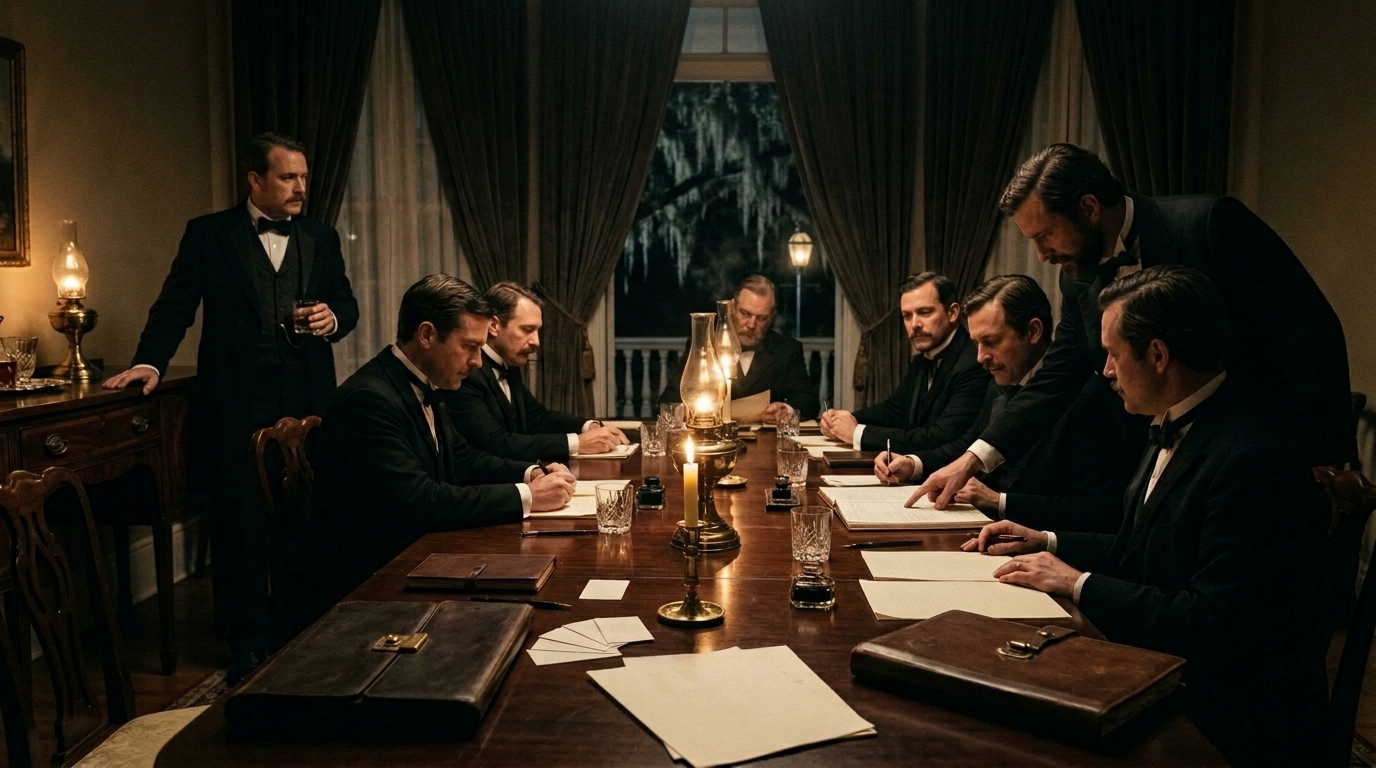
Seven men met in secret on a Georgia island to draft America's central banking system in 1910.
Sign in to bookmark, follow, and message the contributor.
Executive Summary
The Federal Reserve's founding in 1913 followed a clandestine meeting of bankers and government officials at Jekyll Island, Georgia. While historians confirm the meeting occurred, controversy persists over whether this secrecy represented prudent policy planning or a financial elite's conspiracy to control the nation's money supply. The episode raises enduring questions about democratic accountability in central banking and concentrated economic power.
- 01.Attendees controlled assets equivalent to approximately 25% of global GDP and traveled under assumed identities to avoid press detection.
- 02.The New York Federal Reserve Bank's permanent open market operations desk gave Wall Street de facto control over national monetary policy implementation.
- 03.Public disclosure of the meeting's existence was suppressed for six years; participant Frank Vanderlip's confession came 25 years after the fact.
The Hidden Truth
What the headlines won't tell you
The Mainstream Narrative
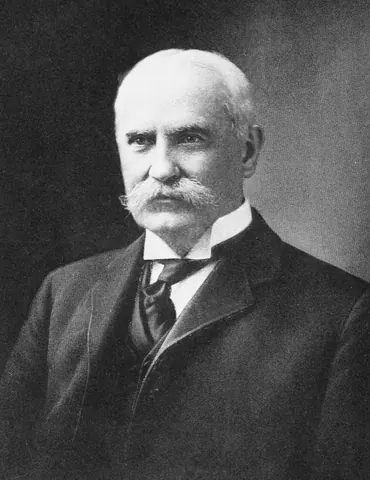
Historians widely acknowledge that in November 1910, Senator Nelson Aldrich and six financial experts traveled under false names to Jekyll Island's exclusive club to draft banking reform legislation. The Federal Reserve Act passed three years later, creating America's central bank. Scholars present this as necessary discretion—complex technical work requiring insulation from political pressure and premature speculation.
Under-Reported Dimensions
The participants represented an extraordinary concentration of financial power: firms controlling roughly one-quarter of the world's wealth attended. The meeting remained unknown to the public and most of Congress until journalist Bertie Charles Forbes revealed it in 1916, and participant Frank Vanderlip confirmed details in 1935. The Aldrich Plan failed initially, but its core architecture survived in the Federal Reserve Act under Wilson. Crucially, the regional Federal Reserve Bank structure obscured Wall Street's influence while providing it substantial control through the New York Fed.
Credible Dissenting Voices
Economists and historians debate the Fed's actual independence. G. Edward Griffin's The Creature from Jekyll Island argues the system privatized money creation for banker profit, though mainstream economists dismiss many claims as conspiratorial. More measured critics like financial historian Ron Paul highlight that private banks own Federal Reserve Banks and receive dividends, creating inherent conflicts. Senator Robert Owen, co-sponsor of the Federal Reserve Act, later claimed the system had been "captured" by the interests it was meant to regulate.
Follow the Money
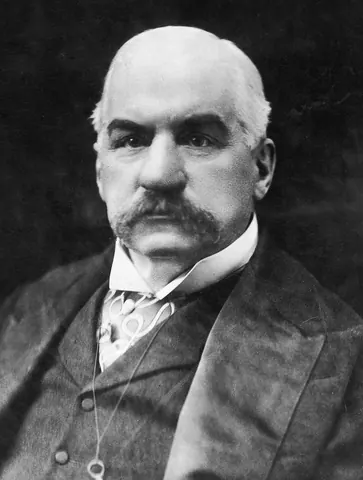
Jekyll Island attendees represented J.P. Morgan, Rockefeller, and Kuhn-Loeb interests. The Federal Reserve system allows private banks to profit from money creation through fractional reserve lending while shifting risk to taxpayers during crises (2008 bailouts exemplify this). The revolving door between Treasury, the Fed, and Wall Street banks continues today.
Open Questions
Why was secrecy deemed necessary if the plan truly served public interest? How much influence do private banks actually wield over monetary policy? Would a genuinely public central bank function differently? The Jekyll Island meeting remains a touchstone for debates about financial power, democratic legitimacy, and whether central banking serves citizens or creditors.
Case Timeline
- 1907CORROBORATEDBanking panic creates momentum for central banking reformThe Panic of 1907 saw J.P. Morgan personally orchestrate private bailouts of failing banks, demonstrating both the fragility of the existing system and the immense power of concentrated private banking interests.
- 1908GOVERNMENT RECORDCongress establishes National Monetary Commission led by Senator AldrichThe Aldrich-Vreeland Act created this commission with $300,000 in funding; Senator Aldrich had close family ties to the Rockefeller family through his daughter's marriage to John D. Rockefeller Jr.
- 1910PRIMARY SOURCESecret Jekyll Island meeting drafts Aldrich Plan for central bank (November)The seven attendees traveled under first names only and posed as duck hunters to avoid press attention; they represented institutions controlling approximately one-quarter of the world's wealth.
- 1912CORROBORATEDAldrich Plan fails in Congress; Democrats win presidency and CongressThe plan faced opposition because Aldrich's Wall Street ties were too obvious and progressive Republicans joined Democrats in rejecting what they perceived as a banker-dominated scheme.
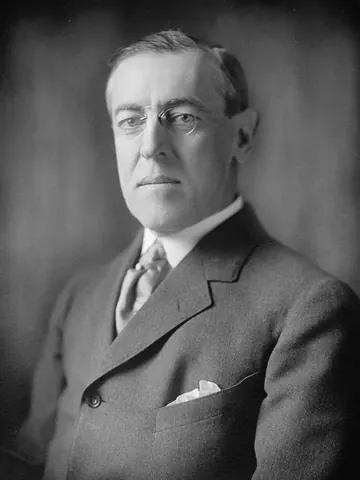
- 1913GOVERNMENT RECORDFederal Reserve Act passes Congress and signed by President Wilson (December 23)The Federal Reserve Act passed the Senate 43-25 (with 27 not voting) during Christmas recess when many legislators had left Washington; the regional structure masked the New York Fed's dominant role.
- 1916CREDIBLE REPORTINGJournalist B.C. Forbes first publicly reveals Jekyll Island meetingForbes, founder of Forbes Magazine, published his account in Leslie's Weekly three years after the meeting, though the revelation received little public attention at the time.
- 1935PRIMARY SOURCEFrank Vanderlip publishes detailed confession of Jekyll Island secret in Saturday Evening PostVanderlip, former president of National City Bank and Jekyll Island participant, described the secret trip in detail and acknowledged the need for secrecy to avoid "premature discussion" that would have killed reform.
- 1994DISPUTEDG. Edward Griffin publishes The Creature from Jekyll Island, popularizing conspiracy theoriesGriffin's book makes unverified claims including that the Federal Reserve deliberately caused the Great Depression; mainstream economists reject his core thesis while acknowledging some factual elements about the Jekyll Island meeting.
Key People
Evidence Library
- documentDOC-A1National Monetary Commission Report (1912)
The official 23-volume report produced by Senator Aldrich's commission after studying European central banking systems. Provided the technical foundation for the Aldrich Plan and later the Federal Reserve Act, though it did not disclose the Jekyll Island meeting's role in drafting the proposal.
- testimonyDOC-A2Frank Vanderlip Saturday Evening Post Confession (1935)
First-person account by a Jekyll Island participant describing the secret 1910 meeting, the use of false names, and the participants' motivations. This primary source confirmed what had been speculation and provided details about how the group worked to draft the banking reform plan.
- documentDOC-A3Congressional Record: Federal Reserve Act Debate (December 1913)
Official transcripts show the bill passed during Christmas recess with significant opposition from both progressive Republicans and rural Democrats who feared Wall Street control. Critics like Charles Lindbergh Sr. warned it established "the most gigantic trust on earth."
- documentDOC-A4B.C. Forbes Article in Leslie's Weekly (1916)
First public revelation of the Jekyll Island meeting by journalist Forbes, identifying the participants and the secret nature of their gathering. This credible reporting was largely ignored by the mainstream press at the time.
- documentDOC-A5Federal Reserve Bank Ownership Structure Documents
Official Federal Reserve records confirm that member banks own shares in regional Federal Reserve Banks and receive statutory 6% dividends, creating the unusual public-private hybrid structure that critics argue creates conflicts of interest.
- testimonyDOC-A6Senator Robert Owen's Later Statements (1930s)
Co-sponsor of the Federal Reserve Act later claimed in interviews and writings that the system had been "captured" by the very interests it was designed to regulate, particularly through the dominance of the New York Federal Reserve Bank.
Sources
Trace the trail yourself
Investigation Network

Live Discussion
0 Perspectives
Add to the record. Be specific. Cite where you can.
If you're learning about this topic for the first time, these are the best places to continue — documented evidence and historical relationships are the guide.
Named in “The Federal Reserve's Secret Creation at Jekyll Island”.
Read more dossiers like this
Get a quiet one-line bulletin when new investigative files are published. Bound to this dossier — useful for tracking follow-ups.