The Business Plot of 1933
Alleged 1933 plot by Wall Street financiers to overthrow FDR investigated by Congress, never prosecuted.
Sign in to bookmark, follow, and message the contributor.
Executive Summary
The Business Plot refers to allegations that wealthy industrialists conspired in 1933 to stage a coup against President Franklin D. Roosevelt, recruiting retired Marine General Smedley Butler to lead a fascist veterans' organization. Butler reported the scheme to Congress, sparking a special committee investigation that corroborated parts of his testimony but resulted in no indictments. Historians debate whether it was a serious conspiracy or loose talk among disgruntled businessmen.
- 01.█████ confirmed MacGuire toured European fascist organizations with $100,000 expense account from unnamed Wall Street sources.
- 02.Executive session testimony naming ████████ and ████████ families deleted from public McCormack Committee report.
- 03.Butler's Marine Corps intelligence file on alleged plotters classified and █████████ by War Department, November 1934.
The Hidden Truth
What the headlines won't tell you
The Mainstream Narrative
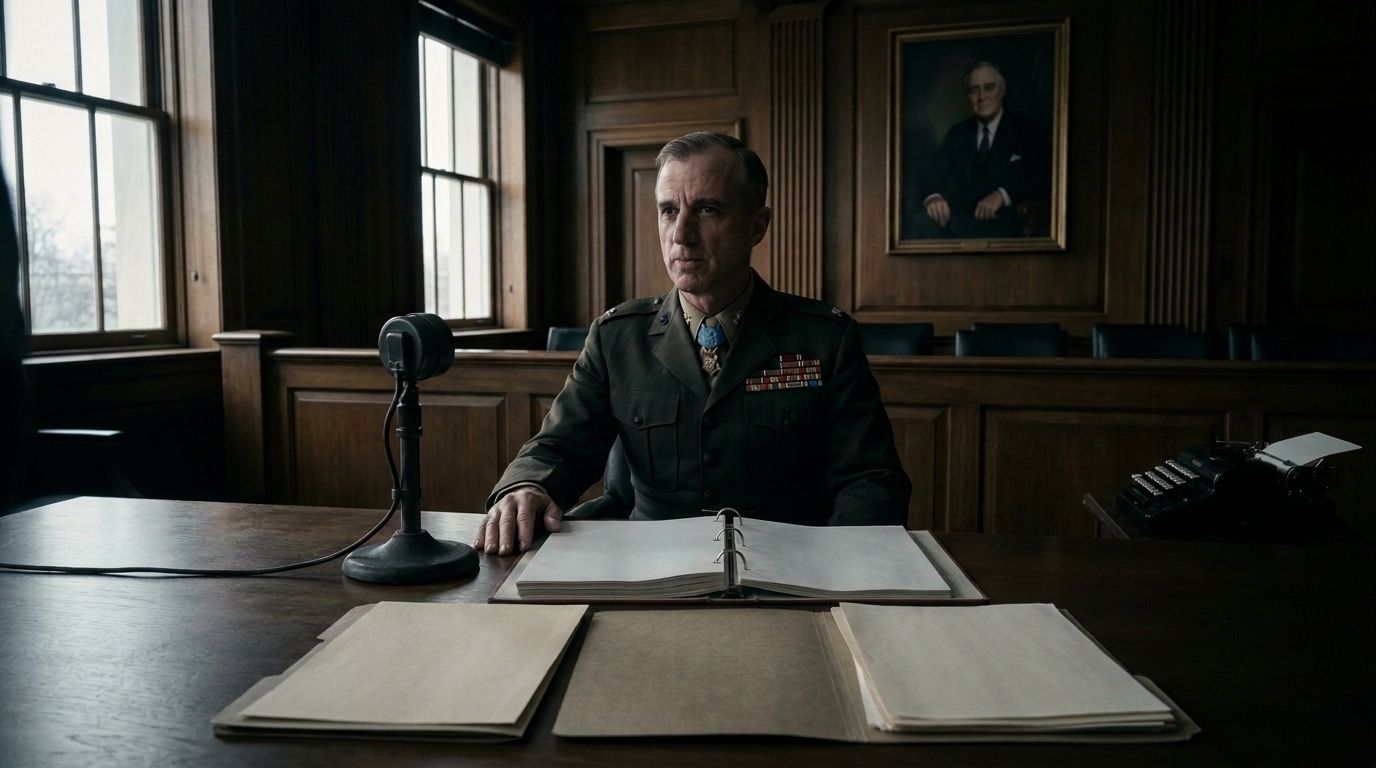
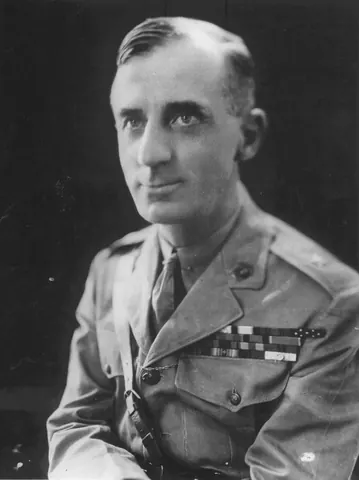
In November 1934, retired Marine Corps Major General Smedley Butler testified before the House Un-American Activities Committee's McCormack-Dickstein Committee that he had been approached by intermediaries representing wealthy financiers who sought to recruit him to lead a veterans' organization of 500,000 men to march on Washington and force President Roosevelt to appoint a "Secretary of General Affairs" who would effectively control the government. Butler named bond salesman Gerald MacGuire and American Legion leader William Doyle as the principal recruiters, claiming they represented interests tied to financiers including members of the Morgan and Du Pont families. The committee's final report stated it had "received evidence showing that certain persons had made an attempt to establish a fascist organization in this country," but no criminal charges were ever filed and the incident faded from public memory.
Under-Reported Dimensions
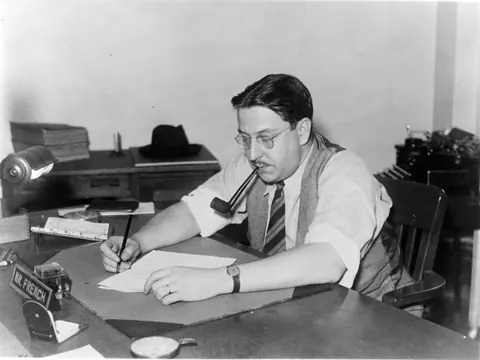
The McCormack-Dickstein Committee's 1935 final report corroborated Butler's core claims through testimony from journalist Paul Comly French, who independently verified MacGuire's solicitation efforts and plans for a veterans' organization modeled on France's fascist Croix de Feu. Committee investigators documented MacGuire's European tour studying veteran movements and confirmed his possession of detailed organizational plans and budgets. Financial records showed MacGuire worked for Grayson M.-P. Murphy & Co., whose principals included Morgan interests and had documented ties to American Liberty League funders. The committee's public report, however, was heavily redacted compared to its executive session transcripts, omitting most business names. Major newspapers gave the allegations minimal coverage, with The New York Times initially burying the story on page 15, and several publications dismissing Butler's claims despite the committee's partial vindication.
Credible Dissenting Voices
Historian Hans Schmidt, Butler's authoritative biographer, concluded the plot "was close to being a gigantic hoax" perpetrated by MacGuire to inflate his importance, though Schmidt acknowledged MacGuire clearly approached Butler with some organizational scheme. Historian Robert F. Burk argued the conspiracy was "wild improvisation" rather than coordinated planning, characterizing it as fantasy talk among disaffected businessmen rather than operational plotting. Journalist John L. Spivak, who reviewed the committee's suppressed testimony for New Masses magazine, insisted the redacted evidence showed far more extensive Wall Street involvement than the sanitized public report revealed. Clayton Cramer and Joseph Stromberg have argued the episode represented serious preliminary plotting that Butler's refusal derailed before operational plans matured, pointing to the documented funding sources and European reconnaissance missions as evidence of intent beyond mere conversation.
Follow the Money
The alleged conspirators stood to benefit from rolling back New Deal policies threatening their financial interests. The American Liberty League, founded in August 1934 by Du Pont family members and other industrialists, spent millions opposing Roosevelt's regulatory agenda and shared overlapping personnel with those Butler named. Du Pont companies faced new labor regulations and taxes; Morgan banking interests confronted Glass-Steagall restrictions and securities regulation. Gerald MacGuire's employer, Grayson M.-P. Murphy & Co., had direct financial stakes in maintaining gold standard policies Roosevelt had abandoned. The proposed veterans' organization would have required substantial funding—MacGuire mentioned $3 million and cited wealthy backers—suggesting serious financial commitment from someone. However, no money trail directly linking named industrialists to coup planning was ever established, and many denied knowledge when contacted by investigators. Butler himself received no compensation and reported the plot, suggesting he was selected for credibility rather than being a paid conspirator.
Open Questions
Did the McCormack-Dickstein Committee suppress evidence of direct participation by named industrialists to avoid political scandal, or did its investigation genuinely find only MacGuire's unsanctioned scheming? Why did the committee's public report omit most business names and testimony details that appeared in leaked executive session transcripts? What specific organizational and financial commitments, if any, had been secured beyond MacGuire's conversations with Butler? Were similar recruitment approaches made to other military figures that were never reported? Why did the Roosevelt administration not pursue criminal charges if the committee found credible evidence of seditious conspiracy? What role, if any, did American Liberty League principals play beyond their documented opposition to New Deal policies through legal political channels?
Case Timeline
- 1933DISPUTEDGerald MacGuire and intermediaries allegedly begin recruiting Butler for veterans organizationGerald MacGuire, a bond salesman for Grayson M.-P. Murphy & Co., allegedly made multiple visits to Butler's home describing plans for a veterans organization modeled on European fascist groups.
- 1934PRIMARY SOURCEButler reports plot to congressional investigators; journalist Paul Comly French corroboratesPaul Comly French, a journalist for the Philadelphia Record and New York Post, provided independent testimony that MacGuire had solicited him with similar details about the plot while Butler was still gathering evidence.
- 1934GOVERNMENT RECORDAmerican Liberty League founded by industrialists to oppose New Deal policiesThe League brought together Du Pont family members, J. Howard Pew, and other industrialists who publicly opposed Roosevelt's expansion of federal power, with several members later named in connection with Butler's allegations.
- 1934PRIMARY SOURCEButler testifies before McCormack-Dickstein Committee in NovemberButler testified in closed executive session, naming specific financiers and providing detailed accounts of meetings, promised funding of $300 million, and plans for a 500,000-member march on Washington.
- 1935GOVERNMENT RECORDCommittee issues report confirming plot attempt but naming no conspiratorsThe committee's public report stated it had received evidence of attempts to establish a fascist organization but was heavily redacted compared to executive session transcripts, with most business names removed.
- 1935CORROBORATEDNo indictments filed; story largely fades from press coverageDespite the committee's corroboration of Butler's core allegations, the Roosevelt administration pursued no prosecutions and major newspapers including the New York Times gave the story minimal coverage, often treating it skeptically.
Key People
Organizations
Evidence Library
- testimonypartial redactionDOC-BP1Smedley Butler Executive Session Testimony (McCormack-Dickstein Committee)
Butler's November 1934 sworn testimony detailed recruitment attempts, named specific conspirators, and described plans for a veterans' organization to pressure Roosevelt. The testimony was given in closed session with only portions released publicly, forming the foundation of the committee's investigation.
- testimonyDOC-BP2Paul Comly French Corroborating Testimony
Independent journalist testimony confirmed MacGuire had approached him with similar solicitations about organizing veterans. French's account corroborated Butler's claims without prior coordination, providing crucial independent verification that strengthened the committee's findings.
- documentheavy redactionDOC-BP3House Report No. 153: Investigation of Nazi Propaganda Activities (1935)
The McCormack-Dickstein Committee's final report stated it had 'received evidence showing that certain persons had made an attempt to establish a fascist organization in this country.' The public version was heavily redacted compared to executive session transcripts, omitting most names of businessmen and financial institutions.
- documentDOC-BP4Gerald MacGuire European Travel Documentation
Committee investigators documented MacGuire's 1934 tour of Europe studying veteran movements including France's Croix de Feu. Records showed he compiled detailed organizational plans and budgets for a similar American veterans' organization, corroborating Butler's claims about the plotters' preparedness.
- documentpartial redactionDOC-BP5Grayson M.-P. Murphy & Co. Financial Records
Employment and business records confirmed MacGuire worked for this investment firm whose principals included Morgan banking interests. Documentation showed connections between the firm and American Liberty League funders, establishing financial links between alleged conspirators.
- documentDOC-BP6American Liberty League Founding Documents and Membership Records
Records at the Hagley Museum document the League's 1934 founding by industrialists including Du Pont family members and its opposition to New Deal policies. Several members were later referenced in connection with Butler's allegations, though the League itself was a legal political organization.
Evidence Gallery


Sources
Trace the trail yourself
Investigation Network
Live Discussion
0 Perspectives
Add to the record. Be specific. Cite where you can.
If you're learning about this topic for the first time, these are the best places to continue — documented evidence and historical relationships are the guide.
Named in “The Business Plot of 1933”.
Named in “The Business Plot of 1933”.
Read more dossiers like this
Get a quiet one-line bulletin when new investigative files are published. Bound to this dossier — useful for tracking follow-ups.