Operation Fast and Furious
ATF gunwalking operation let weapons flow to Mexican cartels, culminating in federal scandal and congressional investigation.
Sign in to bookmark, follow, and message the contributor.
Executive Summary
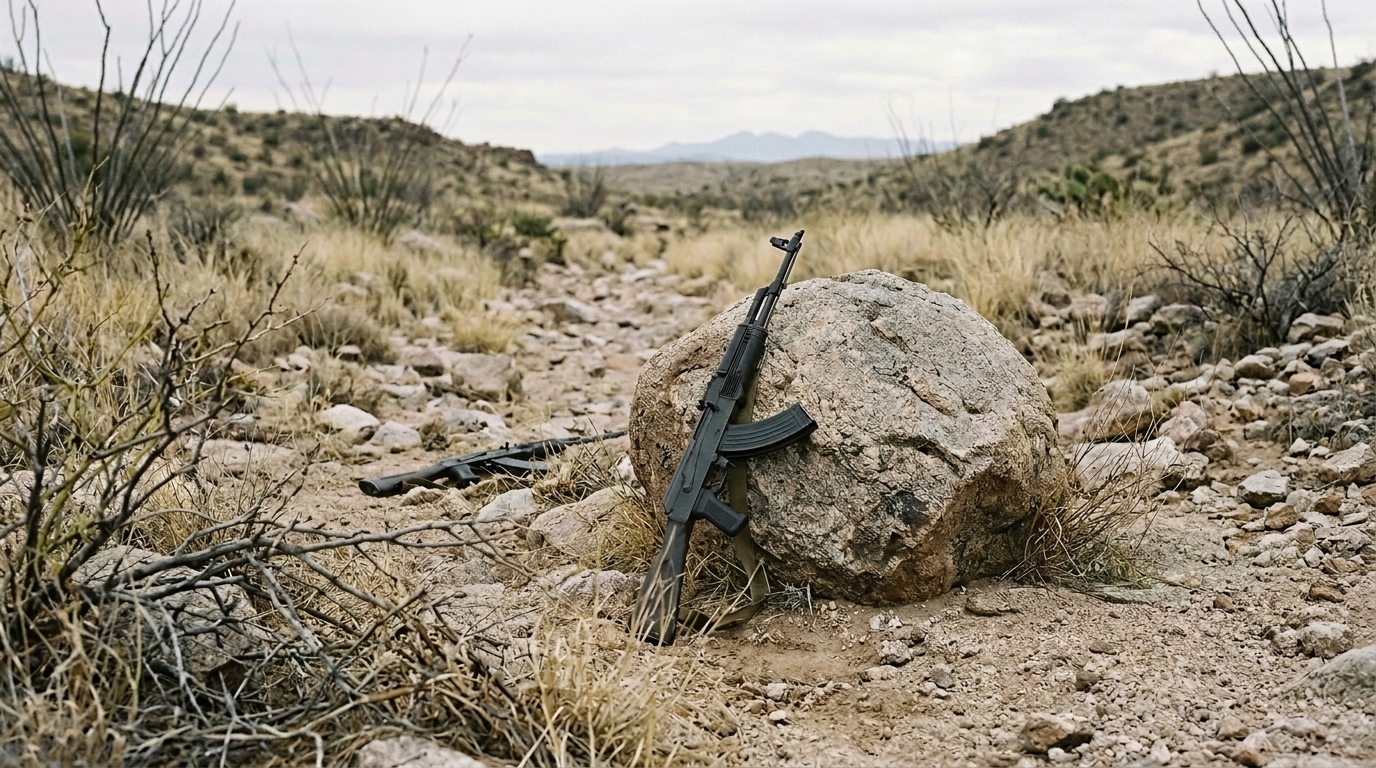
Operation Fast and Furious (2009-2011) was a Bureau of Alcohol, Tobacco, Firearms and Explosives (ATF) gunwalking operation that allowed suspected straw purchasers to buy firearms and transport them to Mexican drug cartels. The operation resulted in the murder of U.S. Border Patrol Agent Brian Terry with a Fast and Furious weapon, a congressional investigation, and the first-ever criminal contempt citation of a sitting Attorney General.
- 01.Approximately 1,300 Fast and Furious firearms remain unrecovered as of 2017, with ongoing appearance at crime scenes in Mexico and the United States.
- 02.Internal ATF emails show supervisors expressed concern about the operation's legality months before the Brian Terry murder but were overruled by senior field leadership.
- 03.The Justice Department declined to prosecute any U.S. officials criminally, citing insufficient evidence of criminal intent despite extensive documentation of operational failures.
The Hidden Truth
What the headlines won't tell you
Operation Fast and Furious
Operation Fast and Furious was a Bureau of Alcohol, Tobacco, Firearms and Explosives (ATF) gunwalking operation conducted between 2009 and 2011 in Arizona. The investigation aimed to track firearms purchased by suspected straw buyers to identify senior members of Mexican drug trafficking organizations. Unlike traditional ATF interdiction strategies, Fast and Furious allowed approximately 2,000 firearms to "walk" across the U.S.-Mexico border without immediate interdiction.
The operation became a major federal scandal after U.S. Border Patrol Agent Brian Terry was murdered on December 14, 2010, and two rifles found at the scene were traced to Fast and Furious. ATF whistleblowers revealed the operation's scope to Congress, triggering multiple investigations. The Justice Department's Office of Inspector General (OIG) concluded that the operation was "fundamentally flawed" in design and execution, leading to the resignation of senior officials and a constitutional standoff between the Executive Branch and Congress over document disclosure.
The operation exposed serious deficiencies in ATF management and inter-agency coordination, resulted in the first criminal contempt citation of a sitting U.S. Attorney General, and significantly damaged U.S.-Mexico law enforcement cooperation. Most firearms allowed to walk remain unrecovered, and their use in crimes continues in both countries.
Background
ATF Gunwalking History
Gunwalking—the practice of allowing suspected illegal firearms purchases to proceed without immediate interdiction to identify higher-level traffickers—was not invented with Fast and Furious. The ATF had employed variations of the tactic since at least 2006 under the Bush Administration's "Project Gunrunner," which aimed to stem the flow of U.S. firearms to Mexican cartels during an escalating drug war. Earlier operations included "Wide Receiver" (2006-2007), which attempted to track approximately 450 firearms using RFID technology and Mexican law enforcement coordination.
However, Wide Receiver was discontinued after Mexican authorities complained about inadequate notification and the technology proved unreliable. The Justice Department OIG later found that Wide Receiver involved "some level of coordination" with Mexican authorities, unlike Fast and Furious, which operated almost entirely without Mexican government knowledge—a critical distinction.
The Mexican Drug War Context
By 2009, Mexico was experiencing unprecedented cartel violence. President Felipe Calderón's military-led offensive against drug trafficking organizations had triggered territorial wars between cartels. U.S. law enforcement estimated that 70% of firearms recovered at Mexican crime scenes originated in the United States. This created intense political pressure on U.S. agencies to demonstrate effectiveness in disrupting trafficking networks.
The Phoenix ATF Field Division had been investigating firearms trafficking to the Sinaloa Cartel for years with limited success. Traditional "knock and talk" interdictions—confronting straw purchasers immediately after suspicious purchases—rarely led to prosecutions of cartel leadership. This enforcement frustration created the operational logic for Fast and Furious: allowing weapons to reach Mexico to map cartel networks through subsequent seizures and arrests.
The Investigation
Operational Design and Execution
Operation Fast and Furious formally began in October 2009 under the Phoenix Field Division's Group VII, supervised by David Voth and overseen by Special Agent in Charge William Newell. The operation targeted a suspected firearms trafficking ring supplying the Sinaloa Cartel, led by Manuel Celis-Acosta and others. ATF agents identified and surveilled straw purchasers making multiple firearms purchases at Arizona gun shops.
Unlike traditional enforcement, agents did not interdict these purchases. Federal firearms dealers cooperated with ATF by reporting suspicious transactions and allowing sales to proceed. Between late 2009 and early 2011, the operation tracked approximately 2,000 firearms purchased by suspects. FACT: ATF internal emails and testimony confirm that agents were explicitly instructed not to interdict weapons unless violence was imminent.
The operational theory held that tracking these weapons to seizure sites in Mexico would provide evidence linking straw purchasers to cartel leaders, enabling prosecution under U.S. conspiracy statutes. However, FACT: the operation lacked adequate tracking technology—no GPS devices or effective means of real-time surveillance once weapons left Arizona. The "tracking" largely consisted of waiting for weapons to appear at Mexican crime scenes and requesting traces through the ATF's eTrace system.
The Brian Terry Murder
On December 14, 2010, U.S. Border Patrol Agent Brian Terry was on patrol in Peck Canyon, Arizona, when his team encountered suspected illegal border crossers. A firefight erupted, and Terry was fatally shot. Two AK-pattern rifles recovered at the scene were traced through ATF's eTrace system to Fast and Furious straw purchases in Phoenix. FACT: The weapons had been purchased by Jaime Avila Jr. in January 2010 at a Phoenix-area gun shop under ATF surveillance.
The murder of a federal agent with a weapon that ATF had knowingly allowed to walk created an immediate crisis. Within ATF, emails documented panic among supervisors about the discovery. ATF Phoenix agents began discussing their concerns internally, with some agents—particularly John Dodson—already questioning the operation's wisdom and legality.
Whistleblower Revelations
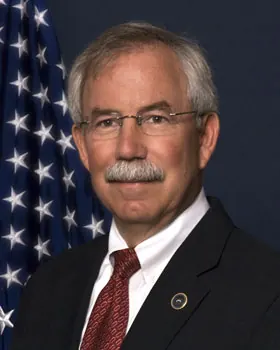
In December 2010 and January 2011, ATF Special Agent John Dodson and other agents contacted Senator Chuck Grassley's office with detailed allegations about Fast and Furious. Dodson, who had directly participated in surveillance, provided documents showing that agents had been ordered to allow firearms purchases to proceed despite knowledge they would reach criminals. FACT: Grassley sent a formal inquiry letter to Acting ATF Director Kenneth Melson on January 27, 2011.
The Justice Department's initial response, dated February 4, 2011, categorically denied the allegations: "ATF makes every effort to interdict weapons that have been purchased illegally and prevent their transportation to Mexico." FACT: This letter was later retracted by the Justice Department in December 2011 after the OIG investigation confirmed it contained inaccuracies.
Additional whistleblowers, including ATF agents Peter Forcelli, Olindo Casa, and others, corroborated Dodson's account. Their testimony described an operation where agents watched straw purchasers buy dozens of AK-47s and .50 caliber rifles, then followed them to stash houses, only to be told by supervisors to stand down rather than interdict.
Congressional Investigation
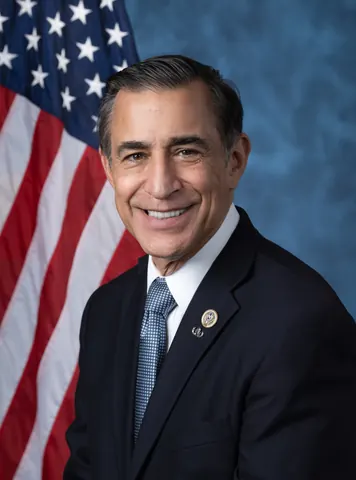
The House Oversight and Government Reform Committee, chaired by Representative Darrell Issa, launched a formal investigation in February 2011. Over the next 18 months, the committee held numerous hearings, interviewed witnesses, and requested thousands of documents from the Justice Department. FACT: The investigation ultimately involved more than 100,000 pages of documents and testimony from over 50 witnesses.
Key findings included:
FACT: Senior ATF and Justice Department officials were aware of the gunwalking tactics. Email evidence showed that briefing papers describing the operation reached the Office of the Deputy Attorney General, though the extent of Attorney General Eric Holder's personal knowledge became the subject of intense dispute.
FACT: The operation had no realistic means of tracking weapons once they left ATF surveillance. Agents testified they were told to document purchases and wait for trace requests from Mexico—a fundamentally reactive strategy.
FACT: Mexican authorities were not informed about the operation. The U.S. Ambassador to Mexico, Carlos Pascual, testified he was unaware of Fast and Furious until the scandal broke, calling it a "significant breach of trust" with Mexican law enforcement.
The Contempt Crisis
As the congressional investigation intensified, a constitutional confrontation emerged over document production. The Justice Department provided extensive materials but withheld documents related to its internal deliberations after the scandal became public, citing executive privilege concerns and deliberative process protections.
On June 20, 2012, President Obama asserted executive privilege over requested documents. FACT: On June 28, 2012, the House of Representatives voted 255-67 to hold Attorney General Eric Holder in criminal contempt of Congress—the first time in U.S. history a sitting Attorney General had been so cited. A separate civil contempt resolution passed 258-95.
The Department of Justice declined to prosecute the criminal contempt referral, citing the Executive Branch's traditional position that officials acting under executive privilege cannot be prosecuted. The civil case proceeded to litigation, resulting in a 2016 federal court order requiring additional document production, though many documents remained withheld under executive privilege claims.
Justice Department OIG Investigation
The Justice Department's Office of Inspector General conducted a parallel investigation, releasing a 471-page report in September 2012. The OIG report provided the most comprehensive factual accounting of the operation, based on documentary evidence and witness interviews. FACT: The report concluded that "the inappropriate strategy and tactics of this case resulted in the loss of investigative control and increased the risk that the firearms would be used to harm innocent people."
Key OIG findings:
FACT: The operation's strategy was "fatally flawed" because it lacked adequate mechanisms to track weapons or control their proliferation.
FACT: Field-level supervisors David Voth and William Newell were aware of and approved gunwalking tactics. Higher-level officials, including U.S. Attorney Dennis Burke and Assistant Attorney General Lanny Breuer, received information about the case but the OIG found insufficient evidence they understood weapons were being allowed to walk.
FACT: The OIG found "no evidence" that Attorney General Holder knew about gunwalking tactics before the controversy became public, though the report criticized Justice Department leadership for inadequate oversight.
INFERENCE: The report suggested systemic communication failures within DOJ, where senior officials received briefing materials that mentioned large firearms trafficking investigations but did not clearly describe the gunwalking methodology.
Consequences and Accountability
The scandal resulted in significant personnel consequences:
FACT: Acting ATF Director Kenneth Melson was reassigned; Dennis Burke resigned as U.S. Attorney for Arizona; Assistant Attorney General Lanny Breuer resigned; ATF Special Agent in Charge William Newell retired; several other officials resigned or were reassigned.
However, no criminal charges were filed against any U.S. officials involved in the operation. The Justice Department OIG referred several officials for potential administrative sanctions, but the ATF declined to impose discipline, citing concerns about due process and legal precedent.
FACT: In 2012, the Terry family filed a wrongful death lawsuit against the federal government. The case settled in 2015 for $1.5 million—an unusually low settlement amount that required the family to waive further legal action.
FACT: Jaime Avila Jr., the straw purchaser who bought the weapons found at Terry's murder scene, was convicted in 2012 and sentenced to 57 months in federal prison. Manuel Celis-Acosta and other trafficking ring members received similar sentences.
Recovered Weapons and Ongoing Impact
Tracking the fate of Fast and Furious weapons proved grimly revealing. FACT: A 2017 report by the Justice Department OIG and ATF found that 693 of the approximately 2,000 firearms had been recovered—a recovery rate of approximately 34%. The report documented that Fast and Furious weapons continued to appear at crime scenes in both Mexico and the United States.
FACT: Beyond the Terry murder, Fast and Furious weapons were linked to the murder of Mexican law enforcement officials, including the brother of a Mexican state attorney general, and the killing of a Mexican beauty queen in 2012. The weapons' appearance at crime scenes damaged U.S. credibility with Mexican authorities and complicated bilateral law enforcement cooperation.
SPECULATION: Some Mexican officials and researchers have suggested that Fast and Furious weapons may have been used in numerous additional crimes where recovered firearms were not traced or where crime scene evidence was insufficient for definitive linking. The actual toll remains unknown.
Evidence Assessment
Established Facts
ATF allowed approximately 2,000 firearms to walk: Multiple sources confirm the operational scope, including the Justice Department OIG report, ATF documents, and testimony from agents and supervisors. The number has remained consistent across investigations.
Brian Terry was murdered with Fast and Furious weapons: ATF eTrace records, criminal trial evidence, and multiple official reports confirm that two rifles recovered at Terry's murder scene were purchased by Jaime Avila Jr. under ATF surveillance in January 2010.
Mexican authorities were not informed: Testimony from U.S. Ambassador Carlos Pascual, the OIG report, and Mexican government statements confirm that Mexico was not notified about the operation—a significant departure from earlier ATF gunwalking operations.
The Justice Department initially denied gunwalking occurred: The February 4, 2011 letter to Senator Grassley explicitly stated ATF interdicted illegal weapons. This letter was withdrawn in December 2011 after evidence proved the statement false.
No effective tracking technology existed: Agent testimony, ATF operational documents, and the OIG report all confirm that despite the term "walking," there was no GPS or real-time surveillance capability once weapons left Arizona.
Congressional contempt citation was unprecedented: The June 28, 2012 House vote marking the first criminal contempt citation of a sitting Attorney General is a matter of congressional record.
Strong Evidence
Field supervisors explicitly authorized gunwalking: Internal ATF emails, agent testimony (particularly from John Dodson), and the OIG investigation provide strong documentation that supervisors instructed agents not to interdict known straw purchases.
Senior Justice Department officials received briefings mentioning the operation: Email records and briefing papers show that information about Fast and Furious reached officials in the Deputy Attorney General's office and Assistant Attorney General Breuer, though the content and clarity of these briefings remains disputed.
The operation lacked adequate interagency coordination: Multiple investigative bodies found that ATF, DEA, FBI, and ICE had inadequate communication about the case, with some agencies unaware of others' activities despite investigating overlapping targets.
Approximately 34% of weapons have been recovered: The 2017 OIG/ATF report provides specific recovery statistics based on ATF's firearms tracing database and coordination with Mexican authorities.
Moderate Evidence
The operation's design reflected institutional frustration with traditional interdiction: Testimony from agents and supervisors, plus policy documents about firearms trafficking prosecutions, suggest the gunwalking approach emerged from perceived inadequacy of "knock and talk" methods. However, the decision-making process that led to adopting this strategy is incompletely documented.
Communication failures contributed more than intentional concealment: The OIG report suggests that bureaucratic dysfunction and poor information flow, rather than deliberate cover-up, explain why senior officials did not fully grasp the operation's methodology. However, this interpretation is contested, with congressional investigators suggesting willful blindness.
Weak Evidence
Attorney General Holder had direct knowledge of gunwalking tactics before the scandal: While Holder received mentions of Fast and Furious in broader briefing materials, evidence that he personally understood weapons were being allowed to walk before the controversy is weak. The OIG report found "no evidence" supporting this claim, though congressional investigators maintained skepticism.
Disputed Claims
The Jaime Zapata murder weapon came from Fast and Furious: ICE Agent Jaime Zapata was murdered in Mexico in February 2011. Some reports initially suggested a Fast and Furious connection, but FACT: the ATF and OIG investigations concluded the weapons used in Zapata's murder were not Fast and Furious firearms, though they did originate from other Texas-based trafficking.
The operation was designed to build support for gun control legislation: Some critics alleged Fast and Furious was intentionally designed to create crime statistics that would support stricter U.S. gun laws. No credible evidence supports this claim. No investigative body—including the Republican-led congressional investigation—found documentation or testimony supporting this theory.
Fast and Furious was qualitatively different from Bush-era gunwalking: The extent of difference between Fast and Furious and earlier operations like Wide Receiver remains contested. The OIG report noted that Wide Receiver involved "some level" of Mexican coordination and attempted (failed) tracking technology. However, the fundamental practice of allowing weapons to walk existed in both operations, though Fast and Furious operated on a larger scale with less foreign coordination.
Unsupported Claims
Senior White House officials orchestrated the operation: Despite extensive investigation, no evidence emerged linking White House officials to the operation's planning or authorization. The assertion of executive privilege over post-scandal deliberative documents fueled speculation, but the documents eventually produced (after litigation) did not reveal White House involvement in operational decisions.
The operation was connected to CIA activities: Some commentators suggested covert CIA involvement, potentially related to intelligence gathering on cartels. No evidence supports this claim, and it did not appear in any official investigation.
Thousands of deaths resulted directly from Fast and Furious weapons: While some murders are definitively linked (Terry, Mexican officials), claims of "thousands" of deaths lack evidentiary support. With approximately 1,300 weapons still unrecovered and continuing cartel violence, precise casualty figures are impossible to establish.
Credible Dissenting Voices
On Operational Intent
Some law enforcement experts and former prosecutors defended the operational logic behind Fast and Furious, if not its execution. Former ATF officials argued that gunwalking, when properly controlled with adequate tracking and foreign coordination, represented a legitimate investigative technique for complex conspiracy cases where immediate interdiction only captures low-level offenders.
Professor Jonathan Turley (George Washington University Law School), testifying before Congress, noted that "gunwalking has been used successfully in other contexts" but emphasized that "the failure here was not the concept but the execution and oversight." This view acknowledges the operation's flaws while defending the underlying investigative theory.
On Attorney General Holder's Knowledge
The Justice Department OIG's conclusion that Holder lacked knowledge of gunwalking tactics has been accepted by many legal scholars, even those critical of the operation. The OIG report, produced by an independent Inspector General's office, found no documentary evidence or credible testimony that Holder was briefed on the specific methodology.
However, congressional investigators, particularly Chairman Issa and Senator Grassley, maintained that Holder's senior position and the operation's scope made ignorance implausible. This represents a disagreement about institutional accountability standards rather than factual evidence—whether senior officials bear responsibility for operations they arguably should have known about, even if not formally briefed.
On Executive Privilege
Constitutional law scholars divided on the propriety of the executive privilege assertion. Some, like former White House Counsel Peter Shane (Ohio State), argued the privilege was appropriately invoked to protect post-scandal deliberative communications. Others, including former Attorney General Michael Mukasey, suggested the privilege was improperly used to conceal potentially embarrassing information rather than protect core executive functions.
The federal court's 2016 decision required document production with redactions, effectively finding that executive privilege applied to some but not all materials—a middle-ground position acknowledging both congressional oversight prerogatives and executive confidentiality interests.
Legacy
Policy and Procedural Reforms
Fast and Furious prompted significant reforms within ATF and the Justice Department. FACT: In 2011, ATF issued new operational guidelines prohibiting gunwalking tactics and requiring enhanced supervisory approval for complex firearms trafficking investigations. The Justice Department implemented new protocols requiring senior-level notification of sensitive operations.
Congress increased oversight of ATF through appropriations riders and reporting requirements. The scandal contributed to the Senate's continued refusal to confirm a permanent ATF director for years—the position remained filled by acting directors from 2006 until B. Todd Jones was finally confirmed in 2013.
U.S.-Mexico Relations
The operation significantly damaged bilateral law enforcement trust. Mexican officials expressed outrage that U.S. agencies allowed weapons to flow into Mexico without notification during a period when tens of thousands of Mexicans were dying in cartel violence. The incident complicated subsequent attempts at law enforcement cooperation and validated Mexican government criticisms of U.S. contributions to cartel armament.
Political Ramifications
Fast and Furious became a significant political symbol, used by Second Amendment advocates to criticize federal firearms enforcement efforts and by congressional Republicans to challenge the Obama Administration's credibility. The scandal featured prominently in the 2012 election cycle and continued to be referenced in subsequent debates about executive accountability and congressional oversight.
The contempt citation established precedent for congressional-executive conflicts, though its practical impact was limited—the Justice Department's refusal to prosecute illustrated the limits of congressional enforcement mechanisms when the Executive Branch declines cooperation.
Commonly Misunderstood Claims
Misconception: Fast and Furious was the Obama Administration's invention of gunwalking. Reality: Gunwalking operations occurred under the Bush Administration (Wide Receiver, 2006-2007), though Fast and Furious was larger in scale and lacked the foreign coordination of earlier operations.
Misconception: The operation was designed to support gun control efforts. Reality: No investigation found evidence supporting this claim. The OIG report and congressional investigation, despite political motivations to uncover such a connection, found no such documentation or testimony.
Misconception: Thousands of weapons were "given" to cartels. Reality: Weapons were sold through legal firearms dealers to suspected straw purchasers under ATF surveillance. The "walking" consisted of not interdicting these purchases, not direct government transfer to cartels.
Important Quotes
"The fact that the government would knowingly allow guns to be trafficked to criminals is outrageous. The fact that the government's incompetence led to the death of a U.S. Border Patrol agent is tragic." — Senator Chuck Grassley, February 2011
"I think it's appropriate for us to find out exactly what happened in Fast and Furious, to make sure that it doesn't happen again... But I also think it's important for us to keep in perspective that the reason we have these challenges on the borders is because we've got a very challenging problem with drug cartels." — President Barack Obama, March 2011
"The use of this misguided tactic is inexcusable, and it must never happen again." — Attorney General Eric Holder, December 2011
"We were fully aware the guns would probably be crossing the border, getting into the hands of bad people, and probably being used in crimes. That's what we expected." — ATF Special Agent John Dodson, whistleblower, testimony to Congress, 2011
Research Leads and Unresolved Questions
The approximately 1,300 unrecovered Fast and Furious weapons represent an ongoing investigative lead. Each weapon that surfaces at a crime scene potentially provides new information about trafficking patterns and cartel operations. Researchers and journalists continue to file trace requests through FOIA for updated recovery statistics.
The full extent of senior Justice Department officials' contemporaneous knowledge remains incompletely documented, despite the extensive investigations. The executive privilege documents eventually released were heavily redacted, and some materials remain withheld. Future document releases (through FOIA litigation or archival processing) may provide additional clarity.
The relationship between Fast and Furious and other ATF operations during the same period has received less attention. Some evidence suggests similar tactical questions arose in other field divisions, raising questions about whether Fast and Furious represented a localized failure or a more systemic problem in ATF investigative culture.
Confidence Assessment
Operation Fast and Furious is exceptionally well-documented for a recent federal law enforcement operation. The combination of a 471-page Justice Department OIG report, extensive congressional hearings with sworn testimony, thousands of pages of internal ATF and DOJ emails and memoranda, federal criminal trials of straw purchasers, and civil litigation provides a comprehensive evidentiary record. The core facts—the operational scope, the Brian Terry murder, the lack of tracking technology, the whistleblower revelations, and the subsequent investigations—are established beyond reasonable dispute.
The principal uncertainties involve questions of intent and knowledge at senior levels—specifically, what Attorney General Holder and other senior officials knew and when they knew it. The documentary record on this question is incomplete, partly due to executive privilege assertions and partly due to the nature of oral briefings and informal communications that leave limited paper trails. The evidence strongly suggests communication and oversight failures rather than deliberate misconduct at senior levels, but absolute certainty is impossible.
The operation's ultimate impact—particularly the number of crimes committed with unrecovered weapons—will remain impossible to fully quantify. With approximately 1,300 weapons still unaccounted for and continuing cartel violence in Mexico, the complete casualty toll will never be definitively established. However, the operation's immediate consequences, the investigations' findings, and the policy aftermath are thoroughly documented in official records and provide a solid foundation for historical understanding.
Case Timeline
- 2006GOVERNMENT RECORDProject Gunrunner initiated under Bush Administration to combat firearms trafficking to MexicoProject Gunrunner was created as a national ATF initiative to reduce firearms trafficking into Mexico through enhanced tracing, intelligence sharing, and prosecution coordination with Mexican authorities.
- 2006-2007GOVERNMENT RECORDOperation Wide Receiver allows ~450 firearms to walk using attempted RFID tracking and Mexican coordinationWide Receiver was terminated in 2007 after RFID tracking devices failed and Mexican authorities were not consistently notified of weapons crossing the border, raising early concerns about gunwalking tactics.
- 2009CREDIBLE REPORTINGFelipe Calderón's military offensive escalates Mexican drug war; firearms trafficking becomes intense U.S. political focusThe Calderón administration's military deployments against cartels generated unprecedented violence levels, with over 15,000 drug-related deaths in 2010 alone, intensifying bilateral pressure to interdict weapons flows.
- 2009-10GOVERNMENT RECORDOperation Fast and Furious formally begins in Phoenix ATF Field Division, targeting Sinaloa Cartel suppliersPhoenix ATF supervisors designed the operation to build a conspiracy case against high-level Sinaloa operatives by monitoring weapons purchases rather than immediately arresting straw buyers.
- 2010-01GOVERNMENT RECORDStraw purchaser Jaime Avila Jr. buys rifles under ATF surveillance that will later be found at Brian Terry murder sceneAvila purchased three WASR-10 Romanian rifles from a Glendale gun dealer on January 16, 2010, while ATF agents conducted surveillance but did not interdict the transaction.
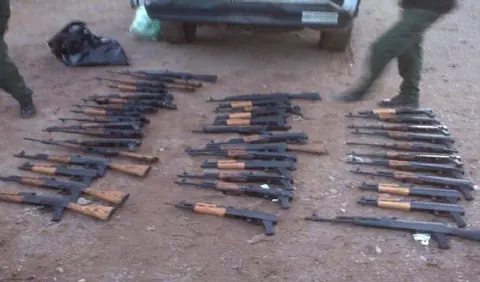
Weapons from the Phoenix ATF Operation Fast and Furious that were interdicted 20 Feb 2010 by Border Patrol agents and Tuscon ATF agents from a vehicle that was headed toward the Mexican Border within the Tohono O'odham Indian Reservation in - 2010-12-14GOVERNMENT RECORDU.S. Border Patrol Agent Brian Terry murdered in Peck Canyon, Arizona; two Fast and Furious rifles recovered at sceneTerry and his tactical unit encountered suspected illegal border crossers in a firefight approximately 11 miles north of the Mexican border when he was fatally shot.
Weapons from the Phoenix ATF Operation Fast and Furious that were interdicted 20 Feb 2010 by Border Patrol agents and Tuscon ATF agents from a vehicle that was headed toward the Mexican Border within the Tohono O'odham Indian Reservation in - 2010-12GOVERNMENT RECORDATF Special Agent John Dodson and others contact Senator Grassley's office with whistleblower allegationsDodson and other Phoenix ATF agents provided Grassley's staff with internal emails and operational details documenting the deliberate strategy of allowing weapons to walk without interdiction.
Weapons from the Phoenix ATF Operation Fast and Furious that were interdicted 20 Feb 2010 by Border Patrol agents and Tuscon ATF agents from a vehicle that was headed toward the Mexican Border within the Tohono O'odham Indian Reservation in - 2011-01-27GOVERNMENT RECORDSenator Grassley sends formal inquiry letter to Acting ATF Director Kenneth MelsonGrassley's letter specifically asked whether ATF had sanctioned or allowed the sale of assault weapons to known or suspected straw purchasers who then transported them into Mexico.
- 2011-02-04GOVERNMENT RECORDJustice Department sends letter to Grassley denying gunwalking allegations (later retracted)The February 4 letter, signed by Assistant Attorney General Ronald Weich, categorically stated that ATF makes every effort to interdict weapons and does not allow guns to walk, a claim later proven false.
- 2011-02GOVERNMENT RECORDHouse Oversight Committee under Chairman Darrell Issa launches formal investigationChairman Issa's investigation expanded to include document requests from ATF, FBI, DEA, and the Justice Department main office regarding gunwalking operations and their authorization.
- 2011-03GOVERNMENT RECORDOperation Fast and Furious formally shut downATF leadership ordered the Phoenix Field Division to cease all further weapons purchases by suspects under Fast and Furious surveillance after the Terry murder drew public scrutiny.
- 2011-05GOVERNMENT RECORDCongressional hearings begin with testimony from ATF whistleblowersATF agents testified that supervisors explicitly told them to surveil but not arrest straw purchasers, even when they witnessed multiple AR-15 purchases that violated firearms laws.
- 2011-12GOVERNMENT RECORDJustice Department withdraws February 2011 letter, acknowledging inaccuraciesThe withdrawal came after internal Justice Department reviews revealed that senior officials had been informed about gunwalking tactics contrary to the denials in the February letter.
- 2012-06-20GOVERNMENT RECORDPresident Obama asserts executive privilege over requested documentsObama's executive privilege assertion covered deliberative Justice Department documents post-dating February 2011, claiming they involved presidential advisory privileges and law enforcement sensitivities.
- 2012-06-28GOVERNMENT RECORDHouse votes to hold Attorney General Holder in criminal and civil contempt of CongressThe House voted 255-67 on criminal contempt and 258-95 on civil contempt, with 17 Democrats joining Republicans on the criminal citation and 21 on the civil measure.
- 2012-09GOVERNMENT RECORDJustice Department Office of Inspector General releases 471-page report finding operation "fundamentally flawed"Inspector General Michael Horowitz's report identified failures by five ATF officials and four Justice Department officials, leading to reassignments and resignations but no criminal charges.
- 2013GOVERNMENT RECORDB. Todd Jones confirmed as ATF Director after years of acting directorsJones became the first Senate-confirmed permanent ATF director since 2006, ending a seven-year period during which the agency operated under temporary acting leadership.
- 2015COURT RECORDU.S. government settles wrongful death lawsuit with Terry family for $1.5 millionThe settlement resolved claims against individual ATF agents and supervisors for wrongful death, negligence, and constitutional violations related to the operational design of Fast and Furious.
Key People
Evidence Library
- documentDOC-OIGJustice Department Office of Inspector General Report (September 2012)
471-page comprehensive investigation finding the operation "fundamentally flawed," documenting operational decisions, communication failures, and accountability gaps. Established facts through document review and witness interviews. Tier: Established Facts.
- dataDATA-TRACEATF eTrace Records for Brian Terry Murder Scene Firearms
Official firearms tracing database records definitively linking two rifles recovered at Agent Terry's murder scene to January 2010 straw purchases by Jaime Avila Jr. under ATF surveillance. Used as evidence in federal criminal trial. Tier: Established Facts.
- testimonyTEST-DODSONATF Special Agent John Dodson Congressional Testimony (June 2011)
Whistleblower testimony providing firsthand account of surveillance operations where agents were instructed not to interdict known straw purchases. Corroborated by other agents and internal emails. Tier: Strong Evidence.
- documentDOC-DENIALFebruary 4, 2011 Justice Department Letter to Senator Grassley (Later Retracted)
Official DOJ response categorically denying gunwalking allegations, stating ATF interdicts illegal weapons. Retracted in December 2011 after evidence proved statements false. Documents initial Justice Department denial and subsequent acknowledgment. Tier: Established Facts.
- documentpartial redactionDOC-EMAILInternal ATF Email Communications (2009-2011)
Thousands of internal emails between ATF agents, supervisors, and DOJ officials documenting operational decisions, supervisory instructions, and post-Terry murder reactions. Obtained through congressional subpoena and FOIA requests. Tier: Strong Evidence.
- court filingCOURT-AVILAUnited States v. Avila Criminal Trial Records (2012)
Federal criminal prosecution of straw purchaser Jaime Avila Jr., including ballistics evidence, ATF agent testimony about surveillance, and documentary evidence of purchases. Resulted in conviction and 57-month sentence. Tier: Established Facts.
- dataDATA-RECOVERY2017 OIG/ATF Fast and Furious Weapons Recovery Report
Statistical analysis documenting 693 firearms recovered out of approximately 2,000 (34% recovery rate) as of 2017, with documentation of continued appearance at crime scenes. Tier: Strong Evidence.
- documentDOC-CONTEMPTExecutive Privilege Assertion and Congressional Contempt Citations (June 2012)
Presidential executive privilege assertion over post-scandal deliberative documents and subsequent House votes finding AG Holder in criminal and civil contempt. Historic first contempt citation of sitting Attorney General. Tier: Established Facts.
Evidence Gallery


Sources
Trace the trail yourself
Investigation Network



Live Discussion
0 Perspectives
Add to the record. Be specific. Cite where you can.
If you're learning about this topic for the first time, these are the best places to continue — documented evidence and historical relationships are the guide.
Named in “Operation Fast and Furious”.
Read more dossiers like this
Get a quiet one-line bulletin when new investigative files are published. Bound to this dossier — useful for tracking follow-ups.