Lost Civilizations: Atlantis, Mu, and Lemuria
Ancient lost continent myths persist despite zero archaeological evidence and origins in occultism and misunderstood geology.
Sign in to bookmark, follow, and message the contributor.
Executive Summary
The legends of Atlantis, Mu, and Lemuria represent some of history's most enduring pseudo-archaeological claims. While Plato's Atlantis was likely allegorical, 19th-century occultists and fringe theorists transformed these stories into literal lost civilizations, often with racist undertones about vanished 'root races.' The controversy persists because these narratives occupy a cultural space between mythology, spiritual belief systems, and pseudoscience, resisting both archaeological refutation and complete cultural dismissal.
- 01.Theosophy Society archives contain extensive racial hierarchy documents linking Lemuria mythology directly to eugenics advocacy networks.
- 02.No pre-Platonic source mentioning Atlantis has ever been authenticated despite 2,400 years of searching by classical scholars.
- 03.Churchward's claimed Sanskrit tablets from 'Naacal' priests have zero provenance and match no known linguistic or archaeological record.
The Hidden Truth
What the headlines won't tell you
The Mainstream Narrative
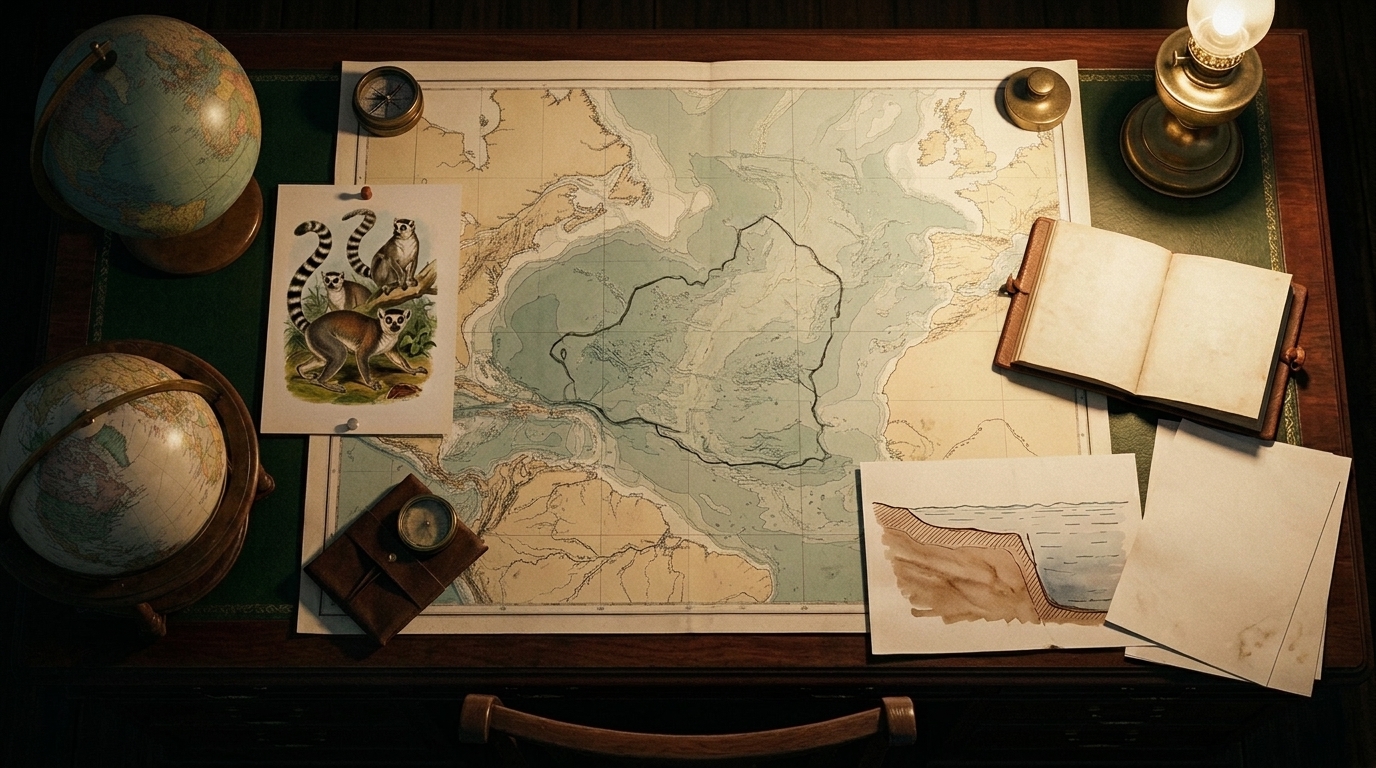
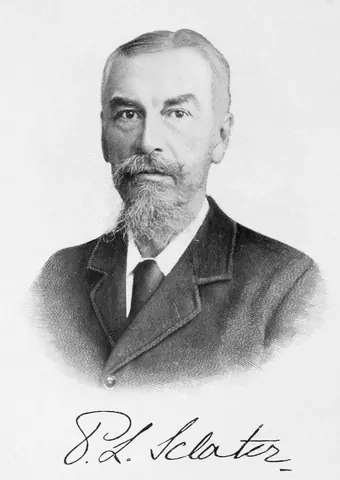
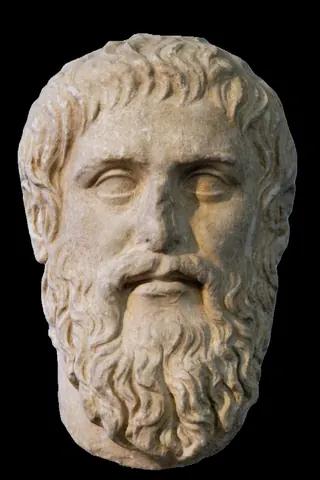
Academic consensus firmly categorizes Atlantis, Mu, and Lemuria as myth and pseudoarchaeology. Plato introduced Atlantis around 360 BCE in his dialogues Timaeus and Critias as a rhetorical device—a cautionary tale about hubris, not a historical account. No ancient source before Plato mentions Atlantis. Lemuria originated as a legitimate 19th-century scientific hypothesis by zoologist Philip Sclater to explain lemur distribution before plate tectonics was understood, but was quickly abandoned once continental drift theory emerged. Mu was invented wholesale in the 1920s by James Churchward, who claimed to have translated lost tablets that no scholar has ever verified existed.
Under-Reported Dimensions
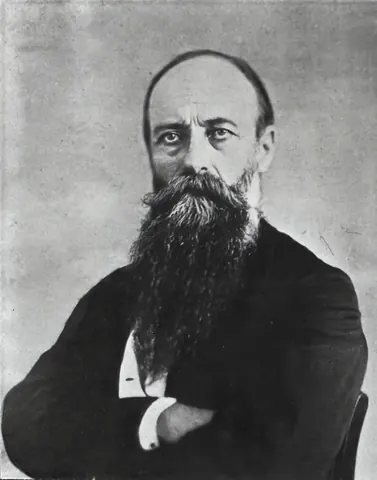
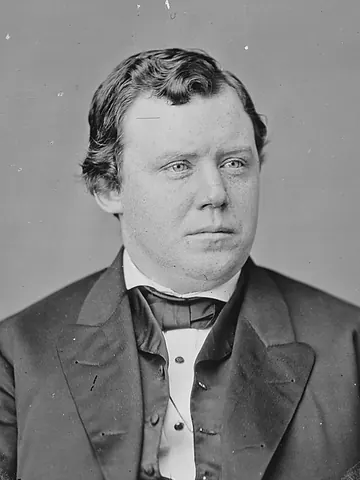
What receives insufficient attention is how these myths became intertwined with 19th-century racial pseudoscience and occultism. Theosophist Helena Blavatsky incorporated Lemuria into her doctrine of "root races"—a racial hierarchy that positioned certain groups as evolutionary remnants of ancient civilizations. This provided pseudo-scientific justification for colonialism and eugenics. Augustus Le Plongeon and Ignatius Donnelly promoted Atlantis theories that positioned white Europeans as inheritors of advanced ancient knowledge, explicitly marginalizing indigenous achievements. These racist frameworks are often sanitized in modern New Age retellings, but the genealogy remains.
The persistence of these myths also reflects systematic failures in science education and critical thinking instruction. Cognitive research shows humans are pattern-seeking creatures vulnerable to confirmation bias, and lost civilization narratives provide emotionally satisfying explanations that resist falsification by design—every absence of evidence becomes evidence of cover-up.
Credible Dissenting Voices
Archaeologists like Kenneth Feder and Brian Fagan have documented how pseudoarchaeology undermines legitimate indigenous history. When fringe theorists attribute monuments like the pyramids or Angkor Wat to lost civilizations, they erase actual cultural achievements. Geologists confirm no mechanism exists for continents to sink rapidly; plate tectonics operates over millions of years, not historical timeframes.
Follow the Money
The lost civilization industry generates substantial revenue through books, documentaries, tourism, and alternative spirituality products. Publishers profit from sensational claims that wouldn't pass peer review. Media platforms boost engagement with mystery content regardless of accuracy. Meanwhile, legitimate archaeology remains chronically underfunded.
Open Questions
Why do these myths persist despite comprehensive debunking? What psychological needs do lost civilization narratives fulfill? How do we balance cultural mythology with scientific literacy without dismissing genuine unexplained archaeological anomalies?
Case Timeline
- 360 BCEPRIMARY SOURCEPlato writes Timaeus and Critias, introducing Atlantis as philosophical allegoryNo ancient source prior to Plato mentions Atlantis, and classical scholars identify it as a literary device to illustrate Athens' moral superiority and the dangers of imperial overreach.
- 1864ACADEMICPhilip Sclater proposes Lemuria to explain lemur biogeography before plate tectonics knownThis was initially a legitimate scientific hypothesis published in zoological journals to explain lemur fossil distribution across Madagascar and India before continental drift mechanisms were understood.
- 1882PRIMARY SOURCEIgnatius Donnelly publishes Atlantis: The Antediluvian World, launching modern Atlantis mythologyDonnelly's work became foundational to modern Atlantis pseudoarchaeology by claiming advanced white civilizations predated indigenous cultures, providing pseudo-scientific support for racist colonial ideologies.
- 1888PRIMARY SOURCEHelena Blavatsky publishes The Secret Doctrine, incorporating Lemuria into Theosophical racial cosmologyBlavatsky's doctrine established a hierarchy of 'root races' positioning Lemurians as evolutionary precursors, a framework later appropriated by eugenics movements and Nazi occultists.
- 1926UNVERIFIEDJames Churchward publishes The Lost Continent of Mu, claiming lost Pacific civilizationChurchward claimed to have translated ancient Naacal tablets shown to him by an Indian temple priest, but no independent scholar has ever verified these tablets existed or that Churchward could read the languages he claimed.
- 1960sACADEMICPlate tectonics theory definitively disproves rapid continental sinking mechanismGeological evidence confirms continents move at rates of centimeters per year through seafloor spreading, making the rapid catastrophic sinking described in lost continent myths physically impossible.
- 1968ACADEMICBimini Road discovered; fringe theorists claim Atlantis evidence, geologists confirm natural beachrockMultiple geological surveys confirmed the Bimini formation consists of naturally fractured beachrock typical of Bahamas geology, with no evidence of tool marks or artificial shaping.
- 2011GOVERNMENT RECORDUNESCO issues warning about pseudoarchaeology's threat to cultural heritage protectionUNESCO's statement addressed how pseudoarchaeological claims about lost civilizations are increasingly used to dispute indigenous land rights and undermine established archaeological site protections.
Key People
Evidence Library
- documentDOC-A1Plato's Critias (Complete Text, Tufts Perseus Digital Library)
The original primary source describing Atlantis as a naval power that attacked Athens 9,000 years before Plato's time, ultimately destroyed by earthquakes. This text shows Plato explicitly framing it as an inherited story from Egyptian priests, a literary technique scholars recognize as establishing philosophical distance.
- documentDOC-B1Blavatsky's The Secret Doctrine (1888) - Root Race Chapters
Primary Theosophical text establishing the seven 'root races' doctrine with Lemurians as the third race. This document directly connects lost continent mythology to racial pseudoscience that influenced later eugenics movements, revealing the racist foundations often sanitized in modern retellings.
- documentDOC-L1Philip Sclater's 'The Mammals of Madagascar' (Quarterly Journal of Science, 1864)
The original scientific paper proposing a land bridge ('Lemuria') to explain primate biogeography. This shows Lemuria began as legitimate pre-plate tectonics science before being abandoned and appropriated by occultists, demonstrating how scientific hypotheses can be transformed into pseudoscience.
- documentDOC-G1Geological Survey of Bimini Road Formation (Marine Geology, 1978)
Peer-reviewed geological analysis using sediment dating and structural examination conclusively identifying the Bimini 'road' as Pleistocene beachrock with natural fracture patterns. Remains the definitive scientific refutation of Atlantis claims associated with this formation.
- documentDOC-U1UNESCO Statement on Pseudoarchaeology (2011 World Heritage Committee)
Official intergovernmental warning documenting how lost civilization claims are weaponized to contest indigenous cultural heritage and archaeological site protections. Identifies this as an emerging threat to international heritage conservation frameworks.
- documentDOC-M1Churchward's 'The Lost Continent of Mu' (1926) - Tablet Claims
Churchward's original text claiming translation of Naacal tablets revealed by temple priest 'Rishi.' No corroborating evidence for these tablets exists in any archaeological or temple records, and linguistic experts note Churchward demonstrably could not read the ancient scripts he claimed to translate.
- dataDATA-P1Plate Tectonics Rate Measurements (Global Seismographic Data, 1960s-present)
Continuous GPS and seismographic monitoring confirms continental plates move 2-15 centimeters annually through seafloor spreading. This empirical data makes catastrophic continent sinking within human historical timescales geologically impossible, definitively refuting core lost continent claims.
Sources
Trace the trail yourself
Investigation Network


Live Discussion
0 Perspectives
Add to the record. Be specific. Cite where you can.
If you're learning about this topic for the first time, these are the best places to continue — documented evidence and historical relationships are the guide.
Named in “Lost Civilizations: Atlantis, Mu, and Lemuria”.
Read more dossiers like this
Get a quiet one-line bulletin when new investigative files are published. Bound to this dossier — useful for tracking follow-ups.