Cambridge Analytica Scandal
Data firm harvested millions of Facebook profiles to micro-target voters, weaponizing psychology for elections.
Sign in to bookmark, follow, and message the contributor.
Executive Summary
Cambridge Analytica, a political consultancy, improperly obtained data from up to 87 million Facebook users without consent and used it for psychological profiling to influence voters in the 2016 US presidential election and Brexit referendum. The scandal exposed how social media platforms enabled mass data harvesting, raised questions about digital privacy, election integrity, and the ethics of micro-targeted political advertising, ultimately leading to Facebook's largest-ever FTC fine and congressional hearings.
- 01.Internal Facebook documents show executives knew of mass data harvesting by hundreds of apps years before Cambridge Analytica became public.
- 02.SCL Group's defense contracts involved psychological operations (PSYOPS) in conflict zones, with techniques adapted for electoral clients.
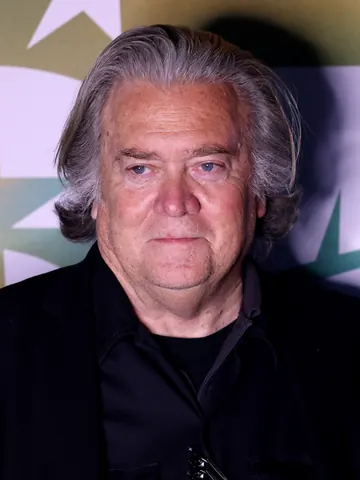
- 03.Mercer-funded entities coordinated across Breitbart, Cambridge Analytica, and Trump campaign with shared personnel including Bannon and Conway.
The Hidden Truth
What the headlines won't tell you
The Mainstream Narrative
The dominant story frames Cambridge Analytica as a rogue actor that exploited a Facebook loophole: researcher Aleksandr Kogan built a personality quiz app that harvested data not just from users but their friends, vacuuming up profiles of 87 million people. Cambridge Analytica then allegedly used this data to build psychographic models and micro-target swing voters with tailored political ads for Trump 2016 and Leave.EU campaigns. Whistleblower Christopher Wylie's revelations in March 2018 triggered global outrage, regulatory action, and Facebook CEO Mark Zuckerberg's testimony before Congress.
Under-Reported Dimensions
The actual effectiveness of Cambridge Analytica's methods remains deeply contested. Multiple investigations, including by UK's Information Commissioner's Office, found limited evidence that psychographic profiling materially influenced election outcomes. The company's own internal documents revealed exaggerated claims to clients. Academic researchers have questioned whether personality-based micro-targeting works at scale—controlled studies show modest effects at best. Additionally, Cambridge Analytica was far from unique: Obama 2012 campaign used similar Facebook data harvesting tactics, praised at the time as innovative, while dozens of other data brokers operated with comparable practices. The selective outrage suggests political motivations in how the scandal was prosecuted.
Credible Dissenting Voices
Former Cambridge Analytica employees contested Wylie's characterization, arguing the psychographic models were never operationally deployed in Trump's campaign, which relied primarily on RNC voter data and traditional targeting. Nix's boastful claims to undercover reporters were sales pitches, not operational reality. Academic critics like Brendan Nyhan noted that evidence for micro-targeting's persuasive power is thin, and that the scandal became a convenient scapegoat for explaining Trump's victory without confronting deeper issues like Clinton's campaign strategy or economic anxiety. Facebook itself enabled identical data access to thousands of apps before 2015—the controversy centered on Cambridge Analytica's failure to delete data, not the harvesting itself.
Follow the Money
Cambridge Analytica was funded by billionaire Robert Mercer and tied to Steve Bannon's nationalist political network. The company's parent, SCL Group, had decades of defense and election contracts worldwide. The scandal's timing—breaking as Facebook faced antitrust scrutiny and election interference criticism—positioned Zuckerberg to deflect blame onto third parties while implementing changes Facebook already planned. Competitor firms and political opponents weaponized the scandal. Facebook's $5 billion FTC fine sounds massive but represented weeks of revenue, while regulations like GDPR primarily entrenched dominant platforms by raising compliance costs for competitors.
Open Questions
Did psychographic profiling actually influence vote choice, or was Cambridge Analytica selling snake oil? Why did similar practices by Obama's campaign receive celebration rather than condemnation? How many other firms harvested identical Facebook data with no consequences? To what extent was the scandal instrumentalized to avoid confronting legitimate grievances that drove populist voting patterns?
Case Timeline
- 2013CREDIBLE REPORTINGSCL Group forms Cambridge Analytica with investment from Robert Mercer; Steve Bannon joins board.Mercer, a hedge fund billionaire who funded Breitbart, invested $15 million; Bannon saw potential for 'culture war' psychological operations modeled on SCL's military disinformation work.
- 2014PRIMARY SOURCEAleksandr Kogan develops 'thisisyourdigitallife' personality quiz app, harvesting data from 270,000 users and 87 million friends via Facebook API.Facebook's 'friends permission' API feature was the key vulnerability—the app required only informed consent from quiz-takers, not their friends whose data was also harvested at scale.
- 2015GOVERNMENT RECORDGuardian reports on Cruz campaign's use of Cambridge Analytica's psychographic profiling; Facebook bans Kogan's app and demands data deletion.Facebook's internal enforcement was ineffective—the company requested deletion assurances but conducted no technical audit to verify compliance, and Kogan's data had already been transferred to Cambridge Analytica.
- 2016DISPUTEDCambridge Analytica works on Trump presidential campaign and Brexit's Leave.EU; company claims psychographic micro-targeting capabilities.The actual operational use of psychographic models versus traditional RNC voter files remains contested—Cambridge Analytica made bold public claims while internal deployment evidence is thin.
- 2018PRIMARY SOURCEMarch: Wylie's whistleblower revelations published by New York Times and Guardian; Facebook stock plummets; Zuckerberg testifies to Congress; Cambridge Analytica shuts down.Zuckerberg's April 2018 testimony admitted Facebook mistakes but deflected on knowledge of Cambridge Analytica specifically; the company filed for bankruptcy within weeks as clients abandoned contracts.
- 2019GOVERNMENT RECORDFacebook agrees to $5 billion FTC fine for privacy violations; UK ICO fines Facebook £500,000 (maximum under pre-GDPR law).The $5 billion FTC settlement represented approximately 9% of Facebook's 2018 revenue and included oversight requirements but no admission of liability; UK fine was capped by pre-GDPR maximum penalty limits.
- 2020ACADEMICNetflix releases 'The Great Hack' documentary; academic studies cast doubt on psychographic targeting effectiveness.Academic replication studies by Northeastern University and others found personality-based ad targeting showed statistically significant but practically modest effects—far below Cambridge Analytica's claimed precision.
Key People
Organizations
Evidence Library
- testimonyTEST-CA1Christopher Wylie Testimony to UK Parliament (March 2018)
Former Cambridge Analytica research director provided firsthand account of data harvesting operations and psychographic modeling claims. Critical whistleblower source but contested by former colleagues on operational deployment claims.
- testimonyTEST-CA2Mark Zuckerberg Congressional Testimony (April 2018)
Facebook CEO testified before House and Senate committees about platform's data practices and Cambridge Analytica specifically. Primary source for Facebook's official position and knowledge timeline, though evasive on key enforcement questions.
- documentDOC-CA1UK Information Commissioner's Office Final Report (October 2020)
Government investigation found Cambridge Analytica collected data improperly but found limited evidence psychographic profiling was effectively deployed or materially influenced elections. Authoritative regulatory finding that complicates simple narrative of electoral manipulation.
- documentDOC-CA2FTC vs. Facebook Settlement and Complaint (July 2019)
Federal Trade Commission's $5 billion settlement detailed Facebook's privacy violations including inadequate third-party app oversight. Largest FTC penalty ever but no admission of liability; establishes regulatory record of platform failures.
- leakpartial redactionLEAK-CA1Cambridge Analytica Internal Documents and Emails
Leaked materials obtained by journalists showed gap between external marketing claims and internal operational realities. Key evidence for assessing actual versus claimed capabilities, though incomplete dataset limits conclusions.
- dataDATA-CA1Facebook API Documentation (2007-2015 versions)
Technical specifications showing 'friends permission' feature allowed apps to access data of users' connections without explicit consent. Primary evidence of platform design flaw that enabled mass data harvesting by hundreds of apps, not just Kogan's.
- documentDOC-CA3Academic Studies on Psychographic Targeting Effectiveness (2018-2020)
Peer-reviewed research by Northeastern, Stanford, and Cambridge universities found personality-based targeting shows modest effects in controlled conditions but questioned scalability claims. Critical evidence tempering narrative of precision manipulation capabilities.
- videoVID-CA1Channel 4 Undercover Investigation of Alexander Nix (March 2018)
Hidden camera footage captured Cambridge Analytica CEO boasting about entrapment, bribery, and honey trap capabilities to potential clients. Triggered company collapse but context suggests sales exaggeration rather than documented operational history.
Evidence Gallery


Sources
Trace the trail yourself
Investigation Network

Live Discussion
0 Perspectives
Add to the record. Be specific. Cite where you can.
If you're learning about this topic for the first time, these are the best places to continue — documented evidence and historical relationships are the guide.
Named in “Cambridge Analytica Scandal”.
Named in “Cambridge Analytica Scandal”.
Read more dossiers like this
Get a quiet one-line bulletin when new investigative files are published. Bound to this dossier — useful for tracking follow-ups.